




Victorian Country House Cupboard
A victorian country house cupboard brings utilitarian honesty and sturdy utility into domestic interiors.
Victorian Country House Cupboard
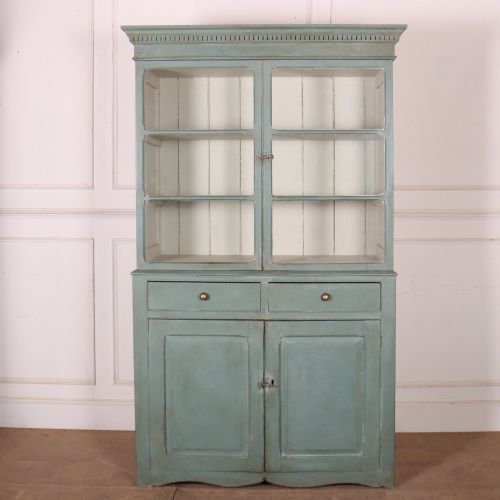
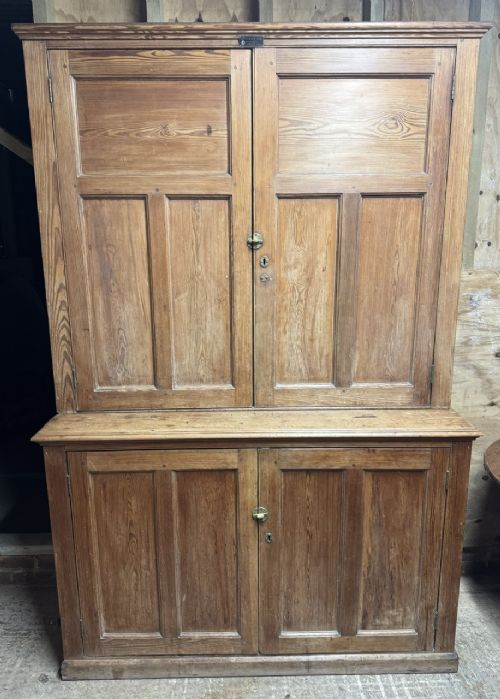
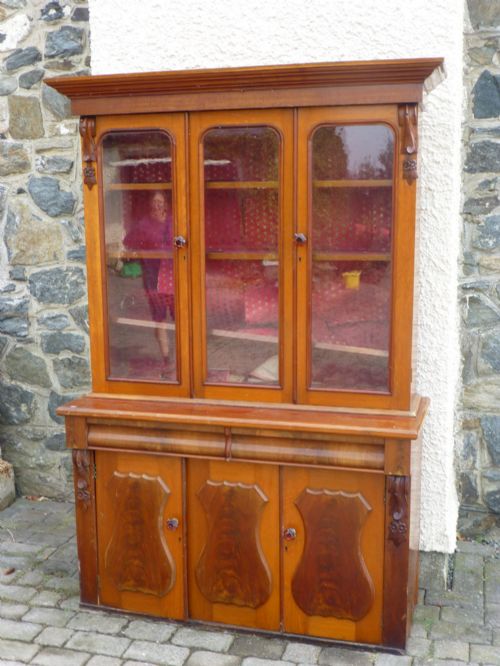
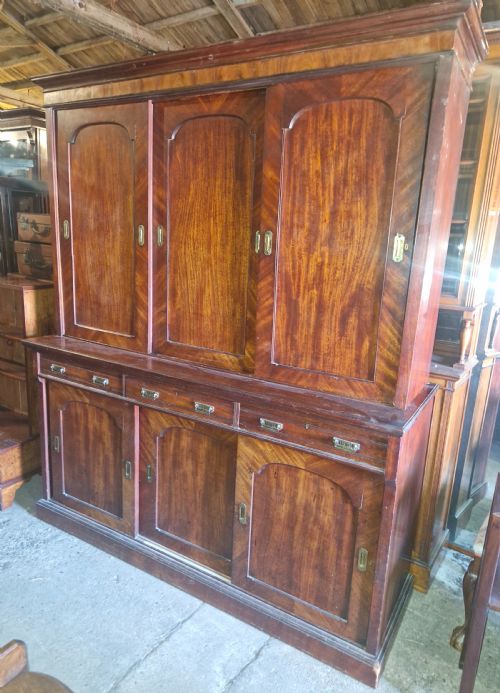
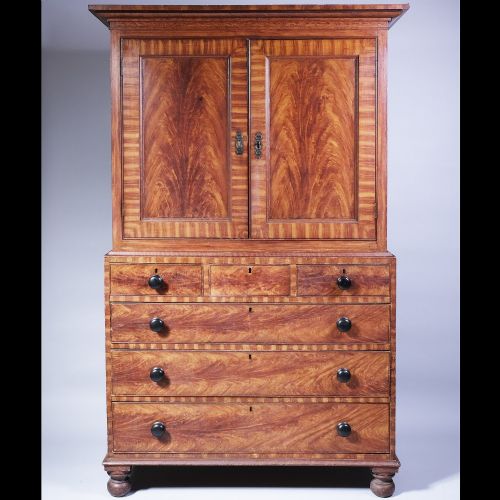
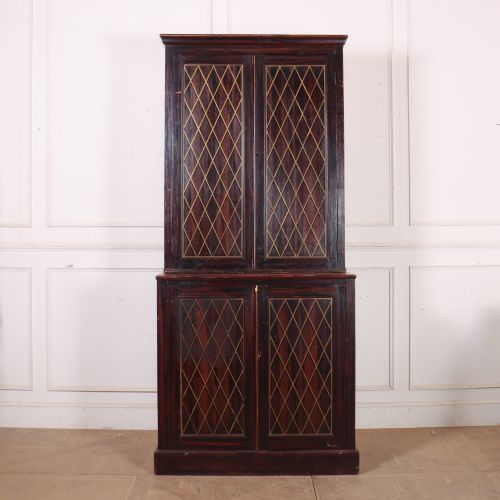
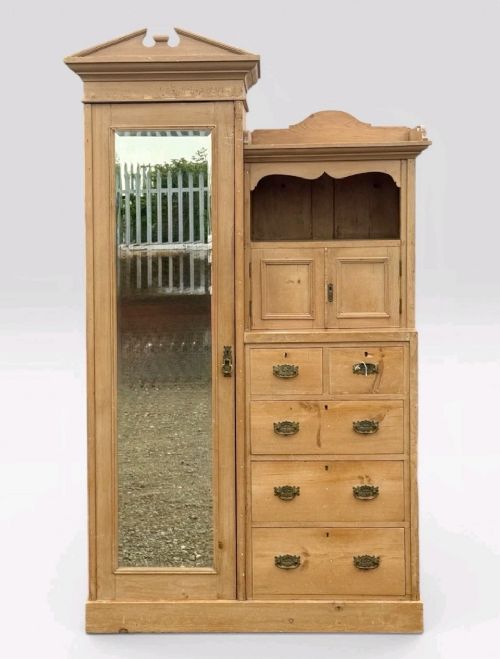
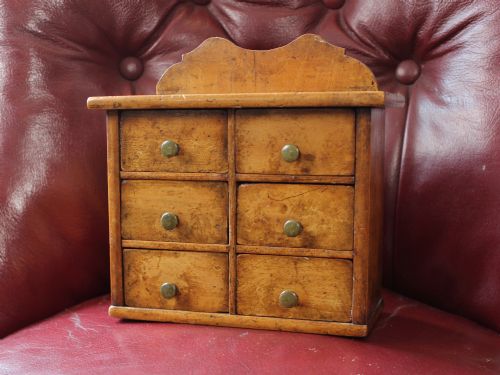
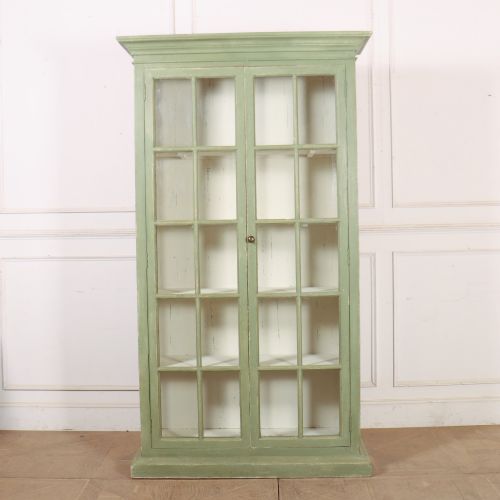
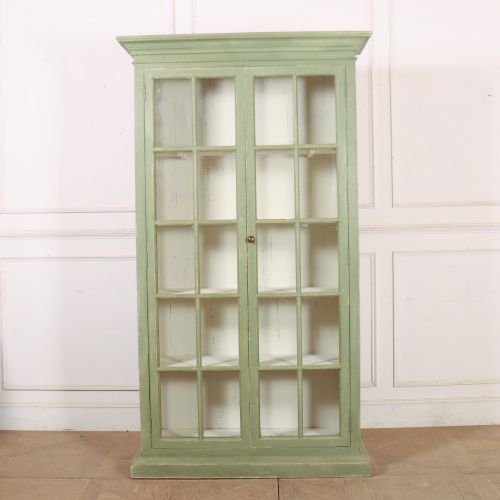
When buyers search for a victorian country house cupboard, they encounter robust storage furniture designed for large estates, farmhouses, and grand country homes. These pieces range from monumental housekeeper's cupboards and kitchen dressers to glazed bookcases, linen presses, and estate office cabinets.
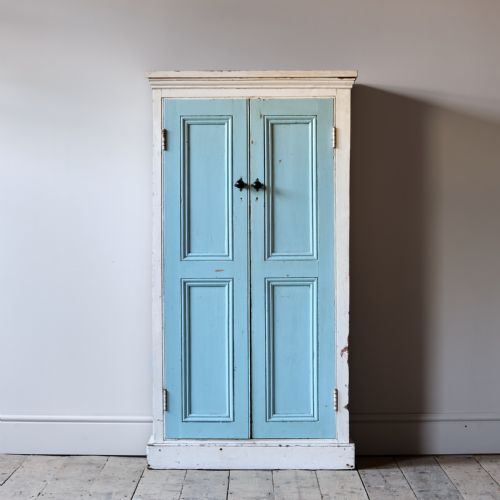
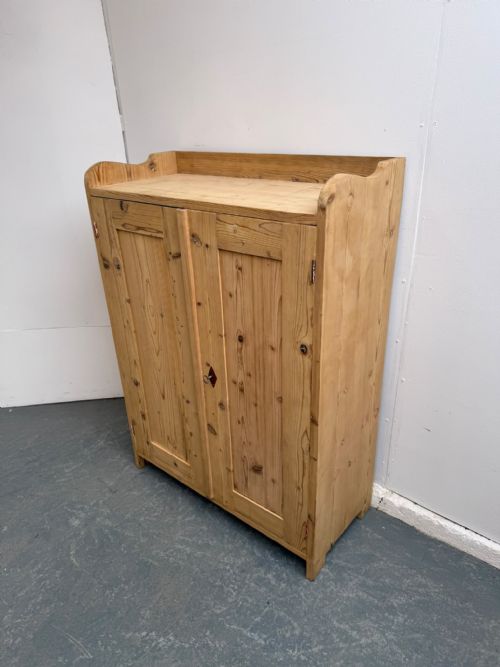
The version most commonly met on this page is the pine housekeeper's cupboard, often found with original paint, scumble finishes, or grain effects. Alongside these stand substantial oak, mahogany, and fruitwood storage pieces originating from English, Scottish, Irish, and Welsh traditions.
Materials and construction
Makers constructed these cupboards primarily from solid pine, oak, and flame mahogany, incorporating brass hardware, iron fittings, and glass panes for glazed doors. Pine served extensively for painted utility pieces, while oak and mahogany formed the substance of grander library and estate office cabinets.
Joinery methods prioritized durability over display, utilising heavy timber framing, panelled doors, and dovetailed drawers suited to daily domestic service. Surfaces frequently received protective coats of wax or traditional paint, scumble, and graining that survive from the nineteenth century.
Listings feature pieces from the 18th century through the Victorian era, utilising pine, oak, mahogany, and paint.
Judging the standard
Quality in these utility cupboards rests upon the integrity of the original timber and the survival of untouched surface finishes, such as early paint layers or patinated wax. Pieces retaining their original hardware, glass, and internal shelving represent a higher order of craftsmanship than those altered over generations of domestic use.
Proportion and scale also separate standard utility furniture from pieces made for the principal rooms of a country house. Monumental scale, thoughtful architectural detailing like breakfront drawers, and regional vernacular character elevate certain examples well above ordinary storage.
The Victorian Country House Cupboard Glossary
- Housekeeper's cupboard
- A large storage piece with upper cupboards and lower drawers or doors, traditionally used for linen, dry goods, and household stores.
- Scumble painted
- A decorative technique involving translucent paint dragged or textured over a base coat to imitate wood grain or create rustic patterned surfaces.
- Breakfront
- A cabinet facade where the central section projects forward from the flanking wings, adding architectural depth and presence.
- Kitchen dresser
- A dual-purpose form featuring base cupboards or drawers surmounted by open plate racks or glazed bookcases for display and storage.
Victorian Country House Cupboard: Frequently Asked Questions
What is a housekeeper's cupboard?
A housekeeper's cupboard is a large piece of storage furniture traditionally kept in the domestic quarters of a country estate to store linens, dry goods, and household provisions.
These pieces typically combine upper cupboard storage with lower drawers or doors, offering substantial capacity for domestic organisation.
How do I tell original paint from later decoration?
Original paint exhibits natural wear, craquelure, and patina accumulated over decades of domestic use, matching the age of the underlying timber.
Later repainting often feels uniform, lacks the depth of early surface layers, and may conceal modern modifications to the structure.
Where were these cupboards placed in a home?
In nineteenth-century estates, large cupboards lived in sculleries, housekeeper's rooms, estate offices, and libraries rather than formal entertaining spaces.
Today, buyers place them in modern kitchens, hallways, and living areas as practical storage focal points.
What is the difference between pine and oak country cupboards?
Pine cupboards were generally utility pieces intended for painted finishes and hardworking service in domestic service areas like larders and sculleries.
Oak cupboards belonged to grander spaces such as libraries and morning rooms, showcasing heavier timber construction and polished grain.