






Victorian Copper Wash Tub
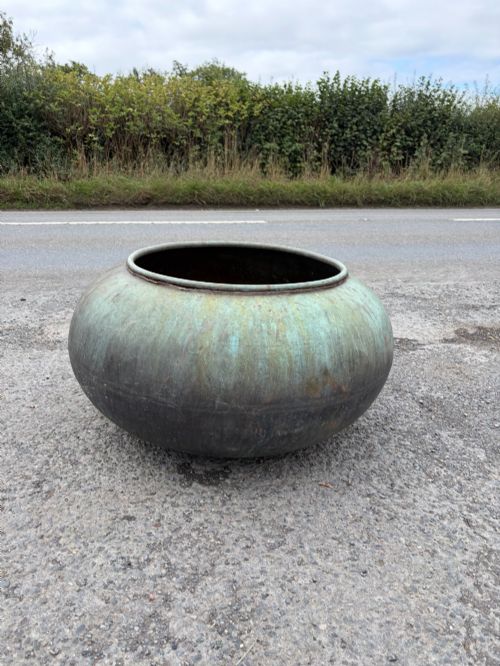
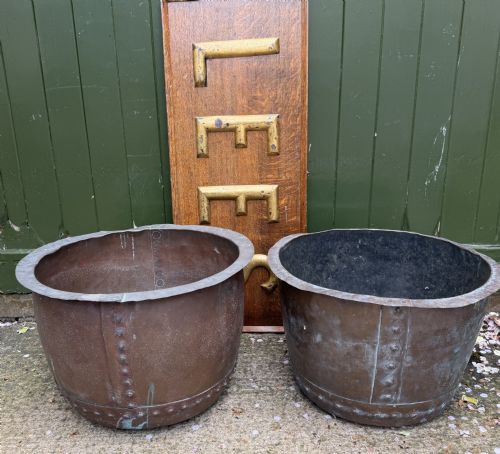
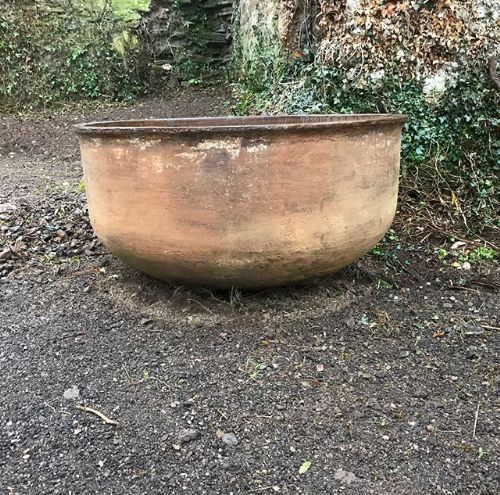
These Victorian copper wash tub vessels bring rugged utilitarian warmth to modern spaces as log bins and garden planters.
Victorian Copper Wash Tub
When you search for a victorian copper wash tub, you are looking at heavy-duty utilitarian vessels originally designed for domestic laundry, brewing, and heavy cooking. The pieces appearing in this category span the nineteenth century and into the early twentieth century, encompassing varied forms like large pots, boilers, cauldrons, and grain measures.
Most items meeting this description now serve alternative functions in the home and garden, frequently repurposed as log bins, plant pots, and garden planters. The listings demonstrate a distinct rustic character, often categorised under Victorian country, rustic farmhouse, and utilitarian styles.
Originating from a period spanning roughly the mid-nineteenth century to the early twentieth century, these vessels reflect industrial and domestic practicality. Buyers encounter items that combine substantial metal capacity with decades of functional wear.
Materials and Construction
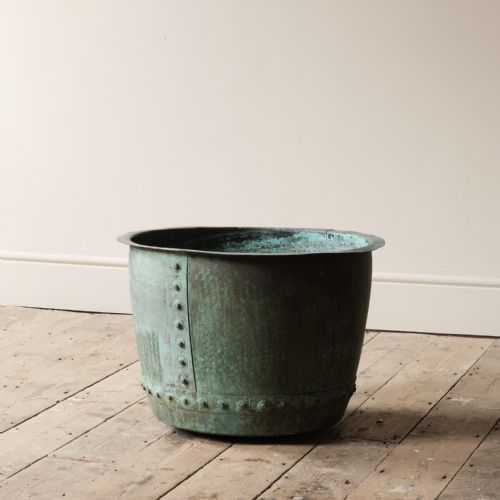
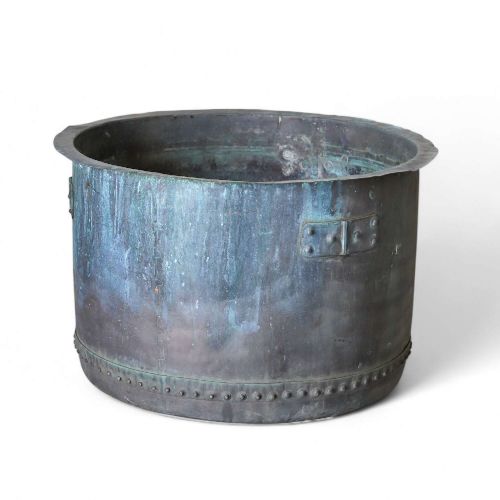
The primary material across these listings is copper, frequently paired with iron, brass, wrought iron, and cast iron for handles, rims, and structural support. Artisans constructed these robust containers using hand-riveted techniques to secure the thick metal plates together under heavy pressure.
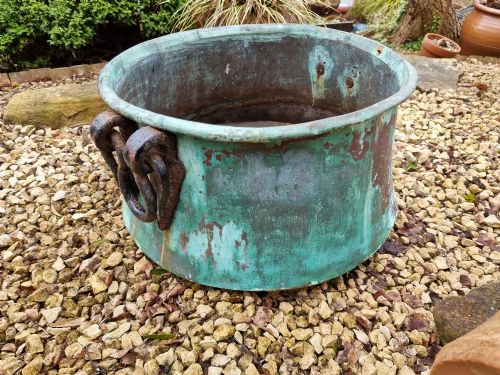
Surface finishes vary widely depending on age and exposure, ranging from rich natural patinas to weathered verdigris surfaces and painted elements. Makers utilised steel and tin alongside copper to form heavy cooking vessels, grain measures, and large pans designed for rigorous daily use.
Victorian Copper Wash Tub Retail Price Guide 2026
Typical asking prices for victorian copper wash tub among the pieces listed under this phrase on Sellingantiques today, from the lower quarter to the upper quarter. They describe what is for sale here now, not the wider market.
Listings feature items spanning the 19th century up to 1920, predominantly constructed from copper, iron, and wrought iron.
Evaluating the Range
Quality in these utilitarian items rests on the integrity of the hand-riveted seams and the substantial weight of the copper sheet used in construction. Vessels that retain their original wrought iron swing handles and structural rigidity command greater presence.
The depth and authenticity of the natural patina and verdigris surface define the visual character of each piece. Heavier gauge metal and uncompromised proportions separate everyday utility items from the most impressive decorative survivors.
The Victorian Copper Wash Tub Glossary
- Patina
- The surface sheen and colour acquired by copper through age, oxidation, and handling over decades. A good patina displays varied depth and warm tones.
- Verdigris
- The green crust or patina formed on copper and brass by atmospheric oxidation. This surface layer indicates prolonged exposure to moisture and elements.
- Riveted
- Joined securely by metal bolts or pins hammered flat during construction. Hand-riveted seams are a hallmark of nineteenth-century metalwork.
- Cauldron
- A large metal pot with a swing handle designed for heating liquids over an open fire. These deep vessels form part of the broader utilitarian cooking category.
- Grain Measure
- A standardised container used for bulk dry goods in commerce. These cylindrical vessels often double as decorative log bins.
Victorian Copper Wash Tub: Frequently Asked Questions
How do I use a vintage copper tub at home?
Homeowners typically repurpose these large metal vessels as fireside log bins, storing firewood neatly within the deep copper body. They also serve as planters and pots for large indoor or outdoor greenery.
The sturdy construction and natural waterproof qualities of copper make them practical for holding soil and plants when properly lined.
How can I tell the age of a copper wash tub?
Dating relies heavily on construction methods, such as hand-riveted joints and the presence of wrought iron swing handles or cast iron fittings. Pieces spanning the mid to late nineteenth century often display distinct manufacturing marks and heavier metal gauges.
Styles catalogued range from Victorian utilitarian and rustic country to early twentieth-century examples, marked by variations in metal thickness and surface finishing.
What causes the green colour on old copper?
The green surface layer, known as verdigris, forms naturally when copper reacts with oxygen, moisture, and carbon dioxide over many years. This chemical process creates a stable compound that protects the underlying metal from further corrosion.
Collectors often value pieces featuring a rich verdigris surface alongside a warm natural patina for their authentic aged appearance.