



Georgian Copper Log Tub
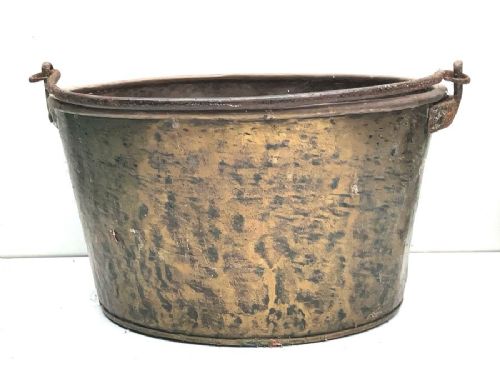
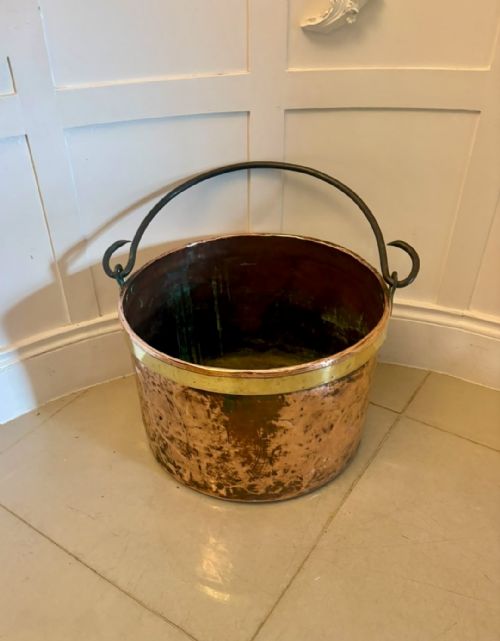
A georgian copper log tub brings warmth to a hearth, shaped from heavy metal for holding firewood near the fire.
Georgian Copper Log Tub
When you search for a georgian copper log tub, you find robust vessels designed to hold wood beside an open hearth. These utilitarian objects double as fireside buckets and planters across the listings.
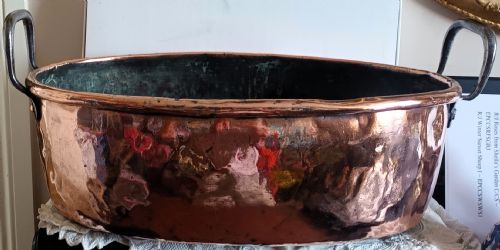
The pieces span the eighteenth century and the nineteenth century, including George III examples and Victorian country pieces. Alongside proper log bins, the selection includes cream setting pans and general cookware vessels.
Most items combine hammered or riveted sheet metal with iron handles or brass fittings. Their forms range from deep cylindrical buckets to wide shallow pans.
How they were made
Craftsmen built these vessels using sheet copper joined by visible rivets, paired with wrought iron or brass for structural strength. The heavy hammering required to shape the metal left distinct surface textures across the body.
Iron mounts and handles were securely attached to bear the weight of heavy logs or dairy contents. The combination of durable metals ensured these utilitarian items survived centuries of daily use.
Georgian Copper Log Tub Retail Price Guide 2026
Typical asking prices for georgian copper log tub among the pieces listed under this phrase on Sellingantiques today, from the lower quarter to the upper quarter. They describe what is for sale here now, not the wider market.
Some vessels originally used for separating cream now spend their retirement holding logs or ferns.
What varies in quality
Quality rests in the weight of the metal sheet and the integrity of the riveted joints. Thicker copper maintains its structural form better over generations of fireside use.
The refinement of the handles and the grace of the proportions distinguish superior items from ordinary utility pans. Original patination and minimal modern repair separate untouched examples from heavily restored pieces.
The Georgian Copper Log Tub Glossary
- Log bin
- A deep metal container designed to hold firewood beside a hearth. These vessels often feature carrying handles and sturdy bases.
- Cream setting pan
- A wide shallow vessel utilised in dairies to separate cream from milk. They share the same hammered sheet construction as fireside buckets.
- Riveted
- A method of joining sheet metal where metal pins are hammered flat to secure overlapping seams. This technique provides visible industrial detail on nineteenth century pieces.
- George III
- The period of British history spanning from seventeen sixty to eighteen twenty. Pieces from this era reflect distinct Georgian proportions.
Georgian Copper Log Tub: Frequently Asked Questions
How were log tubs used?
These vessels sat beside the fireplace to store and dry firewood ready for the hearth. Their robust metal construction protected domestic floors from loose bark and dirt.
Over time, many of these containers transitioned into decorative planters or coal scuttles within period interiors.
Are these pieces waterproof?
Most riveted copper vessels held liquids originally, particularly dairy pans used in food production. Log tubs with solid bases can hold water, making them suitable for use as indoor planters.
Checking the condition of the riveted seams helps determine if a specific vessel retains its watertight integrity.
How do I clean copper?
Traditional maintenance involves gentle washing with warm soapy water to remove surface dust. Many collectors prefer to leave the dark natural patination accumulated over centuries rather than polishing the metal bright.
Harsh abrasive cleaners strip the historic surface and should be avoided on antique metalwork.
How do I date a piece?
Dating relies on observing construction methods, handle shapes, and overall stylistic proportions. Earlier eighteenth century examples often display heavier hand-hammered surfaces compared to later nineteenth century production.
Comparing the style of the riveted joints with dated pieces in the listings helps narrow the period of origin.