

Victorian Copper Art
Victorian copper art brings together domestic metalwork from the nineteenth century, shaped by the hands of makers working in Arts and Crafts and Art Nouveau styles.
Victorian Copper Art
Victorian copper art encompasses practical household metalwork and decorative objects created during the nineteenth century and the early twentieth century. These pieces emerge predominantly in Arts and Crafts and Art Nouveau styles, reflecting a period when metalworking gained renewed artistic attention.
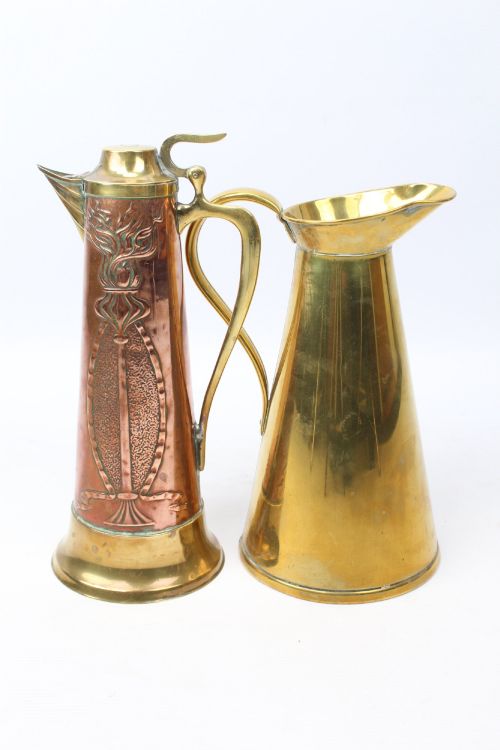
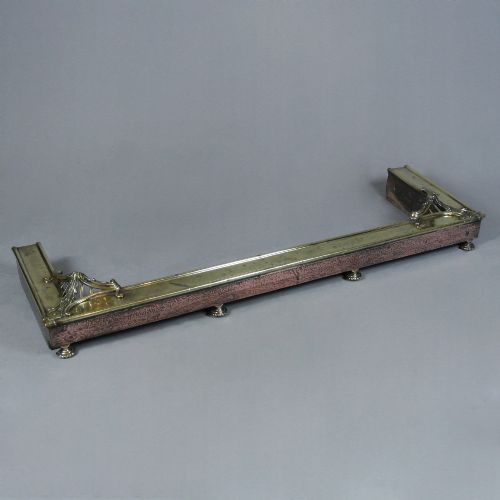
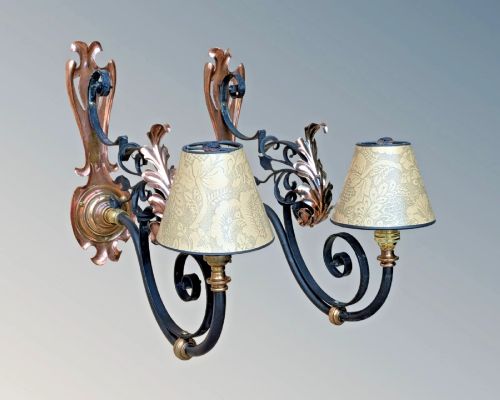
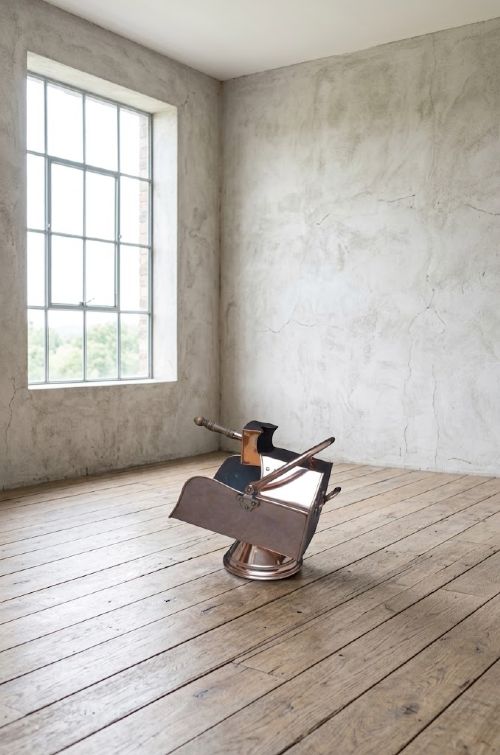
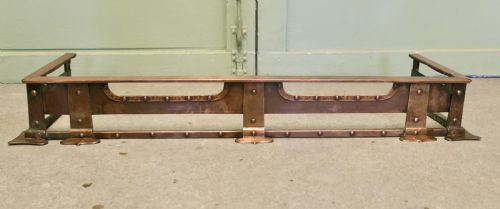
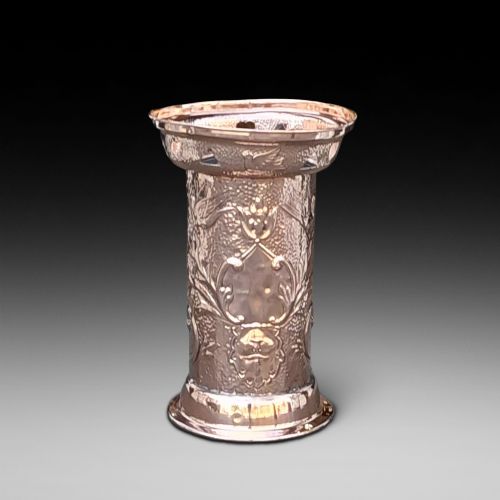
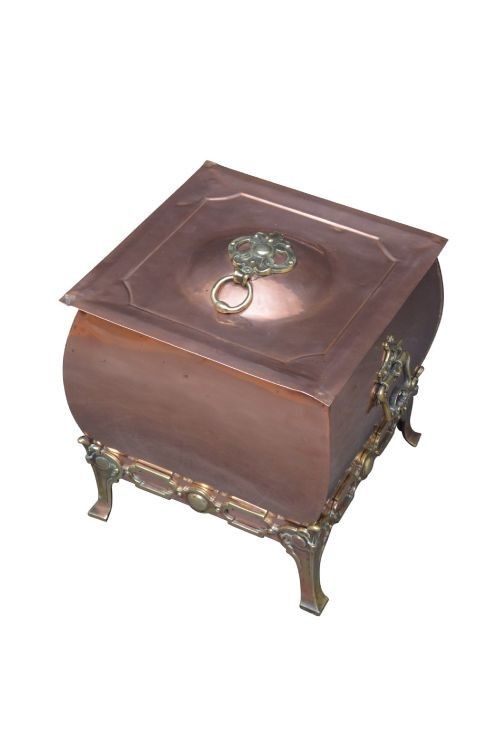
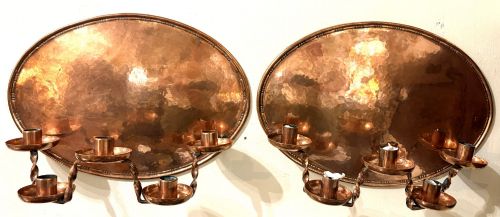
The objects most frequently met on this page are fireside accessories and vessels. Coal scuttles, fireplace fenders, fire screens, and jardinières appear alongside umbrella stands, jugs, and wall sconces, showing how utilitarian items received decorative treatment.
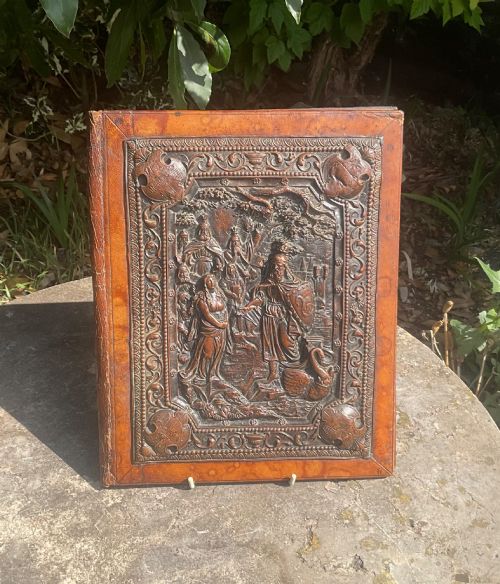
Origins span British and continental workshops, crossing from late Victorian domestic items into the early decades of the twentieth century. The forms range from plain riveted coal buckets to relief-decorated chargers and weather vanes.
Materials and construction
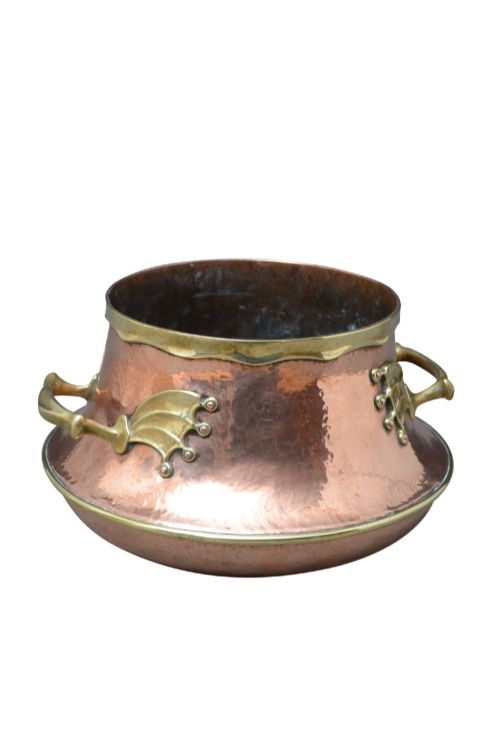
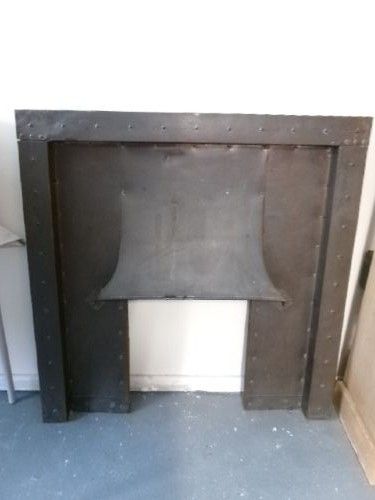
Makers shaped sheet copper by hand, utilising hammering and beating techniques to create textured surfaces like the characteristic dimples seen on Arts and Crafts planters and trays. Riveting joined heavy plates together, visible on industrial-style fenders and coal scuttles.
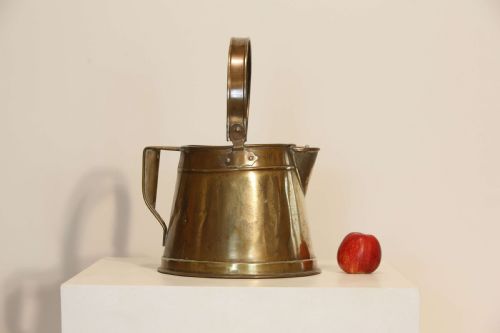
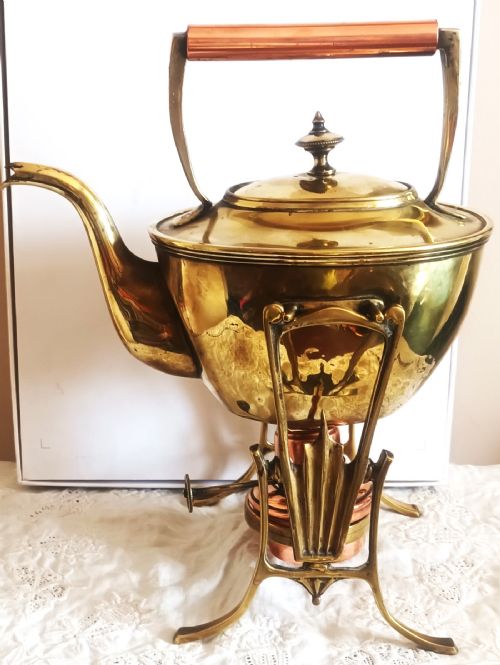
Brass fittings, wrought iron frames, and oak additions frequently accompany the copper. Iron provides structural support for fire screens and wall lights, while brass accents highlight rims, handles, and feet on jugs and spirit kettles.
Victorian Copper Art Retail Price Guide 2026
Typical asking prices for victorian copper art among the pieces listed under this phrase on Sellingantiques today, from the lower quarter to the upper quarter. They describe what is for sale here now, not the wider market.
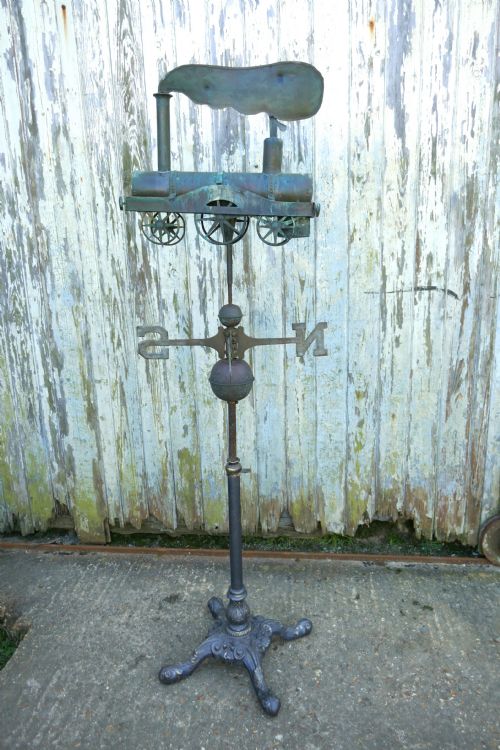
A Cornish copper steam train weather vane brings railway enthusiasm directly onto the roof.
Quality and execution
Quality rests on the integrity of the hand finish and the weight of the metal. Thicker gauge copper maintains its form and accepts deep, deliberate hammering without buckling, whereas thin sheets distort easily under daily use.
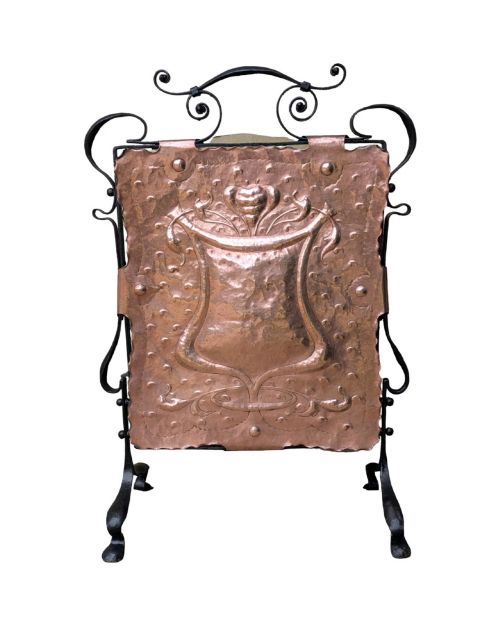
Design distinction separates standard production items from workshop pieces. Thoughtful integration of wrought iron supports, crisp hand-hammered relief work, and clean riveting distinguish superior objects from routine domestic wares.
William Soutter And Sons·Dr Christopher Dresser·Wagner Lohengrin·Samson
The Victorian Copper Art Glossary
- Arts and Crafts
- A design movement valuing handcraft, vernacular traditions, and visible construction methods over mass production. This style influences much of the domestic copperwork found on this page.
- Art Nouveau
- An ornamental style characterised by flowing, organic lines, plant motifs, and asymmetrical forms. It appears frequently on copper coal scuttles, stick stands, and jugs from the turn of the century.
- Jardiniere
- An ornamental pot or stand designed to hold growing plants or flowers. These vessels often feature hammered copper surfaces and brass feet.
- Fire Fender
- A low metal barrier placed on the floor around a hearth to contain ash and protect the room. In Victorian metalwork, these often feature riveted copper bodies and wrought iron frames.
- Chamberstick
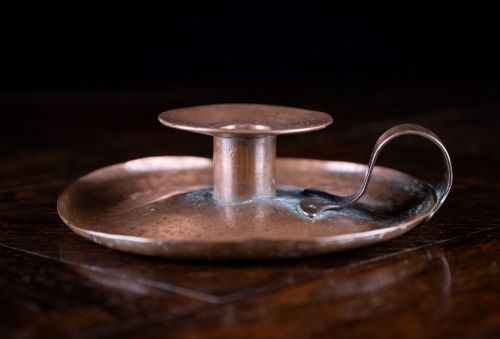
- A short candlestick fitted with a wide drip pan and a finger ring for carrying around a house. Copper examples from the period combine utility with decorative beaten finishes.
Victorian Copper Art: Frequently Asked Questions
What is Victorian copper art?
Victorian copper art refers to domestic objects and decorative metalwork produced during the nineteenth century and the subsequent Arts and Crafts era. These items include fireside equipment, planters, and lighting.
The pieces combine functional utility with handcrafted surface decoration, such as hand-hammering, repoussé relief, and riveted construction.
How were these copper items used?
Many of these objects served practical roles in nineteenth-century homes, managing fires, holding coal, storing umbrellas, or carrying hot water. Hearth accessories protected floor coverings and organised fuel near the fireplace.
Other items, such as wall chargers, planters, and decorative jugs, served purely ornamental purposes to brighten dark Victorian interiors with reflective metallic surfaces.
How do I identify Arts and Crafts copper?
Arts and Crafts copper often displays visible hammer marks, unpolished patinas, and robust construction details like exposed rivets and heavy seams. The designs avoid excessive machine-made symmetry in favour of honest hand craftsmanship.
Wrought iron elements, oak accents, and simple geometric or plant-based motifs frequently accompany the copper body.
How do I care for antique copper?
Antique copper benefits from gentle dusting and minimal interference with its natural surface oxidation, known as patina. Aggressive cleaning or modern chemical polishes strip away the aged appearance that collectors value.
Keeping the metal dry and away from excessive moisture preserves the finish and prevents active corrosion on iron and brass attachments.