




Victorian Coopered Barrel
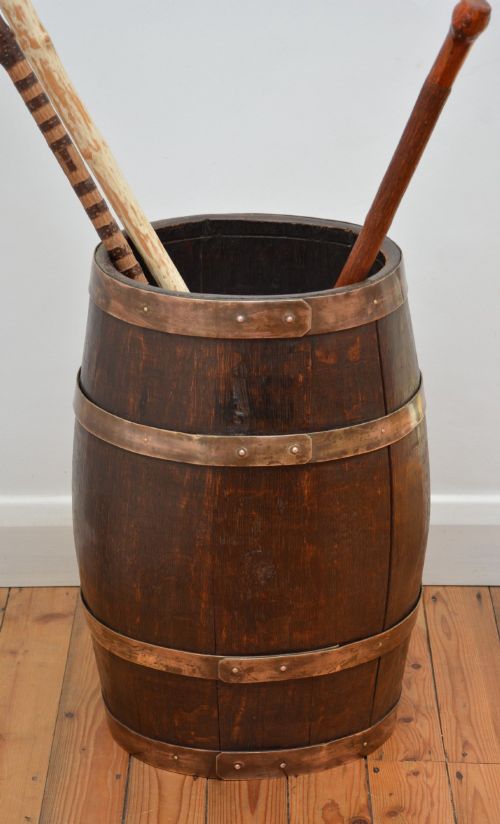
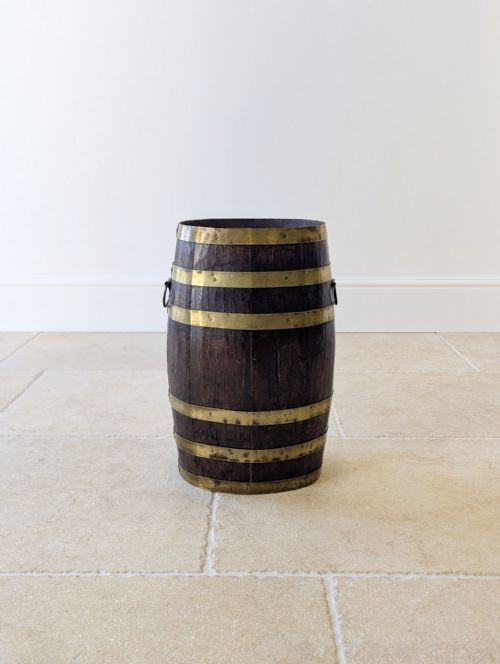
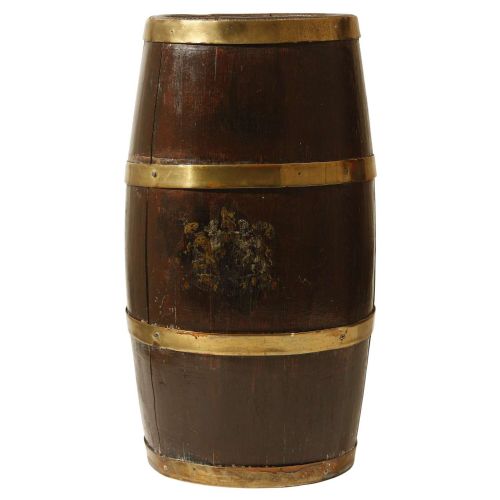
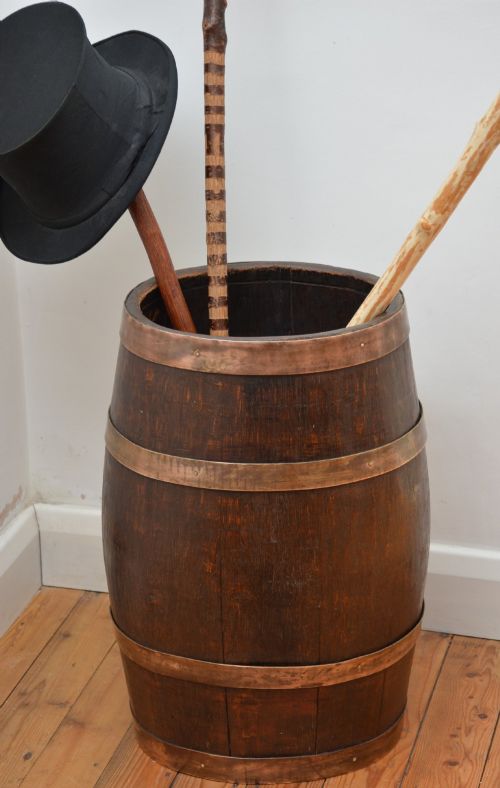
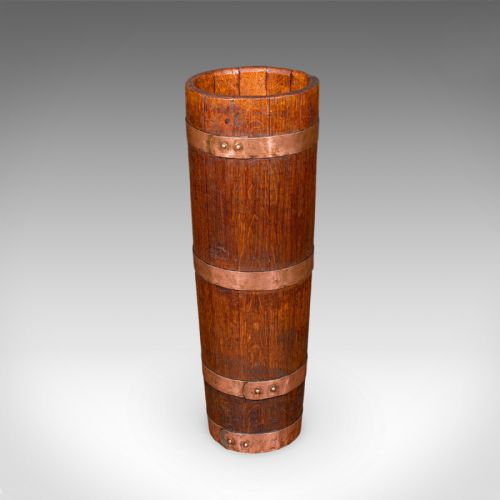
These Victorian coopered barrel items are stout stave-built vessels of oak held together with brass or iron bands, brought into the hall or dining room for umbrellas and wine.
Victorian Coopered Barrel
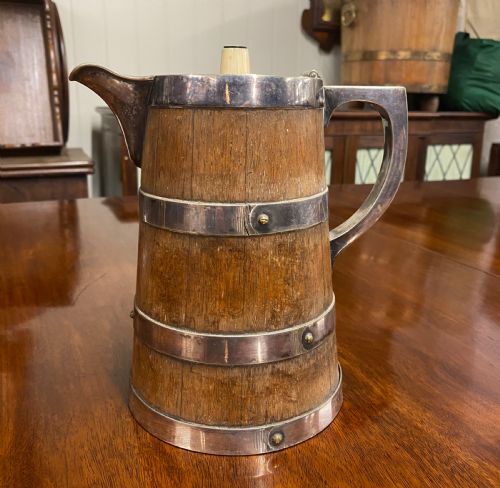
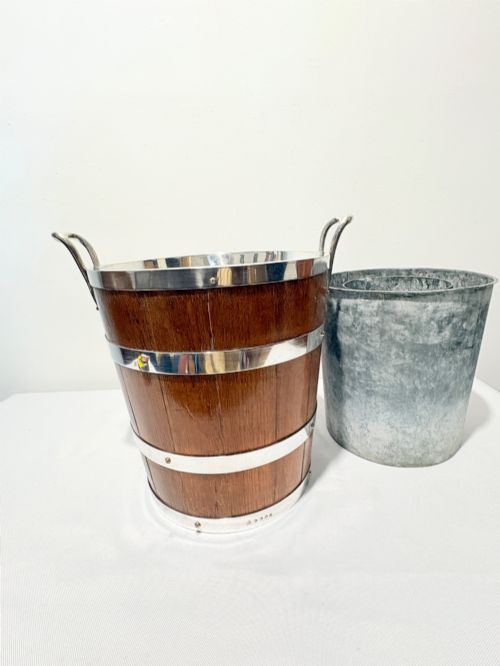
Beyond hallway stands, the selection includes smaller barware vessels such as champagne buckets and water jugs. Oval and round forms appear frequently, sometimes fitted with interior ceramic creamware liners or umbrella loops.
Originating largely from the nineteenth century, these vessels combine utilitarian coopering techniques with domestic hospitality. The smaller coolers and jugs share the same stave-and-hoop construction as the larger hall stands.
Judging quality and character
Quality rests in the precision of the coopering and the thickness of the oak staves. Tighter joints between the wooden segments indicate superior workshop practice, ensuring the vessel retains its structural integrity over decades of use.
The choice of metal hardware alters the visual weight of the piece, with heavy brass bands and applied coats of arms marking out finer country house commissions. Patina on both the timber and the metal indicates genuine age and careful handling.
Victorian Coopered Barrel Retail Price Guide 2026
Typical asking prices for victorian coopered barrel among the pieces listed under this phrase on Sellingantiques today, from the lower quarter to the upper quarter. They describe what is for sale here now, not the wider market.
Dated examples span from eighteen-fifty through the Edwardian period, highlighting enduring country house tastes.
J.R. Cooper
The Victorian Coopered Barrel Glossary
- Coopered
- Built from curved wooden staves joined vertically and bound with hoops, a method traditionally used for casks and buckets. This construction allows wood to hold its shape under pressure.
- Stave
- One of the narrow tapered pieces of oak that form the sides of a barrel or bucket. Staves are shaped precisely so their edges meet flush.
- Creamware
- A fine light-coloured earthenware developed in the eighteenth century. It appears here as an interior liner for ice buckets.
- Umbrella loop
- A metal divider fitted to the top of a stick stand to keep walking canes and umbrellas separated. It prevents damp tips from clustering together.
Victorian Coopered Barrel: Frequently Asked Questions
What were victorian coopered barrel stands used for?
These vessels served practical domestic roles in large English country houses, primarily holding walking sticks and umbrellas in the entrance hall. Smaller versions functioned at the dining table as ice buckets or wine coolers.
Their robust stave construction made them well suited to damp items and heavy daily service without losing stability.
How do I care for oak and brass barrel stands?
Keep the wood nourished with a traditional wax polish to preserve the grain and protect against dry indoor air. Avoid placing them directly beside strong heat sources that might cause the oak staves to shrink.
Polish the brass bands gently with a soft cloth to maintain their lustre without stripping the aged surface character.
Are all these barrel stands from the Victorian period?
The pieces span the nineteenth century and into the early twentieth century, encompassing Victorian and Edwardian examples. Construction methods remained consistent during this time, relying on traditional coopering.
Datable details like brass crests or patent marks help place individual items within specific decades.
Why do some barrels feature metal liners?
Barware items such as ice buckets and champagne coolers required waterproof interiors to contain melting ice and liquid. Ceramic creamware or metal inserts protected the oak staves from constant moisture exposure.
Umbrella stands generally left the interior bare to allow rainwater from wet sticks to drain or evaporate.