



Victorian Cookie Jar
A victorian cookie jar brings domestic hospitality to the table, offering a lidded vessel designed to keep biscuits dry and crisp.
Victorian Cookie Jar
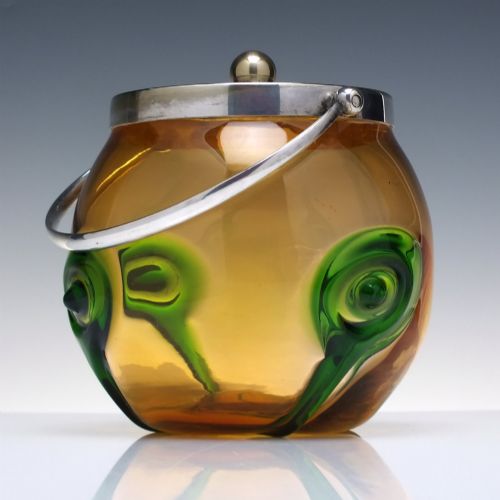
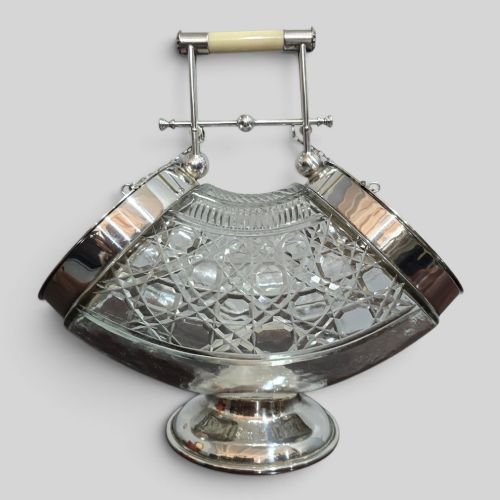
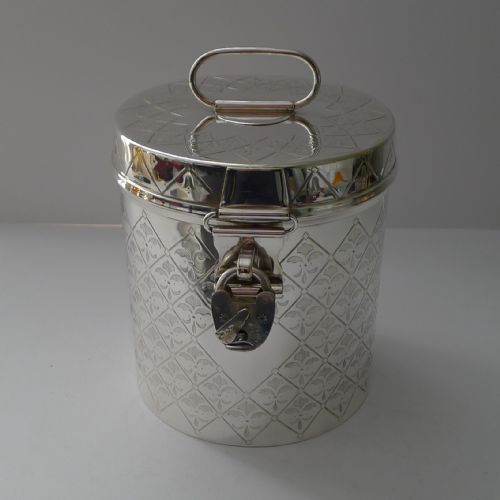
When you search for a victorian cookie jar, you examine vessels also known historically as biscuit barrels or biscuit boxes, created to store baked goods in the nineteenth and early twentieth centuries. The pieces meeting this description span the Victorian and Edwardian periods, stretching from the 1860s into the 1920s.
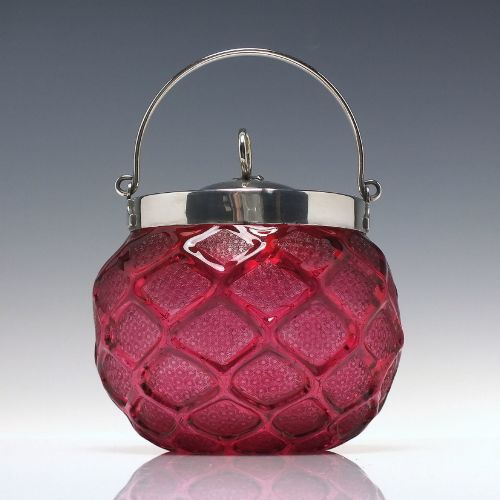
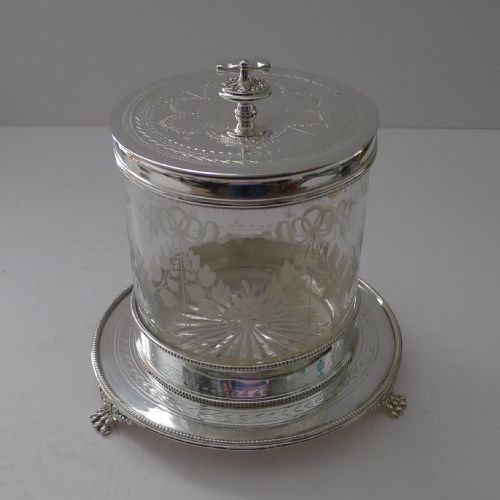
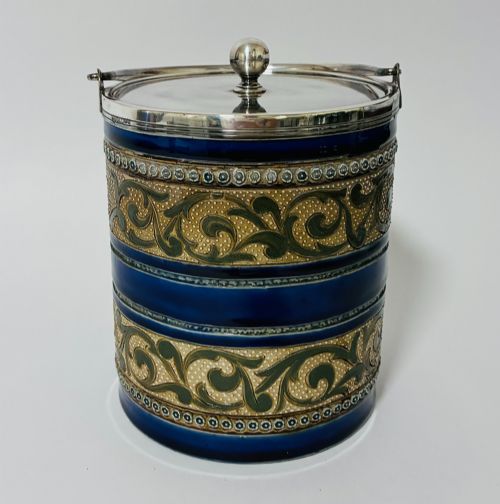
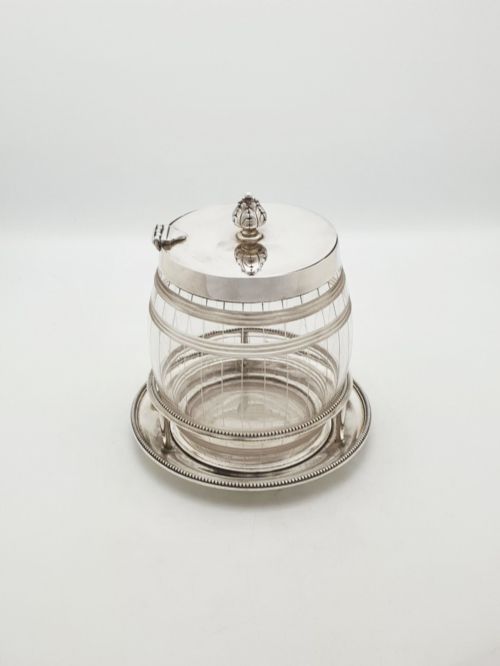
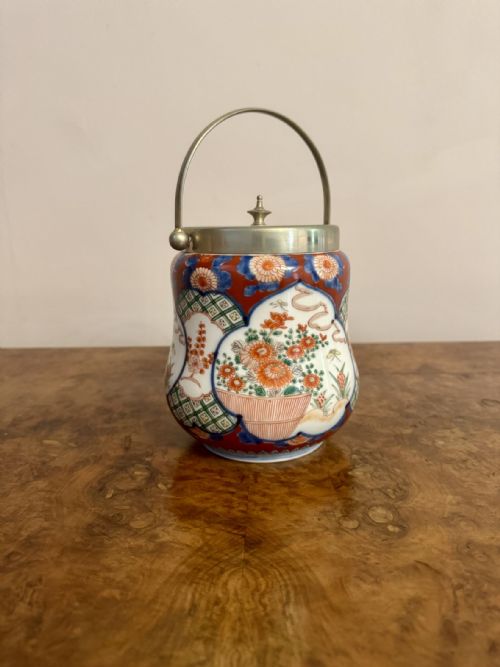
The forms vary from cylindrical drums and oval shapes to novelty designs such as weights, alongside materials that combine ceramic bodies with metal mounts. You encounter stoneware, cut glass, cranberry glass, and Jasperware alongside silver plate and oak.
Originating predominantly in England, these containers served dining and drawing rooms alike, functioning as practical storage that doubled as ornamental tableware.
Materials and Construction
Makers combined silver plate or sterling silver mounts with bodies of cut glass, cranberry glass, stoneware, oak, or ceramic, securing lids and swing handles with hinged hardware. Stoneware and Jasperware pieces utilised moulded clay bodies, sometimes displaying multiple colours.
Cut glass and cranberry glass vessels involved blown and wheel-cut techniques to catch the light, paired with metal rims and covers that required precise metalwork to fit snugly over the glass lips.
Victorian Cookie Jar Retail Price Guide 2026
Typical asking prices for victorian cookie jar among the pieces listed under this phrase on Sellingantiques today, from the lower quarter to the upper quarter. They describe what is for sale here now, not the wider market.
Listings demonstrate a prevalence of silver plate combined with cut glass, cranberry glass, and Jasperware across Victorian and Edwardian periods.
Markers of Quality
Distinctions in these pieces rest upon the crispness of the glass cutting, the depth of relief on Jasperware and stoneware bodies, and the weight and finish of the silver-plated or sterling silver mounts. Maker attribution also plays a role, with established silversmiths and potteries producing more robust hinges, tighter lids, and finer engraving.
The integration of materials determines the overall cohesion of the piece, where secure mounts, balanced swing handles, and intact finials elevate the vessel above standard domestic production.
Mappin and Webb·Elkington and Co·Robert and Belk·Doulton Lambeth·John Grinsell and Sons·James Dixon and Sons
The Victorian Cookie Jar Glossary
- Biscuit barrel
- A covered container designed specifically for holding dry biscuits at the dining table. It represents the primary alternate term for these items.
- Silver plate
- A layer of silver fused to a base metal, frequently utilised for the rims, covers, and swing handles of glass and ceramic bodies.
- Jasperware
- A fine stoneware developed with a matte surface, commonly decorated in contrasting white relief designs against a coloured ground.
- Cranberry glass
- A rich red-pink transparent glass coloured with gold chloride, popular for Victorian tableware and decorative jars.
- Finial
- The decorative knob or sculptural element attached to the top of the lid, sometimes cast in the form of a heraldic dragon.
Victorian Cookie Jar: Frequently Asked Questions
How were biscuit barrels used?
These vessels sat on the dining table or sideboard during breakfast or afternoon tea, holding dry biscuits to keep them crisp before serving.
Hosts lifted the hinged lid to offer biscuits to guests, combining functional storage with polished tableside presentation.
Are these jars used for cookies?
While contemporary terminology often applies cookie jar to these vessels, British manufacturing and historic catalogues consistently referred to them as biscuit barrels or biscuit boxes.
They perform the identical storage function for dry baked goods today as they did in the nineteenth century.
How do I date a piece?
Dating relies on combining the stylistic period of the ceramic or glass body with the hallmarks or stamped marks found on the silver-plated or metal mounts.
Design motifs such as Neoclassical detailing or Arts and Crafts influences further narrow the decade of manufacture.
Can I use them daily?
Living with these pieces involves gentle handling, particularly regarding the silver-plated mounts and delicate glass or ceramic bodies.
Hand washing preserves the silver plate and the integrity of historic materials, allowing the barrels to serve modern storage needs safely.