

Victorian Console Desk
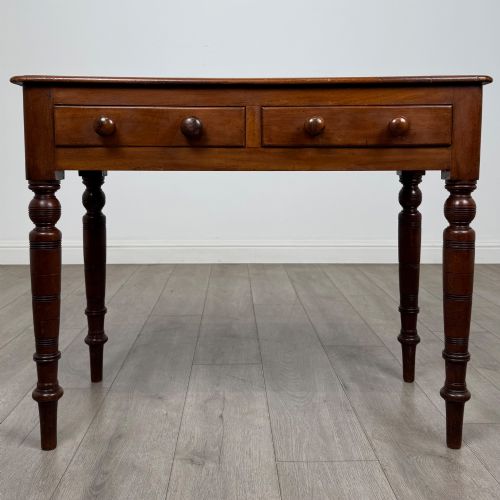
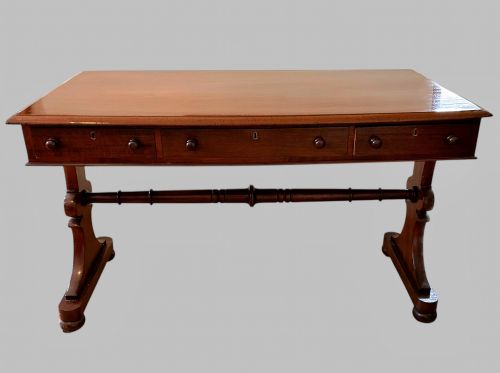
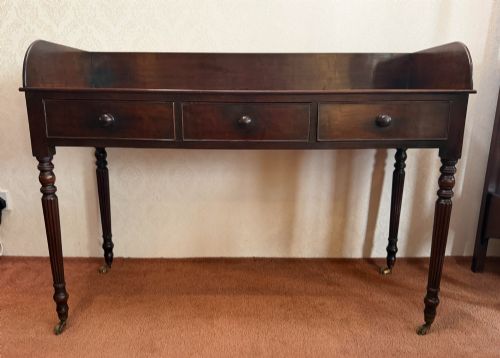
A victorian console desk serves as a working writing surface and a wall-mounted or freestanding hall piece.
Victorian Console Desk
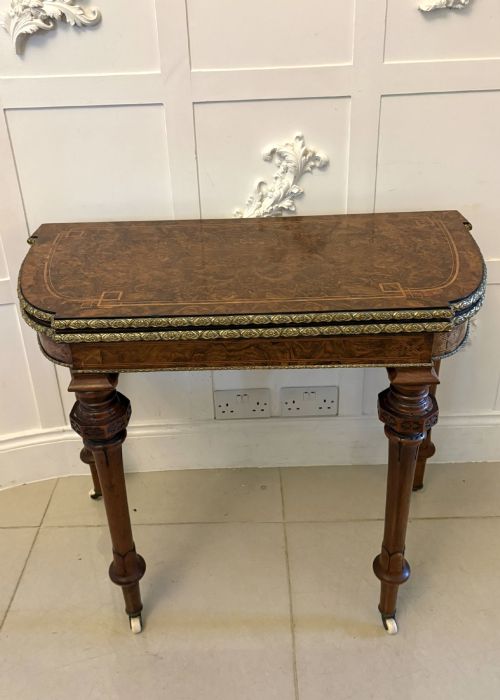
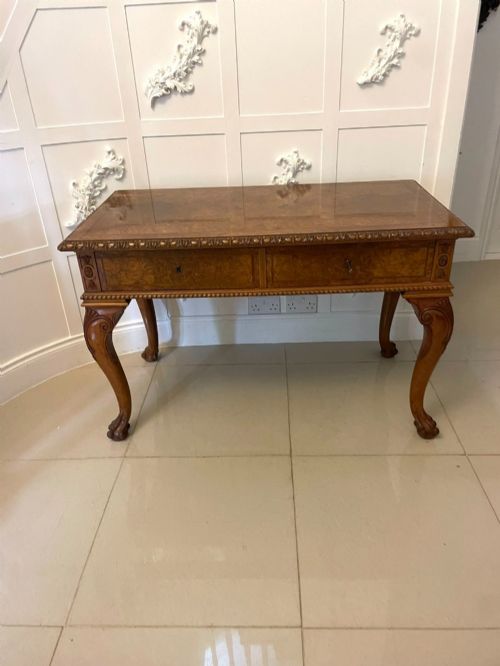
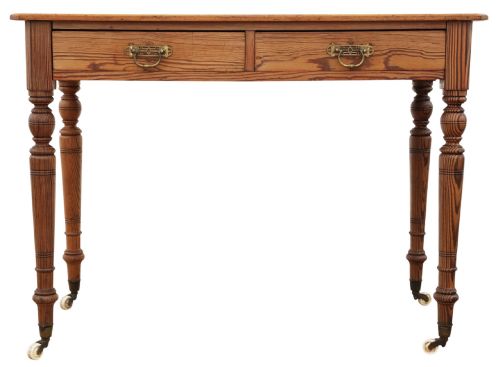
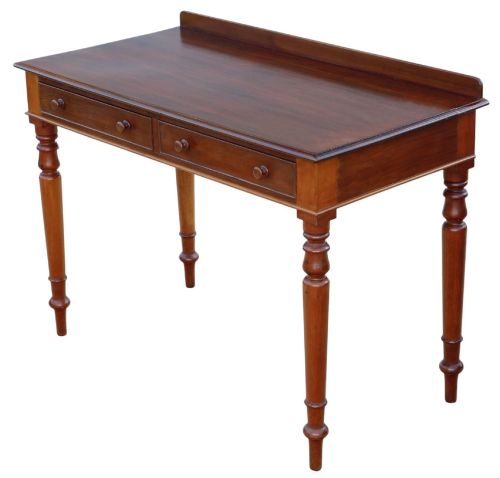
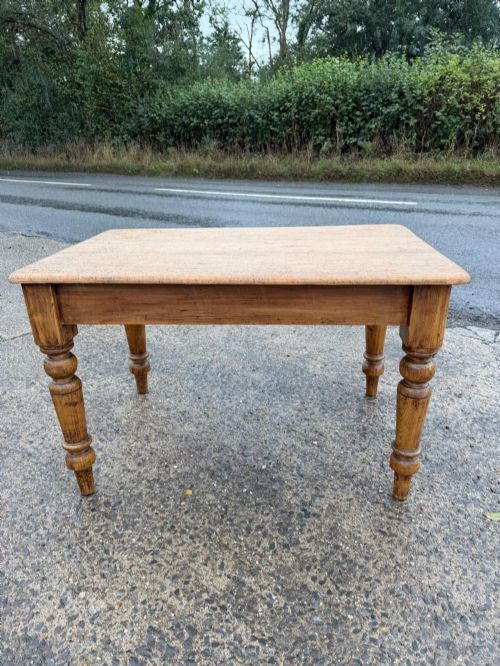
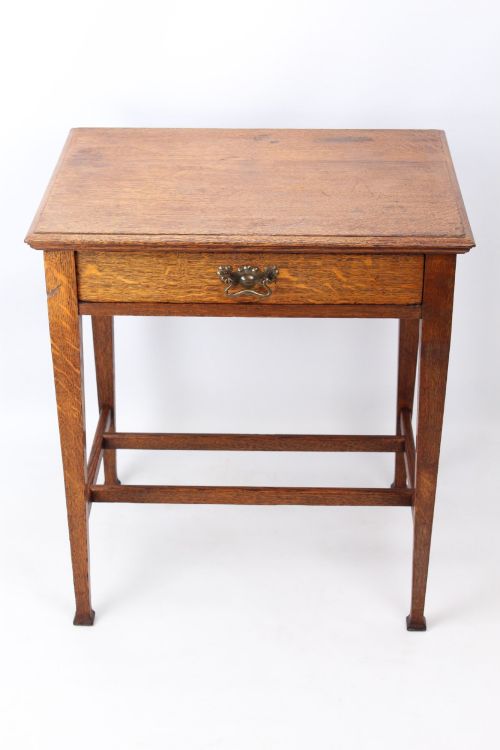
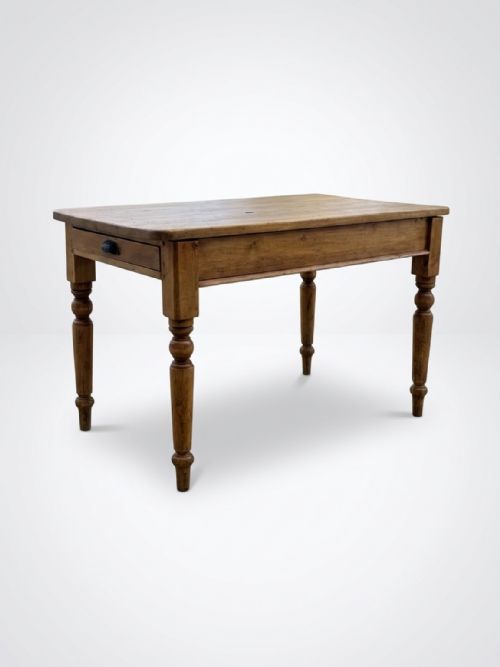
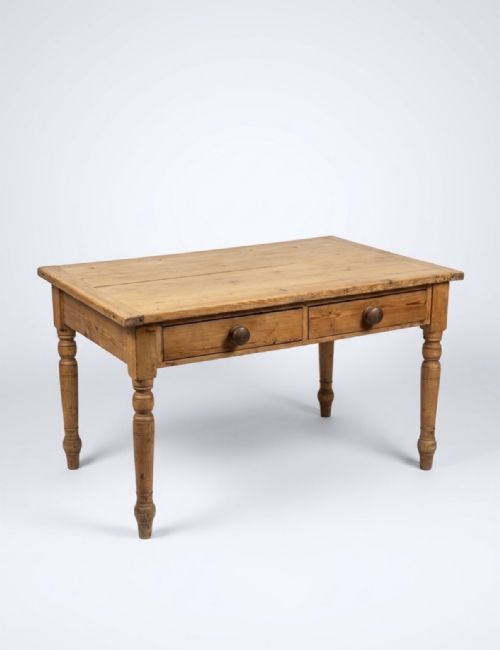
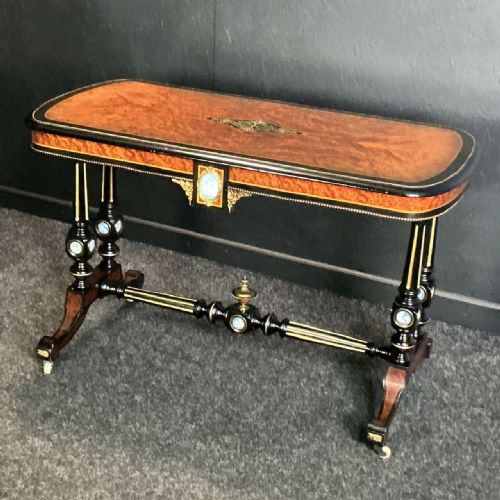
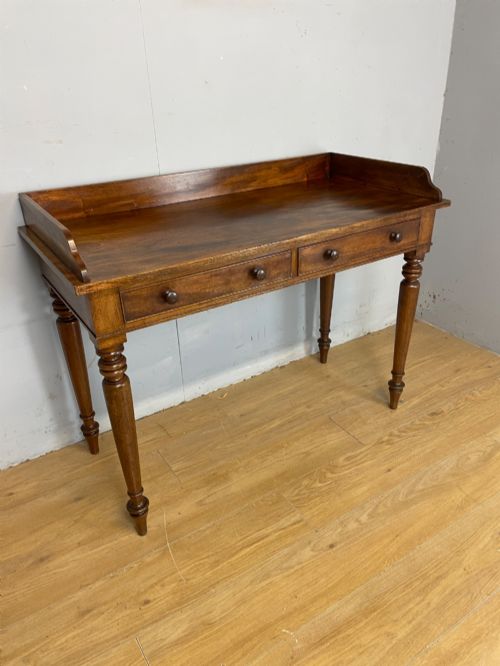
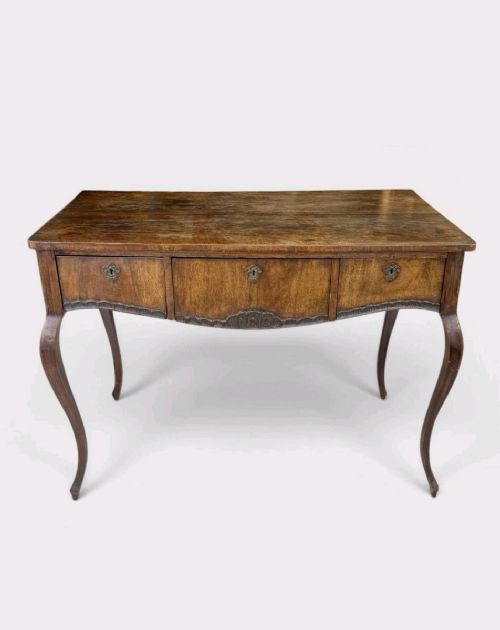
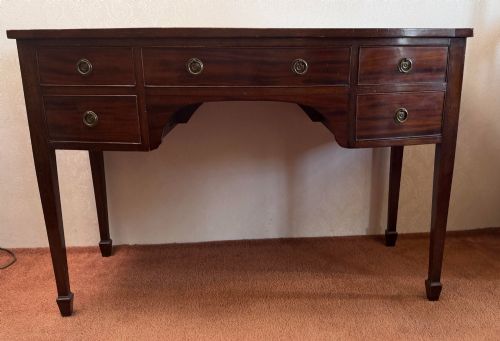
A victorian console desk sits against walls or stands freestanding in hallways and studies. These tables merge the functions of a writing desk and a console table, often featuring single or multiple drawers set into the front frieze.
The pieces appearing on this page span the Victorian period alongside related nineteenth century items. Common forms include side tables, writing tables, library tables, and dressing tables that double as compact desks.
Makers and workshops utilise various timbers, producing both formal mahogany designs and robust utilitarian pieces in pine or pitch pine. Buyers encounter diverse proportions, from small single-drawer tables to substantial three-drawer library pieces.
Materials and construction
Cabinetmakers constructed these tables using a range of dense hardwoods and softwoods. Mahogany, walnut, burr walnut, satinwood, and rosewood appear alongside utilitarian timbers such as oak, pine, pitch pine, and satin birch.
Construction methods rely on traditional joinery techniques suitable for domestic and library furniture. Drawers feature hand-cut joints, while structural elements frequently incorporate brass fittings and turned or carved supports.
One extraordinary German cow horn table from the late nineteenth century sits among the more traditional timber desks.
Distinctions in quality
Quality rests in the selection of timber and the refinement of surface decoration. Highly figured veneers such as burr walnut or flame mahogany distinguish formal reception pieces from simpler utility tables made of pine.
Carving detail and hardware selection indicate the original tier of production. Pieces bearing cabinetmaker attributions or intricate Renaissance and Gothic Revival carving demonstrate superior workshop execution.
Heal and Son·Edward’s And Robert’s·Gillows·Singer
The Victorian Console Desk Glossary
- Frieze
- The horizontal band situated directly beneath the top surface of a table. Drawers are frequently housed within this structural section.
- Console table
- A table designed to stand against a wall, sometimes fixed in place or supported by front legs. These items often function as display or entry furniture.
- Library table
- A large freestanding table constructed for reading and writing. They typically feature drawers on multiple sides or a finished back for central room placement.
- Flame mahogany
- A distinctive wood veneer grain pattern resembling flickering flames. Cabinetmakers selected these veneers for prominent surfaces on high-status nineteenth century furniture.
- Pitch pine
- A durable resinous pine timber utilised in nineteenth century joinery. It provides a strong structural frame with a pronounced grain pattern.
Victorian Console Desk: Frequently Asked Questions
Where were these tables used?
These tables served in reception rooms, libraries, and hallways of nineteenth century homes. Freestanding library tables occupied the centre of rooms, while console desks stood against walls.
Smaller variants also functioned as dressing tables in private chambers.
How do I identify the wood type?
Examination of the grain pattern and colour reveals the timber used by the maker. Mahogany and walnut present deep warm tones, sometimes featuring figured veneers like burr or flame.
Utility pieces utilise pine, pitch pine, or oak, which display characteristic growth rings and knot formations.
Did these desks have drawers?
Many examples incorporate one, two, or three drawers within the front frieze for storage of writing materials. Some larger library tables feature drawers on opposing sides.
Simpler side tables lack drawers entirely, serving purely as flat surface furniture.