


Victorian Fretwork Desk
These Victorian fretwork desk examples bring pierced woodwork and substantial timbers into a room, offering both period character and practical writing space.
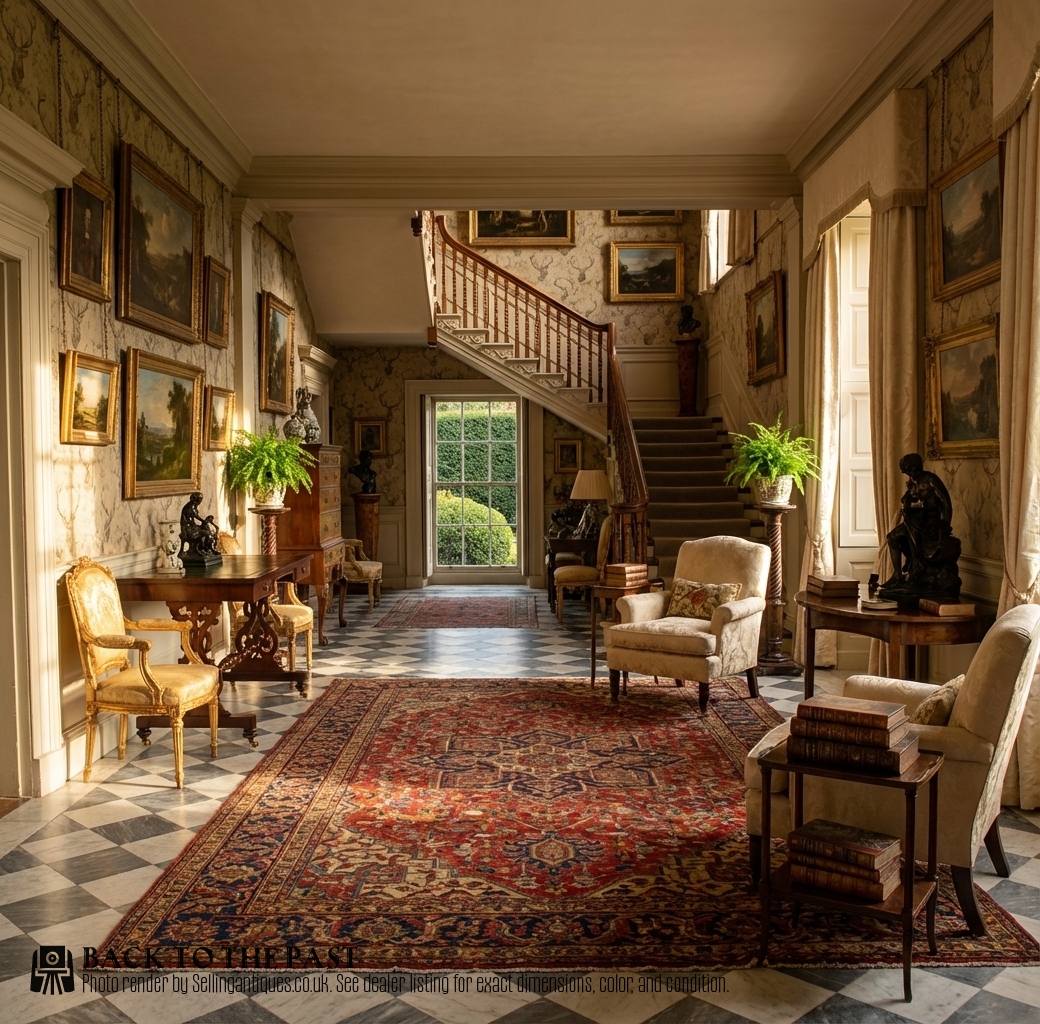
Victorian Fretwork Desk
A Victorian fretwork desk incorporates cut-out pierced decoration into its timber frame, drawing on revival styles from the nineteenth century. Buyers examine writing tables, Davenport forms, and related seating that share these decorative fretwork patterns.
The materials span mahogany, walnut, and rosewood, often paired with leather writing surfaces and brass hardware. Pieces emerge from periods including eighteen-eighty and eighteen-ninety alongside broader nineteenth century dates.
Alongside standard writing desks, the category encompasses console tables, sewing tables, and open armchairs in Chippendale and Anglo-Indian styles. These related forms demonstrate the same pierced detailing found on the desks.
Construction and Materials
Cabinetmakers worked primarily in dense hardwoods such as mahogany, rosewood, walnut, and burr walnut. These timbers provided the structural stability required for intricate pierced fretwork without splitting.
Secondary elements include inset leather writing panels and cast brass galleries or hardware. Joinery relied on traditional techniques suited to nineteenth century workshop production.
Listings feature mahogany, walnut, rosewood, and burr walnut across nineteenth century desk and seating forms.
Assessing Quality and Execution
The crispness of the pierced fretwork separates standard items from finer productions. Sharp internal angles and clean edges reveal the skill of the hand-piercing process.
Timber selection dictates visual weight and presence, with figured mahogany and burr walnut offering superior grain patterns. The integration of secondary materials like brass galleries and leather inserts completes the composition.
Edwards and Roberts
The Victorian Fretwork Desk Glossary
- Fretwork
- Ornamental perforated woodwork created by cutting patterns through thin timber. This technique defines the visual character of the category.
- Davenport
- A compact pedestal writing desk featuring a sloping lid and drawers opening to the side. It represents a specific nineteenth century form.
- Chippendale Revival
- A nineteenth century style drawing inspiration from eighteenth century designs by Thomas Chippendale. It frequently incorporates ornate fretwork and carved details.
- Brass Gallery
- A low decorative metal rail fitted around the top edge of a desk or table. It prevents small items from rolling off the surface.
Victorian Fretwork Desk: Frequently Asked Questions
What defines a Victorian fretwork desk?
These pieces combine standard nineteenth century writing surfaces with pierced decorative woodwork. They appear in mahogany and walnut.
Revival styles heavily influence the carved and cut-out details found across the framework.
How were these desks used?
Owners utilised them for correspondence, reading, and household administration in the Victorian home. Compact writing tables suited principal rooms and private libraries alike.
Fitted drawers and compartments kept stationery and personal papers organised during daily writing tasks.
How do I care for the timber?
Keep mahogany and rosewood pieces away from direct heat sources and strong sunlight to prevent timber shrinkage. Regular dusting with a dry cloth maintains the polished finish.
Condition leather writing surfaces gently using appropriate balms without saturating the surrounding wood joints.
How do I identify the period?
Examine the secondary timbers inside drawers and the construction methods used for the frame joints. Nineteenth century cabinetmaking displays specific hand-tool marks and traditional assembly.
Stylistic cues like Chippendale Revival motifs and brass galleries point directly to Victorian manufacturing dates.