


Victorian Collectable Box
These Victorian collectable boxes encompass desk accessories, snuff boxes, and small containers crafted in silver, wood, and horn for personal use and display.
Victorian Collectable Box
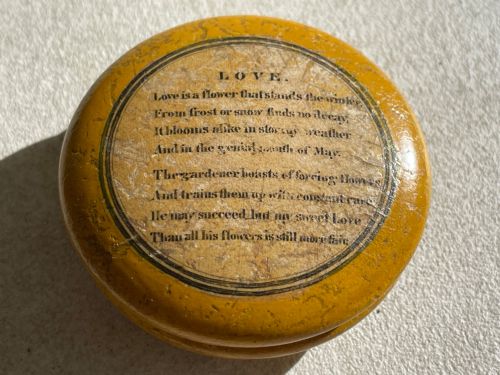
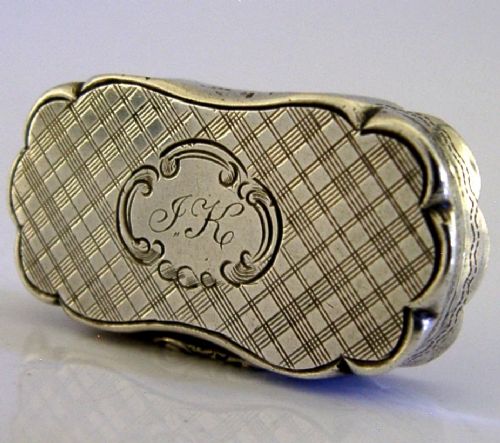
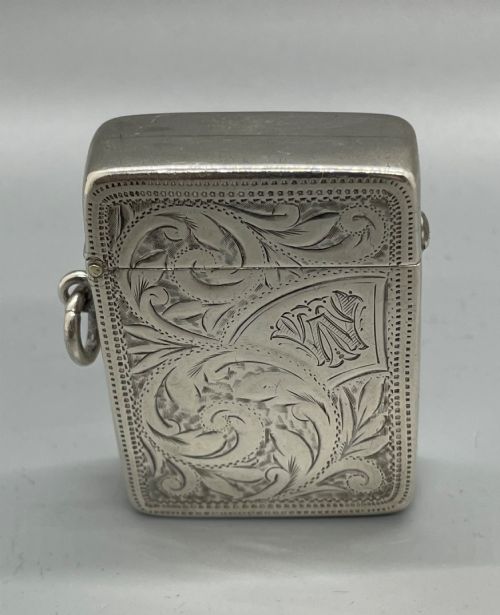
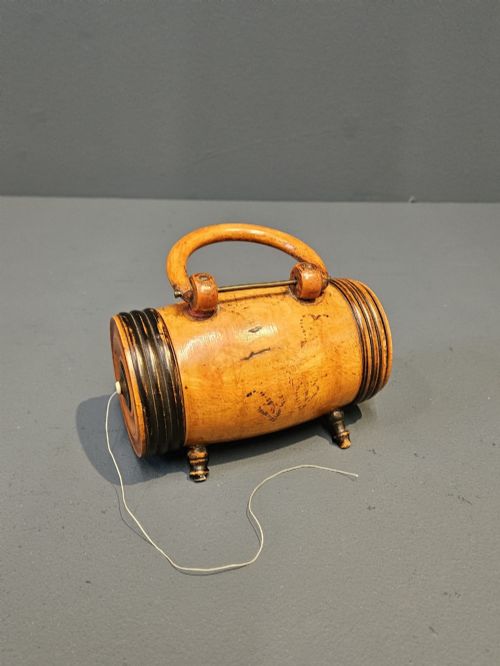
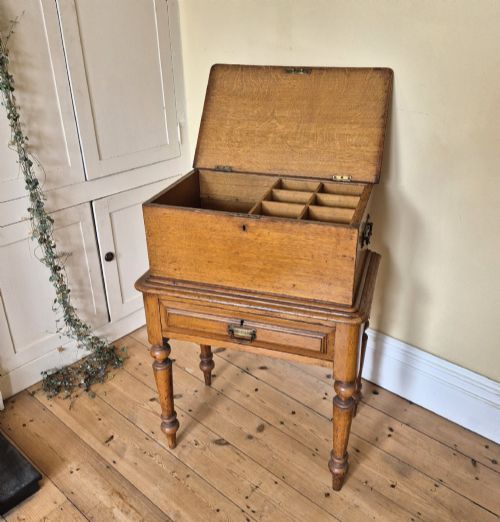
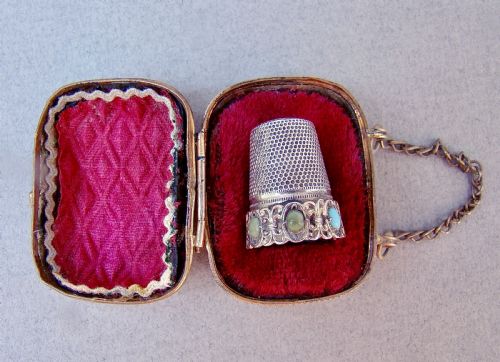
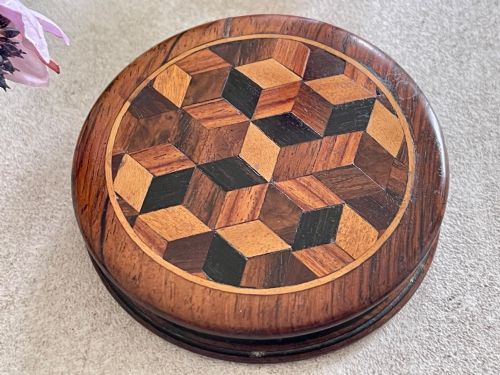
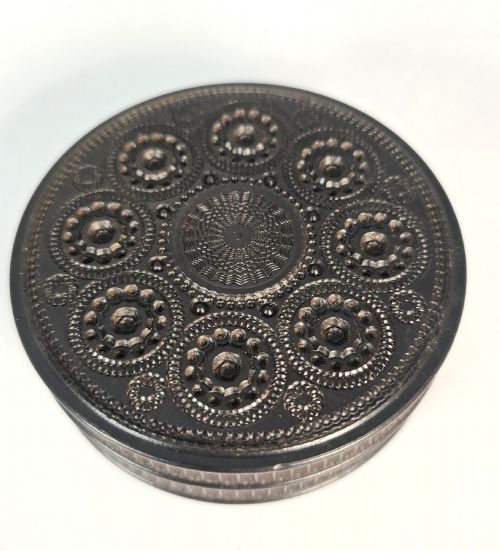
A victorian collectable box covers a diverse range of small receptacles designed for specific daily functions, from pocket-sized silver vesta cases and snuff boxes to larger desk accessories, string dispensers, and travelling inkwells. The pieces on this page span the 19th century, Victorian, Edwardian, and Georgian periods, incorporating regional styles such as Black Forest carving, Scottish traditional hornwork, and Tunbridge Ware.
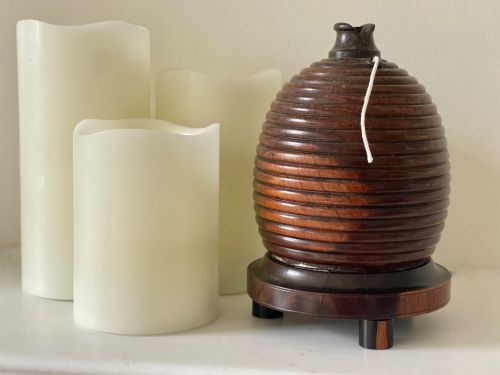
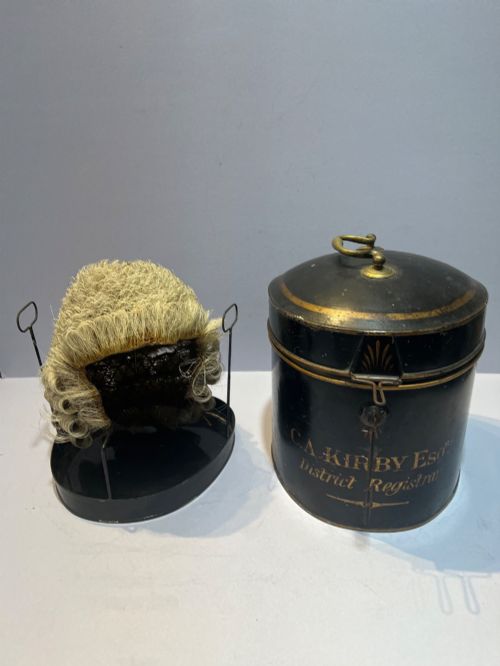
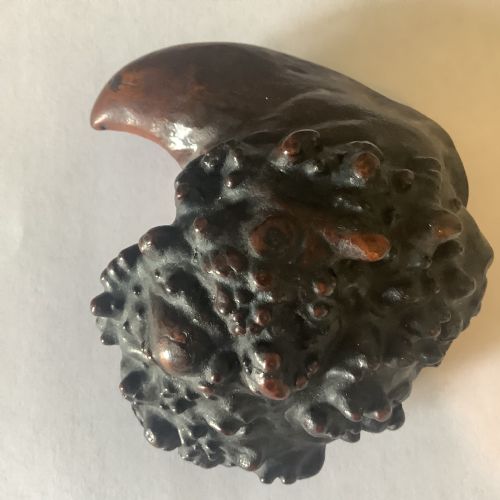
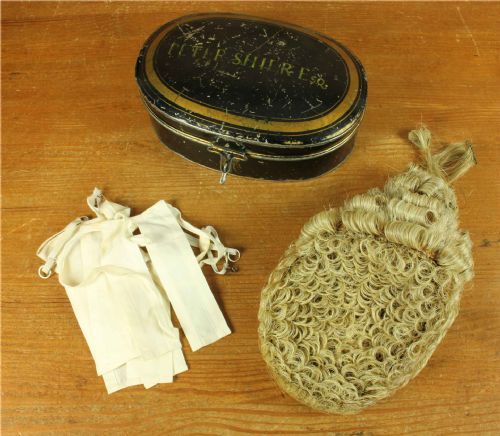
Buyers encounter numerous variations in form, including turned wood string barrels, coquilla nut and tortoiseshell containers, novelty pin cushions, and legal wig cases with accompanying tins. These items frequently reflect the occupations and pastimes of their original owners, ranging from railway administration and the legal profession to shooting and tobacco use.
Materials and Technique
The construction of these items relies heavily on traditional woodwork and metalworking techniques, utilising sterling silver, brass, gold, glass, velvet, and various timbers including fruitwood, boxwood, ebony, walnut, and burr walnut.
Specialised decorative methods define many pieces, seen in engine-turned ebony, inlaid Tunbridge Ware mosaics, detailed silver embossing and gilt work, horn carving, and intricate animal carvings characteristic of Black Forest work.
Victorian Collectable Box Retail Price Guide 2026
Typical asking prices for victorian collectable box among the pieces listed under this phrase on Sellingantiques today, from the lower quarter to the upper quarter. They describe what is for sale here now, not the wider market.
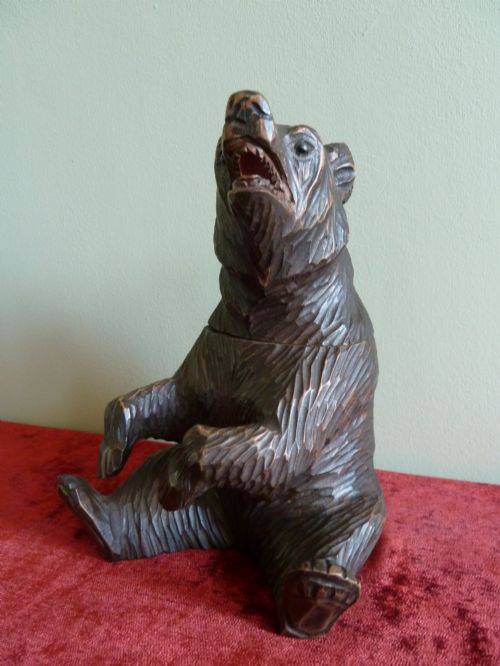
A carved wooden bear holds your tobacco, keeping watch over the desk with glass eyes.
Quality and Execution
Quality rests on the precision of the maker's hand, distinguishing between standard production pieces and those featuring exceptional carving, complex mechanical sliding mechanisms, or fine silver hallmarks.
The integrity of applied decoration, such as tight-fitting boxwood inlays, crisp engine-turning, and well-preserved internal velvet linings, separates ordinary utility containers from superior collector pieces.
HENRY MATTHEWS·Edward Smith·Eade & Son·Ravenscroft Law·Huntley & Palmers·Jaques
The Victorian Collectable Box Glossary
- Vesta case
- A small pocket container designed to hold matches, typically fitted with a striking surface on the base. Many examples from this era are fashioned in sterling silver with engraved or enamelled decoration.
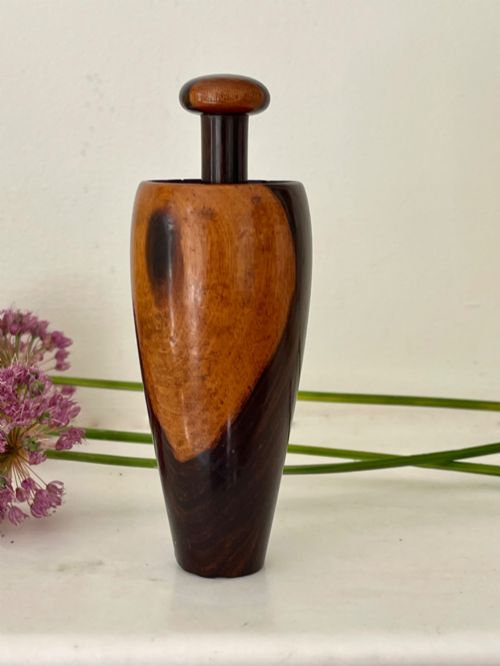
- Treen
- Small handmade wooden domestic objects produced from the 17th century onwards. Pieces include turned string barrels, nutmeg graters, and snuff mortars.
- Snuff mull
- A Scottish container for holding powdered tobacco, traditionally made from ram's horn mounted with silver hardware. The natural curve of the horn dictates the final shape of the receptacle.
- Tunbridge Ware
- Woodwork decorated with mosaic patterns created by gluing together tiny coloured wood blocks to form geometric or pictorial designs. This technique was principally centred in Kent during the 19th century.
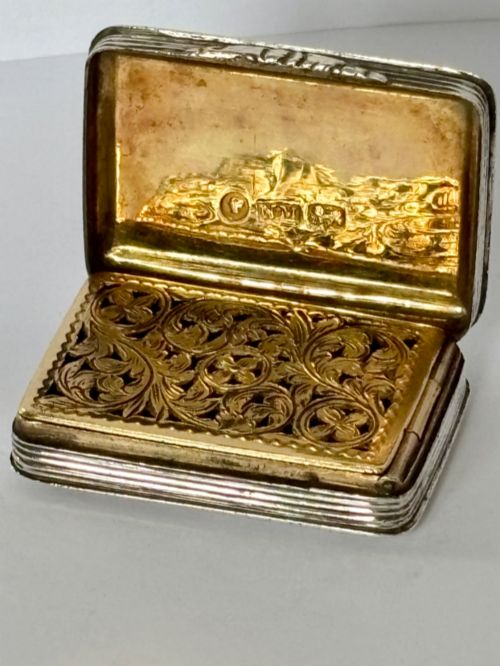
- Vinaigrette
- A small metal box containing a perforated inner grill, used to hold a sponge soaked in aromatic vinegar. These portable containers were carried for relief against unpleasant odours.
Victorian Collectable Box: Frequently Asked Questions
What is a treen box?
Treen items are small functional wooden objects made by hand or on a lathe, encompassing pieces like string barrels, nutmeg graters, and apothecary jars.
These objects were common in households and offices, shaped from dense timbers such as boxwood, fruitwood, and ebony.
How do I identify a vesta case?
A vesta case is a small pocket container built to store short matches, featuring a hinged lid and a serrated panel underneath for striking.
They appear in materials including sterling silver, brass, and carved wood, often carrying hallmarks or engraved monograms.
What are snuff mulls used for?
Snuff mulls served to hold dry powdered tobacco taken through the nose, a widespread social habit in the 18th and 19th centuries.
Scottish versions utilise ram's horn fitted with silver lids, hinges, and sometimes inset cairngorm stones.
How are Tunbridge Ware boxes decorated?
Tunbridge Ware decoration involves building intricate mosaic pictures or geometric borders from thousands of tiny tinted wood prisms.
Craftsmen applied these mosaic veneers to the exterior surfaces of small wooden boxes, tea caddies, and travelling inkwells.