




Victorian Classical Jug
A victorian classical jug brings ancient myth and antique form straight to the sideboard.
Victorian Classical Jug
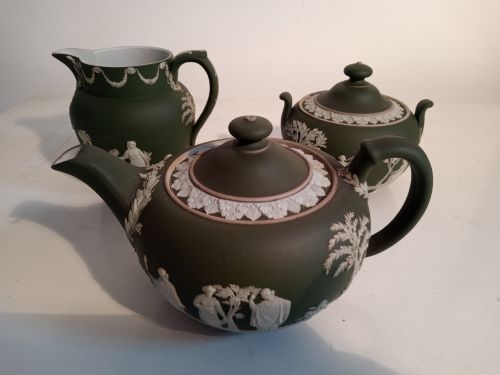
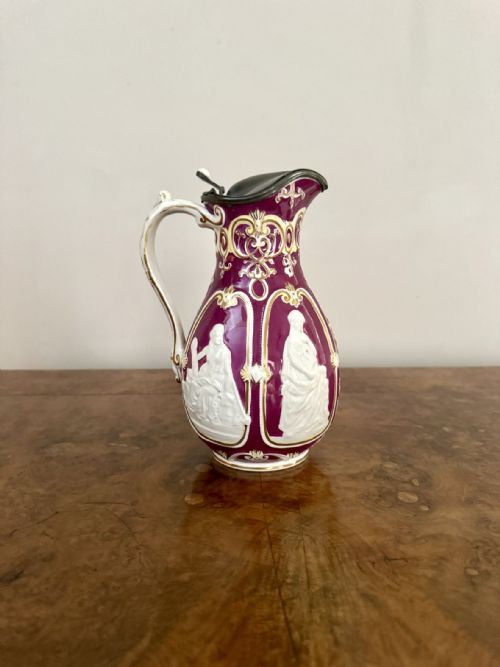
When you search for a victorian classical jug, you encounter robust serving vessels and decorative ewers drawing directly upon antiquity. The most common examples on this page are mid to late nineteenth century pieces taking the form of claret jugs, water pitchers, and monumental ewers.
These items borrow heavily from classical mythology, featuring relief-moulded scenes of bacchanalian revelry and graceful handles shaped like scrolling foliage. They bridge the gap between functional dining ware and sculptural table art.
Makers drew on diverse material palettes, producing everything from utilitarian stoneware to ornate electrotype silver and etched glass. Each piece reflects the intense nineteenth century fascination with Greek and Roman design.
How they were made
Potters utilised stoneware and porcelain, often employing press-moulding techniques to achieve crisp, high-relief classical scenes around the body. Earthenware examples frequently received lustrous glazes or transfer-printed decoration to mimic costlier materials.
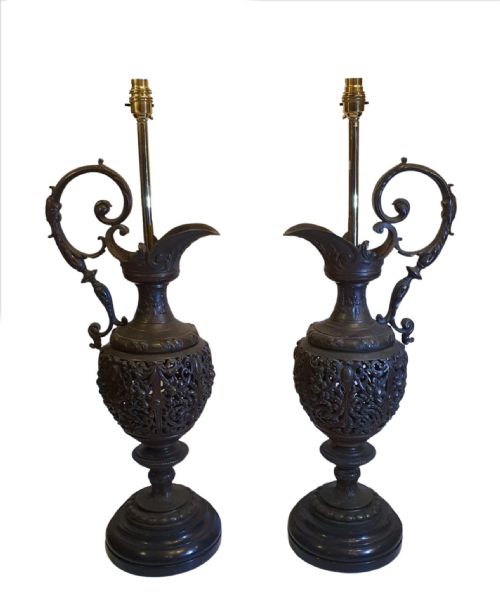
Metalworkers cast bronze and brass into classical ewer shapes, whilst silversmiths combined cut glass with elaborate silver-plated mounts. Electrotyping allowed workshops to replicate intricate sculptural detail with astonishing precision.
Several bronze ewers on this page enjoyed past lives converted into table lamps.
What varies in quality
The distinction between ordinary production and top-tier manufacture lies in the crispness of the modelling and the depth of the relief work. Superior jugs exhibit sharply defined classical figures and balanced proportions that command the eye.
Material execution dictates the upper tier, seen in heavier bronze castings, crisp electrotype plating, and deeply etched glass. Lesser examples rely on soft moulds and basic surface finishes that lack dimensional punch.
Henry Bourne·Charles Meigh·Elkington·Wedgwood·Royal Worcester
The Victorian Classical Jug Glossary
- Ewer
- A large jug with a wide spout and a shaped handle, typically used for decorative display rather than daily service.
- Electrotype
- A metal object produced by electrodepositing silver or copper onto a mould, creating fine sculptural detail.
- Relief-moulded
- A ceramic manufacturing method where decoration is pressed out in raised form from the body of the clay.
- Bacchanalian
- A decorative theme depicting drunken revelry inspired by Bacchus, the Roman god of wine and agriculture.
Victorian Classical Jug: Frequently Asked Questions
What were these jugs used for?
These vessels served practical dining functions, holding claret, wine, or water at the Victorian dinner table. Many were also made purely for display on sideboards or mantelpieces.
Larger decorative ewers were often paired with basins for washing hands or simply utilised as sculptural centrepieces in wealthy homes.
How do I clean a silver plated jug?
Clean silver-plated and brass pieces gently using a soft microfibre cloth and a mild, non-abrasive metal polish formulated for antiques. Avoid scrubbing raised relief areas aggressively.
Keep glass and ceramic bodies separate from harsh chemical dips to protect transfer prints, enamel work, and acid-etched details.
Are these pieces safe for daily use?
Most antique jugs function primarily as decorative art objects due to their age and delicate materials like silver plate, pewter, and soft earthenware.
Glass claret jugs and sturdy stoneware pitchers can still hold beverages, but hand washing is mandatory to preserve the historic surfaces.
How do I identify classical revival style?
Look for direct visual references to ancient Greece and Rome, including urn-shaped bodies, scroll handles, and figural friezes depicting mythological scenes.
Victorian makers combined these antique motifs with contemporary manufacturing methods like electrotyping and machine-etched glass.