




Victorian Circular Stand
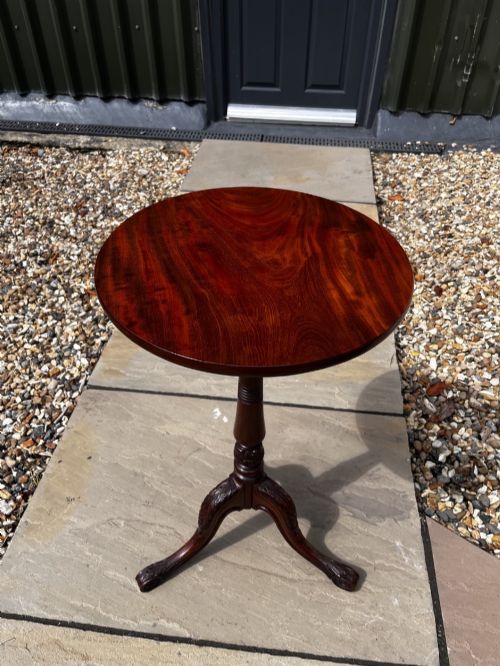
A victorian circular stand brings compact utility and focused form to a room, whether through a mahogany wine table, a brass umbrella holder, or a carved occasional piece.
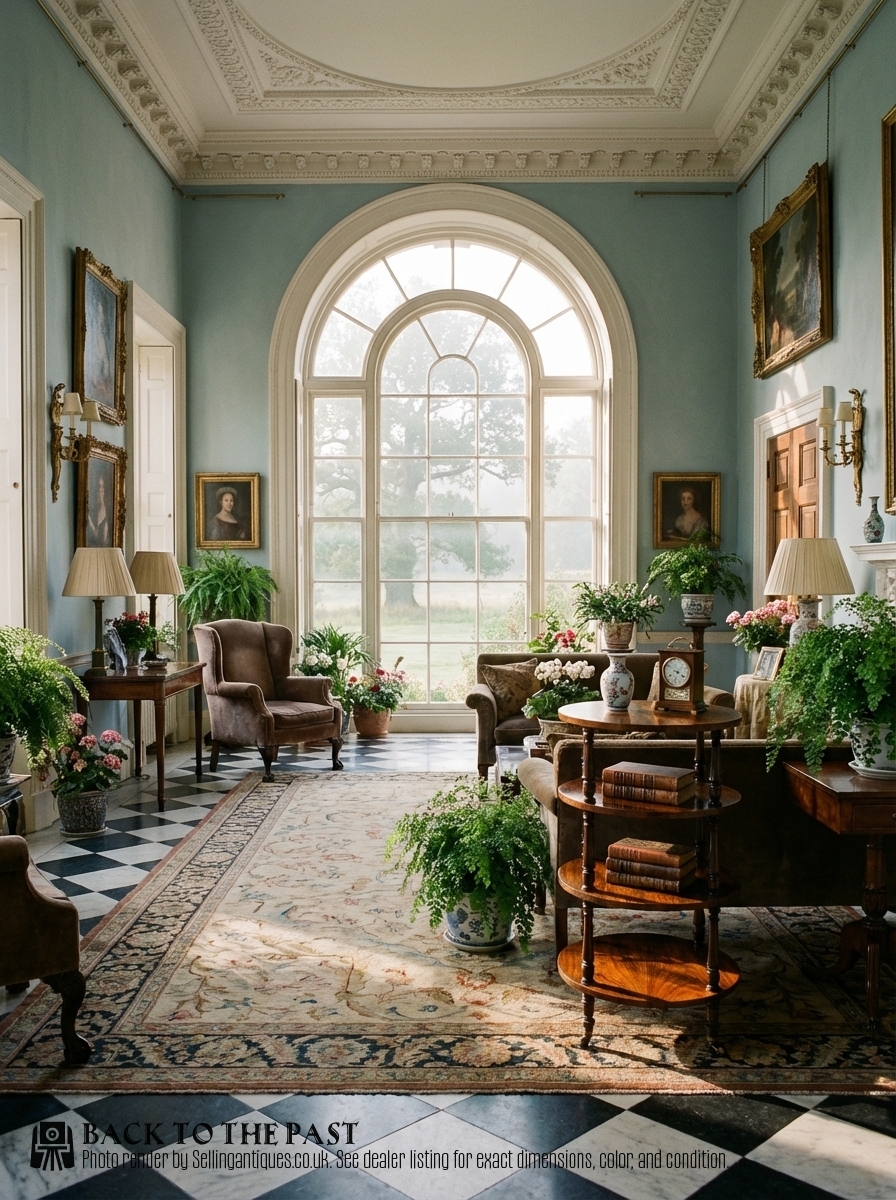
Victorian Circular Stand
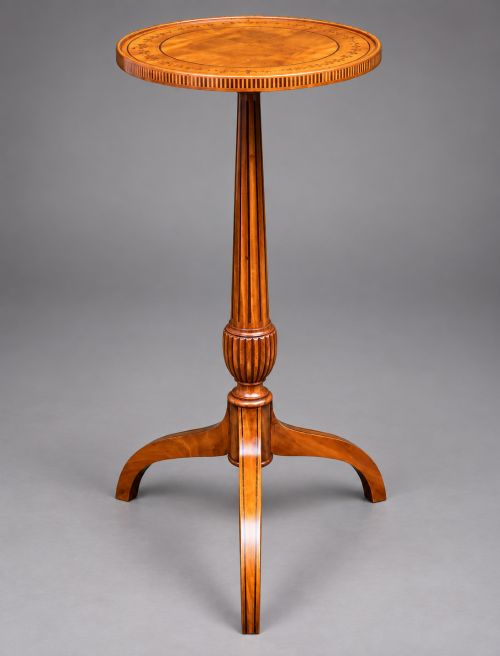
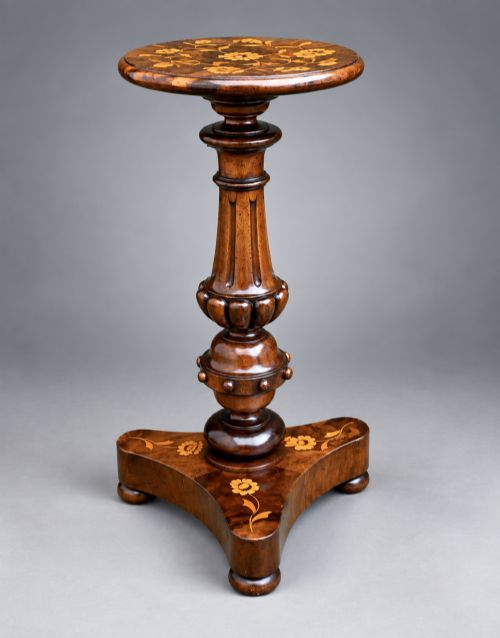
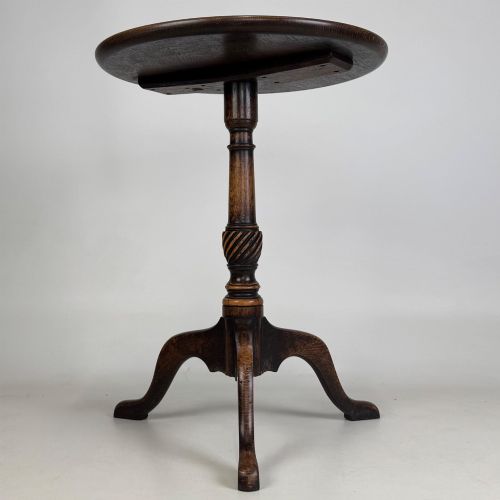
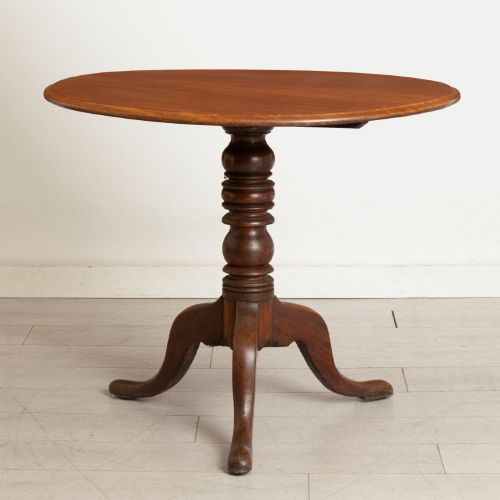
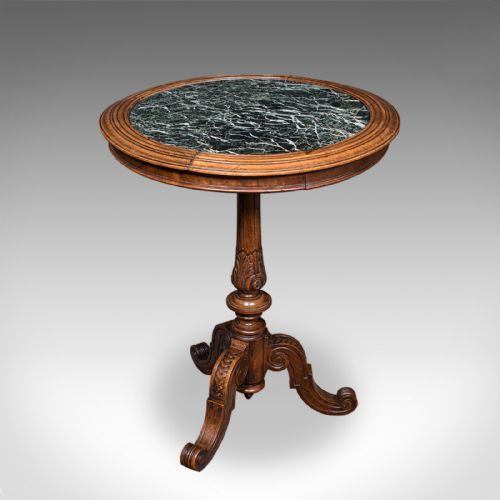
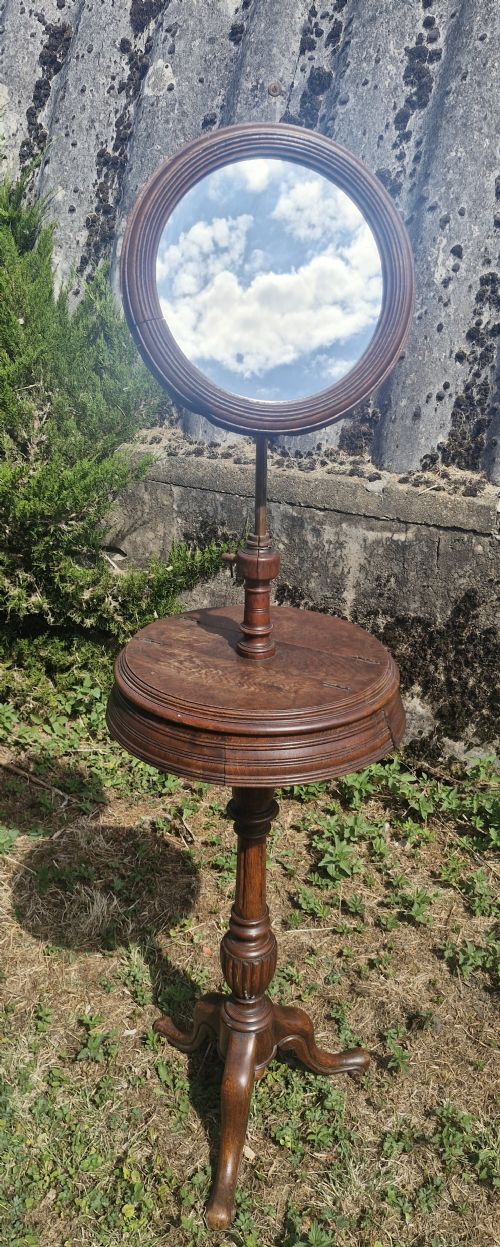
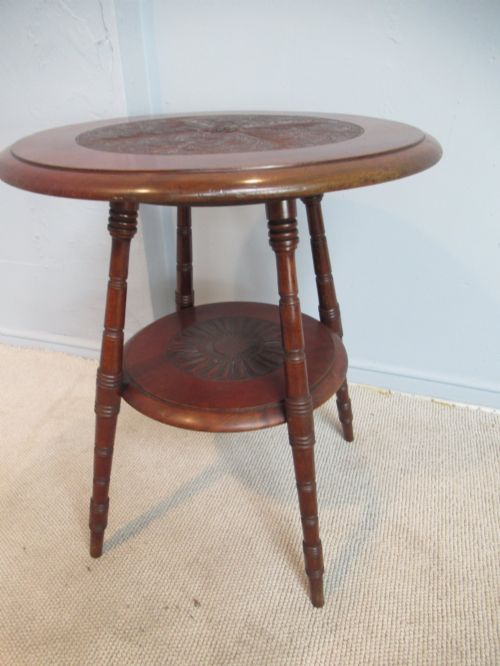
A victorian circular stand encompasses a diverse group of domestic furnishings built around a round footprint, originating primarily across the nineteenth century. The selection ranges widely in function, covering wine tables, lamp tables, shaving stands, umbrella holders, and plant pedestals.
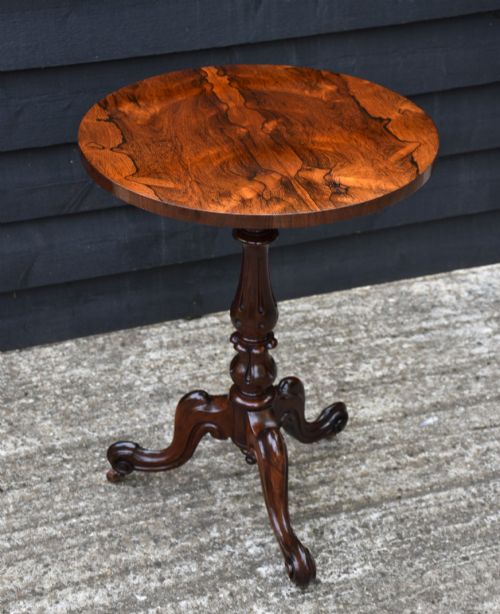
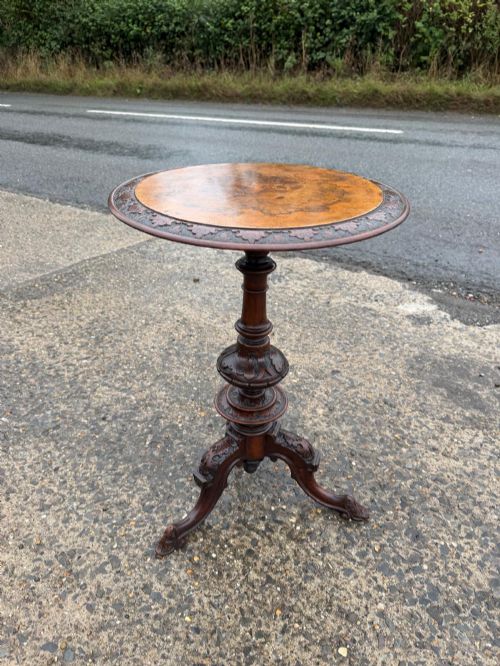
The most common forms encountered on this page are compact tripod occasional tables and heavy brass hall stands. Mahogany and rosewood dominate the smaller occasional tables, while cast iron and brass appear frequently in utilitarian umbrella and stick holders.
Makers and manufacturers produced these round items for specific domestic roles, from holding decanters beside a chair to supporting washbasins or display mirrors in a bedroom. The unifying characteristic remains the circular format, executed in timber, metal, or stone.
How they were made
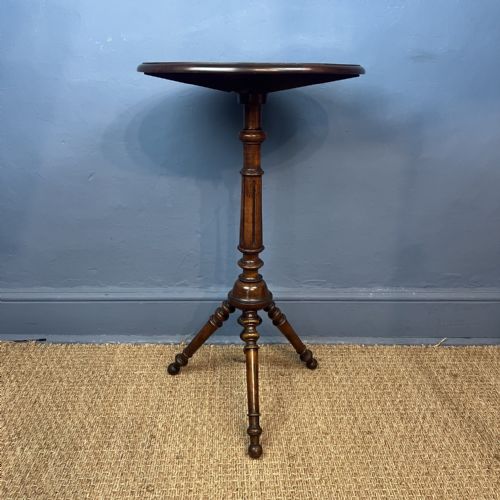
Cabinet makers utilised dense timbers such as mahogany, rosewood, oak, and walnut, frequently turning slender central pillars on a lathe to support a round top. Tripod bases provide stability for lighter occasional tables, while heavier dining and centre models rely on robust central pedestals.
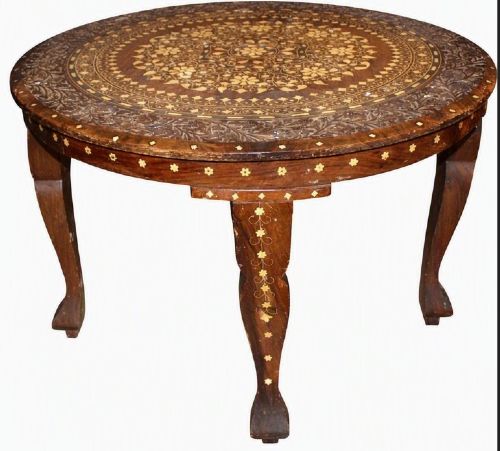
Metalworking techniques allowed workshops to cast iron, brass, and copper into utilitarian forms for umbrella stands and coal buckets. Decorative details often involved bone inlay, hand-painted surfaces, or brass fittings integrated into the timber construction.
Elephant motifs carved into occasional tables remind us that Victorian interior taste occasionally ventured far beyond the drawing room sofa.
What varies in quality
The distinction between ordinary utility items and superior examples lies in the selection of timber figures, such as burr wood or highly figured mahogany, and the crispness of carved details. Finer tables exhibit balanced proportions where the turning of the pedestal complements the grain of the round top.
Construction methods also separate grades of manufacture, visible in the stability of tripod joints and the original integration of brass or marble elements. Pieces retaining their original adjustable mirrors, basins, or weighty cast bases demonstrate higher integrity than those with altered components.
Liberty & Co·Thomas Rubergall·Elkington & Co
The Victorian Circular Stand Glossary
- Tripod table
- A small freestanding table supported by three legs radiating from a central pillar. This form allows the top to tilt on a catch in many nineteenth-century examples.
- Wine table
- A compact occasional table designed to hold a decanter and glasses near seating areas. These typically feature a raised dish top or smooth circular surface.
- Shaving stand
- A utilitarian item featuring an adjustable mirror mounted above a small stand or drawer. They often incorporate timber and brass mechanisms for height adjustment.
- Stick stand
- A hall furnishing constructed from brass, cast iron, or wood to hold umbrellas and walking sticks. Drip pans are usually integrated at the base to catch moisture.
- Gypsy table
- A lightweight occasional table with three slender legs, popular during the late nineteenth century. They frequently feature draped fabric or painted wooden tops in the aesthetic movement style.
Victorian Circular Stand: Frequently Asked Questions
What was a wine table used for?
A wine table served as a movable surface for holding decanters, glasses, and bottles close to guests during social gatherings in the parlour or dining room. Their compact round tops made them easy to reposition beside chairs.
Many examples feature raised edges or dished tops to prevent glassware from sliding off when the table was moved across carpeted floors.
How do I distinguish a lamp table from a wine table?
Lamp tables and wine tables share similar tripod forms and dimensions, making their historical use largely interchangeable depending on the domestic setting. Lamp tables often feature slightly broader or sturdier tops to support oil or early electric lighting.
In practice, nineteenth-century makers designed both to be versatile small tables that filled empty corners or sat beside upholstered seating.
Where were umbrella stands placed?
Umbrella and stick stands stood in entrance halls, vestibules, or corridors to receive wet walking gear upon entering the house. Their durable construction in brass, cast iron, or oak protected domestic interiors from moisture.
Open metal frameworks allowed damp canes to circulate air, while integrated base trays caught dripping water to safeguard floorboards.
How should I care for a mahogany occasional table?
Polishing timber surfaces with traditional beeswax helps maintain the natural sheen and moisture of nineteenth-century mahogany and rosewood. Avoiding direct sunlight prevents the rich reddish tones from fading over time.
Placing felt pads beneath heavy decorative objects on the circular top protects the polished finish from scratches and ring marks.