


Victorian Church Glass
Victorian church glass brings radiant ecclesiastical colour and historic Gothic Revival character into domestic interiors.
Victorian Church Glass
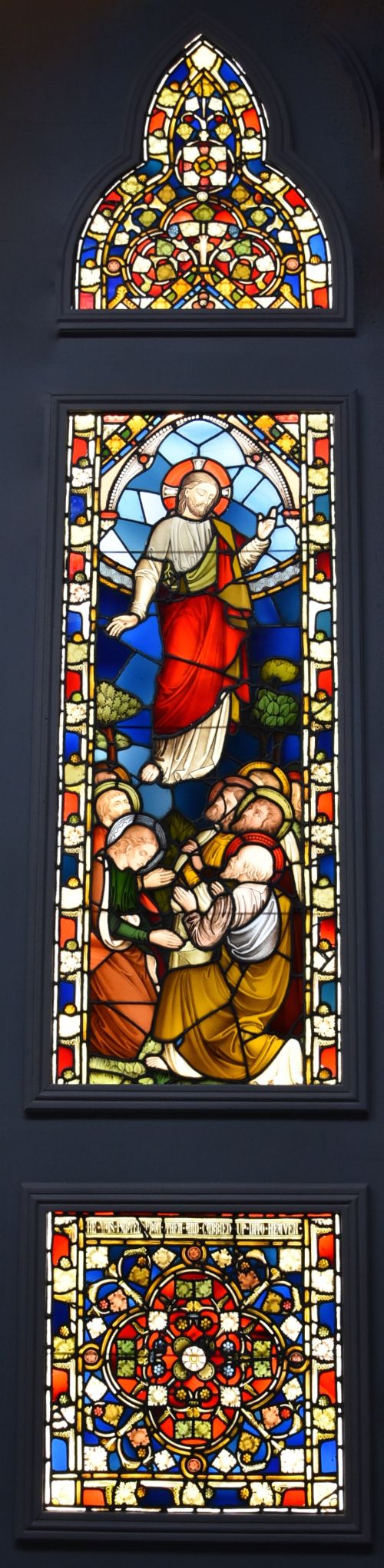
Victorian church glass encompasses stained glass windows, triptychs, panels, and leaded glass originating from the nineteenth century. These pieces display deep religious iconography and architectural forms shaped by Gothic Revival aesthetics.
Buyers seeking victorian church glass will most frequently encounter stained glass panels and windows featuring diamond panes, square panes, or hand-painted religious scenes. Pieces range from mid nineteenth-century examples to works from the late eighteen-nineties and nineteen-hundred.
Beyond traditional window glazing, the category extends to associated ecclesiastical items like bronze-cased glass bottles and architectural salvage. These elements reflect the broader material culture of nineteenth-century worship and church design.
How victorian church glass was made
Glaziers and artisans constructed these panels using coloured glass secured within strong networks of lead cames. Hand-painted details were frequently applied to the glass surface and fired to achieve permanent religious iconography and pictorial depth.
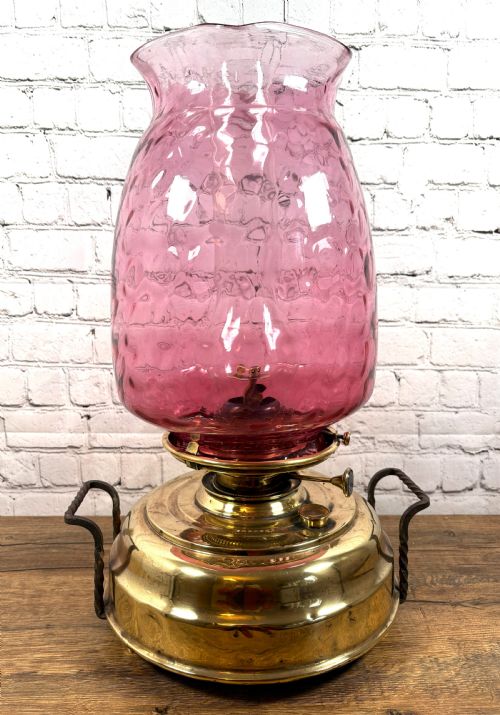
Larger architectural installations required robust framing in wood, iron, or brass to support the heavy weight of leaded glass windows. Supporting elements such as wall mirrors and oil lamps incorporated brass, bronze, and gilt brass to match the ecclesiastical aesthetic.
Early nineteenth-century pieces include a bronze-cased ecclesiastical glass bottle alongside pulpit oil heaters.
What varies in quality
The sophistication of the hand-painted religious imagery and the complexity of the glass composition distinguish standard glazing from exceptional artistic work. Finer panels demonstrate superior control of light transmission and richer coloration within the leaded design.
The integrity of the original lead work and the condition of the glass segments determine the structural merit of each window or panel. Architectural framing in materials like oak, brass, or iron also reflects the original tier of commission.
The Victorian Church Glass Glossary
- Stained glass
- Coloured glass used to form decorative or pictorial designs, typically set in lead grids for windows. This technique defines the visual core of nineteenth-century ecclesiastical decoration.
- Lead came
- Slender rods of cast lead with an H-shaped profile used to hold individual pieces of glass together in a window. The flexibility of lead allows complex geometric and pictorial patterns to take shape.
- Gothic Revival
- An architectural and artistic movement reviving medieval Gothic forms, prevalent throughout the nineteenth century. It heavily influenced church building, furnishings, and decorative glass.
- Triptych
- A picture or relief carving on three panels, typically hinged together side by side and used as an altarpiece. In glass, this refers to three related panels forming a unified composition.
- Ecclesiastical
- Relating to the Christian Church or its clergy. This term describes items created specifically for use within religious buildings.
Victorian Church Glass: Frequently Asked Questions
How do I hang a heavy church window?
Large glass panels and arch top windows require professional structural assessment to ensure wall fixings can safely bear the considerable weight of lead and glass.
Secure hanging involves custom iron brackets or dedicated weight-bearing channels rather than standard domestic picture hooks.
Can these windows be hung in modern homes?
These panels fit effectively against interior walls with backlighting or within existing window openings to capture natural daylight.
Positioning them away from direct weathering preserves the historic lead work while maximising the visual impact of the coloured glass.
What is the difference between diamond and square panes?
Diamond panes offer a traditional medieval aesthetic strongly associated with early Gothic Revival architecture and domestic vernacular design.
Square panes present a simpler geometric grid that often allows clearer visibility through the glass when integrated into modern domestic settings.