



Victorian Christian Wall Art
Victorian christian wall art brings sacred narrative and devotion into the home through oil painting, wood, paper and glass.
Victorian Christian Wall Art
When you search for victorian christian wall art, you encounter devotional objects produced during the nineteenth century, including oil paintings, framed texts and textile art. These pieces served to anchor domestic piety, placing biblical scenes and sacred verses directly onto parlour and bedroom walls.
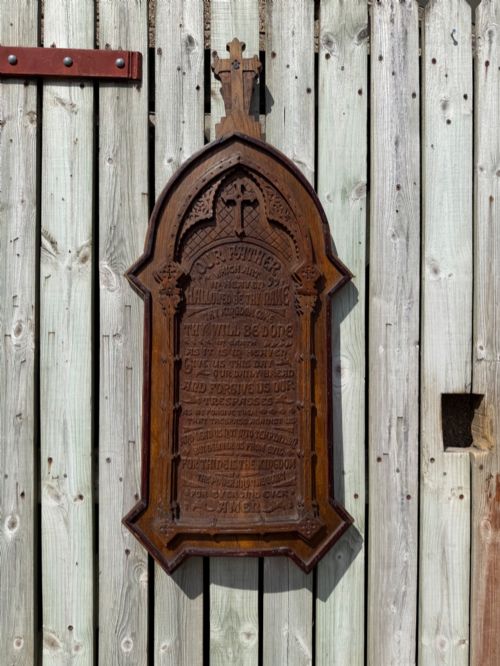
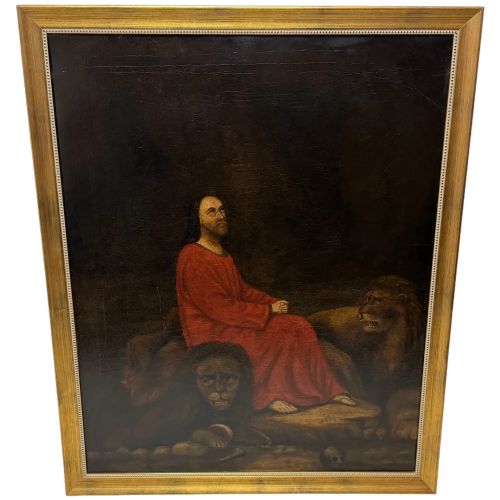
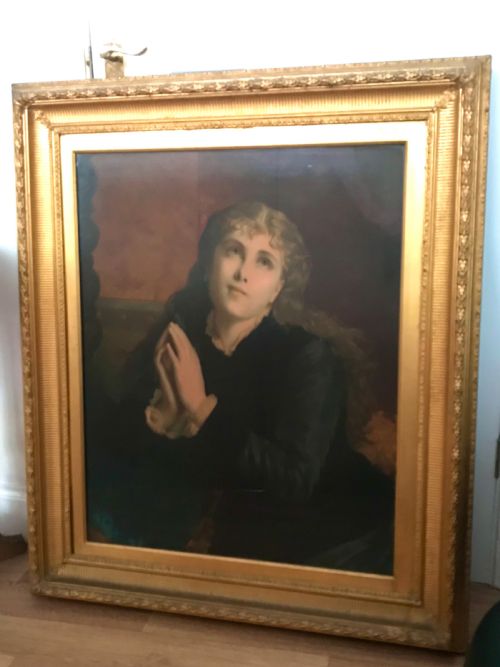
The versions most commonly met on this page span the nineteenth century and the year nineteen hundred, incorporating styles such as Victorian, Gothic Revival and religious folk art. Forms range from large narrative oil paintings depicting figures like Daniel and Mary Magdalene to smaller wall plaques and framed paper signs.
Makers and creators utilised diverse media to express faith, combining canvas, glass, oak frames and leaf gilding. Each object reflects the distinct visual language of Victorian piety, whether through hand-painted portraiture or printed script under glass.
How victorian christian wall art was made
Makers constructed these devotional pieces using traditional materials such as oak for heavy framing and glass to protect delicate paper signs and oleographs. Oil on canvas allowed artists to render deep narrative scenes with rich pigments, while mother of pearl and leaf gilding added reflective highlights to text-based wall plaques.
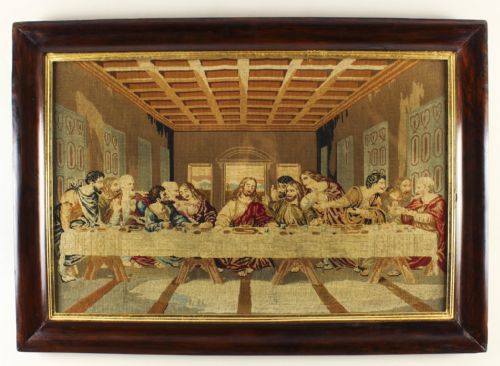
Textile works such as tapestry employed woven techniques to depict complex sacred subjects like the Last Supper, requiring careful mounting to secure the fabric. Paper prints and oleographs relied on mechanical or lithographic reproduction before being housed in glazed wooden surrounds.
Listings feature nineteenth-century and nineteen hundred periods, utilising oil on canvas, glass, oak, paper and leaf gilding.
What varies in quality
The upper tier of these devotional pieces displays superior artistic execution, particularly in oil paintings where handling of anatomy, expression and light elevates the narrative drama. Lesser examples rely on standard reproduction prints or simpler folk art execution with basic materials.
Framing and secondary materials also distinguish the range, as solid oak surrounds and applied decorative elements like mother of pearl indicate greater workshop investment than plain softwood or later replacement frames. The integration of protective glass and original backing materials preserves the integrity of paper signs and canvas works over time.
The Victorian Christian Wall Art Glossary
- Oleograph
- A mechanical print on canvas that simulates an oil painting through textured varnishing and ink application. This technique allowed Victorian households to display affordable devotional portraits.
- Gothic Revival
- An architectural and decorative style that revived medieval forms, frequently seen in pointed arches and religious motifs. This aesthetic heavily influenced nineteenth-century ecclesiastical decoration.
- Shadowbox
- A deep, glass-fronted framed box designed to protect and display three-dimensional devotional objects or layered textiles. It creates a distinct spatial depth for sacred displays.
- Veil of Veronica
- A traditional Christian image depicting the face of Jesus miraculously impressed upon a cloth. It appears as a subject in nineteenth-century religious portraiture.
Victorian Christian Wall Art: Frequently Asked Questions
What periods do these pieces date from?
The listings span the nineteenth century, including specific dates around nineteen hundred and the broader Victorian era. Makers produced these devotional items to serve domestic worship during times of strong religious observance.
Styles range from formal academic oil painting to simpler religious folk art and Gothic Revival design. This variety reflects the different social strata and aesthetic preferences of Victorian households.
How were these wall items displayed?
Victorian households hung these pieces in prominent rooms to inspire daily prayer and moral reflection. Heavy oak frames and glazed shadowboxes protected the delicate paper, canvas and textile surfaces from domestic soot and moisture.
Many incorporated sacred texts or narrative scenes intended to prompt contemplation from family members and visitors alike. The scale varied from large oil paintings to intimate wall plaques.
What materials are most common?
Wood, glass, canvas and paper form the primary physical components of these devotional works. Oak provided sturdy framing, while glass safeguarded paper signs and oleographs against atmospheric wear.
Artists also employed leaf gilding and mother of pearl inlay to highlight text and draw the eye toward sacred inscriptions. Textiles such as tapestry represent another distinct material approach.
How do I identify religious folk art?
Religious folk art typically displays a more direct, unacademic hand than academic oil painting, often executed by lesser-known makers or local workshops. These pieces prioritize clear devotional messaging over strict academic proportion.
Materials in folk art can include simpler paper signs, mounted textiles or repurposed wooden plaques. They offer a direct window into domestic popular piety.