


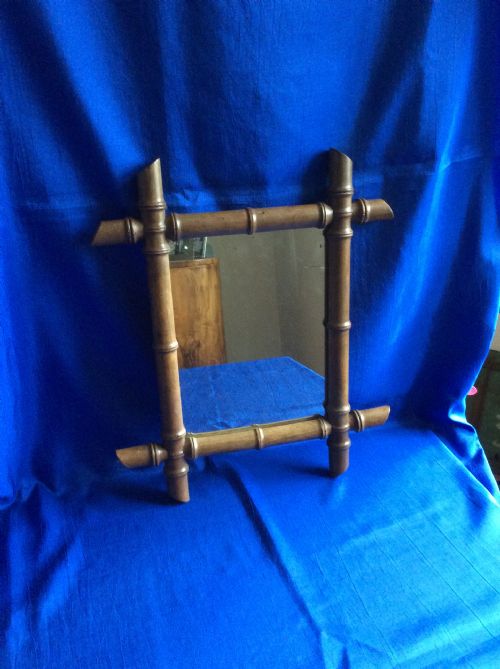
Victorian Chinoiserie Mirror
These victorian chinoiserie mirror pieces bring orientalist lacquer and carved frames into nineteenth century interiors.
Victorian Chinoiserie Mirror
A victorian chinoiserie mirror combines nineteenth century framing with decorative motifs drawn from East Asian design. Buyers look to this page for wall mirrors, overmantel mirrors, and dressing table mirrors that introduce patterned lacquer or carved detail into a room.
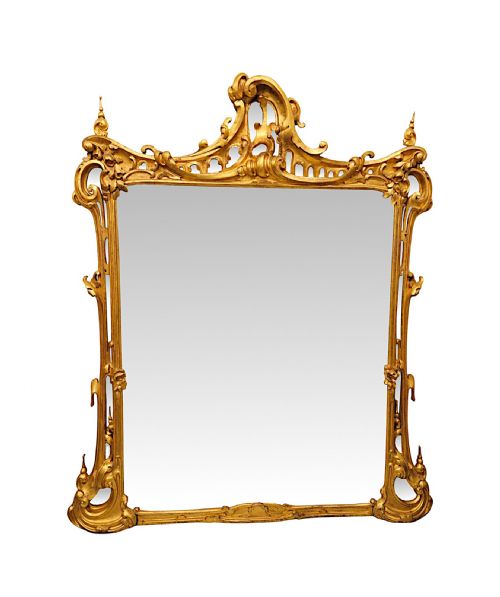
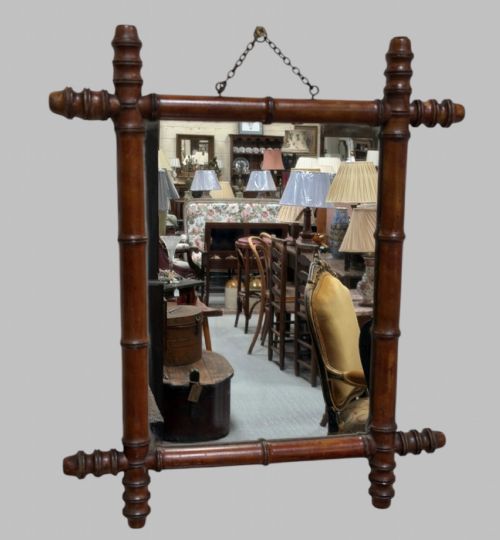
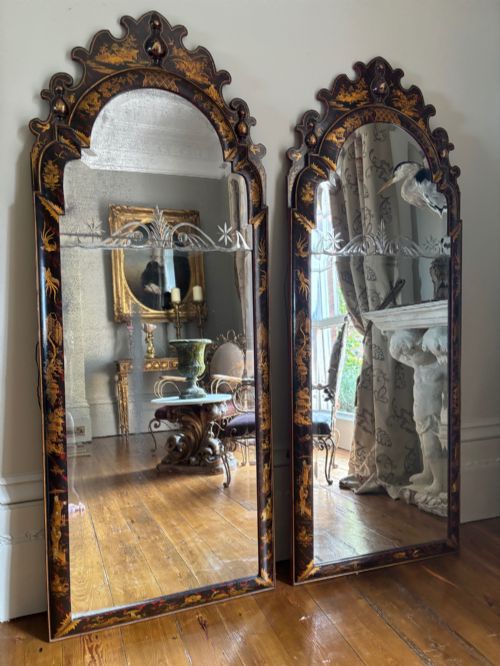
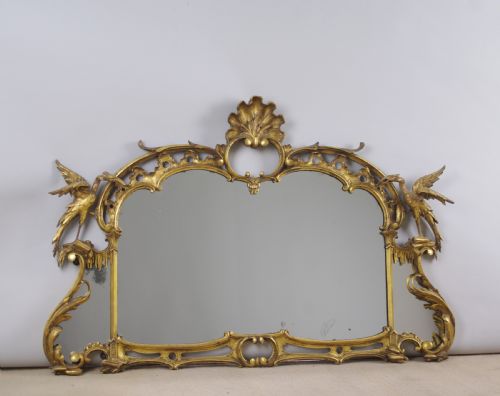
The pieces appearing on this page span the nineteenth century and the early twentieth century, taking forms such as Chinese Chippendale style overmantels, faux bamboo frames, and ebonised wall mirrors. Pairs of girandoles and hall stands with integrated mirror glass also emerge within the selection.
Materials and construction
Makers constructed these frames from wood, beech, and carved timber, applying giltwood and black lacquer finishes to achieve the desired aesthetic. Faux bamboo elements utilise shaped wood to mimic natural cane.
Reflecting surfaces consist of glass and mirror glass, set into carved wood or gilt frames. Japanned decoration and ebonised treatments provide the characteristic surface pattern.
Materials recorded across the available inventory range from basic wood and metal to giltwood, ebonised surfaces, and mirror glass.
Quality and execution
Quality rests in the depth of the wood carving and the precision of the applied lacquer or gilding. Hand-carved details on giltwood and Chinese Chippendale style frames show greater sculptural confidence than simpler moulded versions.
The preservation of the original mirror glass and the integrity of the japanned surface determine the standing of an individual piece. Finer examples maintain crisp decoration across the frame without excessive wear to the underlying material.
Gabriel Viardot
The Victorian Chinoiserie Mirror Glossary
- Chinoiserie
- European interpretation of Chinese and East Asian artistic traditions, popular in furniture and decorative arts. This style employs motifs such as pagodas, figures, and landscapes.
- Japanned
- A type of European varnish finish that imitates Japanese lacquer work. It typically involves dark backgrounds decorated with raised metallic motifs.
- Giltwood
- Wood that has been coated with gold leaf or a gold-coloured substance. This finish appears frequently on elaborate nineteenth century frames.
- Faux bamboo
- Wood turned and carved to resemble natural bamboo stalks. It surfaces often in nineteenth century French and English frames.
- Girandole
- An ornamental bracket candlestick with a backplate containing a mirror. These pieces reflect candlelight into the room.
Victorian Chinoiserie Mirror: Frequently Asked Questions
How do I hang a heavy overmantel mirror?
These large frames require secure fixings into structural wall studs or masonry to support the substantial weight of the timber and glass.
Professional mirror hangers utilise heavy-duty brackets distributed evenly across the frame to ensure stability.
Where should I place a hall stand mirror?
Hall stands featuring integrated mirror glass suit entranceways and corridors where they reflect light and provide a final check before departure.
Positioning them opposite a light source maximises the illumination in narrower spaces.
What is the difference between faux bamboo and real bamboo?
Faux bamboo frames are carved from solid woods like beech to imitate the segmented joints of natural cane. This technique offered greater structural strength for supporting heavy mirror glass.
Natural bamboo can split over time, whereas turned wood maintains its stability within a domestic interior.
How do I care for ebonised wood?
Ebonised surfaces require dusting with a soft, dry cloth to prevent the accumulation of particles on the dark finish. Avoid abrasive cleaners that can dull the polished appearance.
Keeping the piece away from direct sunlight protects the blackened wood and any underlying decoration from fading.