



Victorian Childs Armchair
A victorian childs armchair is a miniature seat built for youth, combining domestic utility with period cabinet-making skill.
Materials and construction methods
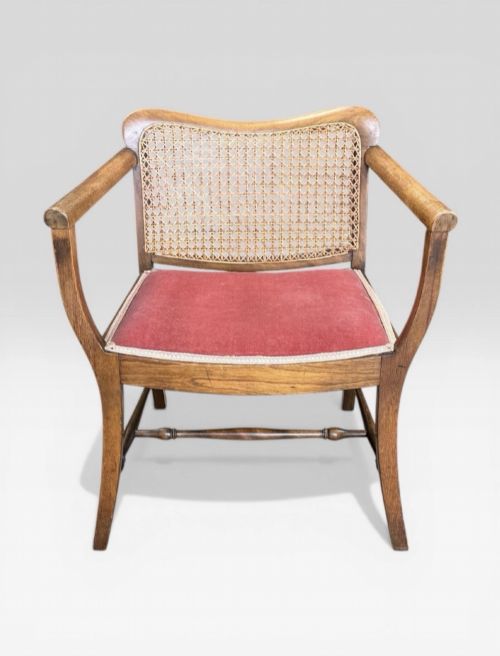
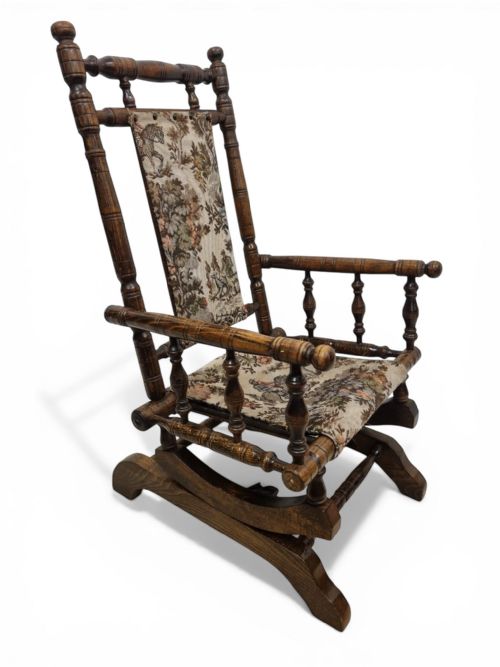
Cabinet-makers and country joiners utilised native timbers such as elm, ash, oak, yew, beech, and mahogany. These woods were turned on lathes for spindles and carved for arm rests or crest rails.
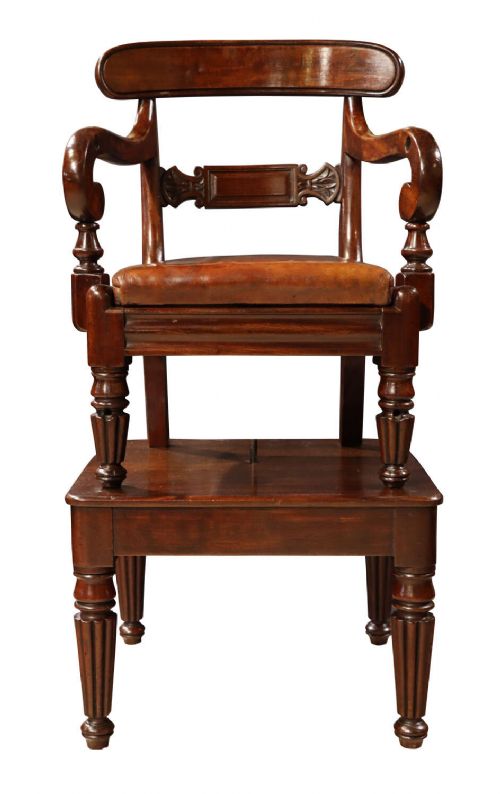
Joinery methods included Windsor construction with bodged seats, alongside framed mahogany and cane or tapestry upholstery. Brass fittings occasionally appear on reclining or metamorphic designs.
Assessing quality and craftsmanship
Quality rests in the choice of timber and the precision of the turning and joinery. Finer pieces display figured yew wood, intricate bobbin turning, or cane work rather than plain softwood replacements.
Proportion and structural integrity separate standard utility seating from high-status examples such as bergere chairs or metamorphic high chairs.
Victorian Childs Armchair Retail Price Guide 2026
Typical asking prices for victorian childs armchair among the pieces listed under this phrase on Sellingantiques today, from the lower quarter to the upper quarter. They describe what is for sale here now, not the wider market.
Some nineteenth-century makers scaled down full-sized library and reclining forms so toddlers could nap in matching adult luxury.
James Shoolbred
The Victorian Childs Armchair Glossary
- Windsor
- A chair built with a solid wooden seat into which the legs, back spindles, and bow are separately bored and wedged. This technique creates a sturdy structure typical of vernacular country seating.
- Bergere
- An enclosed armchair with cane webbing panels set into the back and sides. The style provides a lighter aesthetic found in refined parlour seating.
- Metamorphic
- Furniture designed to transform from one functional form into another, such as a high chair converting into a low rocking chair. These pieces demonstrate clever mechanical joinery.
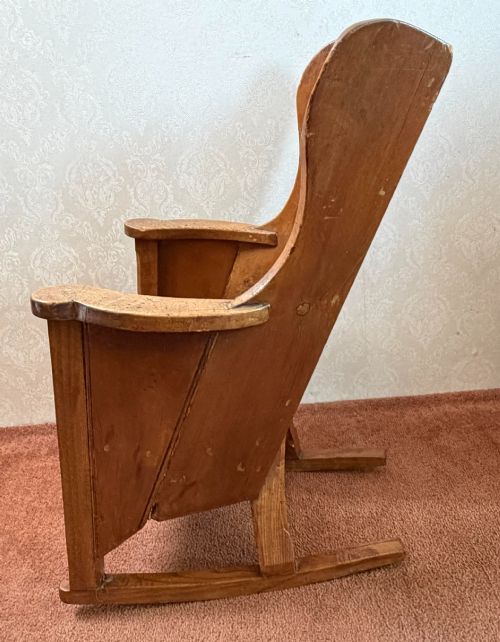
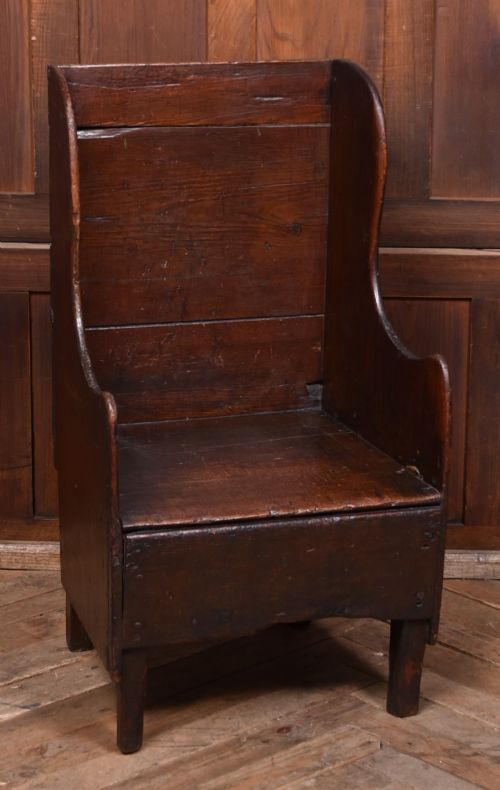
- Lambing chair
- A low-backed fireside seat with solid side wings to block drafts. Miniature versions offer enclosed seating for children.
Victorian Childs Armchair: Frequently Asked Questions
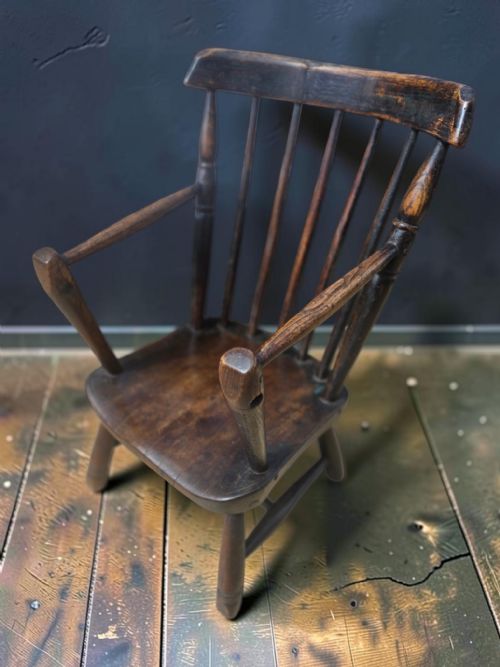
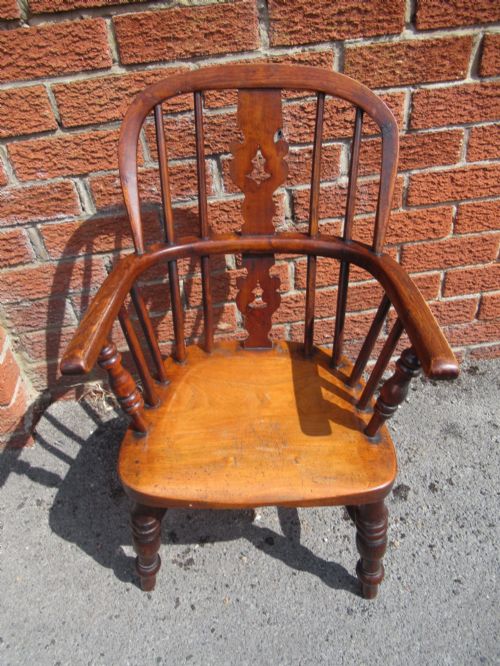
How do I identify a Windsor childs chair?
A Windsor childs chair has turned legs and spindle backs fitted directly into a thick wooden seat base, often shaped from elm or ash.
They range from simple hoopback forms to yew wood armchairs made by regional country makers.
Were these chairs used in nurseries?
These miniature seats served domestic nurseries, parlours, and dining rooms for feeding and daily play during the Victorian period and earlier.
High chairs raised the child to table height, while rocking chairs offered soothing motion.
What woods were used for these chairs?
Craftspeople utilised native British timbers including elm, ash, oak, beech, and yew, alongside imported mahogany for formal urban pieces.
Combinations of ash and elm frequently appear in country vernacular Windsor and rocking chairs.