
Victorian Child Portrait Art
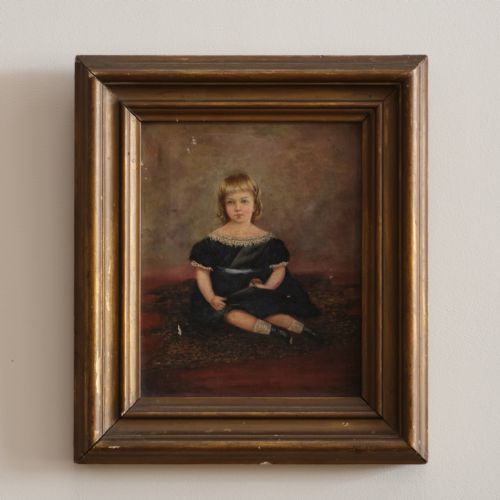
When you search for victorian child portrait art, you encounter historical depictions capturing youth through oil, watercolour, pastel, and silhouette.
Victorian Child Portrait Art
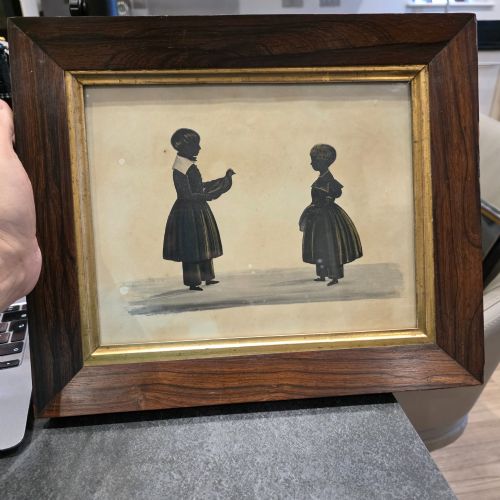
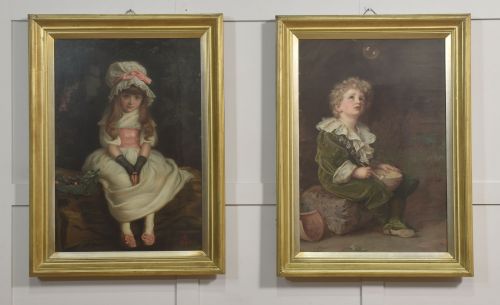
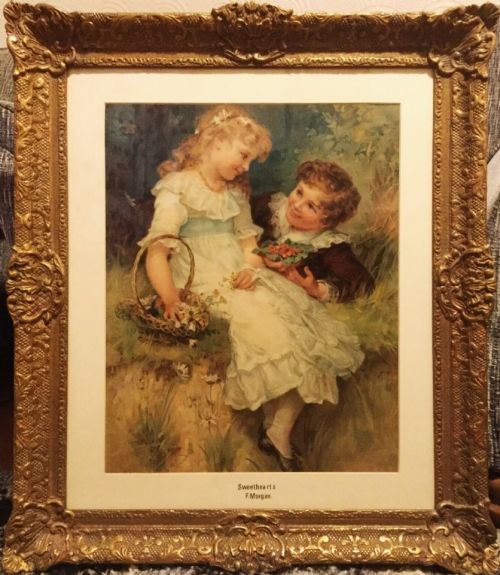
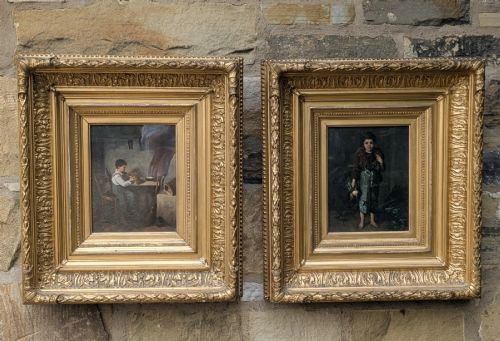
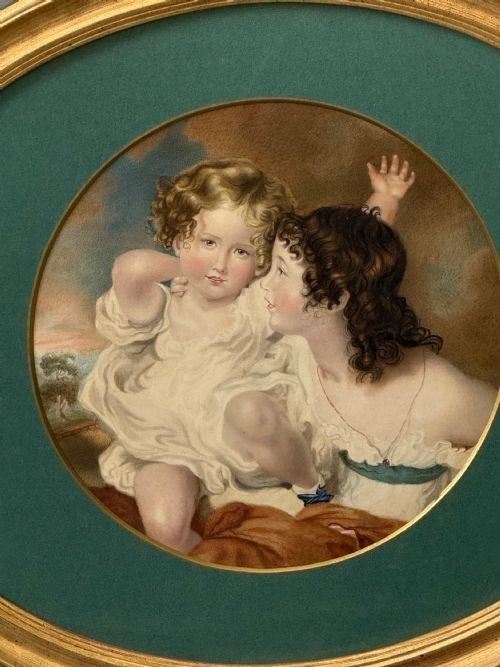
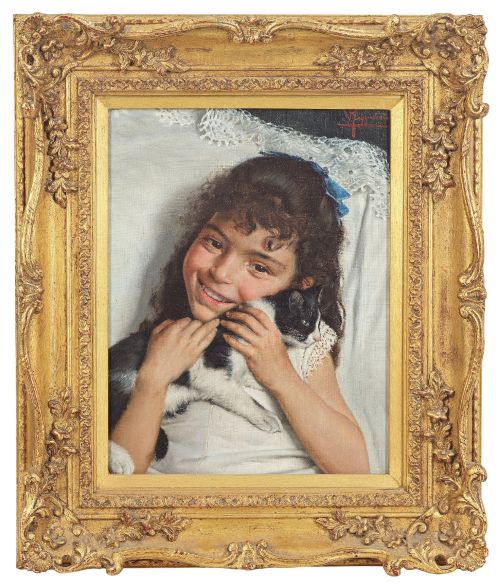
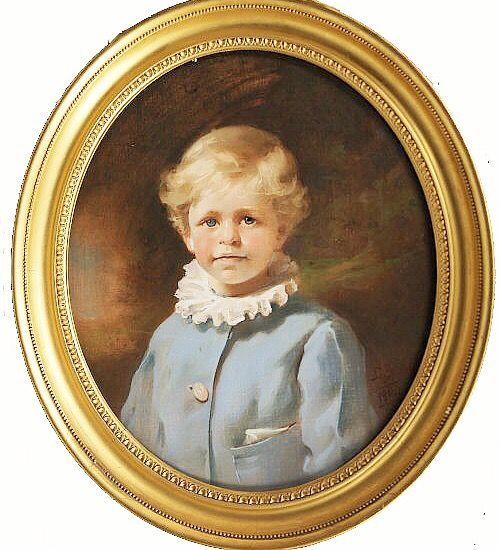
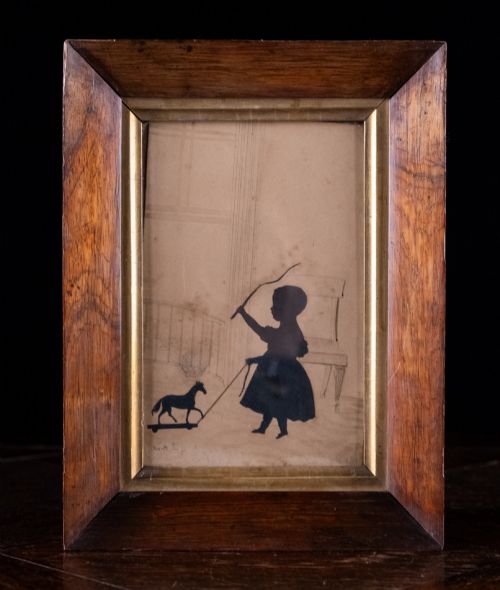
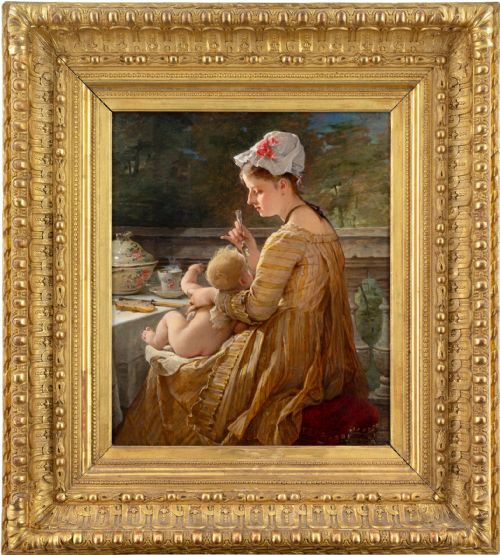
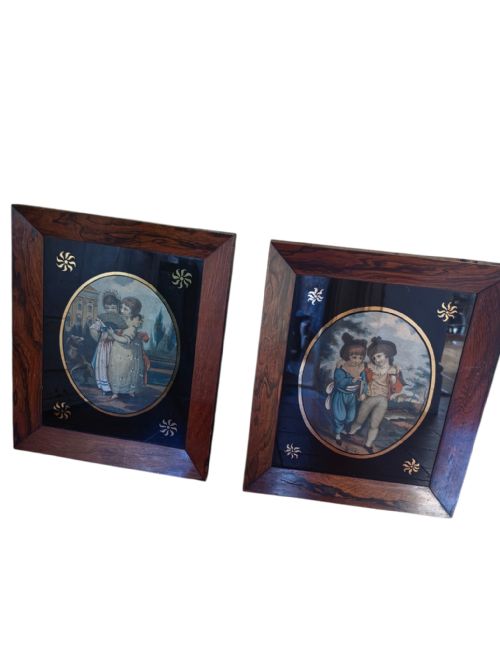
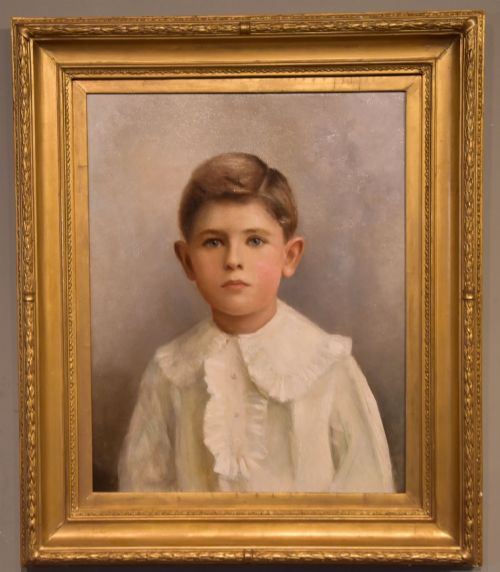
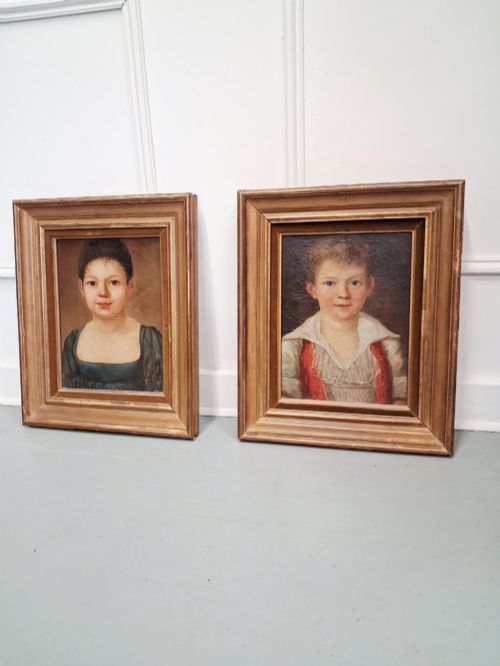
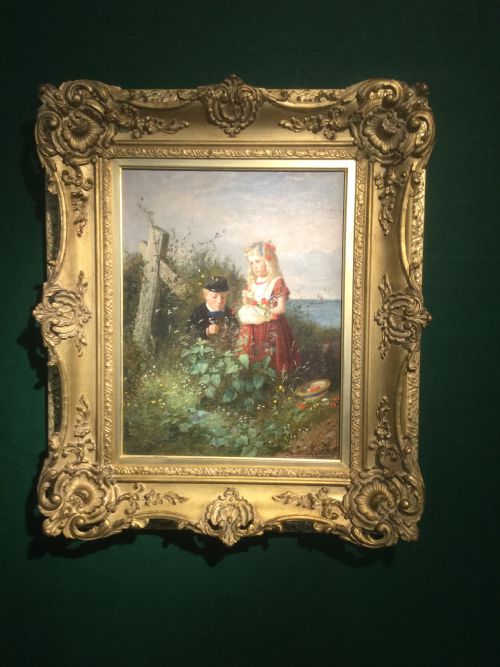
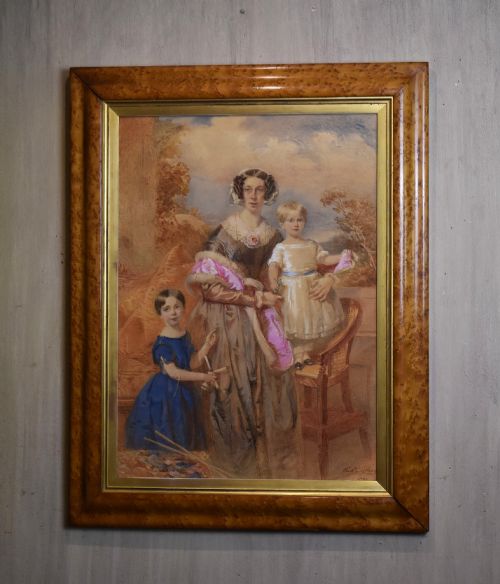
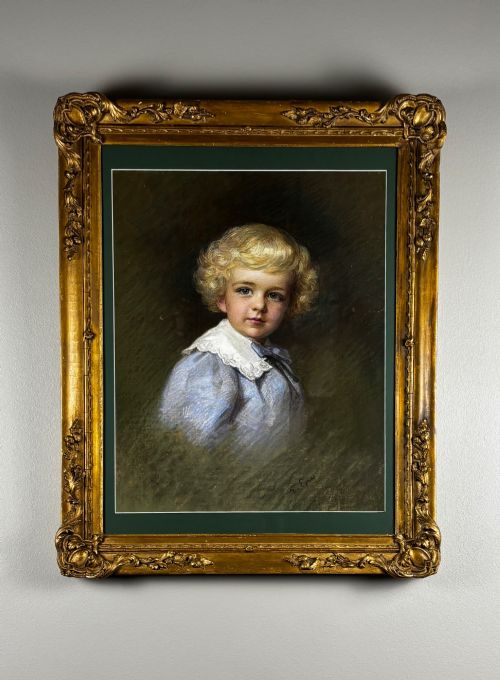
Victorian child portrait art encompasses paintings, watercolours, pastels, miniatures, and silhouettes depicting young subjects from the nineteenth century and related periods.
The most frequent examples found here include oil on canvas works and framed watercolours, alongside silhouettes and early prints.
These pieces range from formal academic commissions to naive folk art interpretations showing children alone or with animals and family members.
How they were made
Artists applied oil paint to canvas or created delicate watercolours and pastels on paper, often incorporating protective glass.
Many works reside in period frames constructed from wood, rosewood, burr maple, or gilded materials including giltwood.
Young subjects are occasionally accompanied by pets, birds, ponies, or new toys.
What varies in quality
The standard of execution differs between accomplished academic realism and simpler folk art or naive rendering.
Materials and framing choices vary, from standard wooden surrounds to detailed ebonised frames and gilded mouldings.
Vittorio Reggianini·Leon Sprinck·Augustin Edouart·Adelaïde Salles-Wagner·Henry Windsor Fry·Charles Hunt·Frederick Tatham·Emily Eyres·George Bernard O'Neill·Helena Maguire·William Egley·John Alfred Wheeler·Alfred Darbyshire·Josiah Gilbert
The Victorian Child Portrait Art Glossary
- Silhouette
- A dark profile image cut from paper or painted against a pale background, often showing head and shoulders.
- Naïve art
- Artwork produced by self-taught or non-professional artists, characterised by a simple perspective and direct expression.
- Miniature portrait
- A small-scale painting executed with fine detail, frequently housed in a small frame or brooch.
- Pastel
- A dry medium of powdered pigment used to create soft-toned portraits on paper or canvas.
Victorian Child Portrait Art: Frequently Asked Questions
What periods do these portraits cover?
The pieces span the nineteenth century, including the Victorian era, alongside related examples from the early twentieth century.
Some works reflect earlier Regency aesthetics or later impressionist approaches.
What mediums were used for these artworks?
Common mediums include oil on canvas, watercolour, pastel, gouache, and cut paper silhouettes.
Artists also utilised pencil and print techniques for advertising or reproduction.
How are the artworks usually framed?
Many items feature original period surrounds made from wood, rosewood, burr maple, or gilt materials.
Some miniature watercolours and silhouettes sit behind glass within ebonised or gilded frames.
Who are some of the recorded artists?
The listings include works and attributions to historical figures such as Augustin Edouart, Frederick Tatham, and George Bernard O'Neill.
Other pieces stem from continental painters and regional British practitioners.