


Victorian Child Oil Painting
A victorian child oil painting captures domestic life and portraiture through canvas and pigment, offering an intimate window into nineteenth-century society.
Victorian Child Oil Painting
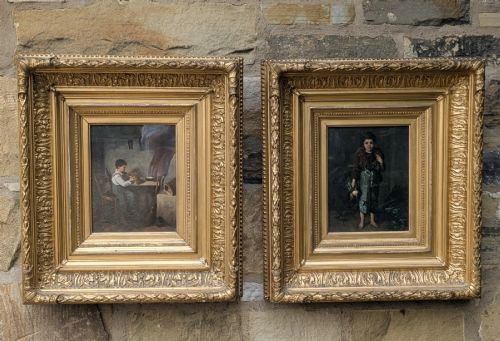
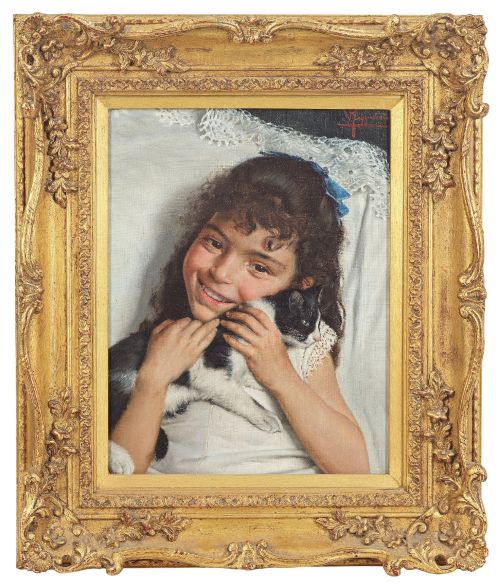
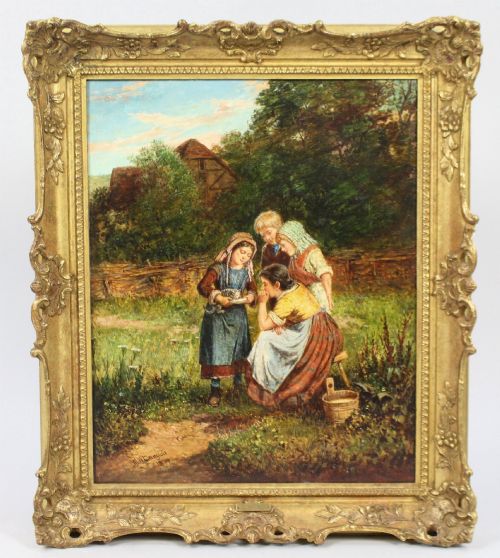
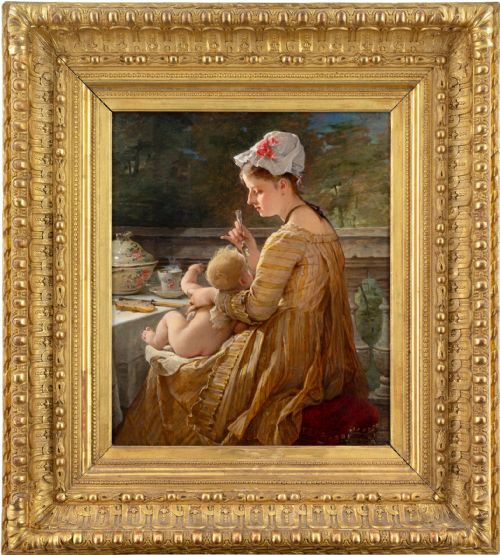
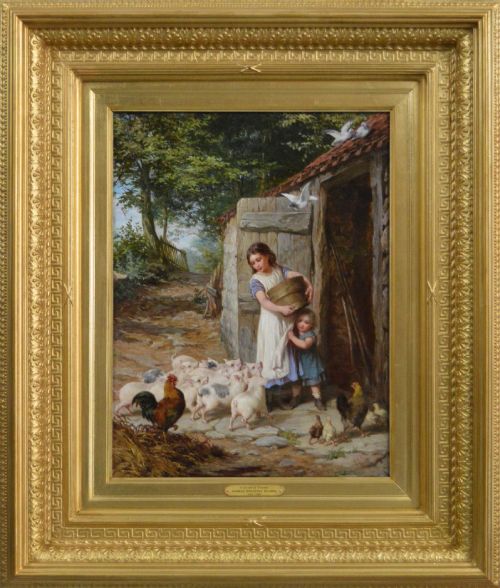
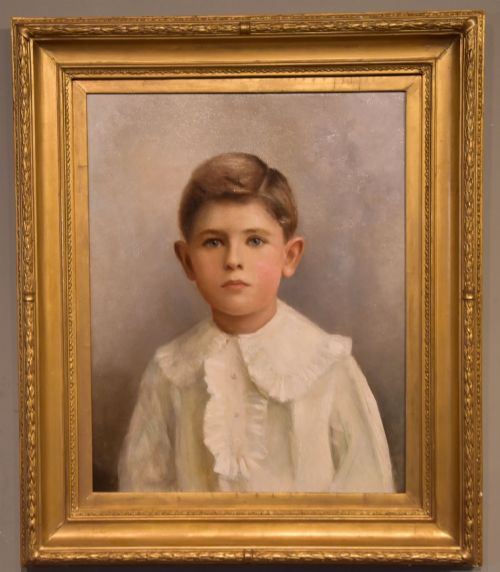
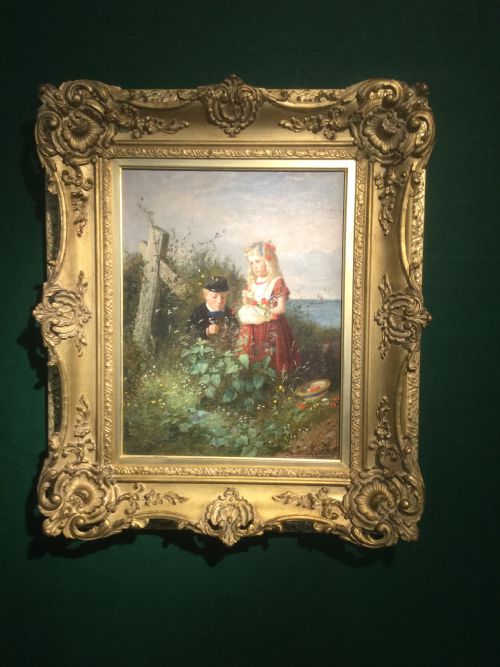
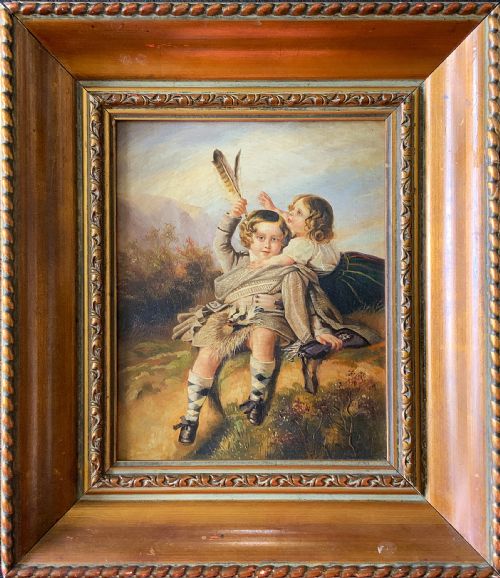
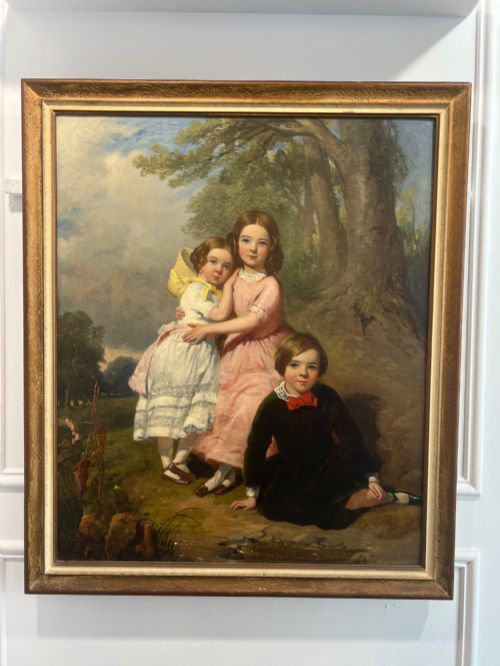
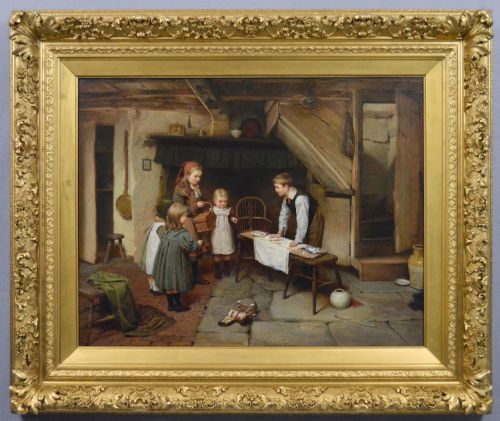
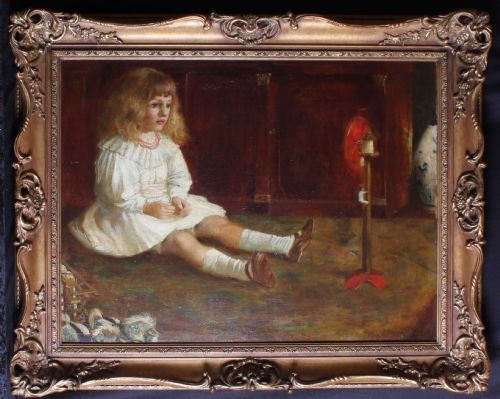
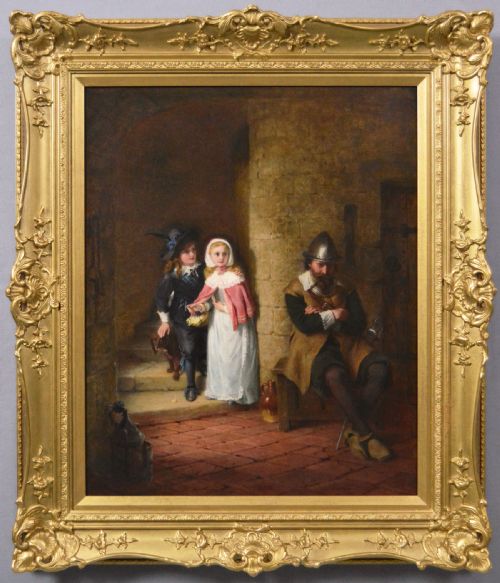
A victorian child oil painting encompasses both formal portraiture and narrative genre scenes involving young subjects. These works depict children alongside pets, toys, or family members in domestic and rural settings.
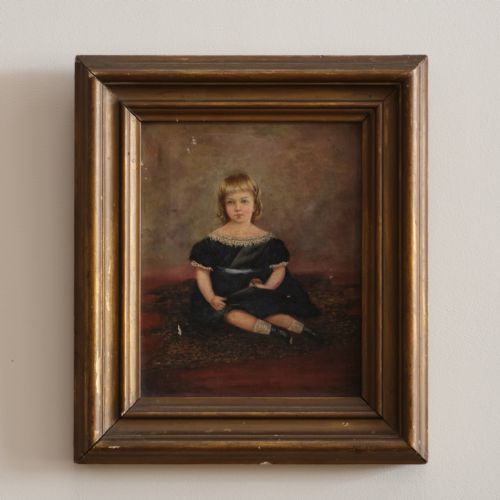
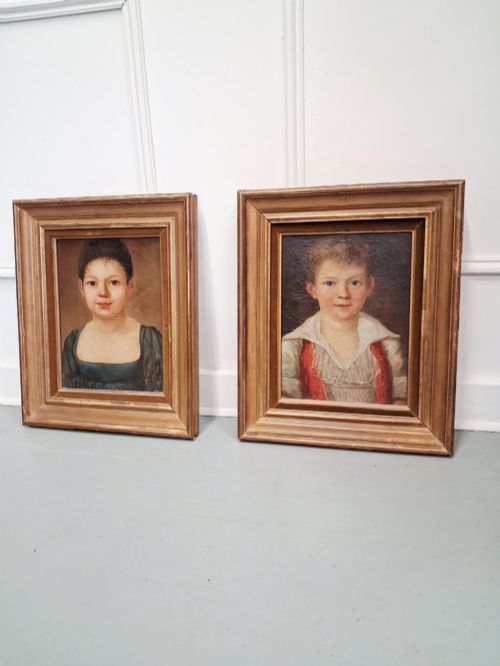
The selections available here range from academic portraits by named artists to anonymous naive works on canvas. Most examples originate from the nineteenth century, spanning various decades of the Victorian period.
Common formats include framed canvas works, panel paintings, and pair portraits. Subjects frequently engage in everyday activities such as reading, playing, or gathering flowers.
How they were made
The structural support typically consists of wood stretchers behind woven canvas, occasionally housed in burr maple or pierced gilt frames. Painters built up compositions through layered oil pigments to achieve depth in textiles and facial expressions.
Victorian Child Oil Painting Retail Price Guide 2026
Typical asking prices for victorian child oil painting among the pieces listed under this phrase on Sellingantiques today, from the lower quarter to the upper quarter. They describe what is for sale here now, not the wider market.
Listings span the nineteenth century, featuring oil on canvas, wood panels, and giltwood frames.
What varies in quality
Quality rests upon the artist's ability to render anatomy, expression, and narrative detail within the composition. Academic works exhibit refined handling of light and proportion, whereas naive pieces display a simpler charm.
The preservation of the original canvas surface and the condition of the accompanying giltwood or gesso frame influence the overall character of the piece.
Vittorio Reggianini·Mark William Langlois·Adelaïde Salles-Wagner·George Augustus Holmes·Henry Windsor Fry·Sir Thomas Lawrence·Harry Brooker·Byam Shaw·George Bernard O'Neill·Thomas Bromley Blacklock·James Mallard Bromley·George Smith·Bown Jones·William Egley·John Alfred Wheeler·John Henry Dell·William Manners·Jane Maria Bowkett·Franz Xaver Winterhalter·Henry Weigall·Alfred Banner·Thomas Hollingsworth
The Victorian Child Oil Painting Glossary
- Genre painting
- A style depicting scenes from everyday life involving ordinary people. These works often tell a domestic story involving children or family interactions.
- Naive art
- Artwork produced by an artist lacking formal academic training, characterised by direct perspective and simplified forms. This approach appears frequently in regional nineteenth-century portraits.
- Gesso
- A plaster-like mixture applied to wood or canvas as a base for painting or gilding. Moulded gesso often forms the intricate ornamentation on Victorian frames.
- Oil on canvas
- Pigment suspended in drying oil applied to a woven fabric support. This combination serves as the primary medium for the paintings in this category.
Victorian Child Oil Painting: Frequently Asked Questions
What is a genre oil painting?
A genre oil painting portrays scenes from everyday domestic life rather than historical or mythological subjects. These works capture children playing, reading, or interacting with animals.
Such paintings provide visual records of nineteenth-century family routines, clothing, and interior spaces.
How do I identify naive art?
Naive art displays a flat perspective and simplified proportions, reflecting a lack of formal academic training by the painter. These pieces possess an unpretentious charm focused on direct storytelling.
They often emerge from regional artists working outside metropolitan artistic circles during the nineteenth century.
Are original frames important?
Original giltwood and gesso frames preserve the historical context of the artwork. Many period pieces retain their decorative surrounds from the nineteenth century.
Matching frames complement the aesthetic and period integrity of the canvas they enclose.
What subjects appear in these works?
Common subjects include children with pets, toys, siblings, or parents in pastoral and cottage settings. Narrative themes often involve learning, gathering flowers, or quiet play.
These compositions reflect Victorian ideals surrounding childhood and domestic harmony.