


Victorian Chiffonier Shelf
A victorian chiffonier shelf brings structured display and enclosed storage together, offering a practical architectural surface for domestic rooms.
Victorian Chiffonier Shelf
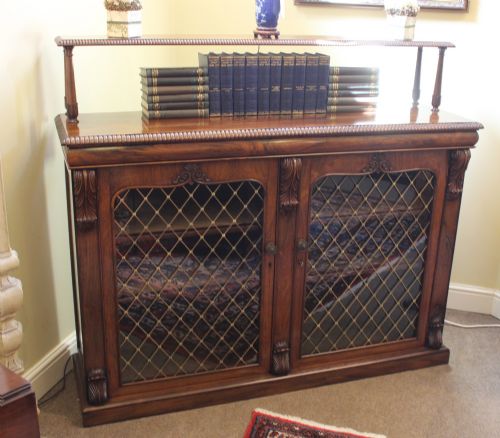
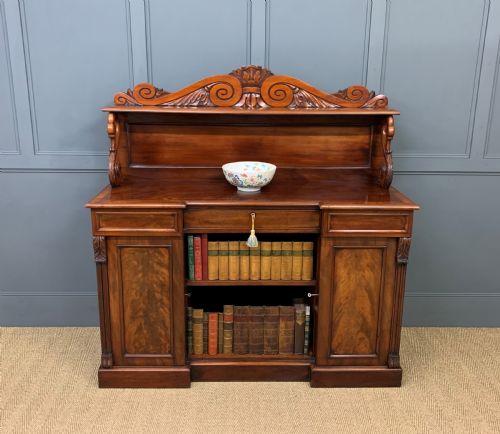
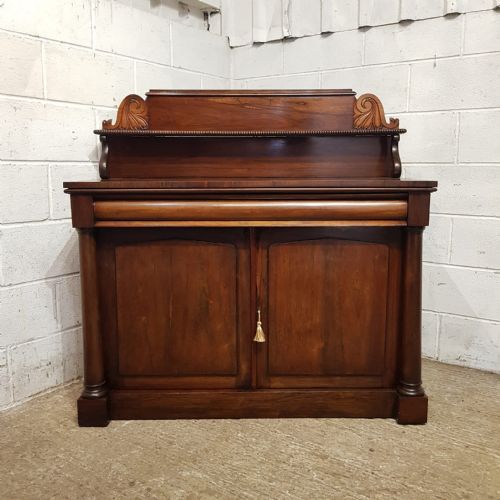
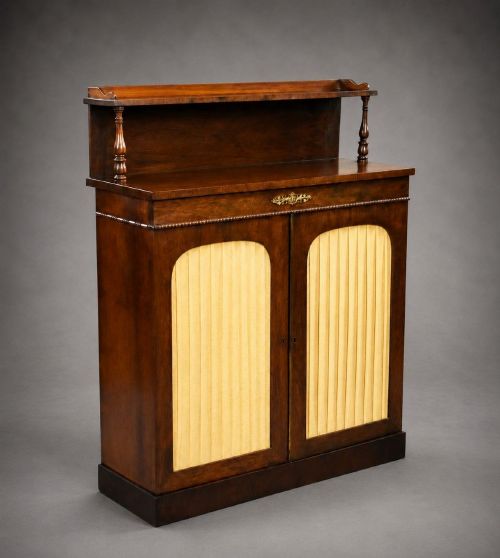
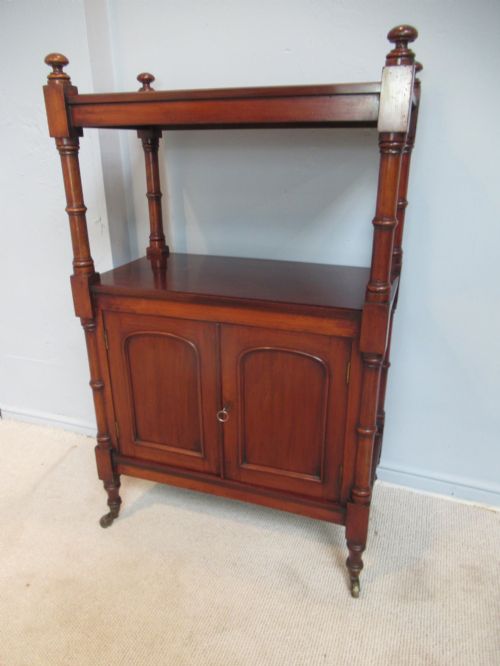
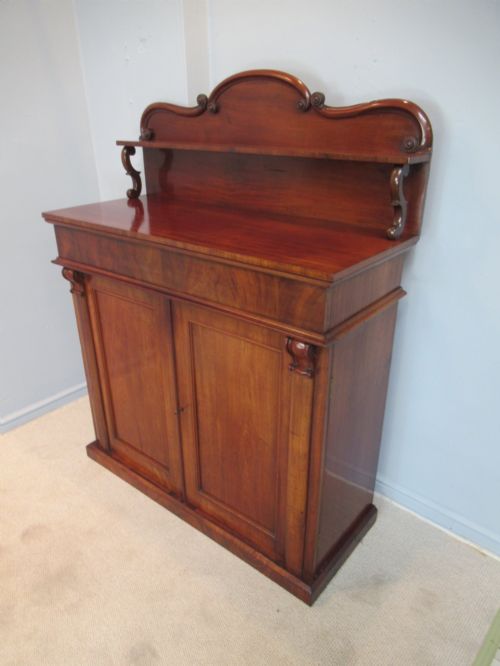
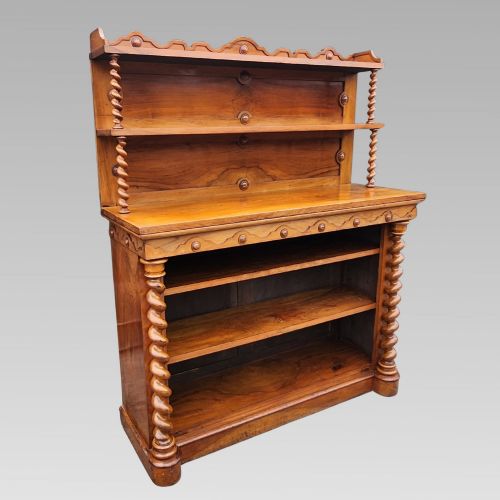
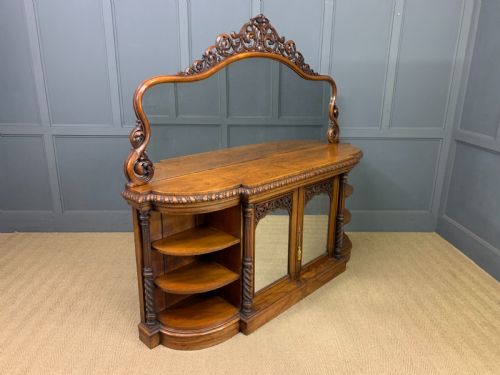
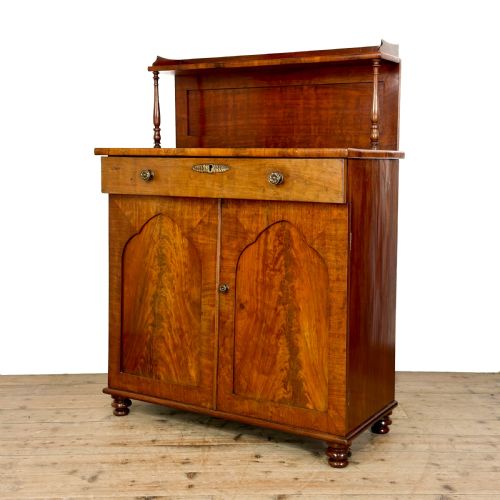
A victorian chiffonier shelf generally combines a low timber cabinet base with an upper tier or superstructure supported by pillars or mirrored backs. The pieces span the nineteenth century, drawing heavily on Victorian, William IV and Edwardian production periods.
Buyers encounter numerous variations ranging from simple mahogany and rosewood chiffoniers to burr walnut side cabinets and open bookcase formats. These items function primarily as display surfaces and storage units within traditional interiors.
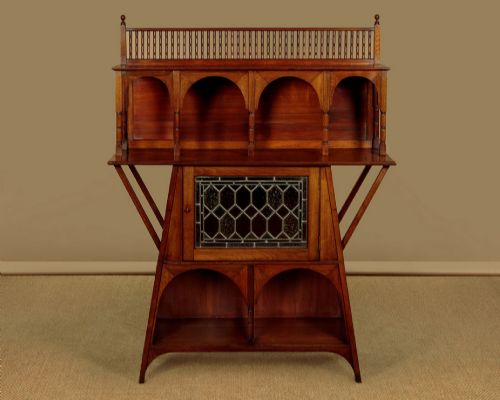
Origins include standard English workshops alongside specific stylistic interpretations like Arts and Crafts, Anglo-Indian and French Revival designs. The upper shelving component serves to display decorative objects while the lower section secures larger items.
Materials and construction
Cabinet makers utilised dense hardwoods such as mahogany, rosewood and burr walnut, frequently applying flame mahogany veneer over secondary timbers. Structural rigidity depended on traditional joinery methods combined with brass hardware fittings.
Mirror glass and inlaid satinwood panels appear frequently within the upper superstructure and door fascias of mid-nineteenth-century examples. Gilt wood and gesso also feature in decorative display shelf components.
Listings span the nineteenth century up to the Edwardian period, utilising mahogany, rosewood, burr walnut, and pollard oak.
Craftsmanship and materials
Superior examples display careful timber selection, particularly in figured burr walnut and flame mahogany veneers matched symmetrically across doors and panels. High-grade pieces incorporate refined inlay work, solid brass fittings and substantial mirror glass without distortion.
Lower tiers of quality rely on simpler construction with plain timber surfaces, heavier proportions and minimal decorative detail. The integration of the upper shelf assembly demonstrates the maker's joinery skill through secure pillar attachments and balanced proportions.
Liberty & Co.·Robert Strahan
The Victorian Chiffonier Shelf Glossary
- Chiffonier
- A low sideboard cabinet typically featuring a raised shelf or superstructure on top. It evolved from simpler storage pieces into a dual-purpose display and utility item.
- Superstructure
- The upper shelving or mirrored tier mounted above the main cabinet base. This section is designed for displaying ceramics and decorative objects.
- Flame mahogany
- A veneer cut from timber fork sections where the grain creates a distinctive flickering flame pattern. Cabinet makers prized this figure for principal display surfaces.
- Pollard oak
- Timber taken from trees that were pollarded, producing a knotty and highly textured grain pattern. It appears on select nineteenth-century case pieces.
- Whatnot
- A piece of furniture consisting of a set of open shelves for displaying small objects. It often forms the upper component or stylistic inspiration for chiffonier shelving.
Victorian Chiffonier Shelf: Frequently Asked Questions
What is a chiffonier shelf?
A chiffonier shelf combines a low enclosed cabinet base with an open or mirrored upper tier for display.
This format provides both concealed storage and elevated surface space for ornamental items.
How were these pieces used?
Victorian households utilised them in reception rooms to store dining accessories while displaying porcelain and books above.
The upper shelves held decorative items while the lower cupboards kept household goods out of sight.
Which woods are most common?
Mahogany, rosewood and walnut dominate the surviving pieces from this era, often enhanced with decorative veneers.
Makers also incorporated oak, satinwood and mirrored glass components into the upper shelving.
How do I date these cabinets?
Dating relies on stylistic markers such as William IV scrolls, Victorian burr walnut veneers and Edwardian structural lines.
Construction techniques and wood selection further indicate the specific decade of manufacture.