




Victorian Chest Press
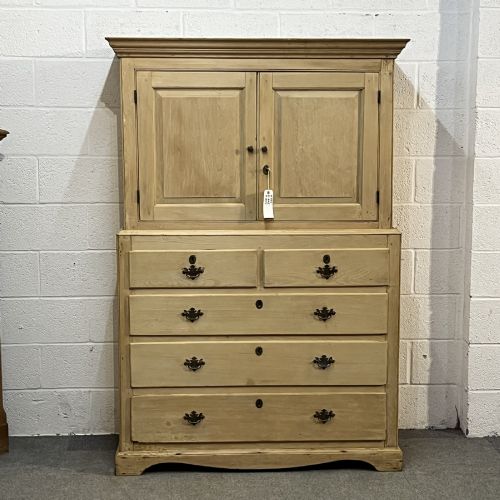
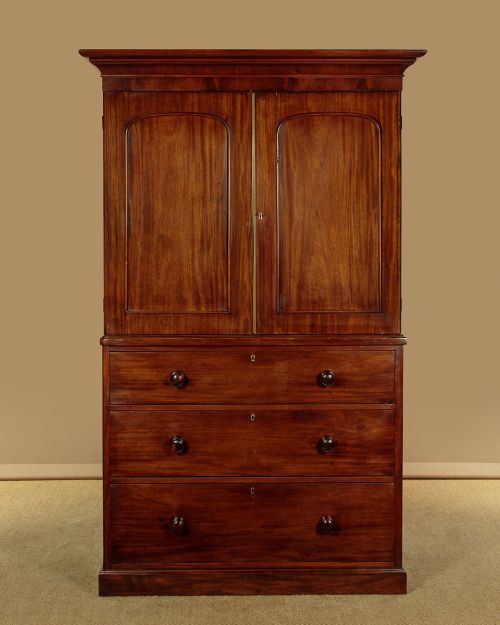
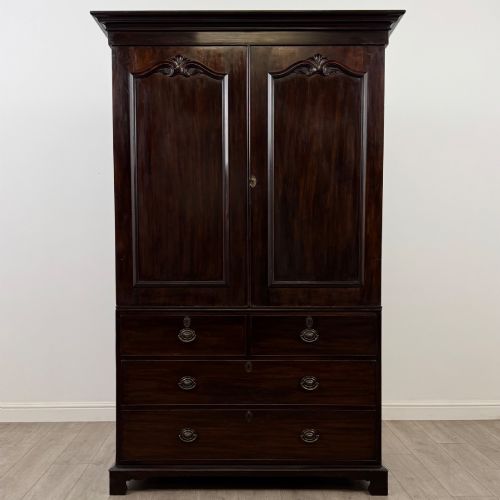
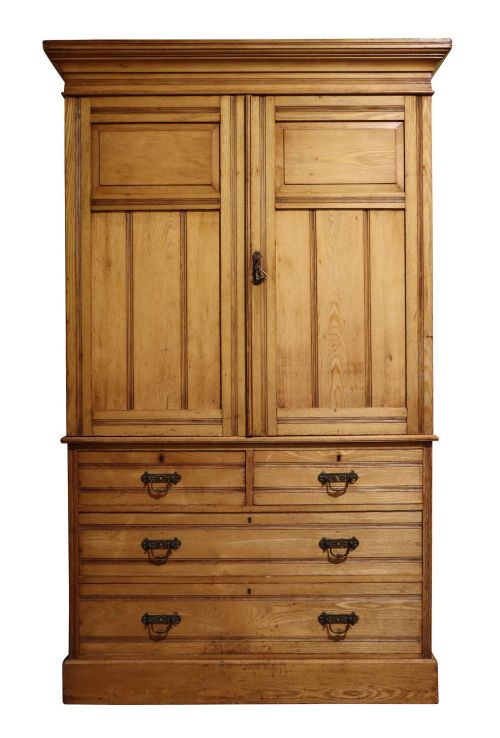
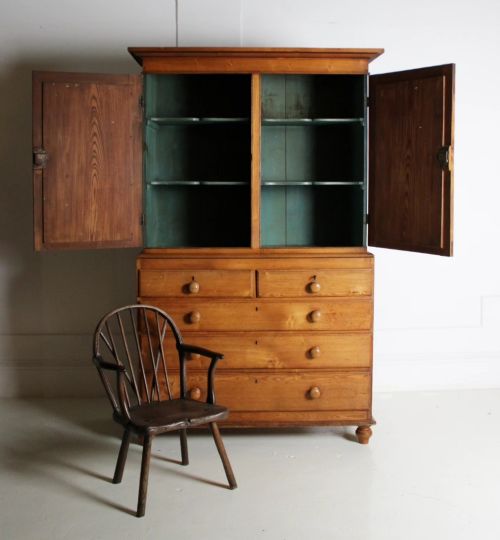
When you search for a victorian chest press, you are looking at substantial hybrid furniture designed to house folded garments above a functional chest of drawers.
Victorian Chest Press
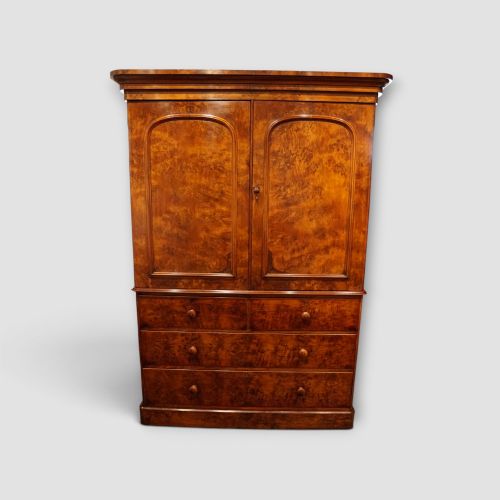
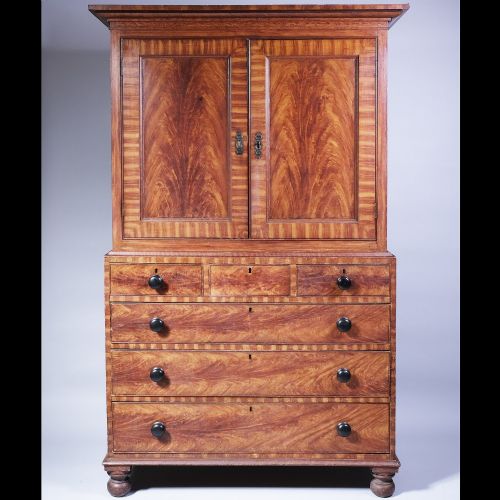
A victorian chest press typically combines a tall upper cupboard section with a lower chest of drawers, designed primarily for linen or clothing storage in domestic settings. The pieces seen here span the broader nineteenth century, with strong representation from the Victorian era alongside regional variations in oak, pine, and mahogany.
The form frequently bridges the gap between a wardrobe and a chest of drawers, sometimes incorporating sliding trays or shelves behind upper panelled doors. Buyers will encounter robust country pine and ash examples alongside polished mahogany and burr walnut pieces intended for more formal rooms.
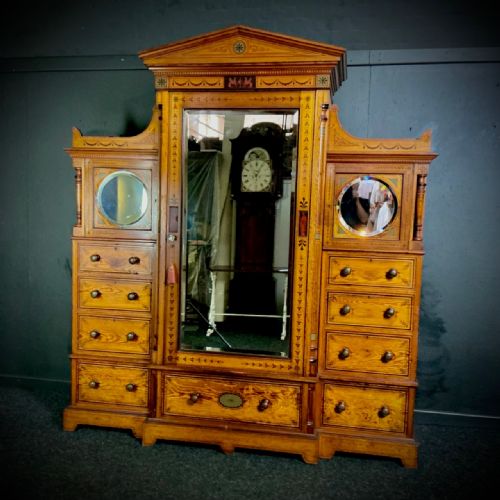
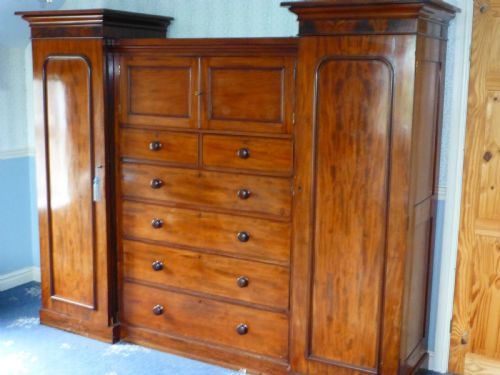
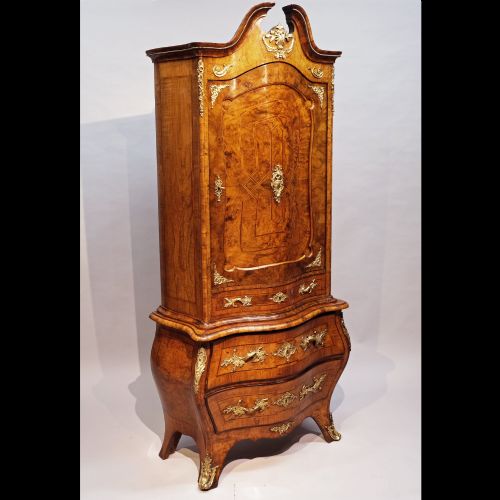
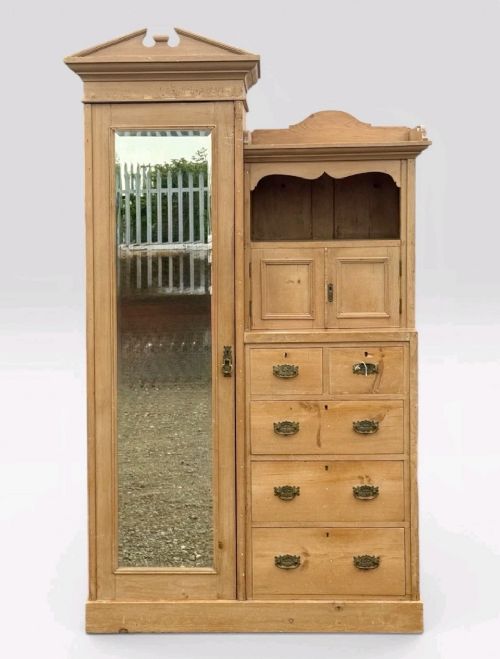
Beyond standard domestic cupboards, the evidence includes compactum wardrobes, housekeepers cupboards, and miniature furniture pieces. These items demonstrate the functional versatility of nineteenth-century storage, adapting deep cupboard space to suit everything from household linen to gentleman's garments.
How They Were Made
Cabinet makers utilised a range of domestic and imported timbers, pairing structural oak and pine carcases with decorative mahogany, satin birch, and burr walnut veneers. Solid planks formed the basis of vernacular pieces, while fine grain selections and flame mahogany were reserved for polished formal cabinets.
Construction relied on traditional joinery methods, incorporating dovetailed drawer boxes and panelled doors to accommodate seasonal wood movement. Many of the larger two-piece linen presses were designed to partially dismantle, allowing these heavy items to be transported and positioned in upper rooms.
Victorian Chest Press Retail Price Guide 2026
Typical asking prices for victorian chest press among the pieces listed under this phrase on Sellingantiques today, from the lower quarter to the upper quarter. They describe what is for sale here now, not the wider market.
Several cupboards note that they partially dismantle, acknowledging the sheer panic of moving a nineteenth-century giant up a winding stair.
What Varies in Quality
Quality rests significantly on the choice of timber and the sophistication of its presentation, from humble scumble-painted pine to finely figured flame mahogany and burr walnut. The skill of the cabinet maker shows in the crispness of mouldings, the integration of panel work, and the handling of secondary woods inside the drawers.
Proportion and structural integrity define the standing of a piece, distinguishing straightforward utilitarian storage from architecturally ambitious combination wardrobes. Original fittings, such as brass campaign handles or interior sliding trays, contribute substantially to the integrity of the surviving object.
Maple & Co·Gillows·Holland & Sons·Shapland & Petter
The Victorian Chest Press Glossary
- Linen Press
- A tall piece of furniture featuring upper cupboard doors enclosing sliding trays or shelves, positioned above a base section of drawers. It was traditionally used to store freshly laundered linen flat.
- Compactum Wardrobe
- A multi-functional wardrobe combining hanging space, drawers, and linen shelves within a single unified cabinet. These pieces maximise storage efficiency by compartmentalising different types of clothing.
- Housekeeper's Cupboard
- A large utility cupboard, usually made of oak or pine, designed for storing household provisions, tableware, or linens. They are typically utilitarian in design and found in the service quarters of country houses.
- Scumble Painted
- A decorative surface finish where a translucent glaze is manipulated over a lighter base coat to imitate the grain of more expensive hardwoods. It was frequently applied to pine furniture in country settings.
- Campaign Chest
- Portable furniture made in sections with recessed brass handles and corner brackets, designed for easy transport by military officers. The format provides sturdy drawer storage capable of enduring frequent travel.
Victorian Chest Press: Frequently Asked Questions
What is a victorian chest press used for?
These pieces served as primary storage for folded garments and household linens before fitted wardrobes became standard. The upper section housed sliding trays while the lower drawers held smaller items.
Today, they function effectively as statement storage units in bedrooms or hallways, offering deep shelving capacity combined with conventional drawer space.
How do I tell early Victorian from late Victorian pieces?
Early pieces often feature simpler architectural lines and rich mahogany veneers, reflecting late Georgian design influences. Mahogany remained dominant through the mid-nineteenth century.
Late Victorian examples frequently introduce a wider variety of timbers like satin walnut and maple, alongside more eclectic revival styles and complex combination wardrobe layouts.
Will a two piece press fit upstairs?
Many nineteenth-century presses were built in two distinct sections, with a heavy upper cupboard resting upon a lower chest of drawers. This modular construction aids significantly in transport.
Buyers should still check ceiling heights and stairwell clearances, as the upper cupboard carcase alone can remain bulky even after removing internal sliding trays.
How do I care for waxed pine or polished mahogany?
Waxed pine surfaces benefit from occasional application of traditional beeswax to nourish the timber and maintain a soft sheen. Avoid placing them near direct heat sources.
Polished mahogany requires only gentle dusting with a dry lint-free cloth. Moisture and direct sunlight should be kept away from all antique polished veneers.