



Victorian Cherub Frame
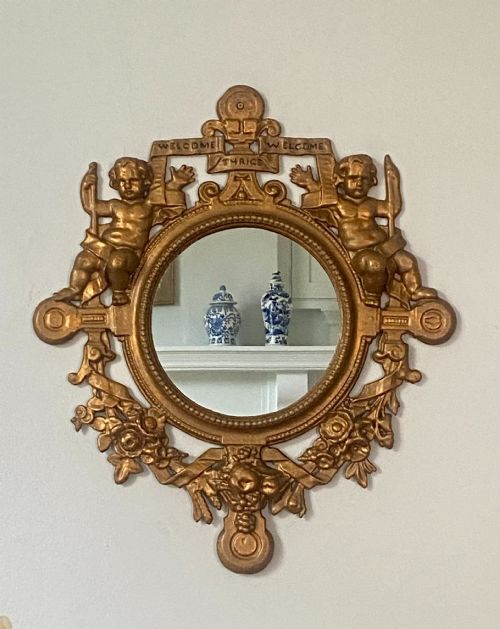
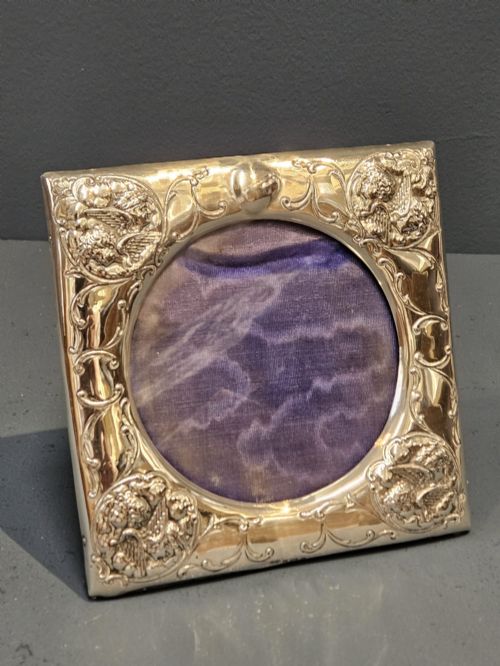
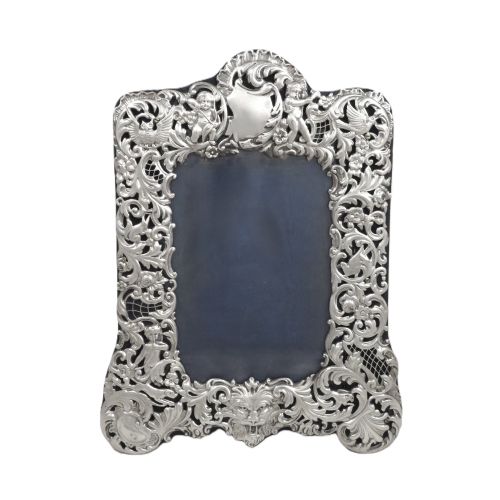
These pieces take the form of a victorian cherub frame, bringing relief-cast winged figures to domestic photography and wall hanging.
Victorian Cherub Frame
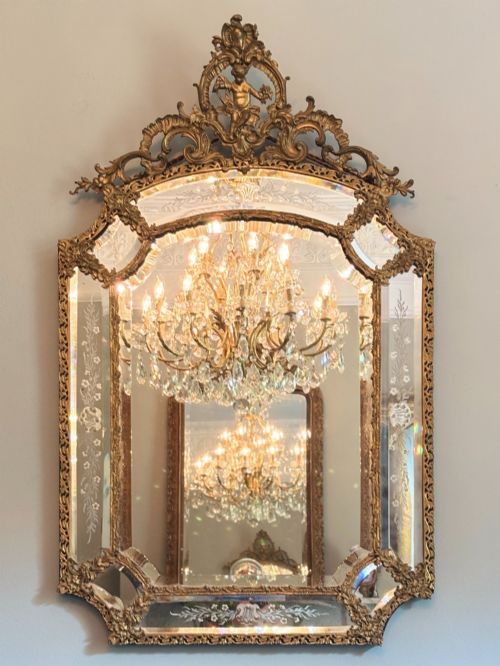
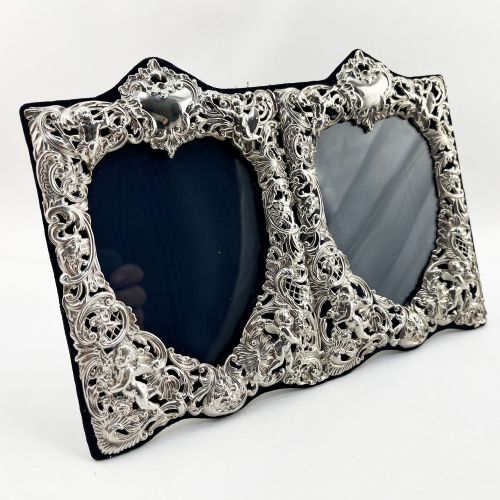
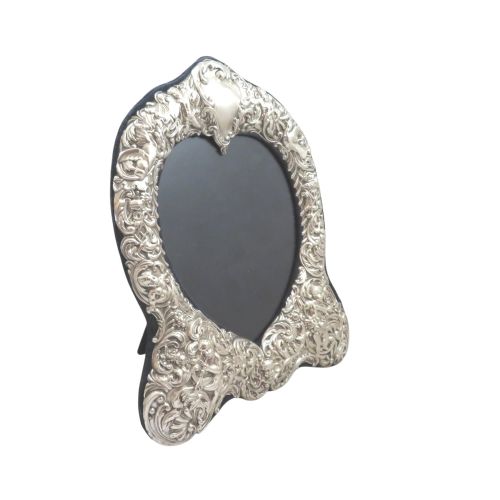
A victorian cherub frame appears primarily in the shape of sterling silver photograph holders and dressing table mirrors produced during the late nineteenth century. These objects incorporate winged putti figures alongside floral scrolls, birds, and animal motifs.
The selections span picture frames, easel mirrors, and bracket mirrors originating in the Victorian and Edwardian eras. Continental gilt bronze and carved wood examples also emerge among the silver pieces.
Makers and silversmiths utilised popular artistic themes of the period, notably the Reynolds angels design derived from Joshua Reynolds. These ornamental borders frame cabinet cards and portrait photographs of the era.
How they were made
Sterling silver versions rely on embossing and piercing techniques to create high-relief cherub motifs across the outer border. These silver mounts are typically backed with wood and fitted with velvet supports and easel stands.
Cast iron, brass, giltwood, and gesso provide structural foundations for larger wall mirrors and picture frames. Carved fruitwood and bronze incorporate applied details or champleve enamel work alongside the mirror glass.
Metals receive hand-finishing to accentuate the depth of the cherub faces and surrounding foliage. Structural joints and easel hinges reflect late nineteenth-century workshop standards.
Victorian Cherub Frame Retail Price Guide 2026
Typical asking prices for victorian cherub frame among the pieces listed under this phrase on Sellingantiques today, from the lower quarter to the upper quarter. They describe what is for sale here now, not the wider market.
Several cherub frames share their decorative borders with unexpected companions including owls, rabbits, and dogs.
What varies in quality
The structural integrity of the backing materials, original mirror plates, and easel supports separates standard domestic items from finer examples. Silver components depend on clear hallmarks and intact structural mounts.
Comyns
The Victorian Cherub Frame Glossary
- Sterling silver
- A silver alloy containing 92.5 percent pure silver by mass, standard for nineteenth-century photographic frames and domestic metalwork.
- Giltwood
- Wood that has been coated with gold leaf or a gold-coloured finish, common in period wall mirrors and decorative frames.
- Easel mirror
- A tabletop mirror supported by a hinged back leg, allowing the piece to stand upright on a dressing table.
- Champleve enamel
- An enamelling technique where troughs are dug into a metal surface and filled with vitreous paste before firing.
Victorian Cherub Frame: Frequently Asked Questions
What periods do these frames date from?
The selections date predominantly from the nineteenth century, with strong representation from the Victorian and Edwardian eras between 1860 and 1910.
Silver examples often bear clear hallmarks indicating the exact year of assay during the late Victorian decades.
How were these frames used?
These items served as domestic photograph holders for cabinet cards and portrait photographs displayed on mantelpieces and dressing tables.
Wall hanging variants and bracket mirrors provided decorative focal points in nineteenth-century interiors.
What materials are common?
Sterling silver, giltwood, brass, cast iron, and carved fruitwood form the primary structural materials seen across the inventory.
Backings typically utilise wood lined with velvet alongside glass mirrors and watercolor paintings.
How do I identify Reynolds angels?
Reynolds angels reference the cherub faces derived from the painted works of Sir Joshua Reynolds, featuring prominently on embossed silver photo frames.
These winged child figures are frequently surrounded by floral garlands, birds, and botanical scrollwork.