


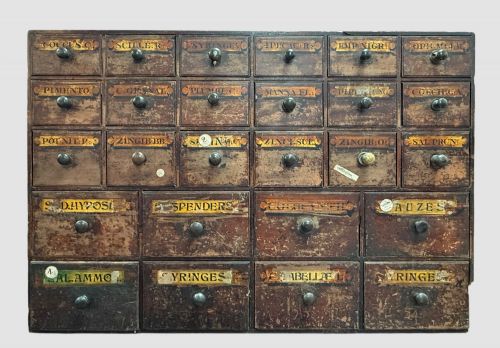


Victorian Chemists Cabinet
A victorian chemists cabinet brings functional pharmacy storage and handsome timber into the home, offering drawers and glass for display.
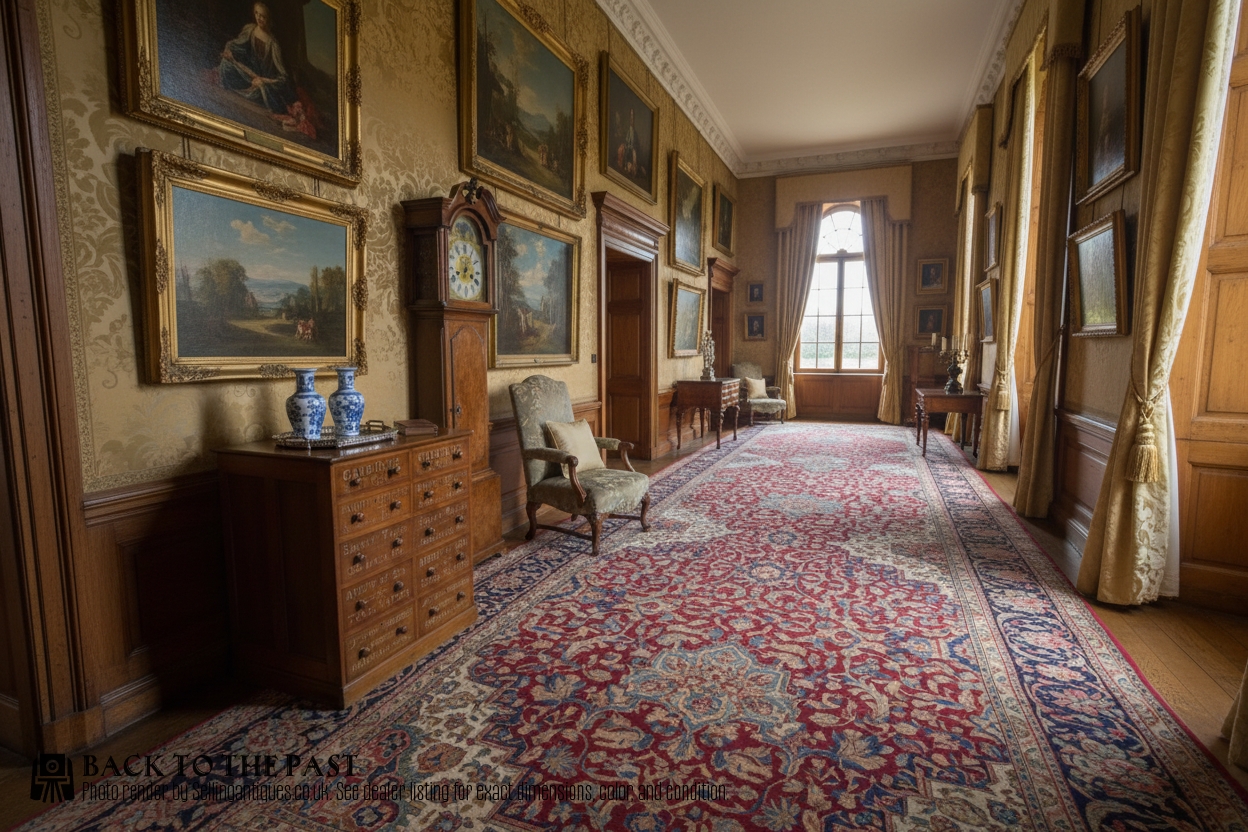
Victorian Chemists Cabinet
When you search for a victorian chemists cabinet, you are looking at utilitarian shop fittings and apothecary furniture built for pharmacies and dispensing chemists during the nineteenth century and the early twentieth century. These pieces appear as banks of drawers, chest of drawers forms, shop counters, countertop display cabinets, and smaller apothecary boxes or wall-hung medicine chests.
The versions you are most likely to meet on this page span the Victorian period alongside commercial and industrial variants, often constructed with multiple small drawers designed to organise powders, bottles, and pills. Their forms range from double and triple banks of drawers to glazed retail display stands and wall-mounted storage.
Materials and construction
Makers utilised sturdy timbers such as mahogany and pine for the main carcasses and banks of drawers, ensuring the cabinetry could withstand heavy daily use in a commercial dispensary. Glass panels feature heavily in the retail display cabinets and counter units, allowing goods to be viewed while kept secure.
Hardware details typically include brass pulls and handles, alongside cast iron elements on specific display stands. Surfaces often show polished wood finishes or painted sections, complemented by paper labels or inscriptions denoting specific pharmacies such as Kemps Pharmacy.
Victorian Chemists Cabinet Retail Price Guide 2026
Typical asking prices for victorian chemists cabinet among the pieces listed under this phrase on Sellingantiques today, from the lower quarter to the upper quarter. They describe what is for sale here now, not the wider market.
One exceptional box arrived with its indigo contents long gone, leaving only the scent of mystery and very clean dovetails.
Judging quality in pharmacy furniture
The distinction between standard utility pieces and superior examples rests upon the timber selection and the complexity of the drawer configuration. Cabinets featuring dense mahogany and well-executed double or triple banks of drawers demonstrate a higher grade of original workshop production than plain pine alternatives.
Kemps Pharmacy
The Victorian Chemists Cabinet Glossary
- Bank of Drawers
- An assemblage of numerous small drawers arranged in rows and columns, built to store diverse apothecary contents.
- Apothecary Box
- A portable or countertop container designed to hold medicines, vials, and medical instruments securely.
- Shop Fitting
- Permanent or semi-permanent cabinetry and furniture built specifically for the interior of a retail establishment.
- Countertop Display Cabinet
- A glazed showcase placed upon a shop counter to exhibit goods directly to customers.
Victorian Chemists Cabinet: Frequently Asked Questions
What were victorian chemists cabinets used for?
These cabinets served in nineteenth-century pharmacies and dispensaries to organise and store dry ingredients, medicines, pills, and small medical instruments. Their numerous small drawers allowed chemists to maintain an orderly inventory behind the counter.
Retail variations also functioned as shop counters and glazed display cases to present patent medicines and optical goods directly to the public.
How do I identify a period piece?
Examination of the timber, construction methods, and hardware points towards the nineteenth century or early twentieth century. Look for traditional joinery in mahogany and pine, alongside period brass pulls and original glass.
Signage, maker lettering, and structural wear consistent with heavy commercial pharmacy use further distinguish genuine antique shop fittings from later reproductions.
How should I live with a chemist cabinet?
These pieces integrate well into modern kitchens, studies, or living spaces as storage units for collections, stationery, or tableware. The small drawers suit the organisation of household items.
Larger double and triple banks of drawers or countertop display units make striking focal points, offering surface space alongside deep internal compartments.
What materials are typical for these cabinets?
The primary materials recorded in these pieces are mahogany and pine, providing durable timber frames for heavy daily pharmaceutical use. Secondary elements include glass for display doors and panels, and brass for drawer handles.
Cast iron and painted surfaces also appear on specific display stands and retail counters from the period.