


Victorian Charcoal Painting
These Victorian charcoal painting works capture moody landscapes and dramatic coastal scenes through evocative monochromatic mark-making.
Victorian Charcoal Painting
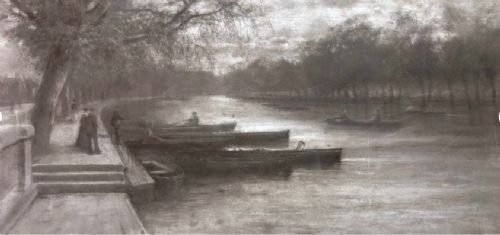
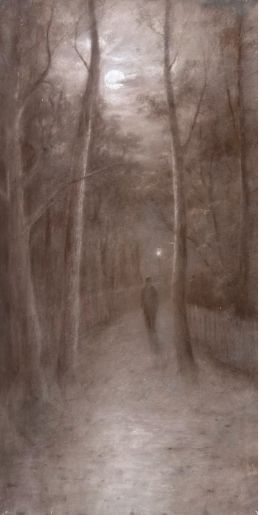
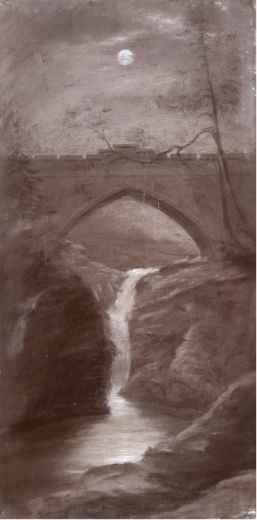
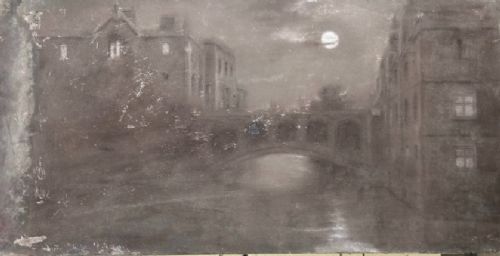
A victorian charcoal painting delivers atmospheric monochromatic depth through expressive strokes, capturing subjects such as misty riverbanks, bridges, and coastal landscapes.
Most examples found here channel late nineteenth-century tonalist sensibilities, heavily influenced by the evocative moods associated with artists like Whistler and Grimshaw.
Beyond pure landscapes, the selection includes striking maritime subjects such as dramatic shipwreck scenes alongside reproductive works after established academic painters like Sir Edwin Landseer.
Materials and construction
The primary medium involves vigorous charcoal application directly onto prepared paper or stretched canvas surfaces, allowing rich contrasts between deep darks and highlighted paper.
Framed presentation typically incorporates protective glass panes paired with simple wood or painted timber mouldings designed to complement the monochromatic palette of the artwork.
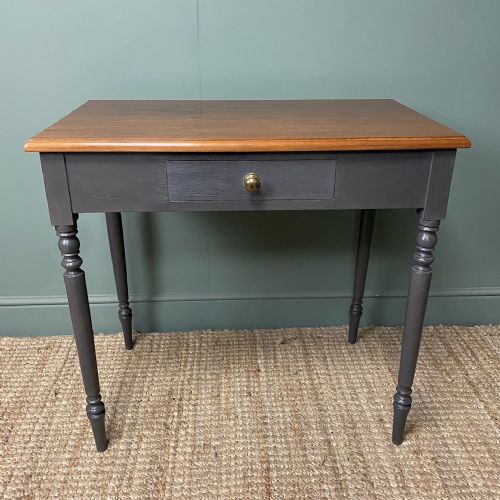
Listings incorporate paper and canvas supports alongside auxiliary wooden furnishings from the Victorian era and eighteenth century.
Distinctions in execution
Superior examples demonstrate confident handling of tone and light that creates genuine atmospheric weight, whereas lesser works rely on flat grey tones and mechanical shading.
The strength of the composition and the subtlety of tonal graduation separate ambitious landscape studies from more routine decorative output.
The Victorian Charcoal Painting Glossary
- Tonalism
- An artistic style focusing on shadow, atmosphere, and shadow effects rather than crisp linear detail. This approach defines the moody character of many nineteenth-century works.
- Nocturne
- A painting or drawing depicting a night scene or evening atmosphere. These compositions emphasise deep shadows and muted ambient light.
- Monochrome
- Artwork executed in a single colour or shades of a single colour. Charcoal naturally achieves this effect through varying densities of black pigment.
- Canvas
- A heavy woven fabric stretched across a wooden frame to serve as a painting surface. Some charcoal works utilise this support rather than standard paper.
Victorian Charcoal Painting: Frequently Asked Questions
What is a victorian charcoal painting?
These works are original drawings and tonalist compositions created using compressed or vine charcoal during the nineteenth century and surrounding decades.
Subjects typically focus on atmospheric British landscapes, coastal views, and maritime scenes influenced by contemporary aesthetic movements.
How were these charcoal artworks displayed?
Period works were generally framed behind glass within wooden or painted mouldings to protect the friable charcoal surface from smudging and environmental damage.
This traditional framing preserves the delicate tonal gradations achieved by the artist.
How are these pieces dated?
Datings rely on stylistic evidence such as tonalist influence, subject matter, framing materials, and accompanying historical attribution notes recorded in the listings.
References to specific late nineteenth-century artistic circles help establish the contextual period of execution.