


Original Charcoal Artwork
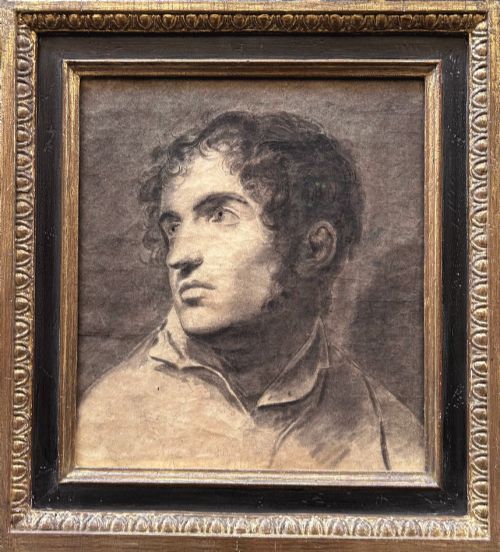
When you search for original charcoal artwork, you are looking at expressive monochrome drawings created directly by hand on paper or canvas.
Original Charcoal Artwork
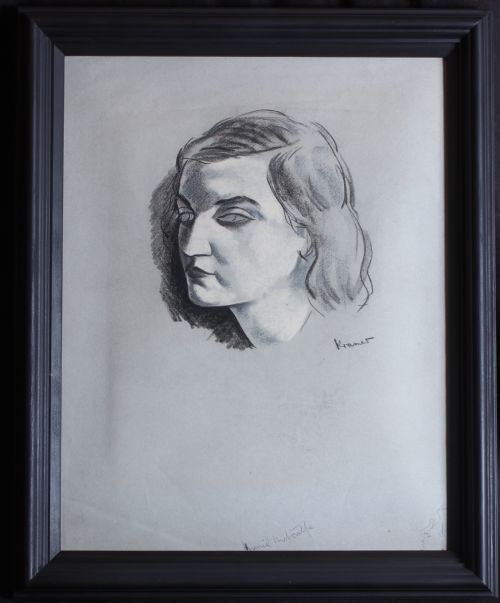
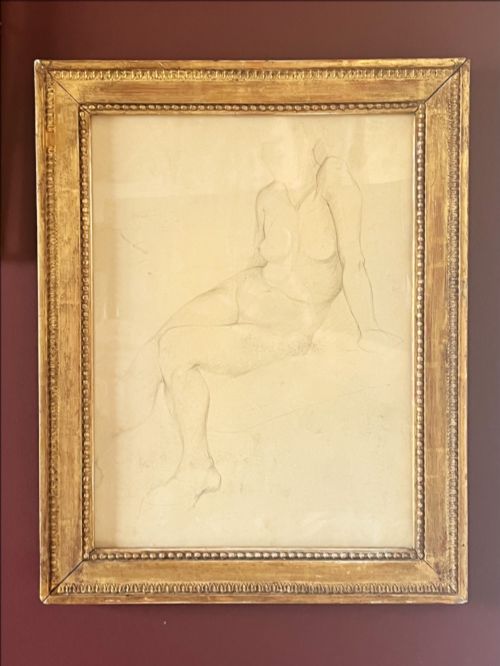
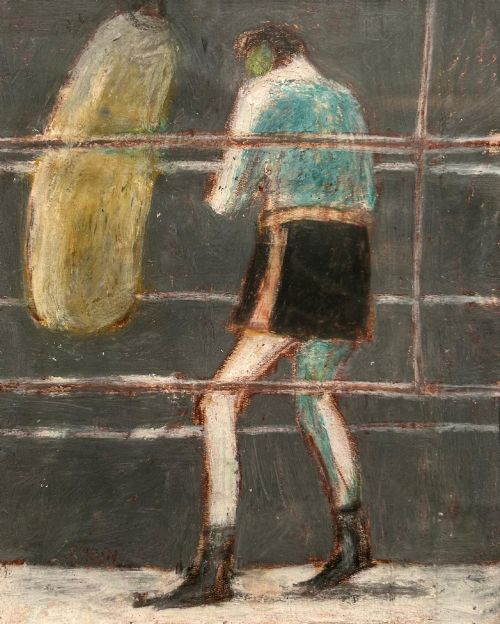
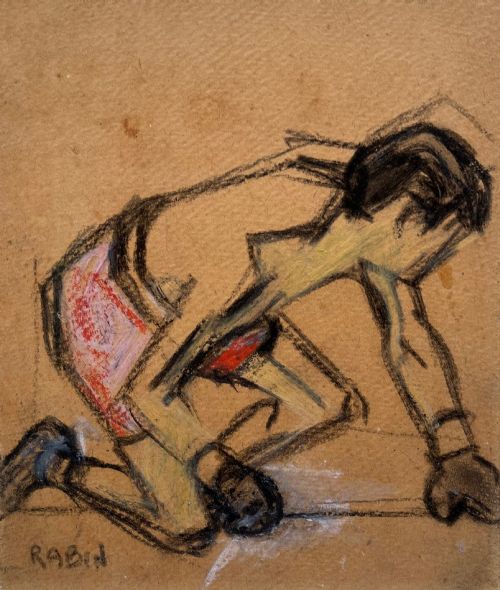
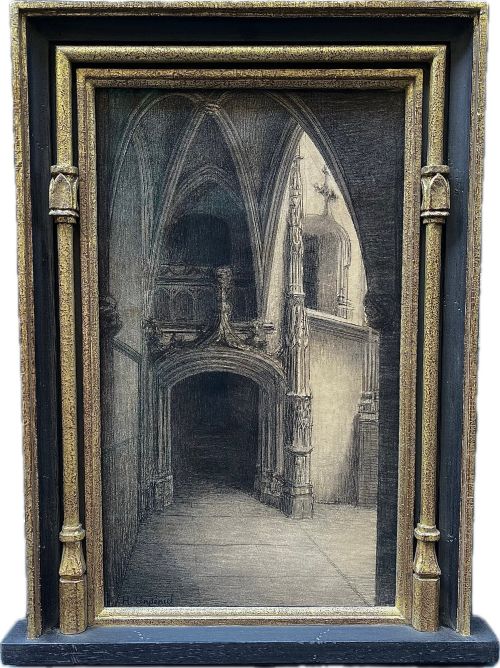
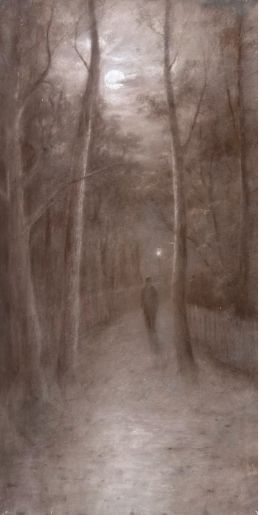
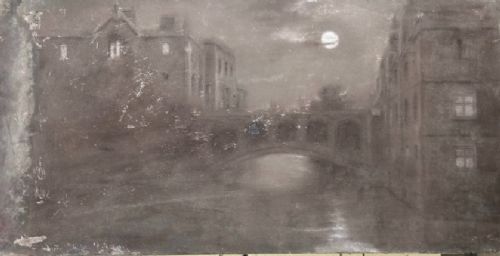
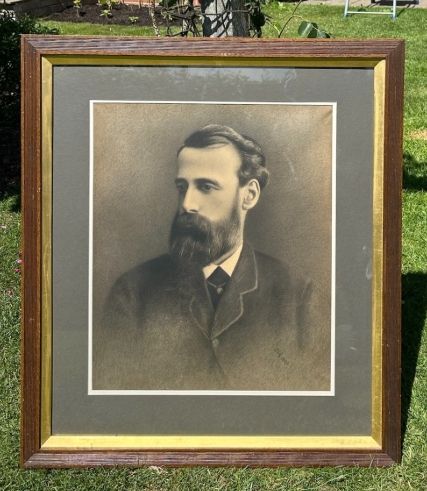
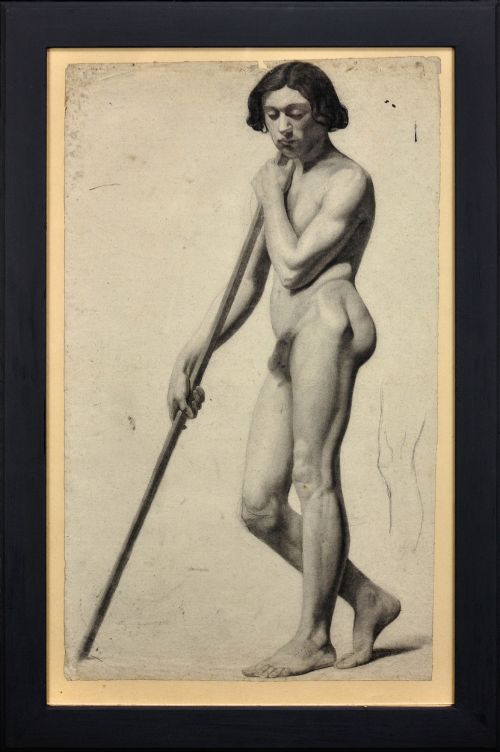
Original charcoal artwork encompasses framed drawings, fine art studies, and portraiture spanning from the nineteenth century through the mid-twentieth century. Collectors encounter academic life studies, atmospheric British and French landscapes, and avant-garde compositions reflecting periods such as Edwardian Tonalism and Modern British art.
The selections on this page highlight both named artists and anonymous schools, executed in mediums that often combine charcoal with chalk, graphite, or pastel. These pieces range from intimate sketches of human figures to expansive cityscapes and rural scenes.
Buyers frequently find works tied to specific artistic movements, including Art Deco portraits and Tonalist landscapes reminiscent of Grimshaw and Whistler. Each piece carries the immediate touch of the draughtsman, fixed on paper attached to stretchers or preserved behind glass within antique frames.
Materials and technique
Artists utilise compressed or vine charcoal sticks applied to paper surfaces, frequently augmenting the monochrome darks with white chalk highlights or graphite for finer linework. Some works incorporate pastel or watercolour washes over lithographic bases, expanding the tonal range.
Supports consist primarily of paper sheets, occasionally attached to canvas stretchers for larger scale landscape and figurative studies. Presentation involves protective glass set inside wood or giltwood frames that secure the delicate friable medium.
Listings span periods from the 1800s through the 1960s, uniting academic life studies with Art Deco portraits and Tonalist landscapes.
Separating top tier pieces
Quality rests upon the sureness of the draughtsmanship and the artist's command of light and shadow, particularly in complex academic life studies and portraits. Superior works capture anatomy and atmosphere with economy and precision rather than relying on heavy shading.
Condition and preservation dictate the standing of a piece, distinguishing drawings protected by glass with minimal foxing or paper degradation from those compromised by moisture or careless handling over the decades.
Samuel Rabin·Henri Charles Angéniol·Henry Arthur Roberts·Demetrios Galanis·J D Fergusson·Arthur Todd·Winifred Eugene Ballard·John Hoppner·LS Lowry·John Macallan Swan·Frank Dobson·Sonia Lawson·Francis O A Haviland·George Richmond·Leo Klin·Henri Joseph Harpignies
The Original Charcoal Artwork Glossary
- Charcoal
- A dry drawing medium made from carbonised wood, prized for deep velvety blacks and wide tonal variation. It is easily smudged and typically requires a fixative spray.
- Academic Realism
- A style of painting and drawing produced under the influence of European academies of art. It emphasises precise anatomical accuracy, classical proportions, and careful observation of live models.
- Tonalism
- An artistic style that emerged in the late nineteenth century where artists painted or drew forms through an emphasis on shadow, atmosphere, and dark moods. Works in this vein often depict landscapes shrouded in mist or twilight.
- Giltwood
- Wood carved and coated with a thin layer of gold leaf or gilt paint, commonly used for traditional antique picture frames. It provides a warm reflective border for monochrome drawings.
- Foxing
- Brown spots or patches caused by chemical reactions in ageing paper stocks. It is a common occurrence in antique works on paper.
Original Charcoal Artwork: Frequently Asked Questions
How do I hang charcoal art?
Mount these pieces out of direct sunlight behind protective glass to prevent the delicate carbon pigment from fading or degrading over time. Using stable wall fixings ensures the antique frames remain secure.
Keep works away from damp areas like kitchens or unventilated spaces to protect the underlying paper or canvas supports from moisture damage.
What is an academic life study?
An academic life study is a detailed drawing of a human model created for rigorous training in anatomy and proportion. These pieces record the physical form through careful observation of musculature and posture.
Artists produced them in studios and art schools as foundational exercises, resulting in highly finished works that highlight technical draughtsmanship.
Are these works unique?
Every piece listed is a hand-drawn original created directly by the artist rather than a mechanical reproduction or mass-produced print. The unique nature of charcoal means the hand of the maker is visible in every stroke and smudge.
Even when artists revisited similar themes or subjects, each drawing possesses distinct variations in line and tone.
How should I frame drawings?
Antique drawings require conservation-grade mounting materials that keep the paper from touching the glass directly. Window mounts provide a small air gap that prevents condensation from damaging the surface.
Original frames should be preserved where possible, provided they offer structural stability and proper protection for the artwork inside.