




Victorian Champagne Bucket
A Victorian champagne bucket brings weight and gleam to a dining table, keeping bottles chilled in heavy silver plate, polished brass or coopered timber.
Victorian Champagne Bucket
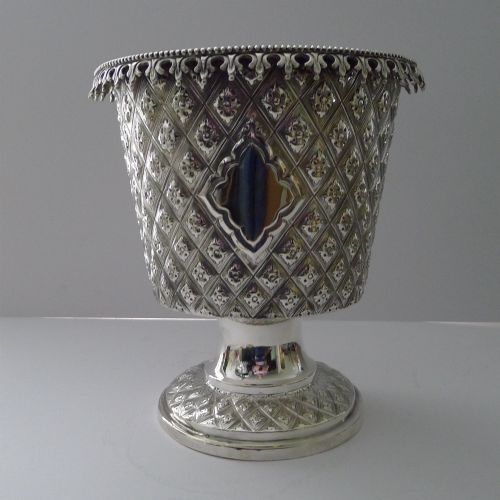
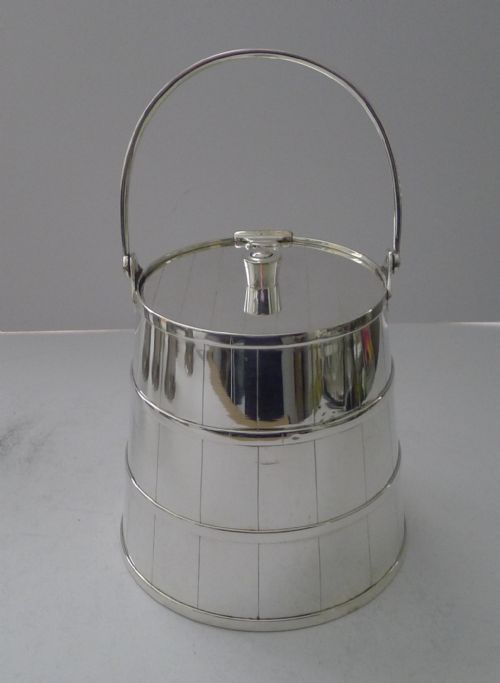
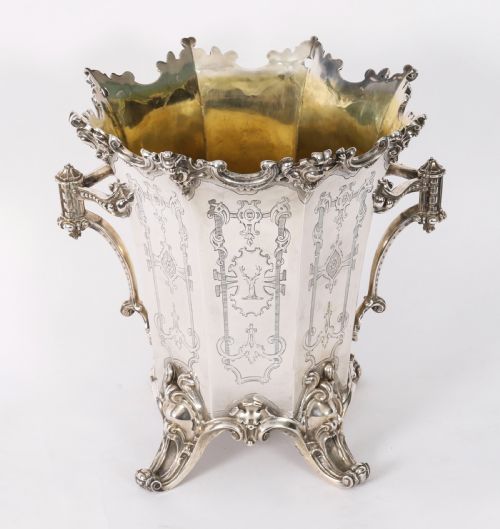
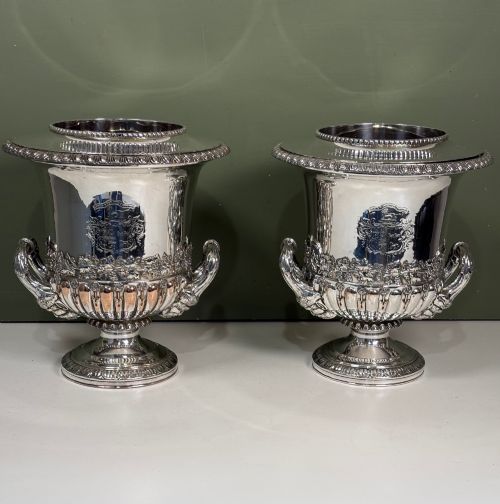
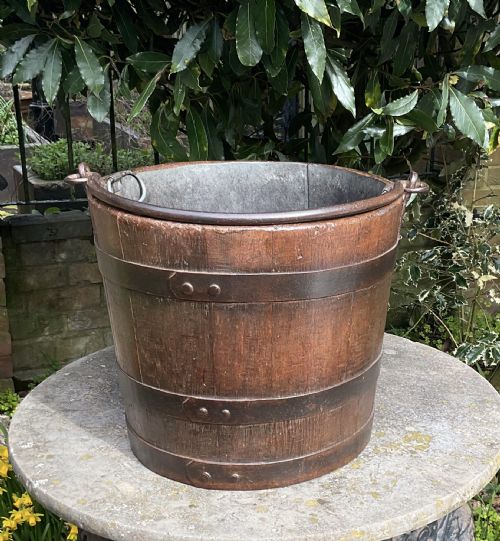
A victorian champagne bucket takes several distinct forms across nineteenth-century dining rooms, appearing primarily as silver plated wine coolers, coopered oak vessels with metal bands, and brass trophy vases. Buyers seeking this phrase encounter sturdy containers designed to hold ice and bottles during feasts and gatherings, alongside related serving pieces such as punch bowls and biscuit barrels.
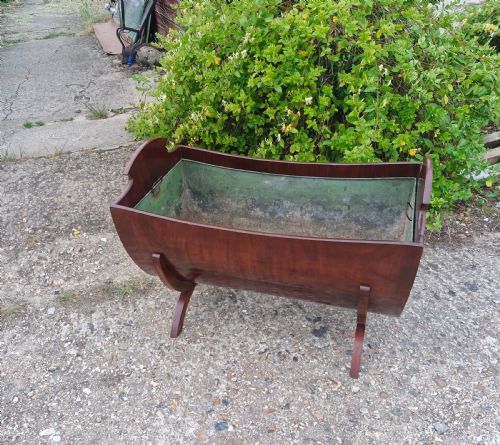
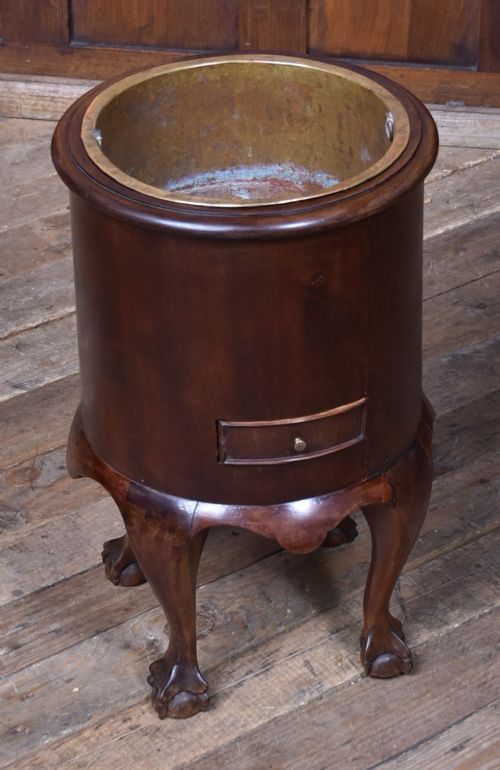
The materials span silver plate, oak, mahogany, brass, copper, iron and glass, reflecting both formal dining settings and country house utility. While some examples display ornate Victorian Rococo Revival or French styling with handles and crests, others rely on plain timber staves and brass hoops for a simpler aesthetic.
How they were made
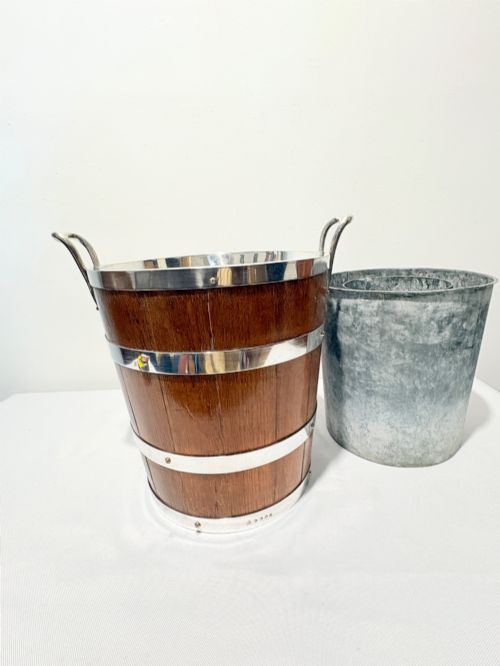
Makers constructed wooden buckets using cooperage techniques, binding staves of oak or mahogany with tight bands of brass or iron to ensure water resistance. Metal versions relied on silver plating over copper or base metals, often shaping the bodies through spinning or casting before applying decorative handles and engraved crests.
Interior liners of ceramic creamware or glass frequently accompanied the timber and metal frames to protect the structure from melting ice and moisture. Craftsmen employed joining methods suited to heavy daily use, resulting in durable vessels intended to support substantial weights of ice and bottles.
Victorian Champagne Bucket Retail Price Guide 2026
Typical asking prices for victorian champagne bucket among the pieces listed under this phrase on Sellingantiques today, from the lower quarter to the upper quarter. They describe what is for sale here now, not the wider market.
Listings for this phrase include examples in silver plate, oak, mahogany, brass, copper and glass across the nineteenth and twentieth centuries.
What varies in quality
Quality rests in the integrity of the construction, whether that means the tight fit of wooden staves and secure brass banding or the thickness of silver plating over the base metal. Superior examples retain their original ceramic or glass liners and show crisp casting on handles and applied mounts.
Pieces bearing recognised workshop marks, such as Elkington or Hawksworth Eyre, demonstrate higher standards of manufacturing and finish. The visual impact depends on balanced proportions and the preservation of original surfaces rather than modern alterations.
Elkington, Mason & Co·Hawksworth, Eyre & Co·Napier Clan
The Victorian Champagne Bucket Glossary
- Coopered
- Constructed from wooden staves fitted together and bound with metal hoops, much like a barrel. This method provides the strength needed for holding ice and liquids.
- Silver plate
- A layer of silver fused to a base metal such as copper, popular for nineteenth-century tableware. It offered the appearance of solid silver at a lower cost.
- Rococo Revival
- A nineteenth-century design style drawing on eighteenth-century French motifs, featuring C-scrolls, asymmetric ornamentation and naturalistic floral details.
- Creamware
- A fine earthenware developed in England, frequently used for the internal liners of nineteenth-century ice buckets and cooling vessels.
Victorian Champagne Bucket: Frequently Asked Questions
How do I use a victorian champagne bucket today?
These vessels function effectively as wine and champagne coolers at modern dinner parties, holding ice and bottles just as they did in the nineteenth century.
Alternatively, they serve as decorative planters or umbrella stands when lined properly to protect older timber and metal surfaces from moisture damage.
Did all victorian champagne buckets have liners?
Many wooden and silver plated examples included removable ceramic creamware or glass liners to contain melting ice and prevent water stains.
Buckets without surviving liners often functioned directly as wine coolers or log baskets, depending on their original construction.
How do I tell silver plate from solid silver?
British nineteenth-century pieces made of solid silver carry traditional hallmarking stamps including a town mark, lion passivity and date letter. Silver plated items display manufacturer marks that denote electroplating processes rather than official assay office hallmarks.
What is a coopered oyster bucket?
Coopered oyster buckets are timber vessels built with staves and brass or iron hoops, originally used for storing shellfish on ice. Their robust construction makes them visually similar to wine cooling vessels of the same period.