


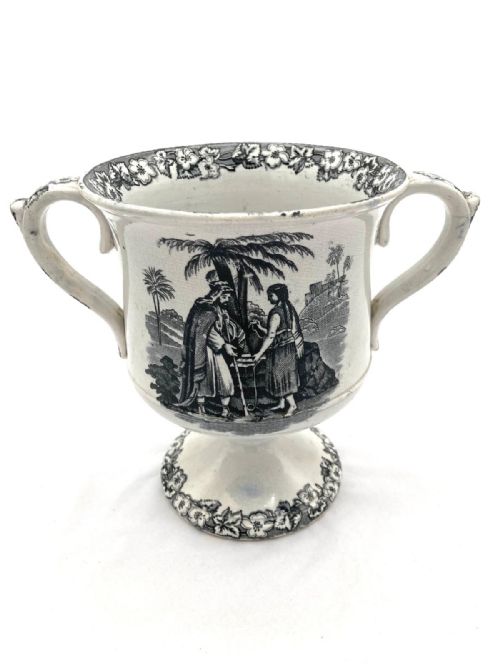


Victorian Ceramic Pedestal
A Victorian ceramic pedestal raises plants and display vessels with structural colour.
Victorian Ceramic Pedestal
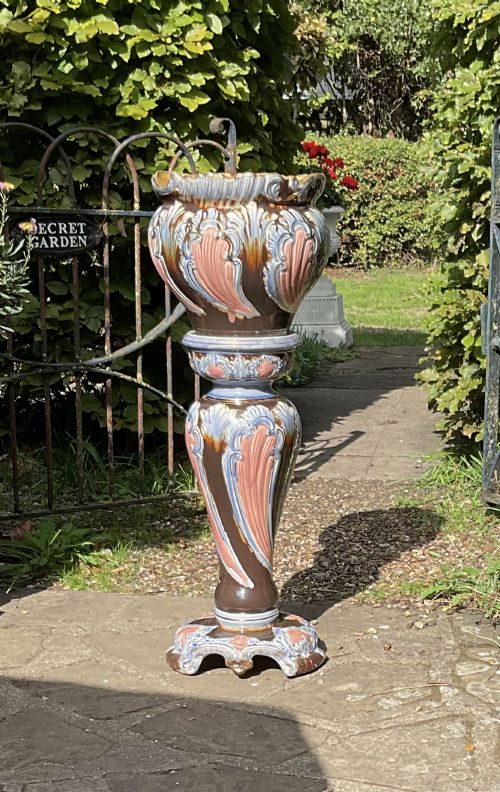
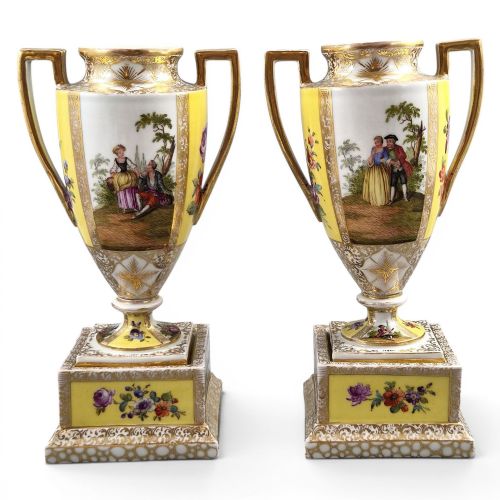
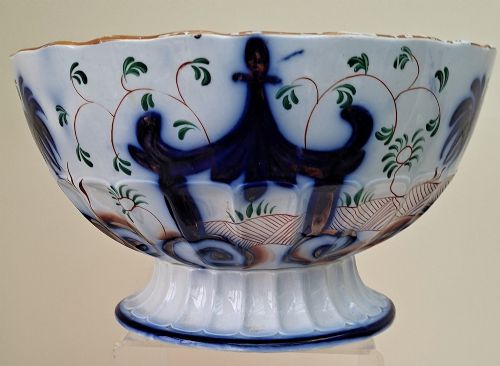
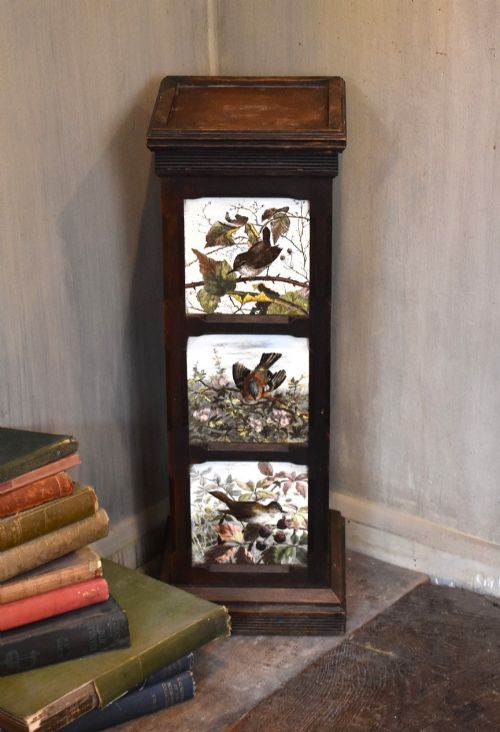
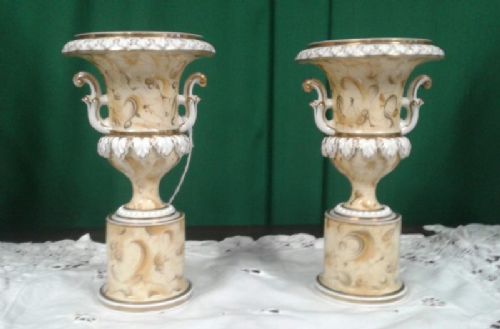
A Victorian ceramic pedestal forms a vertical display stand, often paired with a matching jardiniere or bowl to hold large plants and decorative arrangements. These pieces emerge in styles ranging from Rococo Revival and Neoclassical to Aesthetic Movement and Art Nouveau.
The tall column designs typically divide into a base, shaft, and capital, moulded from earthenware or porcelain and finished with heavy glazes. Surviving examples frequently combine the stand with an integrated planter or showcase dedicated art pottery from British and continental workshops.
How they were made
Potters built these tall supports using robust earthenware and terracotta clays capable of holding vertical weight without slumping during firing. Complex forms relied on multi-part moulds that allowed crisp relief decoration, plant motifs, and animal figures to emerge sharply from the clay body.
Coloured lead glazes, majolica enamels, and transfer printing provided the surface colour, often set in contrasting matte and glossy textures. Kiln firings fixed these liquid glazes into impermeable coats of vibrant turquoise, cobalt blue, yellow, and rich brown.
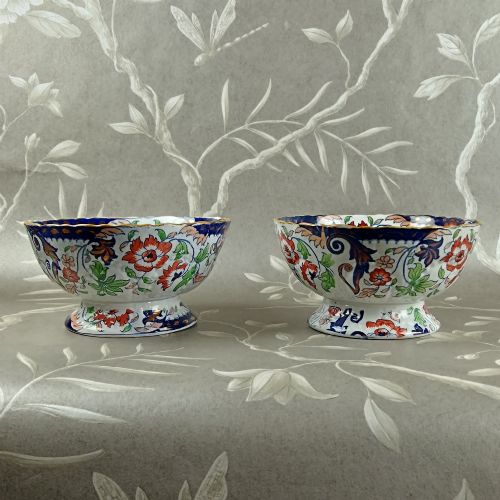
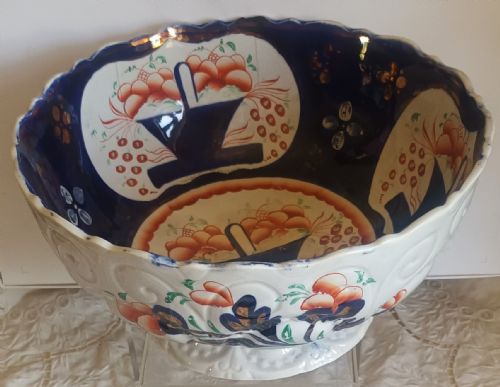
The listings show pedestals and jardinieres from the nineteenth century through the early twentieth century, utilising majolica, terracotta, porcelain, and earthenware.
What varies in quality
Quality rests in the crispness of the modelled relief and the depth of the glaze application. Finer pieces retain sharp details in foliage, figures, and architectural moulding without the blurring or pooling that occurs when moulds grow worn.
The ambition of the design dictates the standing of the piece, separating standard utilitarian plant holders from sculptural Majolica and art pottery stands signed by major factories.
Burmantofts Art Pottery·Royal Doulton·Minton·Julius Dressler·Clement Massier
The Victorian Ceramic Pedestal Glossary
- Majolica
- A type of earthenware covered in an opaque tin glaze and painted with brightly coloured metal oxide pigments. It gained immense popularity during the Victorian era for bold garden ornaments and table wares.
- Jardiniere
- A large ornamental pot or planter designed to hold growing plants indoors. These vessels frequently sit atop matching ceramic pedestals.
- Campana
- A classical bell-shaped urn form derived from ancient Roman bronze and marble models. Victorian makers reproduced this silhouette in porcelain, ironstone, and earthenware.
- Earthenware
- Porous pottery fired at relatively low temperatures and rendered waterproof through the application of a vitreous glaze. It forms the heavy body of most large Victorian pedestals and jardinieres.
- Comport
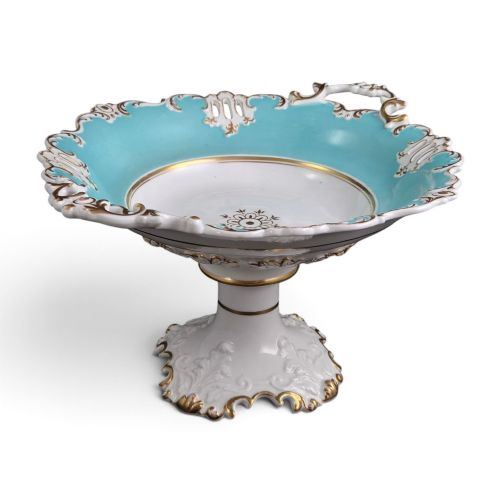
- A raised dish or bowl used for serving fruit or sweets on a dining table. Ceramic examples often feature decorative pedestals or footed bases.
Victorian Ceramic Pedestal: Frequently Asked Questions
What is a ceramic pedestal?
A ceramic pedestal is a tall column designed to elevate plants, jardinieres, or decorative urns above floor level.
These stands use heavy earthenware or porcelain bodies to provide stable support for large indoor arrangements.
How were pedestals used?
Victorian households placed these stands in hallways, conservatories, and drawing rooms to display potted palms and ferns.
They served both a practical function for indoor botany and a purely decorative role in interior design.
Are stands and jardinieres sold together?
Many surviving examples remain as matched pairs where the top vessel rests securely on the column capital.
Over time, separate pieces often became parted, making complete sets notably harder to find intact.