





Victorian Ceramic Character Jug
These Victorian ceramic character jugs bring robust personality and history to any shelf, capturing familiar figures in tactile earthenware.
Victorian Ceramic Character Jug
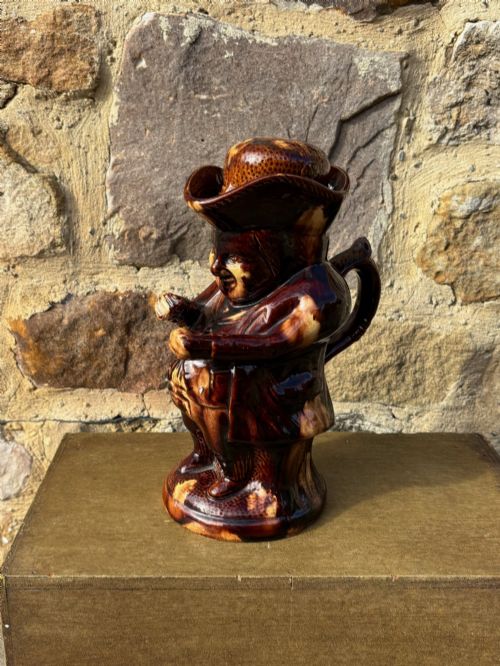
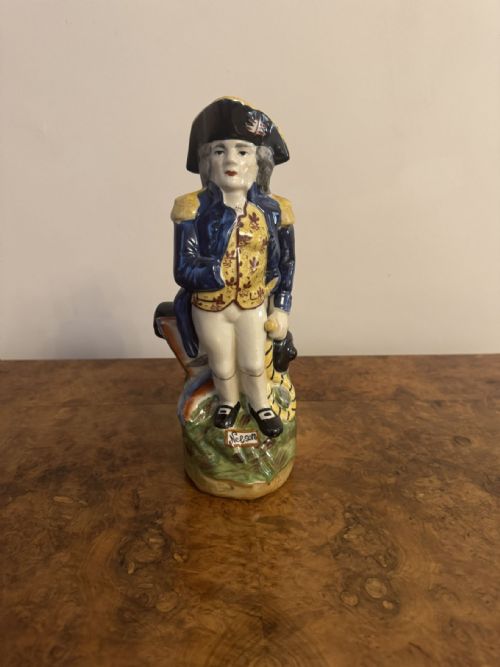
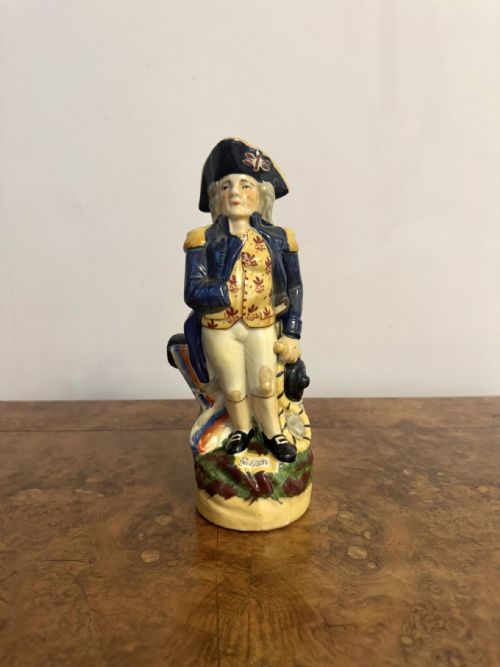
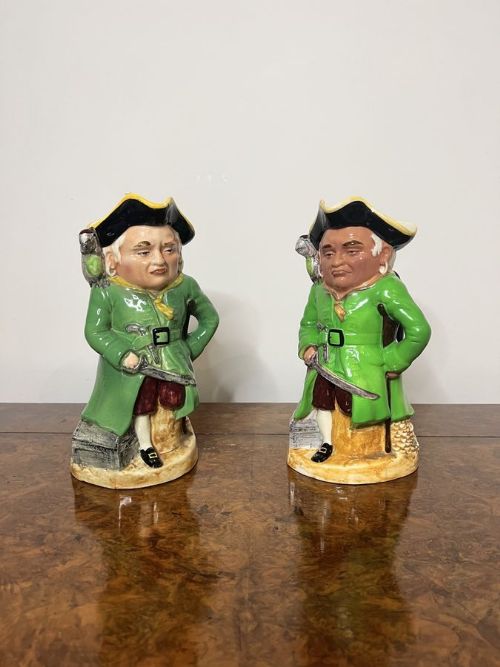
A Victorian ceramic character jug represents a distinct individual, historical personality or archetype, frequently taking the form of traditional figures such as Lord Nelson, Admiral Lord Nelson, Mr Snuff, or the Squire. These pieces emerge from the nineteenth century, spanning periods from eighteen sixty through to nineteen hundred, and include regional variations like Dutch Delftware and Staffordshire pottery.
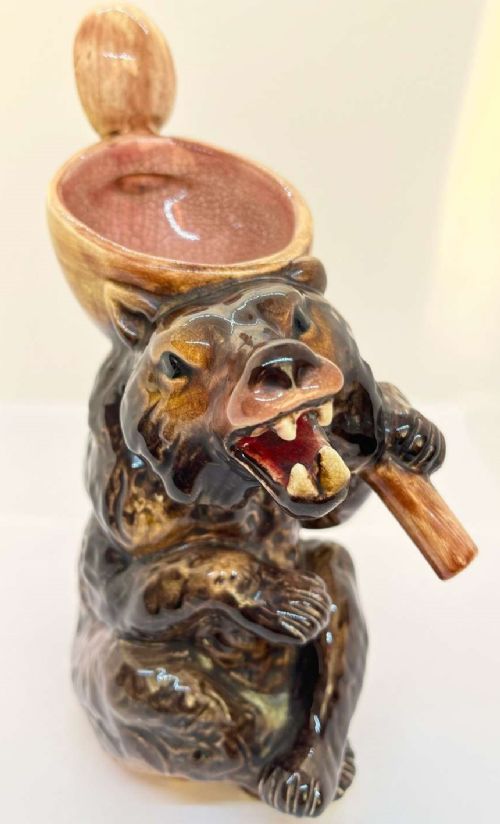
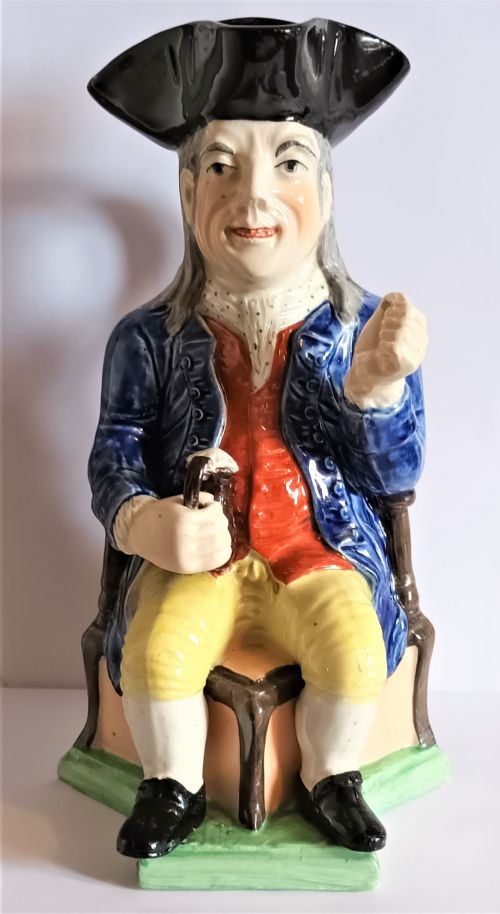
Buyers frequently encounter Staffordshire pottery examples on this page, which depict seated gentlemen holding mugs of ale, alongside rarer forms such as bear jugs, spaniels, and small pepperpot figures. The execution ranges from robust Staffordshire figures to Delft faience and Stevenson & Hancock Derby productions.
The primary forms include Toby jugs, decorative jugs, pitchers, and small pepperpots, all sharing the characteristic depiction of a human or animal face and torso. Each piece serves as both a functional pouring vessel and a decorative figurine, reflecting the popular culture and humour of the period.
Materials and methods
Potters utilised earthenware and ceramic bodies moulded into specific character shapes, subsequently applying lead glaze, enamel, paint, and ceramic glaze to finish the surface. The application of coloured glazes created vibrant coats for figures such as the Merry Christmas Toby jug and the Holdcroft Majolica bear.
Firing techniques of the nineteenth century produced glossy finishes that protected the underlying polychrome paintwork, particularly on Dutch Delft faience and Staffordshire pieces. The combination of slip casting or moulding with hand painting allowed workshops to produce detailed facial expressions and textured clothing.
Victorian Ceramic Character Jug Retail Price Guide 2026
Typical asking prices for victorian ceramic character jug among the pieces listed under this phrase on Sellingantiques today, from the lower quarter to the upper quarter. They describe what is for sale here now, not the wider market.
Listings feature earthenware and ceramic bodies finished with lead glaze, enamel, and paint across the nineteenth century.
Assessing quality and character
The definition of the modelling separates standard production wares from superior pieces, particularly in how sharply buttons, facial lines, and hats are rendered. Markings, such as pseudo marks or factory attributions, also influence the perceived standing of a piece.
Holdcroft·Stevenson & Hancock
The Victorian Ceramic Character Jug Glossary
- Earthenware
- A porous pottery body fired at lower temperatures, requiring a glaze to become impermeable. It forms the structural base for the majority of nineteenth century figures.
- Lead glaze
- A glossy coating containing lead oxide that melts during firing to form a shiny, protective glass layer over ceramic bodies. This finish enhances the colours of the painted decoration.
- Staffordshire pottery
- Earthenware produced in the Staffordshire potteries region, famous for figural Toby jugs and animals. These works capture popular figures and domestic scenes of the era.
- Toby jug
- A pottery jug shaped as a full-bodied person, usually a stout man wearing a tricorn hat and holding a mug of beer. They remain central to the tradition of character jugs.
Victorian Ceramic Character Jug: Frequently Asked Questions
What is a Toby jug?
A Toby jug is a pottery vessel modelled in the likeness of a seated person, traditionally wearing a tricorn hat and holding a mug of ale. These pieces combine sculptural form with practical pouring function.
Originating strongly in the eighteenth and nineteenth centuries, they depict recognisable types, historical leaders like Lord Nelson, or fictional characters such as the Squire.
How were character jugs used?
These jugs served as functional vessels for pouring beverages at the table, while also acting as decorative ornaments on sideboards and mantelpieces. Their humorous and distinct faces provided a point of conversation for guests.
Smaller variants, such as pepperpots, fulfilled specific table service duties while maintaining the same figural sculptural style.
How do I care for my jug?
Display your ceramic pieces away from direct sunlight to protect the enamel and painted surfaces from fading over time. Dust them gently with a soft, dry cloth rather than submerging them in water.
Avoid using chemical cleaning agents on nineteenth century glazes, as the historic surfaces can be sensitive to modern solvents.
How can I tell periods apart?
Periods are identified by examining the style of the modelling, the type of ceramic body, and the characteristics of the glaze. Mid nineteenth century pieces often feature hand painted details over earthenware bodies.
Later Victorian and turn of the century pieces may show differences in glaze thickness, colour palettes, and base markings compared to earlier counterparts.