



Victorian Ceiling Shade
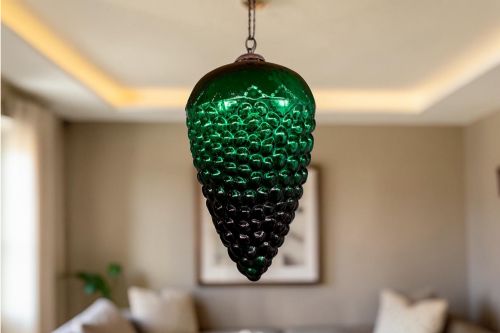
A proper victorian ceiling shade brings a warm, diffused glow to a room through coloured, opalescent, or etched glass.
Victorian Ceiling Shade
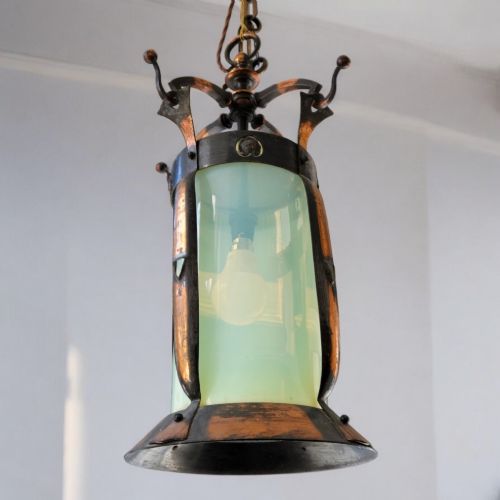
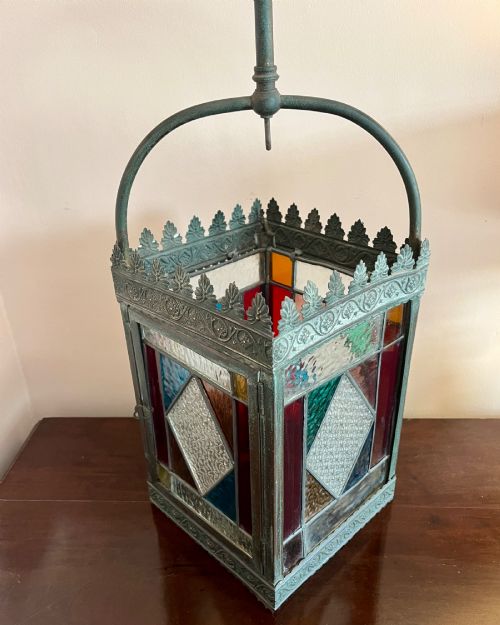
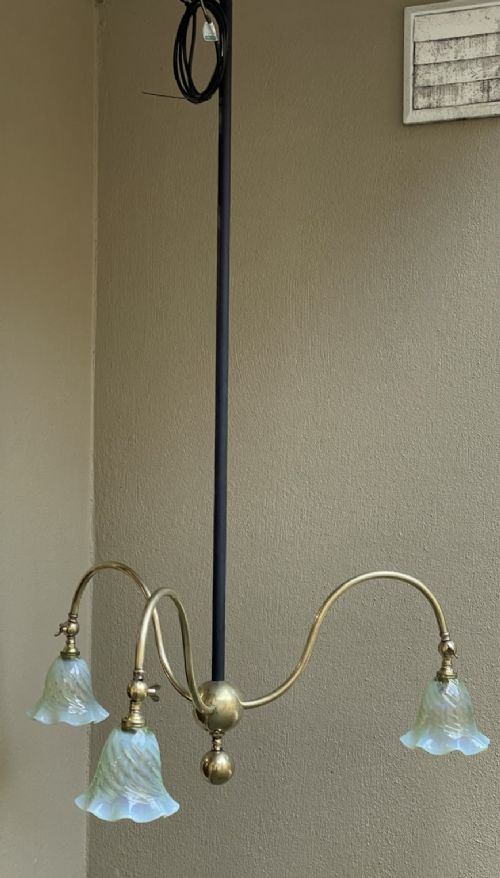
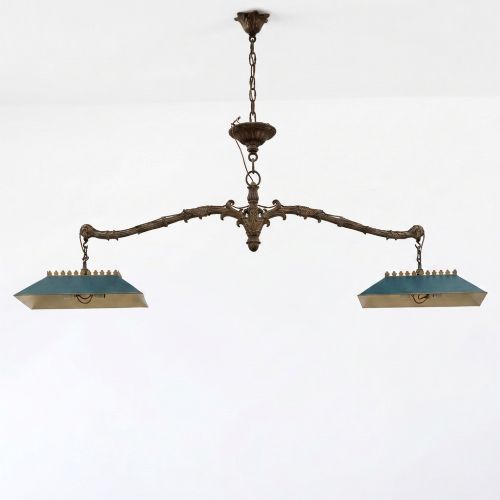
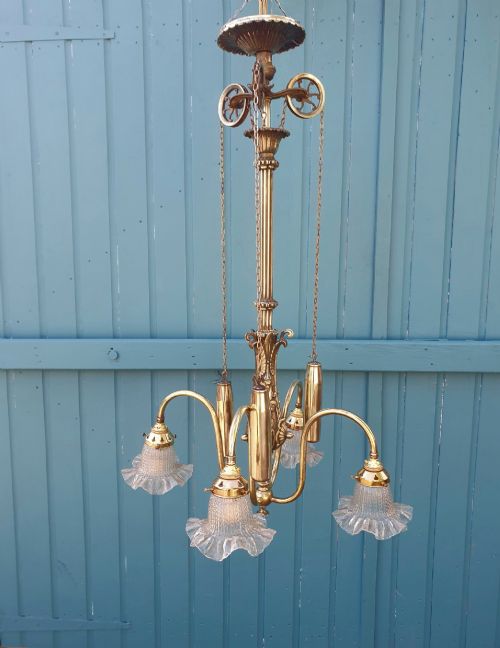
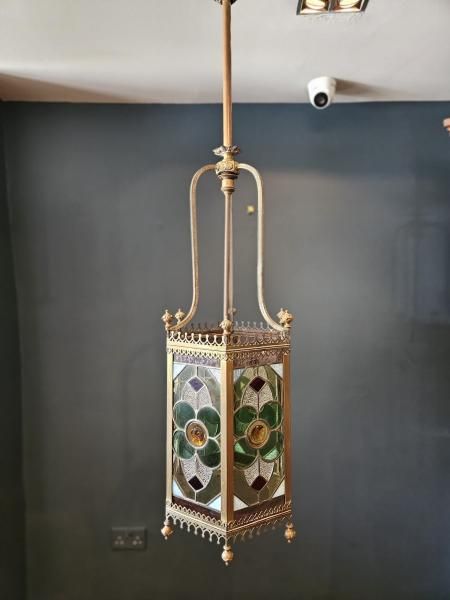
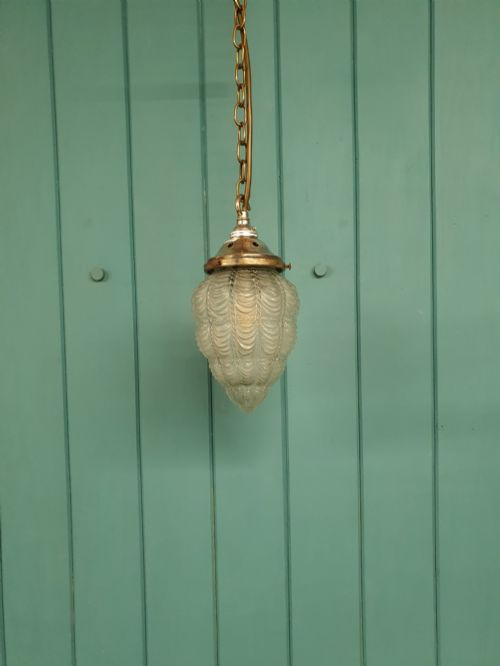
When you search for a victorian ceiling shade, you encounter a variety of overhead fittings designed for gas or early electric lighting during the nineteenth century and the decades immediately following. These items encompass single pendant lampshades, elaborate brass gasoliers, leaded glass lanterns, and multi-branched chandeliers intended to light principal rooms and billiard spaces.
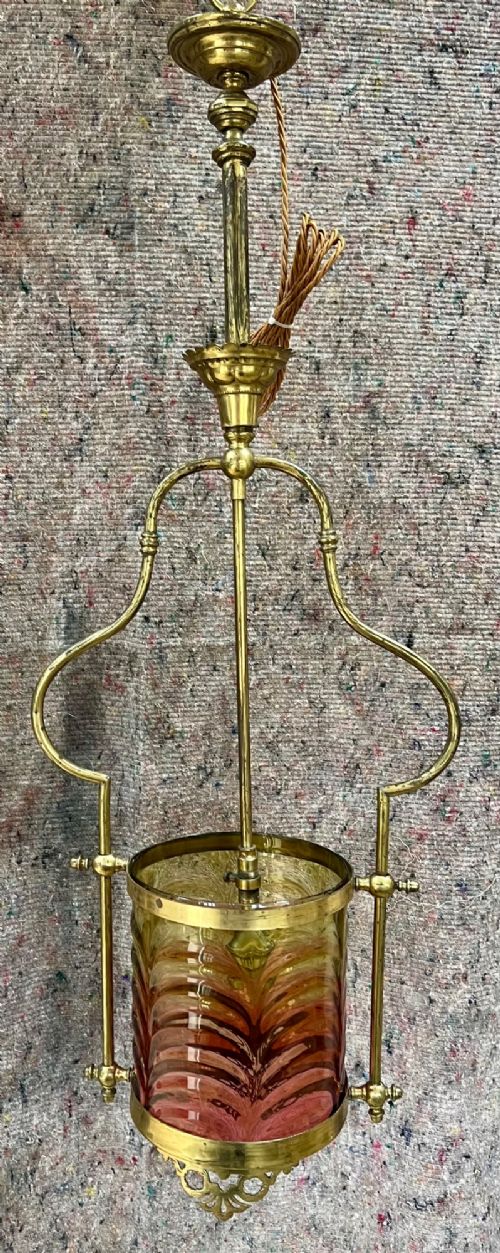
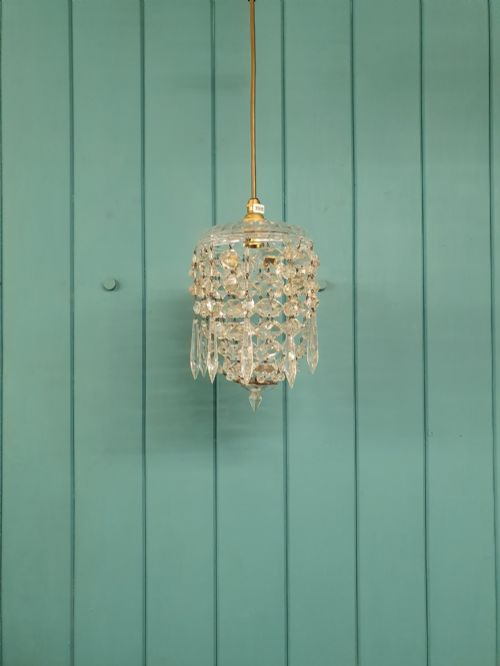
The pieces appearing on this page span from the strict formality of the Victorian era through Edwardian adaptations and into the simpler glass pendants of the nineteen-thirties. You meet railway lanterns in heavy copper, delicate pink crimped glass shades, and robust cast iron witches hats alongside refined cut crystal dome chandeliers.
Most examples originate from British domestic or municipal settings, though French styles such as rococo revival and chateau fittings also surface. Whether you select a simple amber glass beaded shade or a grand bronze ceiling light with cut glass shades, each object retains the original hardware or adapts gracefully to modern interiors.
How they were made
The makers of a victorian ceiling shade relied on combinations of spun and cast brass, copper, bronze, and iron to form the structural frames, roses, and hanging arms. Metalwork was frequently pierced, gilded, or left in its natural finish, supporting shades fashioned from ruby, cranberry, opalescent, and amber glass.
Glass production during this period employed techniques ranging from hand-blowing and diamond-cutting to acid-etching and crimping the rims while hot. Artisans also constructed complex leaded glass lanterns and delicate beaded shades, securing the glass components within sturdy metal galleries and cherub or putti arms.
Victorian Ceiling Shade Retail Price Guide 2026
Typical asking prices for victorian ceiling shade among the pieces listed under this phrase on Sellingantiques today, from the lower quarter to the upper quarter. They describe what is for sale here now, not the wider market.
Listings for a victorian ceiling shade frequently feature brass, copper, and bronze paired with ruby, cranberry, opalescent, and cut crystal glass across nineteenth and early twentieth-century periods.
What varies in quality
The distinction between standard production and superior craftsmanship in a victorian ceiling shade lies in the weight of the metal and the depth of the glasswork. Heavier cast bronze or brass frames with intricate piercing and original gilding represent the upper tier, whereas lighter stamped components sit lower in the range.
Quality also shows in the glass itself, where heavy hand-blown lead crystal, deep cranberry hues, and intricate diamond cutting or hand-etching elevate a piece far above simple pressed glass substitutes. The integrity of the original hanging mechanisms, rise and fall pulleys, and matching ceiling roses further separates utilitarian pieces from exceptional decorative examples.
Perry & Co
The Victorian Ceiling Shade Glossary
- Gasolier
- A multi-branched ceiling light fixture originally designed for gas lighting before being converted to electricity. These fixtures often feature elaborate brass arms and matching glass shades.
- Opalescent Glass
- A milky, translucent glass that diffuses light softly and displays shifting tones when illuminated. It is frequently found in Victorian and Arts and Crafts ceiling fittings.
- Rise and Fall Chandelier
- A mechanical ceiling light equipped with a pulley system that allows the height of the pendant to be adjusted. This mechanism was particularly useful over billiard tables and dining rooms.
- Ceiling Rose
- The decorative circular plaster or metal moulding affixed to the ceiling where the electrical cable or gas pipe emerges. Many antique fittings retain their original matching brass roses.
- Cranberry Glass
- A rich pinkish-red glass created by adding gold chloride to the molten batch during manufacturing. It is a defining material of late nineteenth-century decorative lighting.
Victorian Ceiling Shade: Frequently Asked Questions
How do I hang a victorian ceiling shade safely?
Most antique fixtures require modern electrical rewiring to meet current safety standards while retaining their original brass or bronze hanging loops and ceiling roses. A qualified electrician should install the light, ensuring the ceiling structure can support the weight of heavier cast iron or multi-branch brass chandeliers.
When positioning the fixture, consider the drop of the pendant relative to your ceiling height. Billiard lights and large lanterns need sufficient clearance, whereas smaller glass pendant shades suit lower residential rooms.
Can I convert a gasolier to electricity?
Many period gasoliers and brass chandeliers have already been adapted for modern electric bulbs while preserving their original burners, galleries, and glass shades. The conversion process safely runs wiring through the hollow brass arms without altering the exterior appearance of the piece.
When selecting bulbs for converted fixtures, choose lower wattage or warm LED filaments to replicate the soft glow of gas lighting and protect antique glass shades from excessive heat.
How do I clean antique glass shades?
Remove delicate glass shades from their metal galleries whenever possible to clean them safely in warm, soapy water. Avoid harsh abrasives, particularly on etched, enamelled, or flashed ruby and cranberry glass surfaces.
Metal components such as brass, copper, and bronze should be dusted gently with a dry cloth. Leaving a natural patina on the metal is generally preferred over aggressive polishing.
What rooms suit a large hanging lantern?
Large brass, copper, and leaded glass lanterns function well in entrance halls, stairwells, and high-ceilinged reception rooms where their substantial proportions can be appreciated. Their enclosed or semi-enclosed designs project focused or diffused light downward.
Pairing a railway lantern or a gothic revival brass fixture with period architectural details enhances the historic character of the space.