


Victorian Ceiling Pendant
A victorian ceiling pendant provides practical downward illumination while anchoring a room with period metalwork and glass.
Victorian Ceiling Pendant
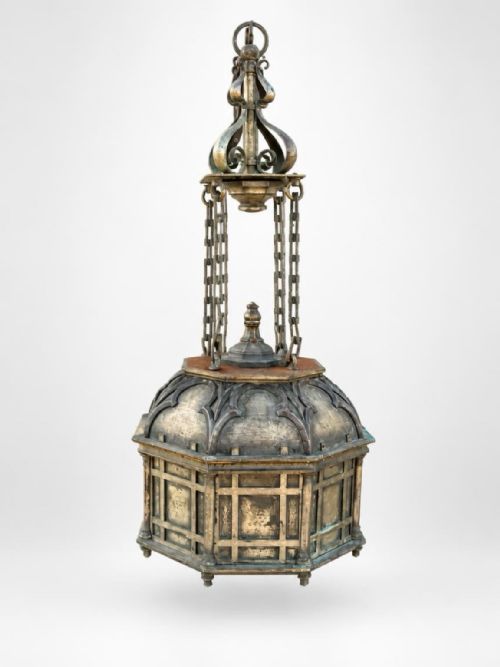
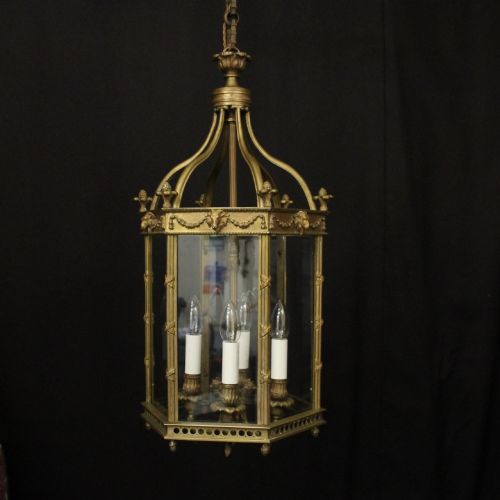
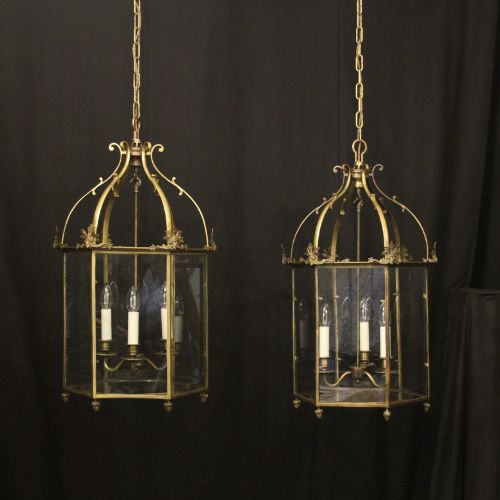
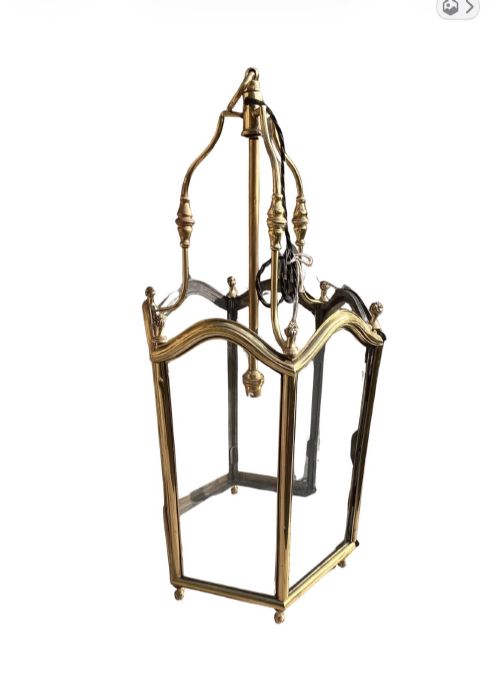
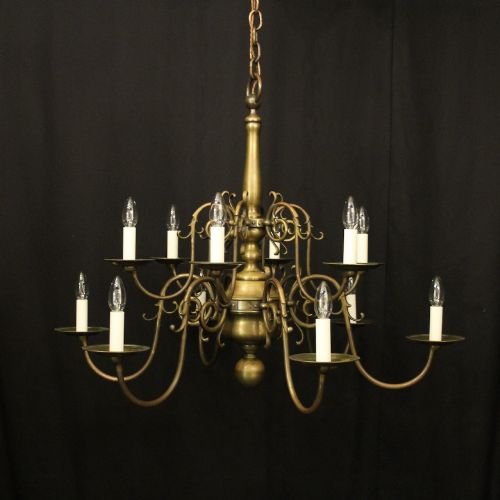
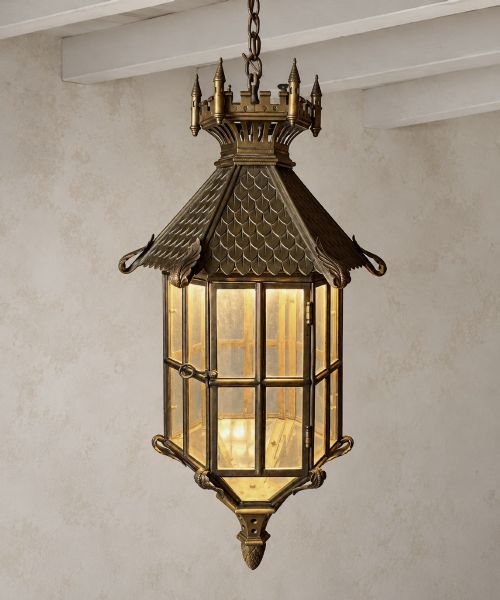
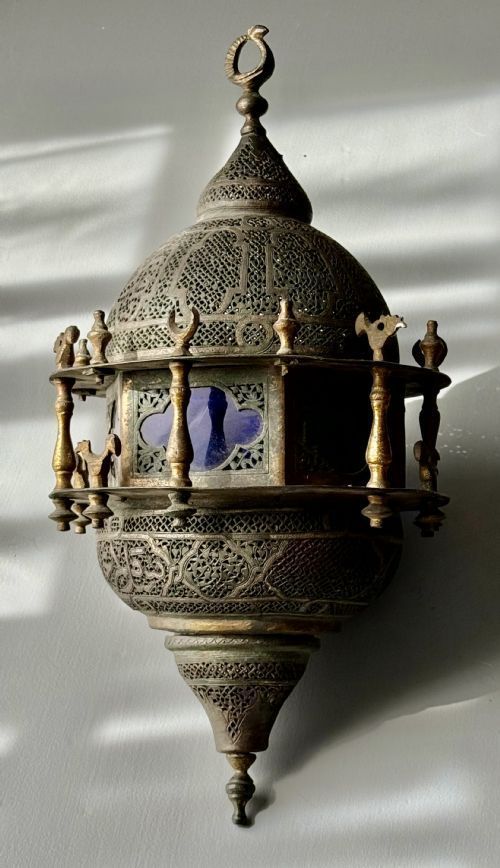
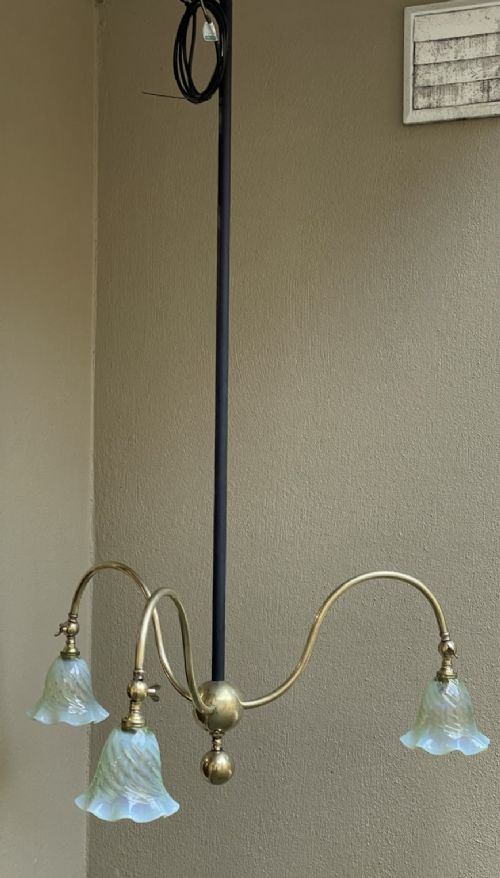
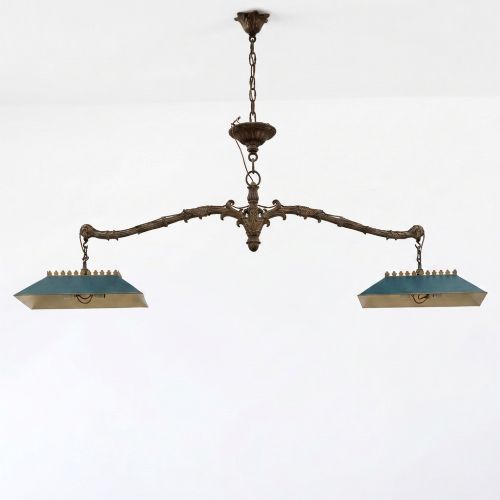
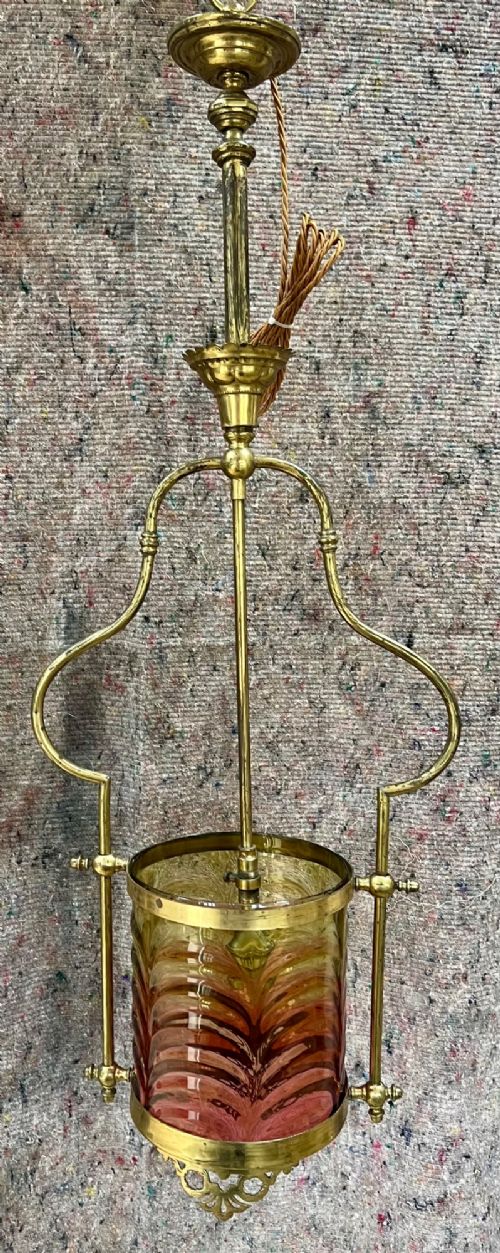
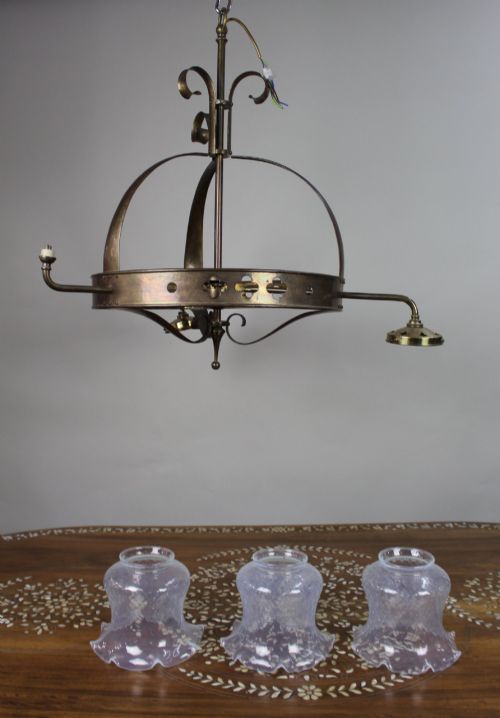
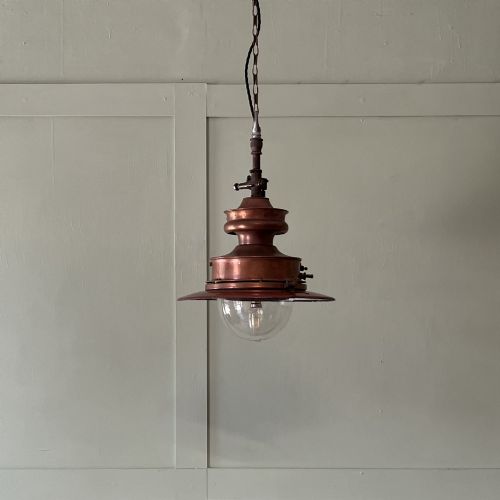
A victorian ceiling pendant brings overhead illumination through hanging lanterns, chandeliers, and single drop lights originating primarily from the nineteenth century and the Edwardian era. These fixtures distribute light across entrance halls, billiard rooms, and parlours using suspended frames attached directly to ceilings.
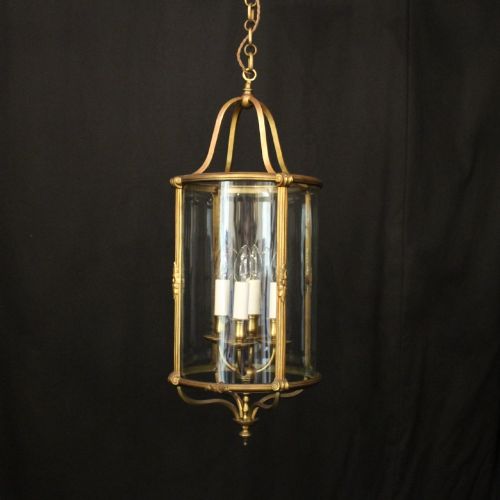
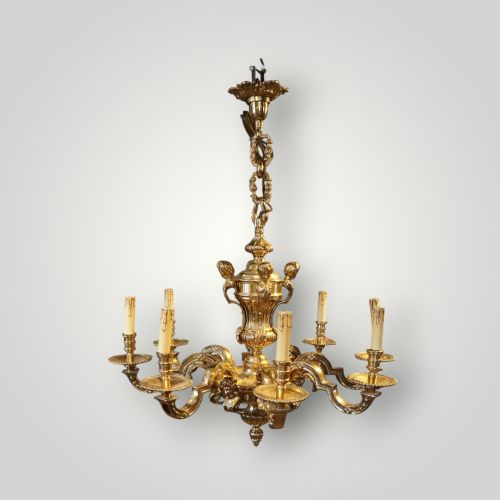
Most examples encountered on this page combine functional metal frameworks with glass shades, ranging from simple brass lanterns to elaborate multi-armed chandeliers. The selection encompasses regional English designs alongside continental French bronze and gilt pieces.
Buyers will find distinct forms tailored to specific domestic tasks, including long billiard lights designed for games tables and enclosed hall lanterns meant for entranceways. Each configuration reflects the lighting technology of its decade, shifting from paraffin and gas to early electrical wiring.
Materials and construction
Constructed predominantly from cast and spun brass, bronze, and gilt metal, these pendants utilise durable metallic skeletons to support heavy glass elements. Frameworks frequently feature soldered lead came holding individual glass panes together within lanterns and geometric shades.
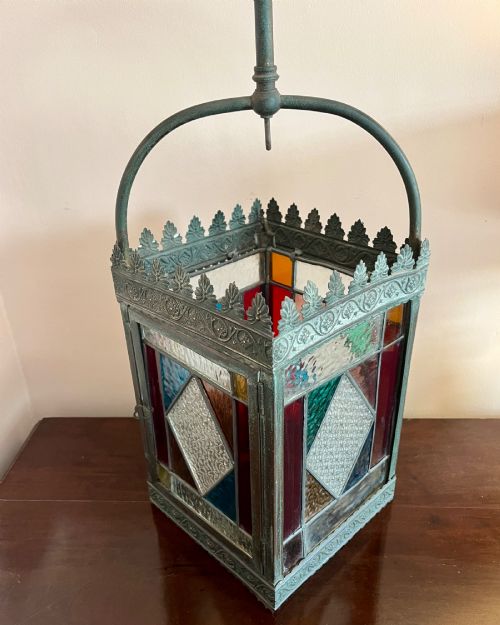
Glass components are worked in multiple techniques, incorporating heavy cut crystal domes, opalescent shades, and textured leaded panels. Gesso and giltwood details appear on select multi-armed chandeliers, combining carved wooden bases with metallic finishes.
Victorian Ceiling Pendant Retail Price Guide 2026
Typical asking prices for victorian ceiling pendant among the pieces listed under this phrase on Sellingantiques today, from the lower quarter to the upper quarter. They describe what is for sale here now, not the wider market.
Railway guards and billiards players share the same ceiling space here.
Differentiating quality in hanging lights
The distinction between standard utility lighting and superior examples lies in the crispness of metal casting and the heft of the framework. Heavier brass and bronze castings with sharply defined ornamentation indicate superior workshop output compared to thinner, pressed sheet metal alternatives.
Glass quality also separates the range, where hand-cut crystal and deeply coloured or opalescent shades demonstrate higher craftsmanship than plain moulded glass. The integrity of internal burner mechanisms, such as signed paraffin components, adds notable weight to a piece's construction.
Osler
The Victorian Ceiling Pendant Glossary
- Gasolier
- A multi-branched ceiling light designed specifically to burn piped coal gas before the widespread adoption of domestic electricity.
- Plafonnier
- A shallow bowl-shaped ceiling light fixture that sits relatively flat against the ceiling surface rather than hanging low on a chain.
- Holophane
- A brand of scientific prismatic glass shade engineered to direct and diffuse light efficiently while reducing glare.
- Rise and fall
- A mechanical pulley mechanism allowing the hanging height of the pendant light to be adjusted manually up and down.
- Lead came
- The narrow flexible lead strips used to hold individual pieces of cut glass together in stained or leaded glass lanterns.
Victorian Ceiling Pendant: Frequently Asked Questions
How do I hang a heavy pendant?
These heavy brass and bronze fixtures require direct attachment to ceiling joists using appropriate steel hooks and pattens capable of supporting their substantial weight.
Wiring should be assessed by a qualified professional to ensure the internal paths safely accommodate modern electrical loads without stressing antique metal loops.
Were these originally gas or electric?
Many nineteenth-century pieces began life as gasoliers or paraffin lamps before being converted to electricity during subsequent decades. Surviving threaded burners and hollow gas arms often remain visible beneath modern wiring.
Conversion methods vary widely, with some retaining original keys and valves alongside contemporary lamp holders.
How do I clean antique glass shades?
Remove delicate glass shades from their metal frames whenever possible and wash them gently in warm soapy water using a soft cloth. Avoid harsh chemical cleaners that can strip aged patination from surrounding brass or lead came.
Leaded and stained glass panels require particular care to prevent moisture from seeping beneath the soldered joints.
How do I date a brass lantern?
Dating relies on examining the construction methods of the metal frame, the style of ventilation caps, and the type of glass used. Hand-cut crystals and heavy cast brass elements typically point towards the Victorian era, while later Edwardian pieces often incorporate lighter fittings.
Maker signatures stamped onto metal components or burners provide the most precise chronological markers.