

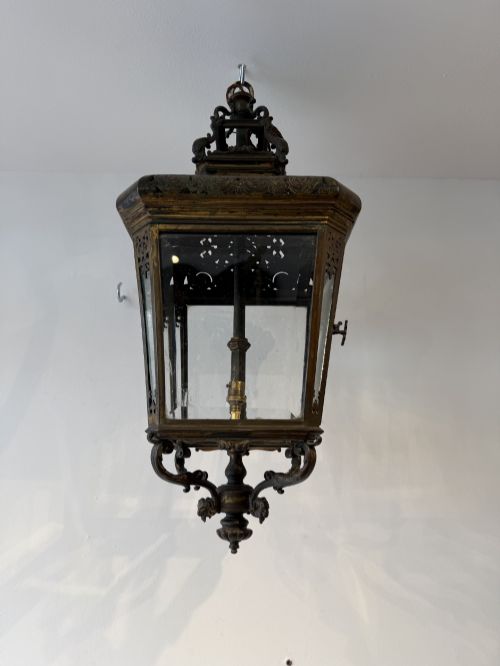


Victorian Ceiling Lamp
These hanging fixtures bring period character overhead, and a victorian ceiling lamp offers practical illumination paired with robust nineteenth-century metalwork and glass.
Victorian Ceiling Lamp
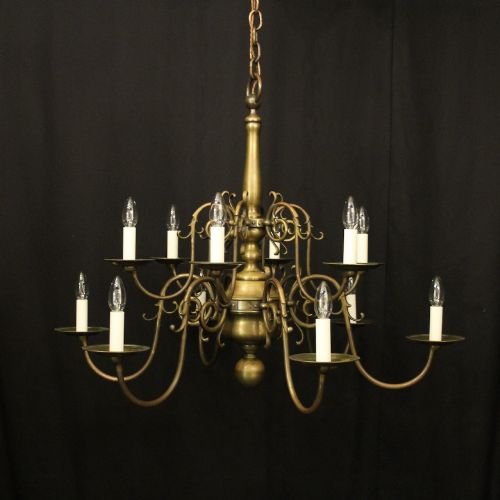
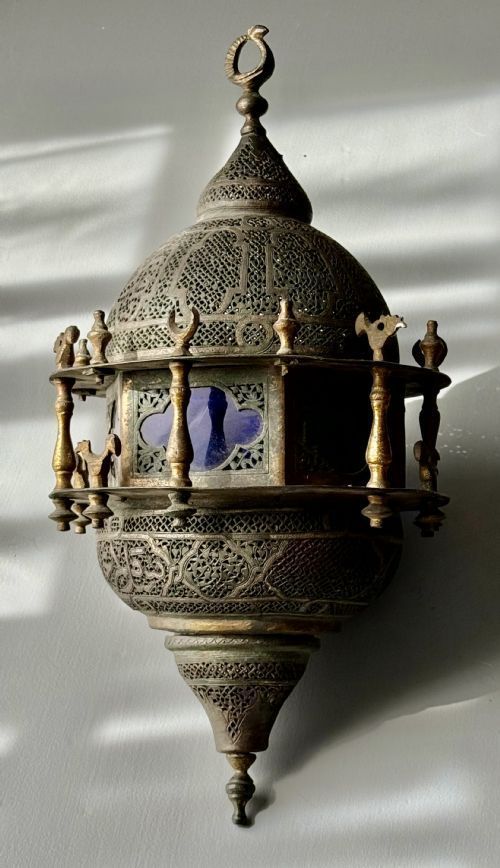
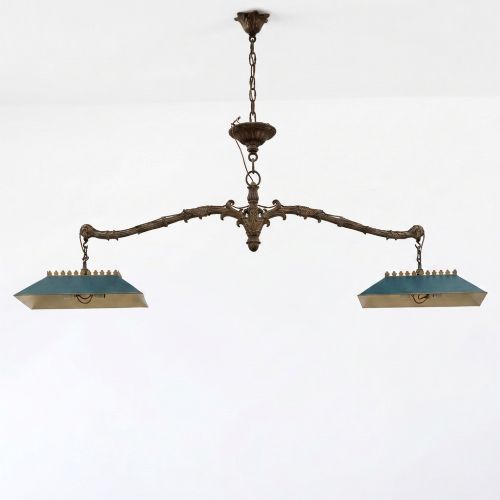
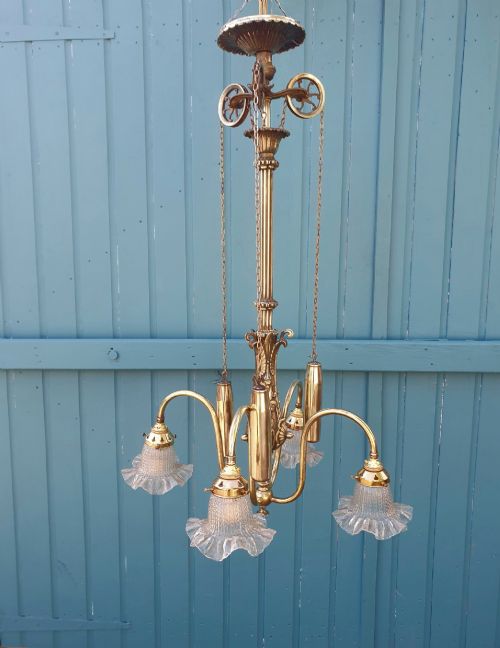
When you search for a victorian ceiling lamp, you encounter fixtures designed to suspend from overhead points to light halls, billiard rooms and living spaces. These pieces cross several styles from the period, including Gothic Revival, Arts and Crafts and Moorish Revival.
Many items date directly from the nineteenth century, whilst others extend into the Edwardian era and the early decades of the twentieth century. They utilise various suspension systems, from fixed chains to rise and fall mechanisms.
Materials and construction
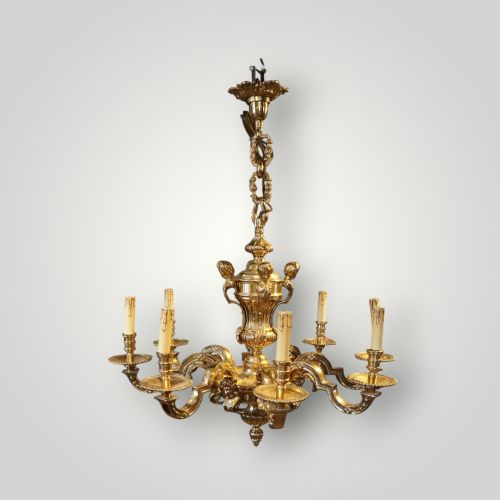
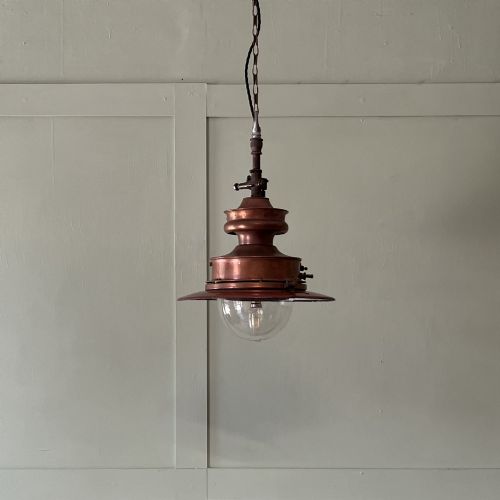
Makers constructed these fixtures primarily using durable metals such as brass, bronze, copper and gilded metal, often incorporating silver plating. Frames were cast, pierced or beaten into complex geometric and floral shapes to support the weight of the glass.
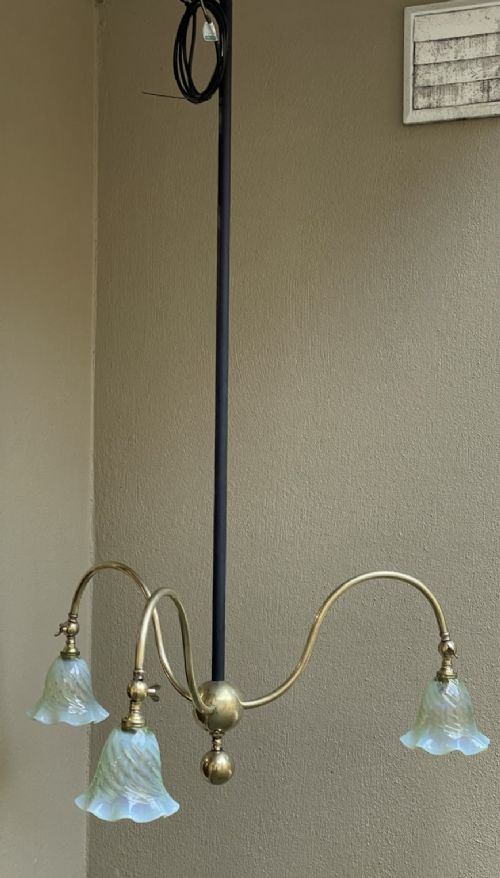
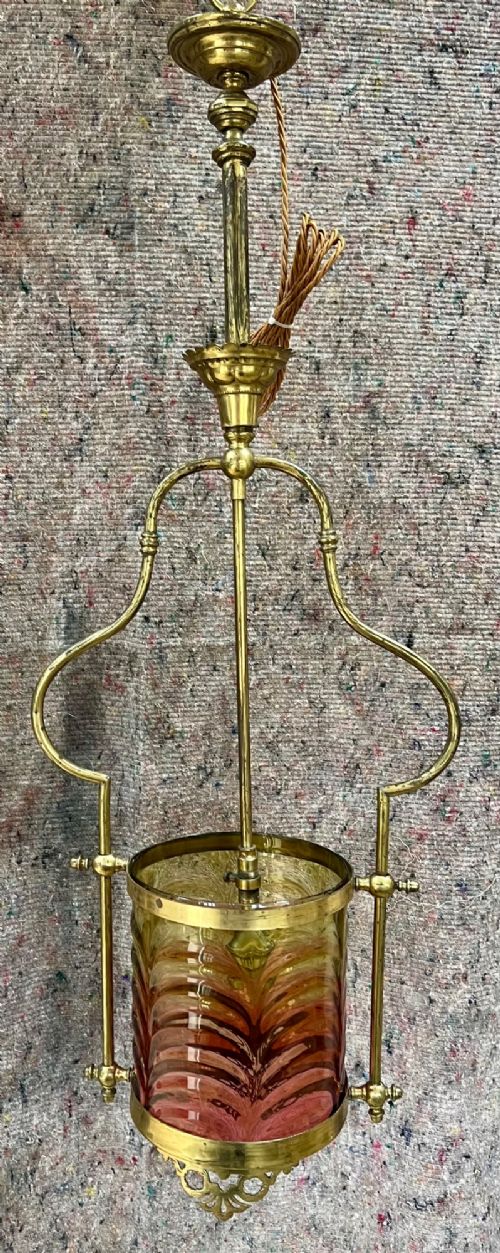
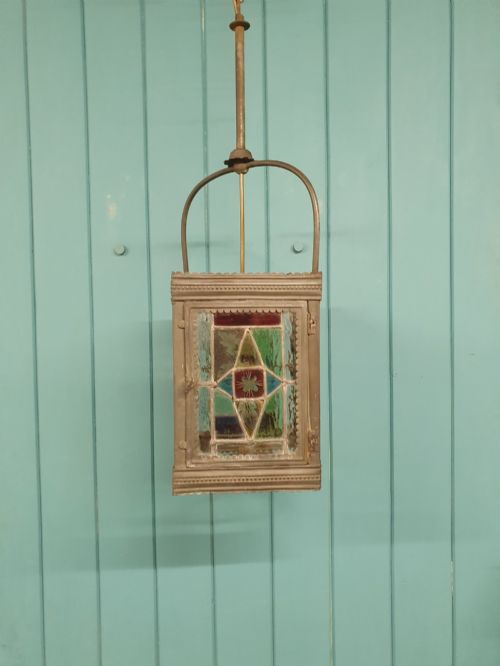
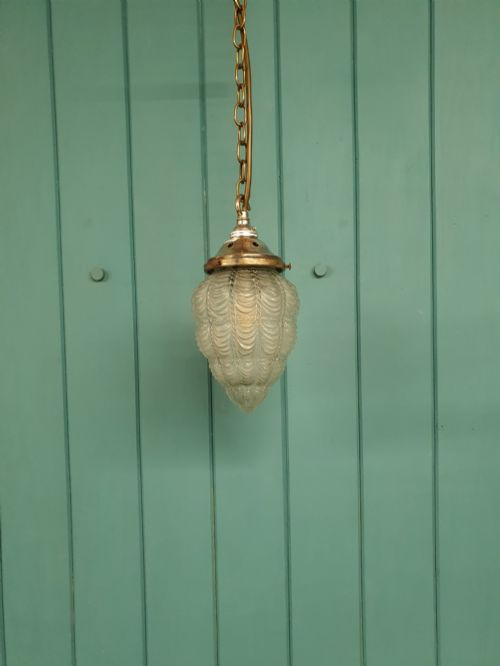
Glass elements were integral, appearing as leaded panels, opaline shades, etched globes or heavy cut glass crystals and waterfalls. Burners, such as those by Hinks, were integrated into oil or paraffin lamps before many units were later converted for electricity.
Victorian Ceiling Lamp Retail Price Guide 2026
Typical asking prices for victorian ceiling lamp among the pieces listed under this phrase on Sellingantiques today, from the lower quarter to the upper quarter. They describe what is for sale here now, not the wider market.
Several Victorian billiard lights survive because they spent decades safely illuminating late-night games of snooker in civic town halls.
Assessing quality in period lighting
Quality rests in the weight and thickness of the metal casting or hand-pierced work, as well as the crispness of details like leaf designs and cherub arms. Superior examples employ heavy bronze or substantial brass frames that maintain structural rigidity.
The glass component dictates much of the visual merit, distinguishing standard pressed bowls from hand-etched, opaline, layered or leaded shades. Original burners, matching shades and signed mounts elevate the integrity of a fixture.
Perry & Co·Pugin
The Victorian Ceiling Lamp Glossary
- Hinks burner
- A specific type of dual-wick oil burner mechanism patented in the nineteenth century. It provides efficient combustion for hanging paraffin lamps.
- Rise and fall chandelier
- A ceiling light featuring a mechanical pulley system with weights or springs. This allows the user to adjust the hanging height of the lamp.
- Opaline glass
- A type of semi-translucent white glass popular in nineteenth-century lighting. It softens and diffuses the light emitted from the burner or bulb.
- Pierced brass
- Metalwork decorated by cutting or punching holes through the sheet to form intricate patterns. This technique is common in Moorish and late nineteenth-century lanterns.
Victorian Ceiling Lamp: Frequently Asked Questions
Were these lamps converted from oil to electricity?
Many surviving nineteenth-century hanging lamps originally burned paraffin or used candles before being rewired for electric bulbs. Converted pieces often retain their original burners or font chambers alongside modern internal wiring.
This adaptation allows you to use historic metalwork and glass shades with contemporary electrical standards whilst preserving the physical history of the fixture.
How do I clean antique glass shades without damage?
Remove delicate glass shades from the metal frame whenever possible to wash them separately in lukewarm water with a mild, non-abrasive detergent. Avoid submerging metallic parts or painted sections that might degrade in water.
Dry the glass thoroughly with a lint-free cloth before reattaching it to the brass or bronze mount to prevent moisture spotting on etched or coloured surfaces.
What is the difference between a hall lantern and a pendant light?
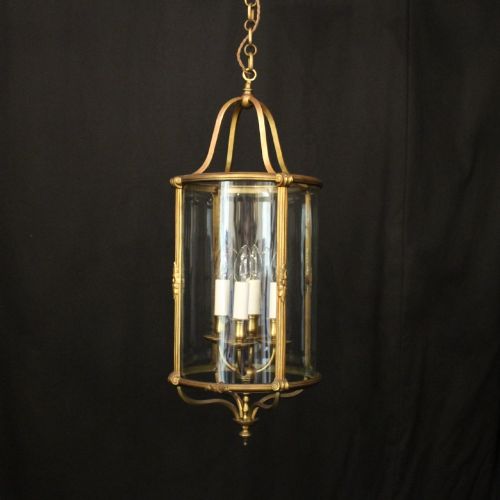
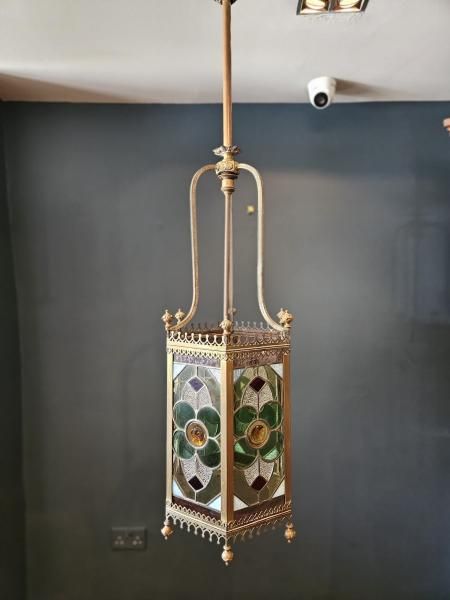
Hall lanterns typically feature enclosed glass panels held within a rigid metal cage or frame, originally designed to protect open flames from drafts in narrow entryways. Pendant lights generally hang from a single cord, chain or rod and may feature open-bottomed shades.
Both serve overhead lighting functions, but lanterns offer a more structured, boxy silhouette suited to corridors, whereas pendants project direct downward illumination.