



Victorian Cast Iron Tier
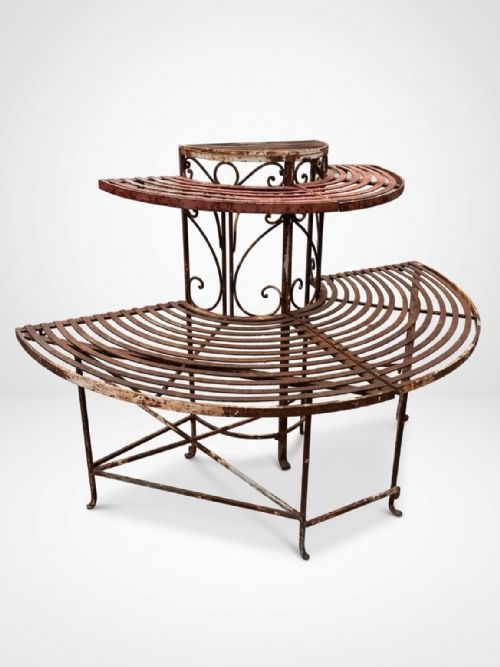
These Victorian cast iron tier pieces are robust multi-level stands designed for plants, shop displays, and utilitarian storage.
Victorian Cast Iron Tier
When you search for a Victorian cast iron tier, you encounter multi-layered stands primarily utilised for holding plants, shop goods, and domestic pans. These sturdy structures date from the nineteenth century, with examples spanning plant stands, pot stands, and retail display shelving.
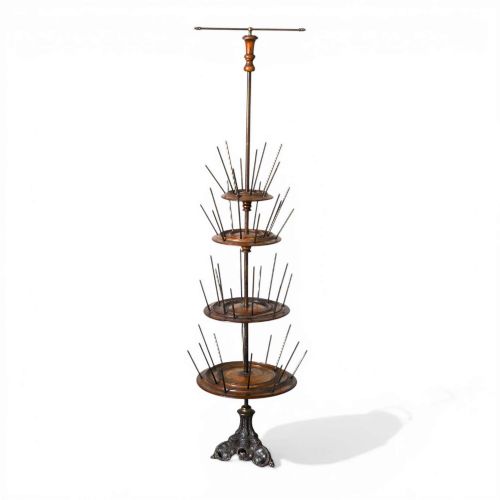
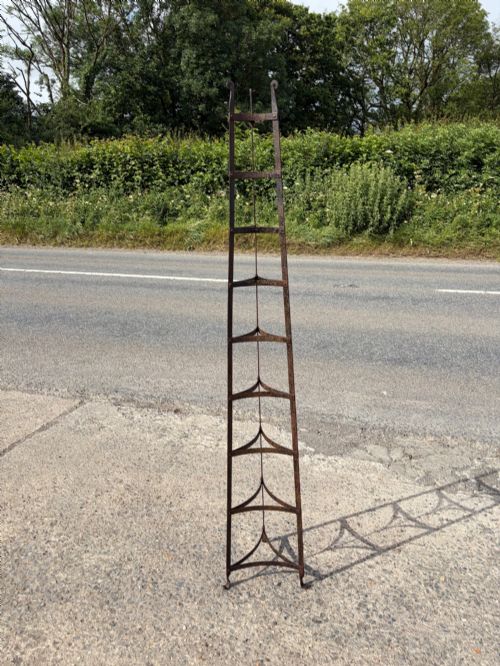
The pieces appearing on this page most frequently take the form of plant stands, jardiniere stands, and shop display trees with multiple tiers. They range from compact three-tier plant tables to taller industrial cotton reel display trees and multi-tier pan stands.
How They Were Made
Makers constructed these tiers primarily using cast iron and wrought iron, frequently combining them with brass components, steel, and wirework. Metal elements were often finished with protective paint coatings or left in a weathered state over time.
Certain pieces integrate other materials such as mahogany shelves, blending heavy metal frames with timber surfaces. Foundry casting techniques allowed makers to produce intricate openwork frames alongside robust structural uprights.
Victorian Cast Iron Tier Retail Price Guide 2026
Typical asking prices for victorian cast iron tier among the pieces listed under this phrase on Sellingantiques today, from the lower quarter to the upper quarter. They describe what is for sale here now, not the wider market.
The listings show nineteenth-century tier stands executed in cast iron, wrought iron, brass, and wirework, taking forms from plant stands to retail display shelving.
What Varies in Quality
Quality in these tiered stands rests upon the complexity of the ironwork design and the integrity of the tiered construction. Finer examples display refined casting detail in the floral or industrial ornamentation rather than purely utilitarian mass-produced joints.
The balance between the weight of the cast iron and the grace of the silhouette determines the upper tier of quality. Pieces that combine mixed metals like brass and iron alongside thoughtful multi-tier engineering stand apart from simpler domestic stands.
The Victorian Cast Iron Tier Glossary
- Tier
- A single level in a structure arranged above another. These stands typically feature between two and nine ascending levels for display.
- Jardiniere
- An ornamental pot or stand for holding plants and flowers. Victorian examples in iron often incorporate openwork scroll or wirework designs.
- Etagere
- A piece of furniture consisting of a set of open shelves for displaying small objects. In metal, these function as multi-tiered plant or display stands.
- Wirework
- Metalwork formed from twisted or woven wire. It appears in nineteenth-century jardiniere stands to create lightweight yet sturdy plant holders.
Victorian Cast Iron Tier: Frequently Asked Questions
What were Victorian cast iron tier stands used for?
These tiered stands served varied domestic and commercial purposes, ranging from holding potted plants and jardinieres in Victorian parlours to displaying cotton reels and goods in nineteenth-century shops.
Heavier multi-tier versions also functioned as pan stands in large kitchens or sculleries where robust storage was essential.
How do I identify a Victorian cast iron tier?
Look for heavy metal construction utilising nineteenth-century casting methods, often featuring distinct patination, paint layers, or weathered surfaces characteristic of iron from this era.
Form indicators include multiple ascending levels, structural elements of wrought or cast iron, and occasional brass fittings or wirework detailing.
Are all tier stands made entirely of cast iron?
Not every tier stand on this page is exclusively cast iron. Many pieces combine cast iron with wrought iron, brass, steel, or wirework.
Some shop display stands and domestic pieces also incorporate timber elements such as mahogany alongside the primary metal framework.
How should I care for a cast iron tier stand?
Maintain painted or weathered iron surfaces by dusting gently with a dry cloth and avoiding harsh chemical cleaning agents that might strip historic finishes.
When placing plant stands indoors, utilise protective saucers to prevent moisture from sitting directly on the iron or integrated painted surfaces.