
Victorian Carver Chairs Set
When you search for a victorian carver chairs set, you seek substantial seating defined by arms and formal stature.
Victorian Carver Chairs Set
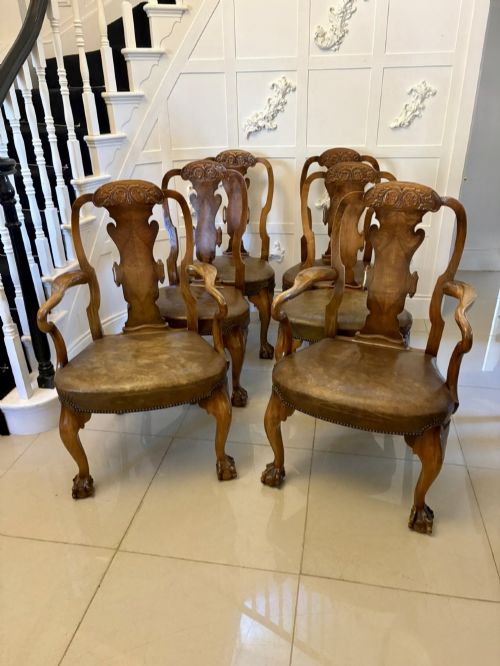
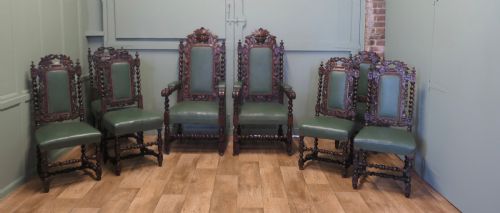
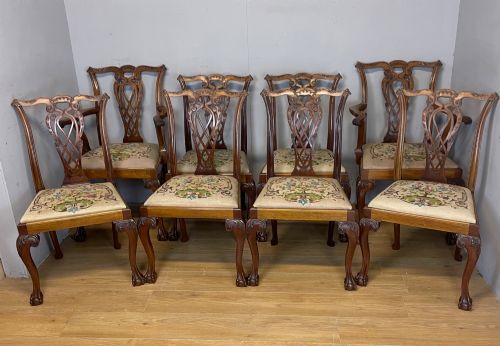
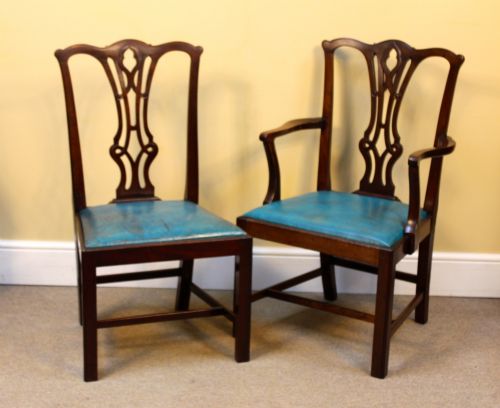
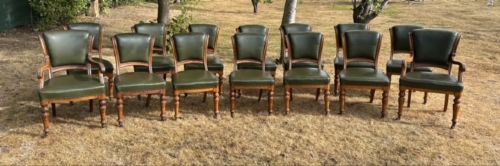
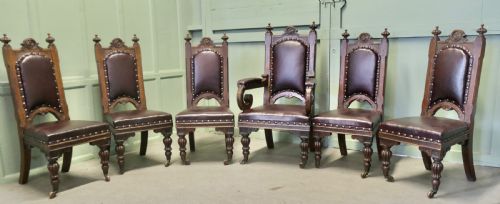
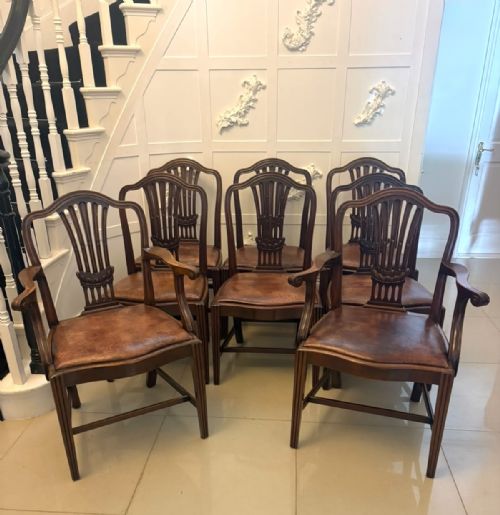
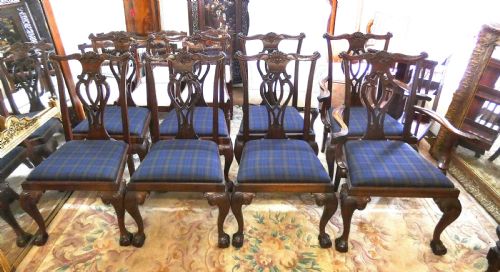
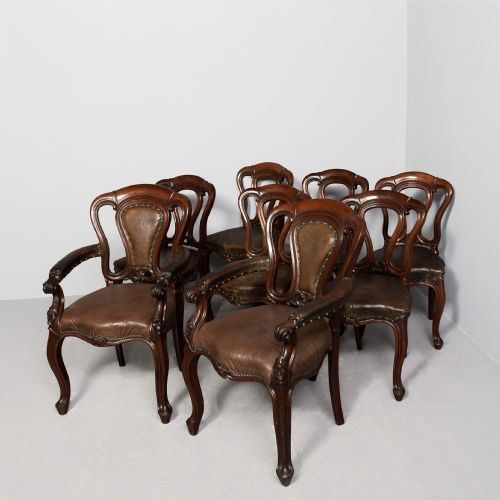
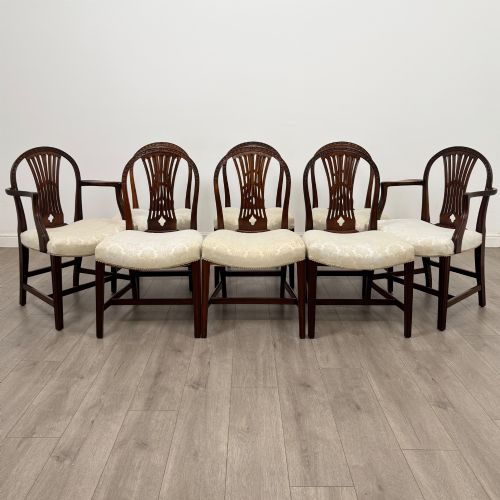
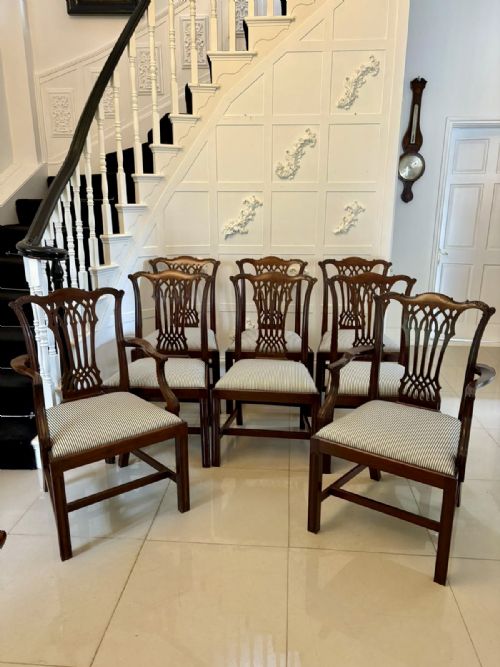
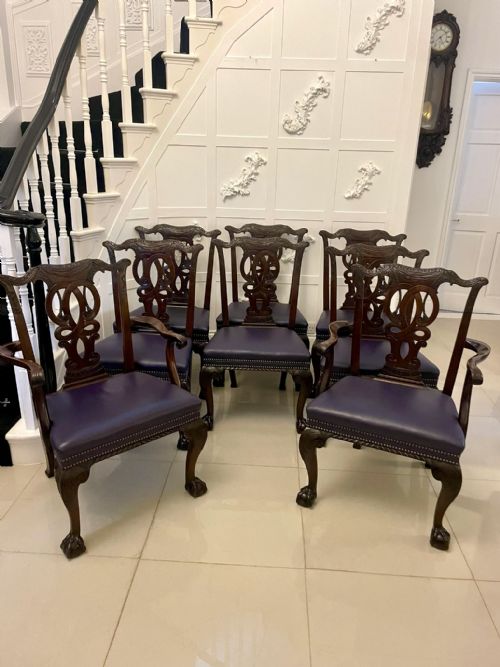
A victorian carver chairs set comprises armchairs designed to sit at the head and foot of a dining table alongside matching single chairs. The evidence records numerous sets configured with six single chairs and two carvers, or larger groupings scaling up to twelve or fourteen pieces.
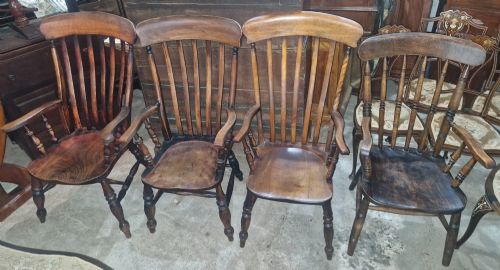
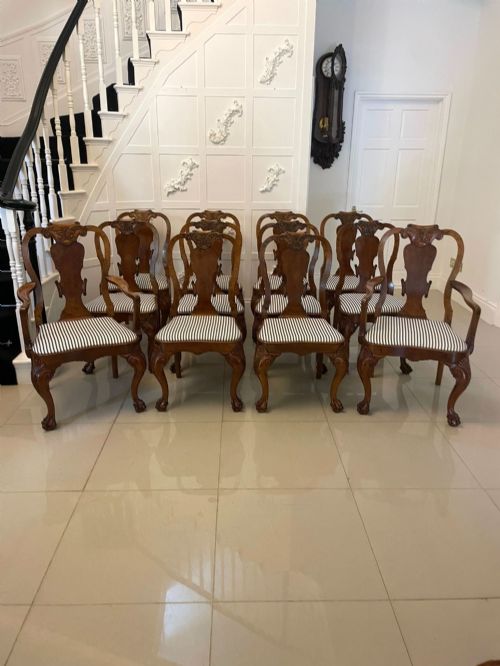
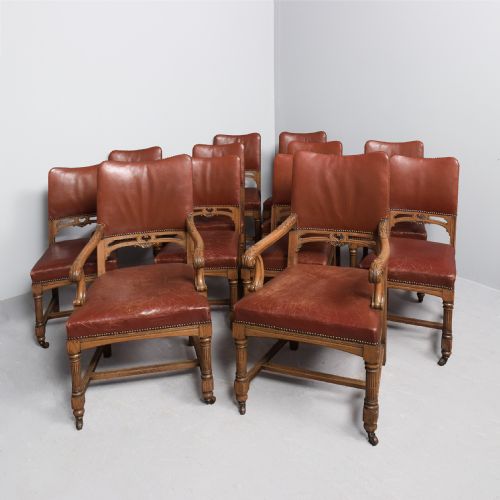
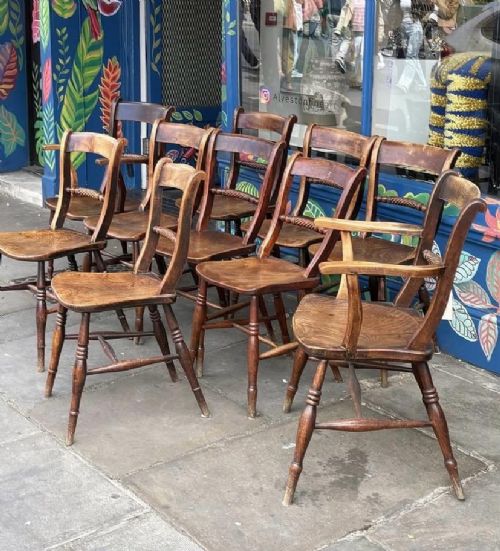
The forms span formal revival dining seats in mahogany and walnut alongside robust country iterations in oak, ash, and elm. Buyers encounter strict period revivals including Chippendale style, Gothic revival, and Hepplewhite shield backs, as well as farmhouse Windsor and ladderback configurations.
Origin points across the listings include English and Scottish workshops, featuring stylistic interpretations by makers such as Warings and Lamb of Manchester. These sets reflect the domestic architecture of the nineteenth century, when dining rooms required matching suites of robust wooden seating.
Materials and Construction
Cabinet makers utilised dense hardwoods including mahogany, walnut, and oak to construct the primary frames of formal dining carvers. Country workshops relied upon native timbers such as ash, elm, and beech, turning spindles and bending wood for Windsor and ladderback forms.
Joinery techniques involved mortise and tenon joints secured by dowels, while decorative elements relied on hand carving for ball and claw feet, pierced splats, and Gothic tracery. Upholstery methods incorporated drop-in seats, original tapestry, leather, and fabric secured with brass tacks.
Several country chair sets preserve original rush seating intended to cushion farmhouse kitchens without formal upholstery.
Evaluating Quality
Quality rests in the selection of timber grain, seen in figured burr walnut and dense mahogany compared to plain utility stock. The crispness of hand-carved details on splats, knees, and terminals dictates the grade of formal revival pieces.
Structural integrity depends on the retention of original framing without excessive timber replacement or loose joints in the arm supports. The preservation of original upholstery materials, leather surfaces, and finish adds distinction to surviving sets.
Warings·Lamb of Manchester·Gillows
The Victorian Carver Chairs Set Glossary
- Carver
- An armchair designed with upholstered or open wooden arms, traditionally placed at the ends of a dining table. These matched the smaller single chairs in a dining set.
- Chippendale Style
- A revival design featuring intricate pierced splats, cabriole legs, and ball and claw feet inspired by eighteenth-century pattern books. Makers reproduced these elaborate motifs during the nineteenth century.
- Hepplewhite Style
- A design characterised by shield-back frames and tapered legs, often incorporating carved feathers or urns. Sets in this style reflect neoclassical revival tastes.
- Windsor
- A timber armchair constructed with turned legs and spindles socketed into a solid shaped wooden seat. Country examples frequently combine elm seats with ash and beech frames.
- Ladderback
- A chair back formed by a series of horizontal arched wooden slats between upright posts. These frames often accommodated rush seating in country dining sets.
Victorian Carver Chairs Set: Frequently Asked Questions
What is a carver chair?
A carver chair is an armchair featuring wooden or upholstered armrests designed to match a set of dining chairs. Historically, these sat at the head and foot of the table.
In nineteenth-century dining sets, two carvers typically accompanied six or eight single chairs to complete the arrangement for formal meals.
Were carver chairs sold in sets?
Carvers were produced as part of larger dining sets alongside matching single chairs. The evidence shows groupings ranging from six to fourteen pieces.
Makers constructed these suites to maintain uniform timber selection and stylistic detail across the entire dining room seating arrangement.
What woods were used?
Cabinet makers utilised dense imported hardwoods like mahogany and walnut for formal dining furniture. Regional workshops used native timbers including oak, ash, elm, and beech.
Formal revival suites favour polished mahogany and walnut, whilst country Windsor and ladderback examples utilise local woods selected for strength and flexibility.