
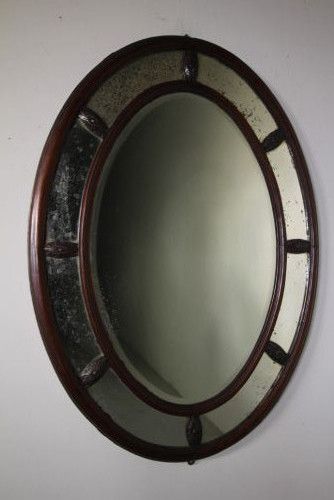

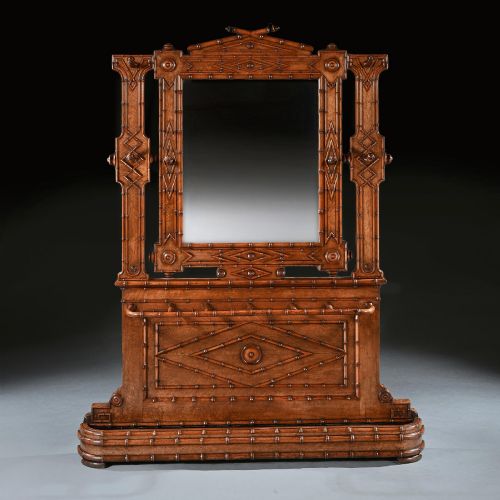
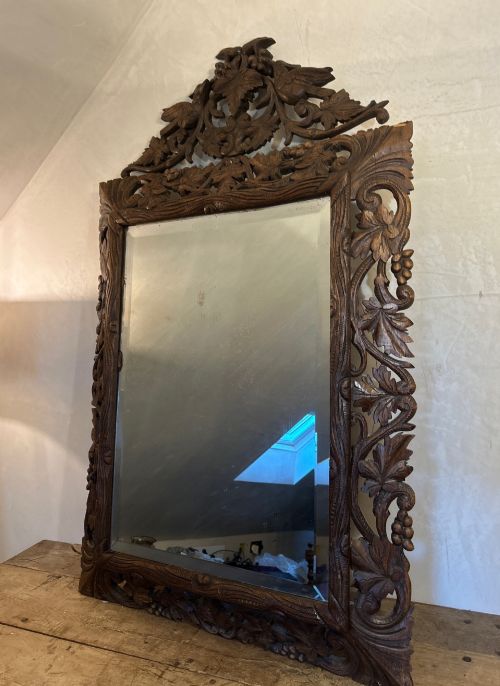
Victorian Carved Wooden Mirror
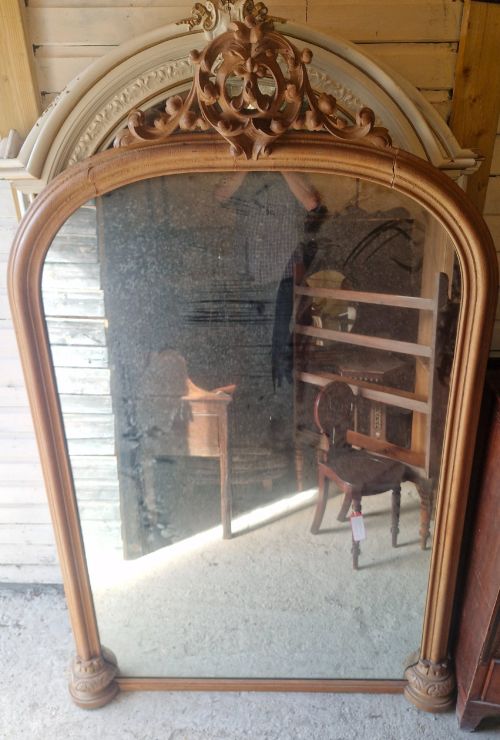
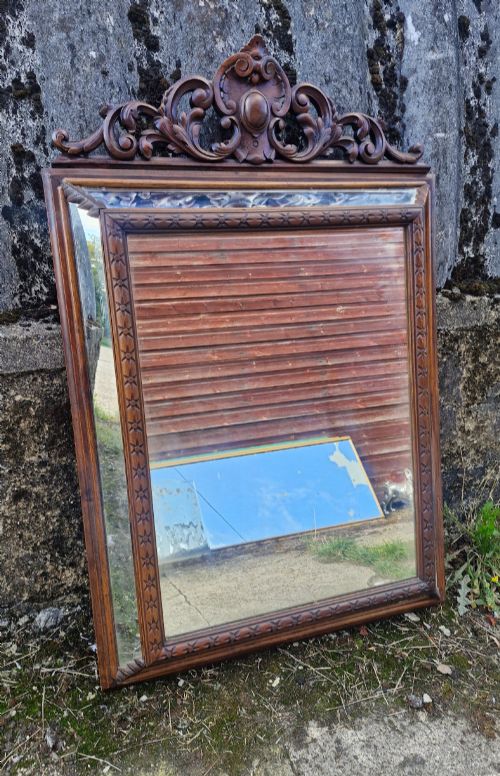
A victorian carved wooden mirror brings warmth and depth to a room through solid timber framing, intricate relief work, and aged glass.
Victorian Carved Wooden Mirror
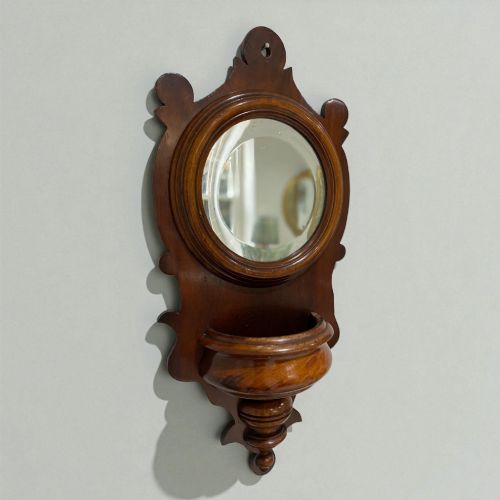
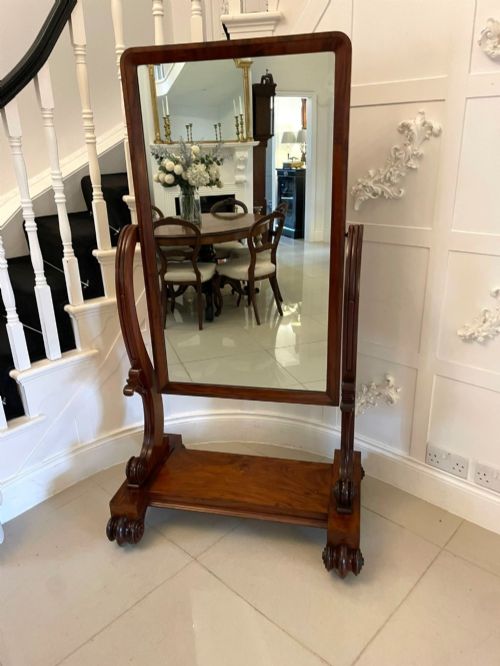
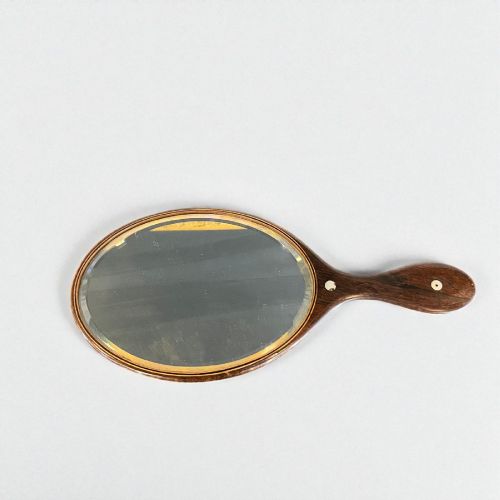
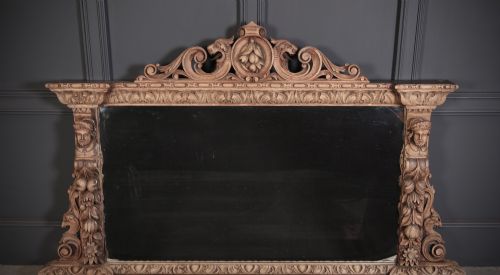
A victorian carved wooden mirror serves as a functional wall hanging or overmantel fixture designed to reflect light and anchor a domestic interior. These pieces appear primarily as wall mirrors, larger overmantel formats, and dressing table accessories.
The objects stem from the nineteenth century, drawing on historical revivals such as Chippendale and Rococo alongside Aesthetic movement preferences. Oak and mahogany dominate the timber choices, frequently paired with mirror glass and brass hardware.
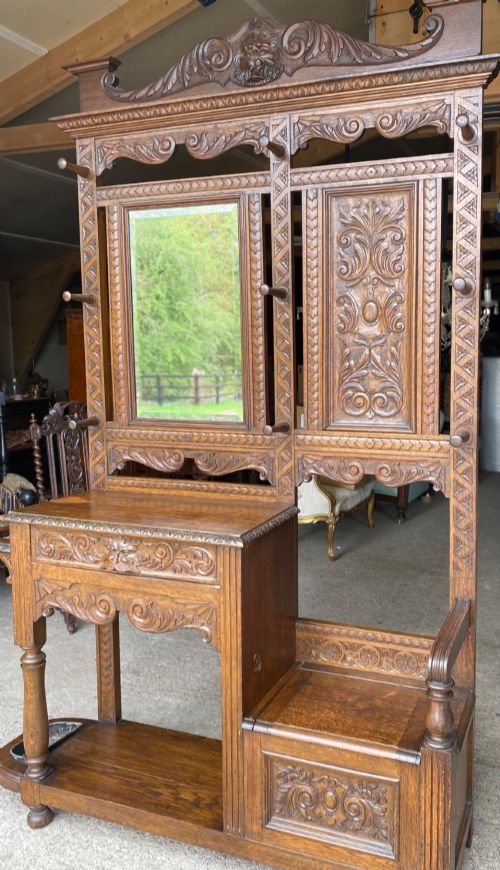
Buyers encounter substantial architectural frames alongside smaller domestic wall pieces. The forms range from simple rectangular mouldings to grand pedimented designs featuring applied crestings and carved columns.
How They Were Made
Carpenters and cabinetmakers utilised dense native and imported hardwoods, primarily oak, mahogany, and burr walnut, joined with traditional framing methods. Timber selection dictated the depth of relief possible in the carved decorative borders and pediments.
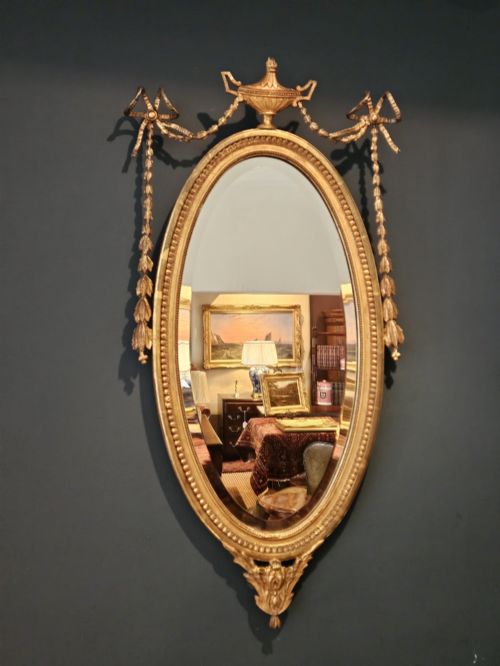
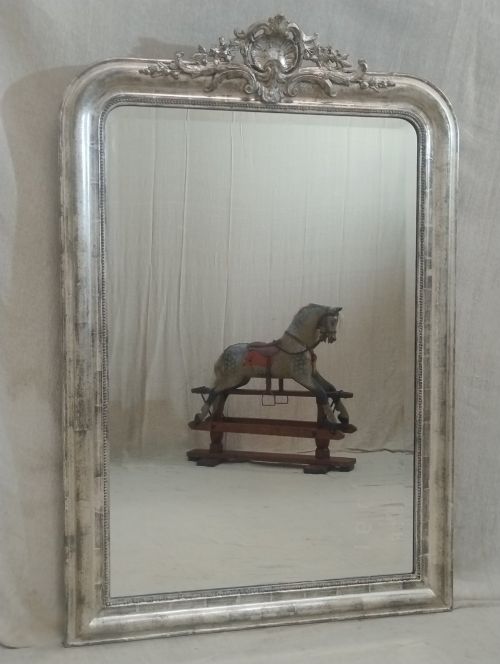
Surface ornamentation relied on hand-chasing directly into the solid wood or applying moulded gesso details finished with gilding. Glass plates were bevelled or flat-set into rebates behind the wooden frames, secured with timber backing boards.
Listings feature oak and mahogany predominantly, alongside burr walnut and gesso finishes across the nineteenth century.
What Varies in Quality
The depth and crispness of the hand-carved relief work distinguish standard production from exceptional pieces. Superior examples exhibit undercut foliage, balanced symmetry, and refined proportion within the timber frame.
The integrity of the original mirror glass and the preservation of the underlying wooden structure dictate the overall standard. Greater care in initial timber seasoning prevents warping in large overmantel formats over decades of use.
Holland and Sons·P & MA Nicholson
The Victorian Carved Wooden Mirror Glossary
- Overmantel mirror
- A large horizontal mirror designed to sit directly above a fireplace mantelpiece. These pieces often incorporate architectural columns or crestings.
- Gesso
- A plaster-like material applied to wood frames to create a smooth surface for gilding or to build up low-relief decorative elements. It responds sensitively to atmospheric moisture.
- Chippendale Revival
- A decorative style popular in the nineteenth century that reinterprets eighteenth-century motifs such as fretwork and asymmetric scrolling. It frequently includes fret-cut mahogany frames.
- Burr walnut
- A highly figured timber veneer harvested from walnut tree growths, valued for its complex swirling grain patterns. Cabinetmakers applied it to prominent surfaces on finer furniture and mirror surrounds.
- Aesthetic Movement
- A late nineteenth-century design phase emphasising visual beauty over narrative function, drawing inspiration from Japanese art and simplified forms. Objects from this period often utilise alternative structural elements like faux bamboo.
Victorian Carved Wooden Mirror: Frequently Asked Questions
How do I hang a heavy wooden mirror?
Heavy nineteenth-century mirrors require secure fixing directly into wall studs or masonry using appropriate weight-bearing brackets. The weight of the dense timber frame demands robust structural support.
Professional installation prevents movement and protects both the wall and the antique frame from accidental strain over time.
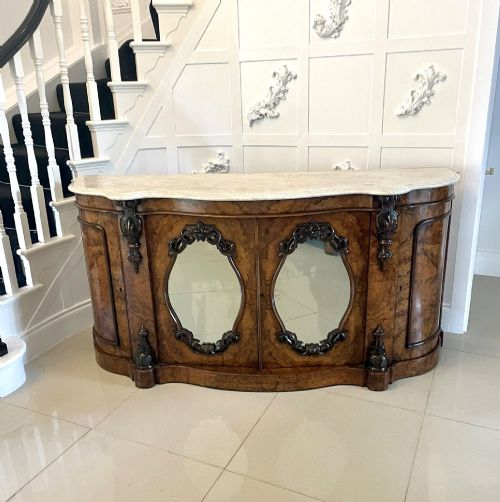
Can I place an overmantel mirror on a sideboard?
Overmantel mirrors were originally scaled to hang above fireplace surrounds rather than freestanding furniture pieces. Their considerable height and width require substantial wall space for stable mounting.
Placing them on secondary surfaces often disrupts the intended architectural balance of the room.
What causes dark spots in antique mirror glass?
Silvering degradation occurs when moisture seeps behind the glass plate over many decades, oxidizing the reflective backing material. This chemical change creates characteristic dark speckles and foxing.
Such patination confirms the age of the glass and remains a normal feature of nineteenth-century mirrors.
How do I clean an antique carved frame?
Dust carved wooden surfaces gently with a dry, soft brush to lift debris from deep relief recesses without disturbing the patina. Avoid liquid household cleaners that can damage aged timber finishes.
Wax polishes should be used sparingly and only on unfinished or waxed hardwoods, keeping them away from gilt or gesso areas.