

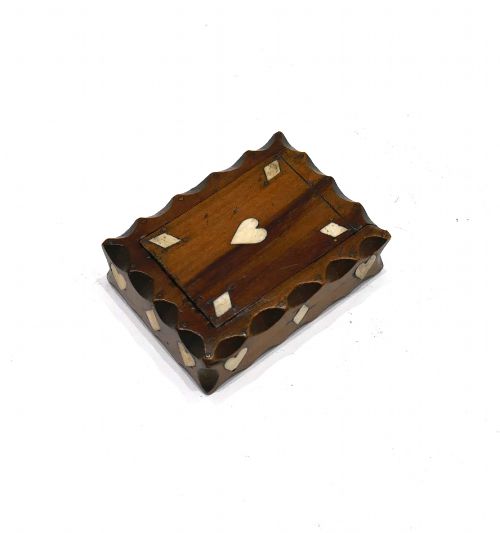


Victorian Carved Tobacco Box
A victorian carved tobacco box brings domestic charm and tactile heft to a desk, usually taking the form of animal carvings or inlaid treen.
Victorian Carved Tobacco Box
When you search for a victorian carved tobacco box, you encounter small lidded containers designed to hold pipe tobacco, cigars, or snuff. These pieces span the nineteenth century and the Edwardian period, often reflecting regional folk art traditions.
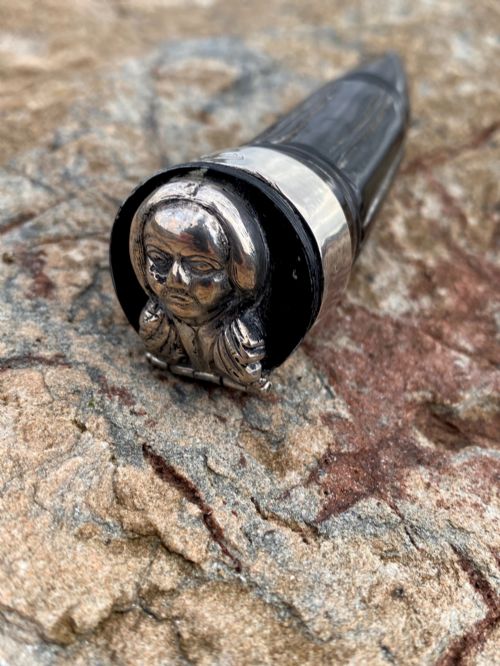
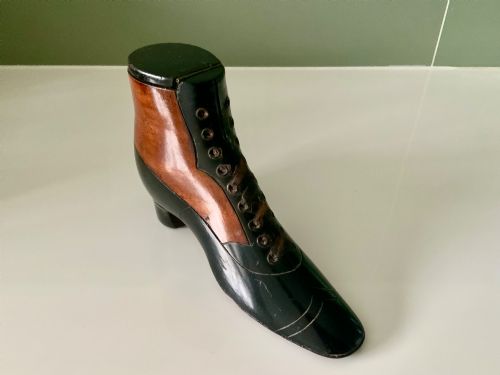
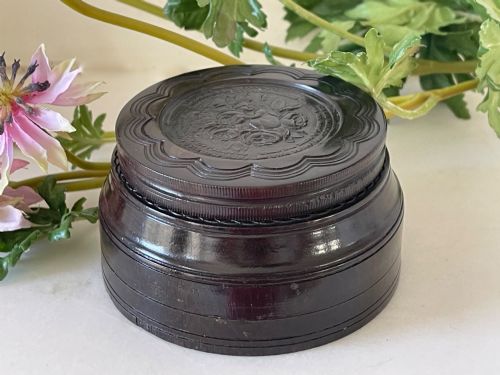
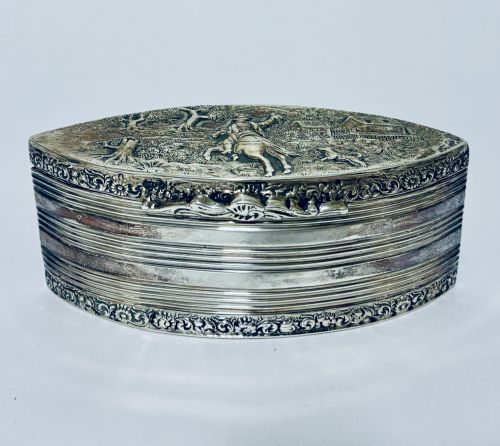
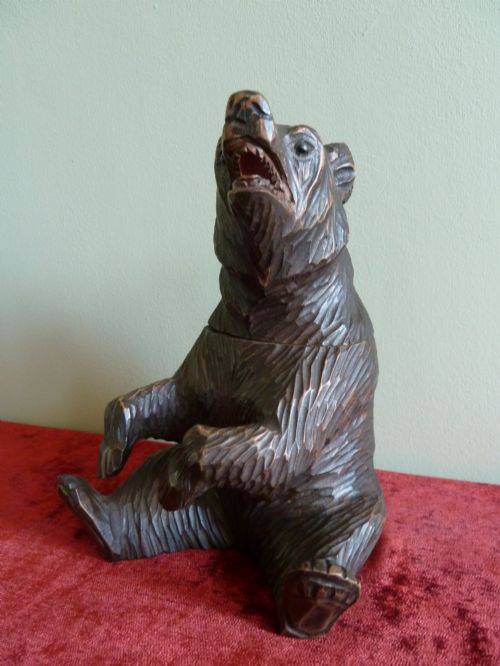
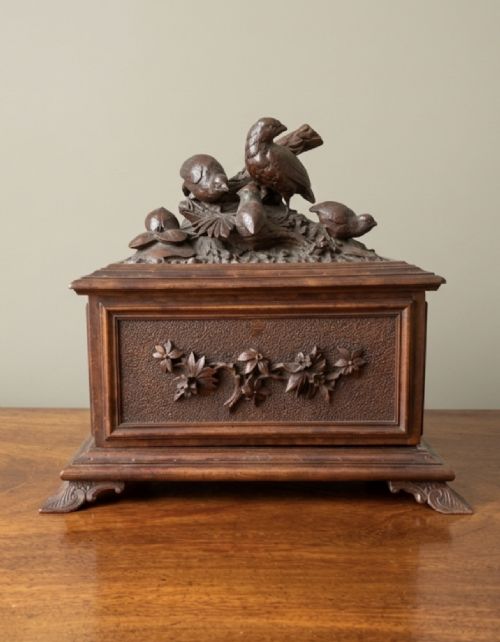
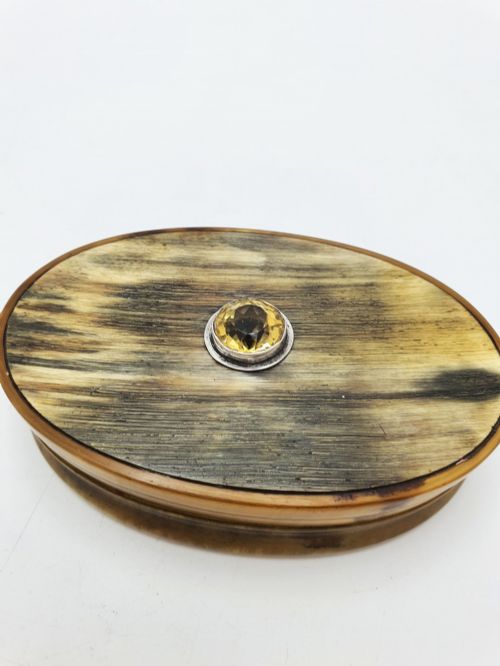
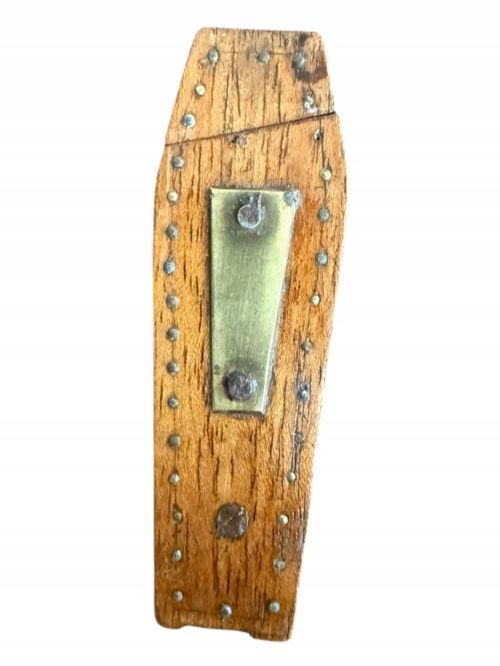
The selections on this page heavily feature Black Forest animal carvings, particularly bears and dogs, alongside treen shoe boxes and fruitwood containers. You also find horn boxes, silver specimens, and occasional humidors fashioned from oak or mahogany.
Makers ranged from European village workshops producing figurative linden wood carvings to English folk artisans working with bone inlay and brass pique work. The objects serve both as functional smoking accessories and as miniature sculptures.
Materials and construction
Carvers utilised hard woods, fruitwoods, linden wood, and burr walnut, shaping them with gouges and chisels to create deep relief figures. Horn and tortoiseshell provide smooth, translucent surfaces that accept delicate engraving and pressed designs.
Decoration often involved intricate inlay work using bone hearts, diamond shapes, and brass pique wire. Silver elements appear as cast mounts, hinges, and heavy table boxes stamped with period hallmarks.
Victorian Carved Tobacco Box Retail Price Guide 2026
Typical asking prices for victorian carved tobacco box among the pieces listed under this phrase on Sellingantiques today, from the lower quarter to the upper quarter. They describe what is for sale here now, not the wider market.
Some nineteenth-century artisans carved wooden shoes with double openings and hidden birds, turning pocket containers into clever puzzles.
What separates the best pieces
Condition and tactile presence dictate value among collectors, specifically deep patinas built up on hard woods and intact hinges that operate smoothly. Simpler turned mahogany items rely entirely on timber selection and well-preserved surface polish rather than sculptural detail.
The Victorian Carved Tobacco Box Glossary
- Black Forest
- A style of wood carving originating from the mountain region of Central Europe, famous for realistic animal sculptures. These pieces frequently depict bears, dogs, and forest foliage.
- Treen
- Small handmade wooden household objects created before the era of mass production. Collectors prize these items for their visible tool marks and aged patinas.
- Humidor
- A specialised moisture-controlled container designed for storing cigars or tobacco. They appear in wood or novelty forms like railway coal wagons.
- Pique work
- A decorative technique involving tiny points or pins of gold, silver, or brass inlaid into tortoiseshell or horn. It creates delicate geometric patterns and floral motifs.
- Snuff box
- A small pocket container intended for holding powdered tobacco. Many examples feature hinged lids and detailed carvings of animals or historical scenes.
Victorian Carved Tobacco Box: Frequently Asked Questions
What is a Black Forest tobacco box?
A Black Forest tobacco box is a carved wooden container, frequently shaped as a bear or dog with glass eyes and textured fur.
Originating from European forest communities, these figural pieces served as functional smoking accessories on desks and tables.
How do you date a wooden tobacco box?
Dating relies on stylistic clues, tool marks, and material combinations such as bone inlay or brass pique work.
Period markers include nineteenth-century fashion details, historical event themes, and the natural darkening of the wood patina over decades of handling.
Were snuff boxes used for tobacco?
Snuff boxes held finely ground tobacco that users inhaled through the nose, a popular habit throughout the eighteenth and nineteenth centuries.
Pocket versions required tight-fitting lids to keep the powder dry and fragrant.
What is treen?
Treen encompasses small, functional wooden objects made by turners and folk artisans using native timbers like fruitwood and boxwood.
These items range from inlaid snuff shoes to turned circular boxes valued for their tactile surfaces.
How should I clean an antique carved box?
Antique wooden and horn boxes require gentle dusting with a dry, soft cloth to protect the aged patina.
Moisture and modern polishes damage vulnerable materials like bone inlay, tortoiseshell, and unsealed carved wood.