
Victorian Carved Shelf
A victorian carved shelf brings textured wood and tiered display space to a wall, offering a practical stage for small possessions.
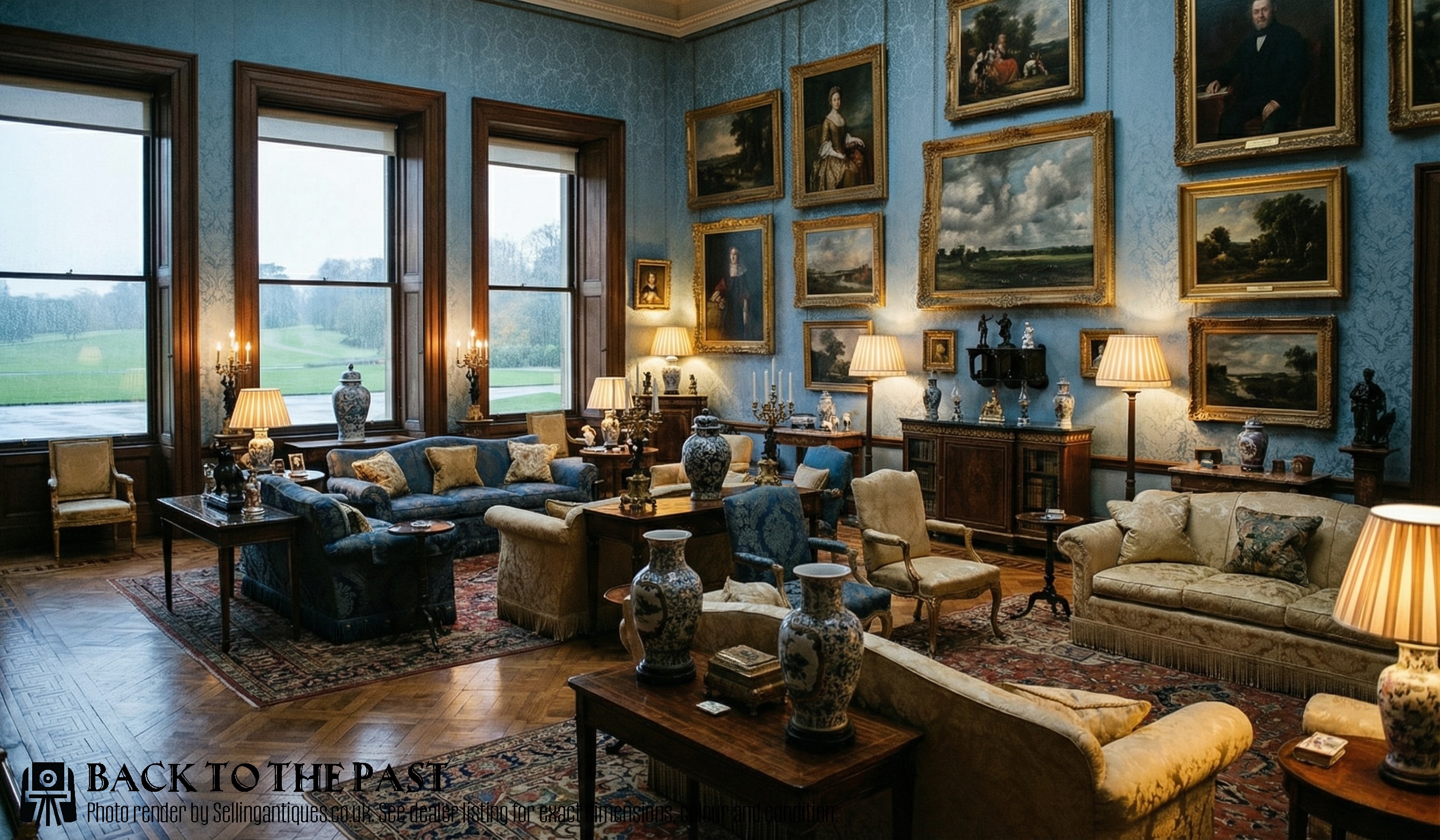
Victorian Carved Shelf
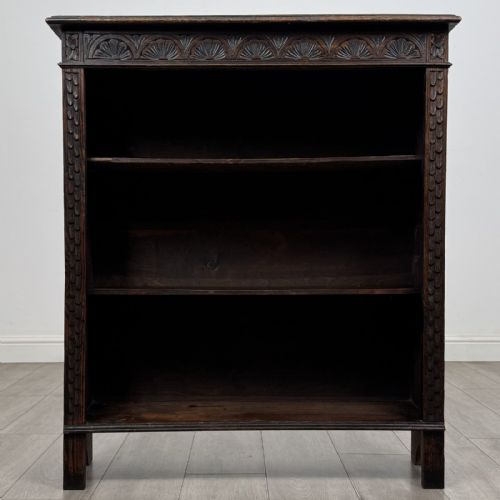
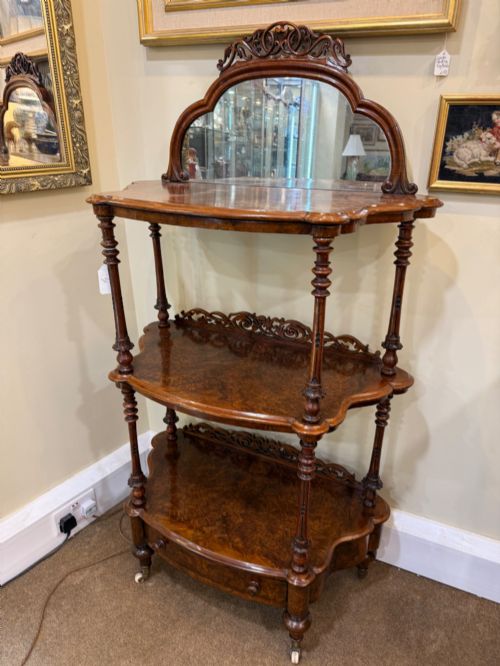
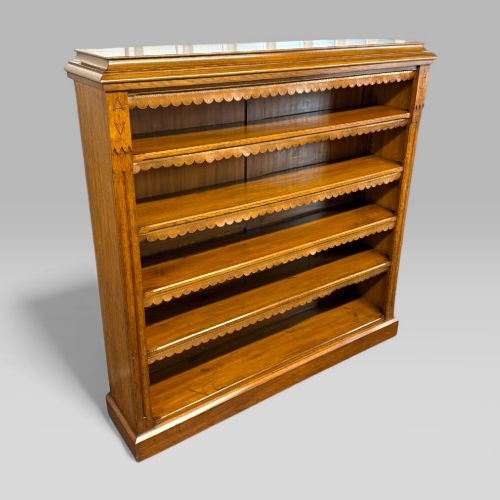
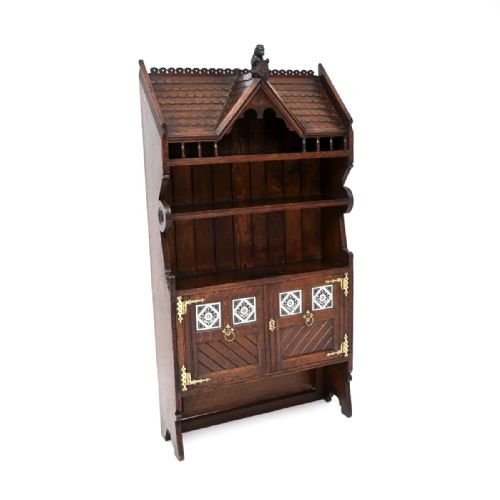
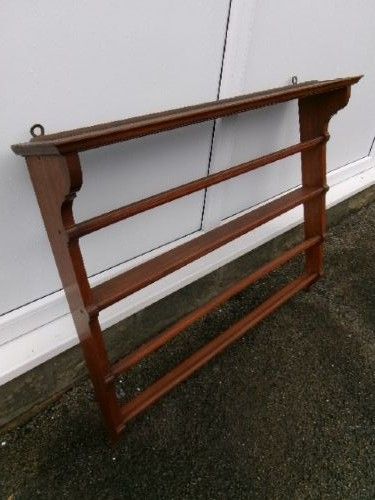
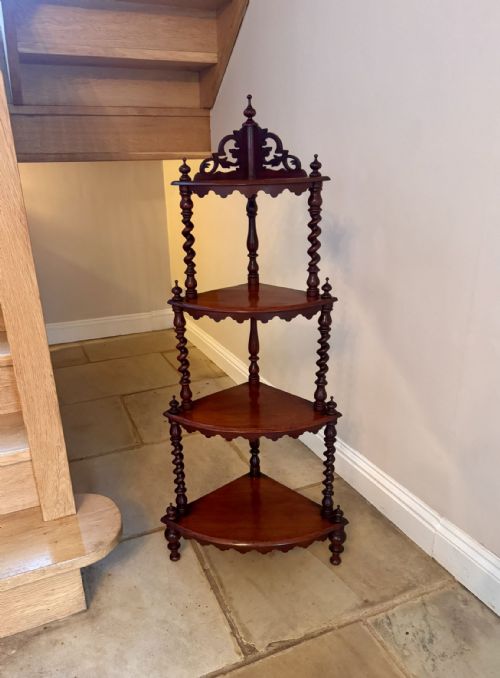
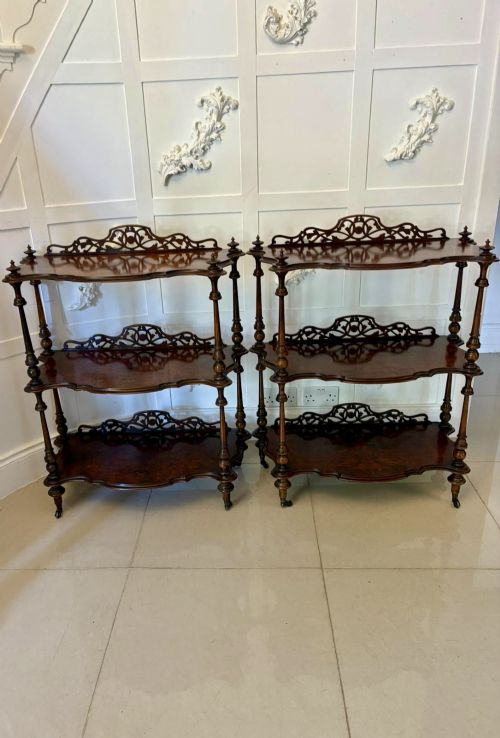
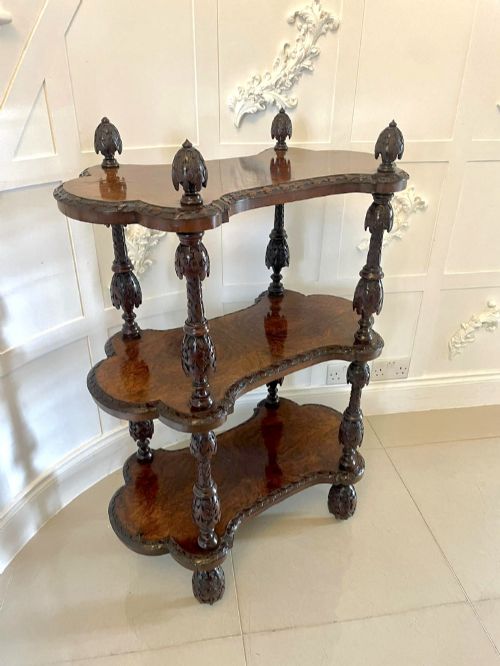
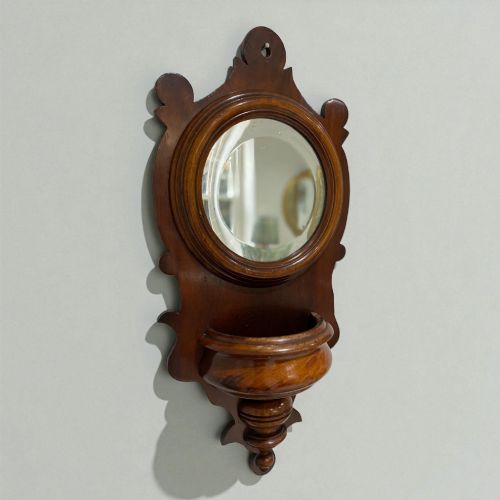
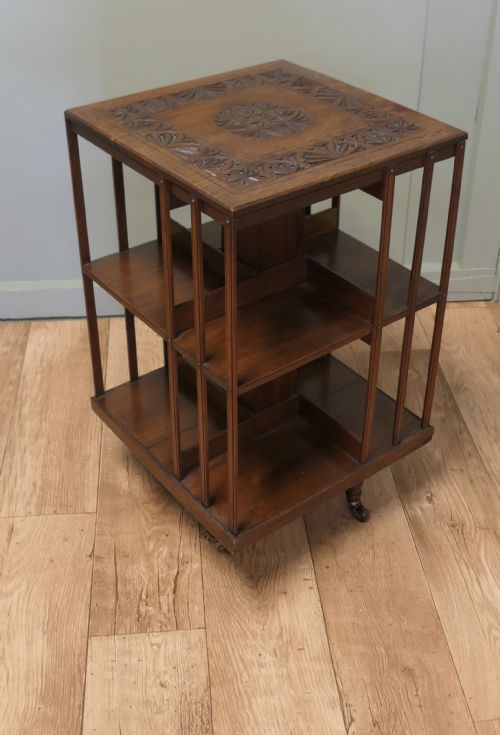
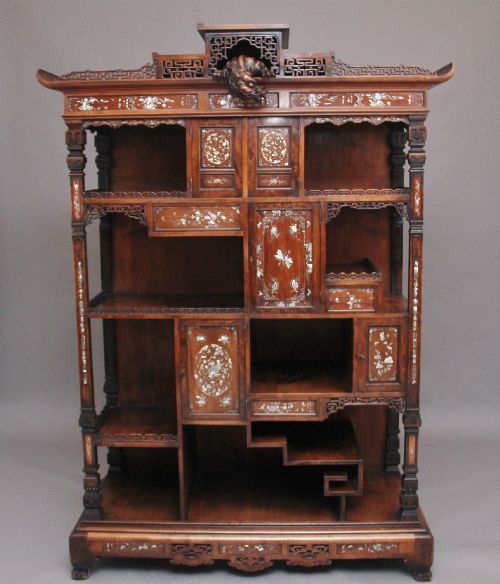
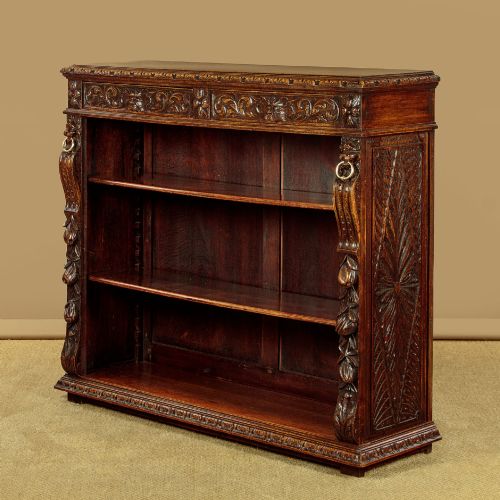
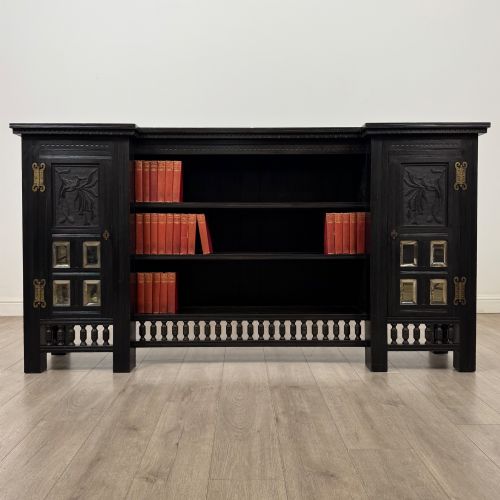
A victorian carved shelf appears across various domestic forms, ranging from corner brackets and wall-hanging display units to floor-standing whatnots and bookcases with open tiers. Buyers seeking this search phrase most frequently encounter walnut, oak, and mahogany pieces shaped during the nineteenth century, often displaying decorative carving along the backplates and brackets.
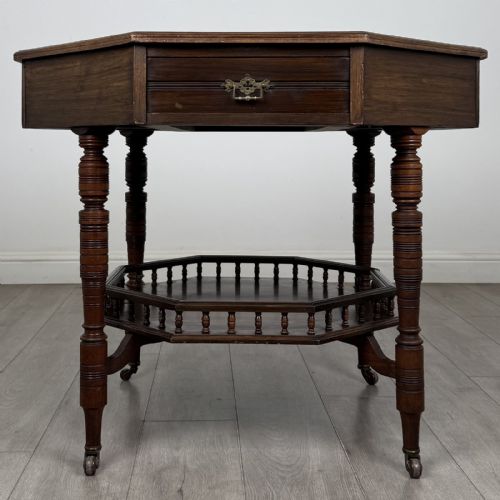
The selection includes compact wall brackets designed for single ornaments alongside larger architectural bookcases featuring adjustable timber shelves. Pieces span specific stylistic revivals including Gothic, Aesthetic Movement, and Anglo-Indian designs, reflecting the diverse tastes of the period.
Materials and construction
Cabinet makers utilised dense hardwoods such as mahogany, walnut, rosewood, and oak to construct these wall and floor fixtures, frequently employing burr veneers for decorative grain patterns on prominent surfaces. Carved details were hand-chiselled directly into the solid timber or applied as moulded ornaments.
Joinery methods of the era relied on secure mortise and tenon joints for structural uprights, while wall-hanging pieces incorporated sturdy mounting brackets or suspension loops integrated into the backboards to support weighted shelving.
Listings feature timbers including oak, walnut, mahogany, rosewood, and padauk across various wall and floor-standing shelf forms.
Factors of distinction
The standard of execution in carving separates simpler utilitarian pieces from masterworks, with crisp, deeply undercut foliage and figural work demonstrating superior workshop skill. The choice of primary timber and the selection of figured veneers also determine the distinction of a piece.
Original structural integrity, including matching timber grain across assembled panels and the retention of original brackets or adjustable shelf supports, dictates the desirability among collectors.
Gabriel Viardot·Brockbanks & Atkins
The Victorian Carved Shelf Glossary
- Whatnot
- A tiered open shelving unit designed for displaying ornaments, books, or small decorative objects. These pieces often feature multiple levels supported by turned columns or barley twist supports.
- Wall bracket
- A small projecting architectural shelf fastened directly to a vertical surface for supporting figures, clocks, or trailing plants. They are frequently carved from oak, walnut, or terracotta.
- Burr walnut
- A highly prized timber veneer sourced from the gnarled growths of walnut trees, producing intricate and swirling grain patterns. It was favoured for decorative cabinet fronts and display shelves.
- Open bookcase
- A piece of storage furniture featuring horizontal shelves without front doors, allowing immediate visibility of the book bindings or displayed objects within.
- Barley twist
- A decorative turning technique resembling a spiralling rope, utilised for columns and upright supports on nineteenth-century furniture and stands.
Victorian Carved Shelf: Frequently Asked Questions
How do I hang a wall shelf safely?
Wall-hanging shelves require appropriate fixings suited to the wall construction, whether solid masonry or lath and plaster. Locate the suspension points on the backboard and utilise heavy-duty screws secured into wall plugs or studs to bear the weight of the timber.
Distribute the weight of displayed objects evenly across the tiers to maintain balance. Heavy ceramic or bronze items should rest on lower surfaces or floor-standing units rather than hanging brackets.
Were these shelves used for books or ornaments?
Nineteenth-century tiered shelves served both purposes depending on their scale and room placement. Smaller wall brackets and whatnots held decorative ceramics, clocks, and small curiosities in reception rooms.
Larger open bookcases and structural shelving units accommodated substantial leather-bound libraries in studies and parlours. Adjustable shelf heights allowed households to customise the tier spacing for varying book sizes.
How should I care for antique wood surfaces?
Maintain the timber by dusting regularly with a soft, dry cloth and avoiding silicone-based polishes that build up a sticky residue over time. Apply a microcrystalline wax periodically to nourish the grain and protect the finish from atmospheric moisture.
Keep wooden furniture away from direct sunlight and heat sources such as radiators to prevent the timber from drying out, warping, or splitting at the joints.
How can I tell the period of a carved shelf?
Examine the timber species, construction marks, and stylistic motifs to determine the era of manufacture. Nineteenth-century pieces frequently display characteristic Victorian revival styles such as Gothic tracery, Aesthetic Movement ebonising, or heavy foliate carving in oak and walnut.
Look at the backboards, screw types, and joint construction for indications of period hand-tooling. Machine-cut screws and modern plywood backing generally point to later reproduction pieces rather than nineteenth-century originals.