

Victorian Carved Plant Stand
A victorian carved plant stand elevates greenery with rich timber and intricate hand-chiselled detail, bringing height and texture into a room.
Victorian Carved Plant Stand
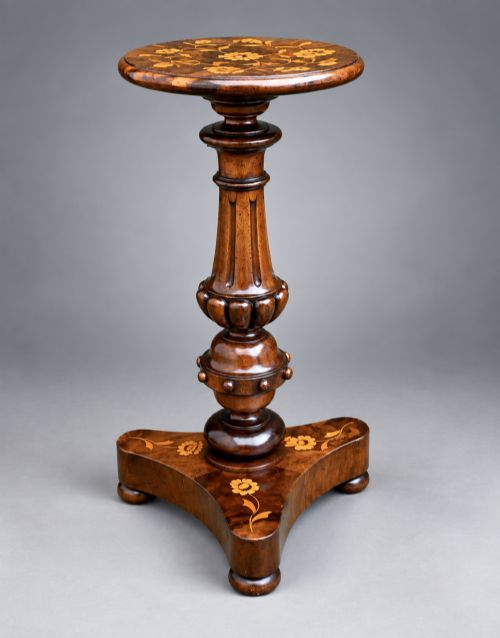
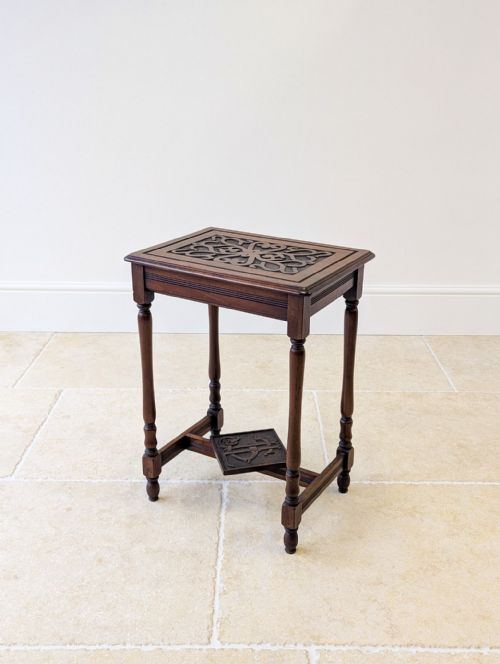
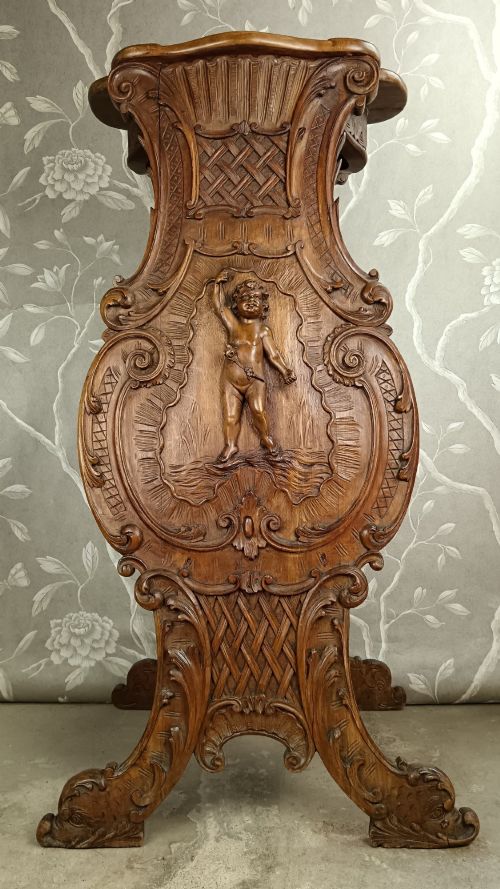
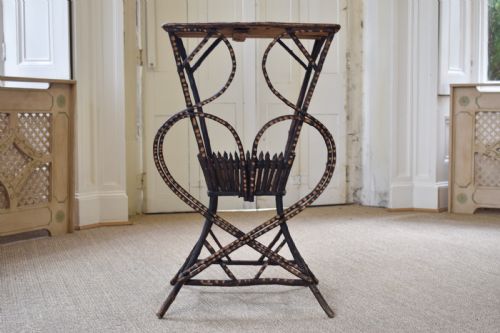
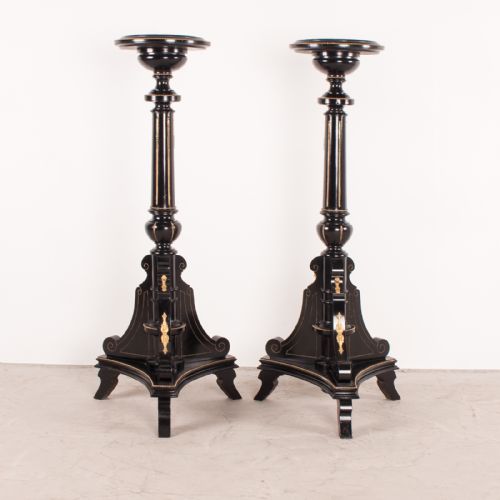
A victorian carved plant stand typically appears as a tall torchere, pedestal, or occasional table designed to display decorative foliage or ornaments. The selection draws heavily from nineteenth-century pieces, encompassing standard domestic furniture alongside regional forms.
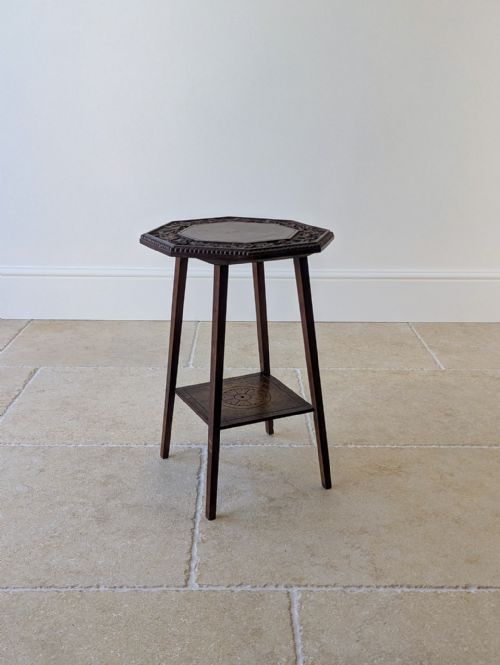
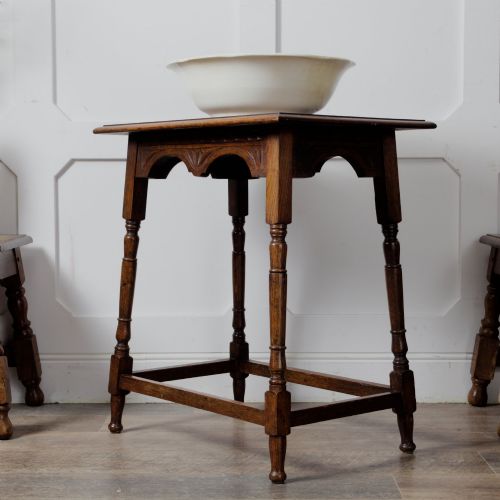
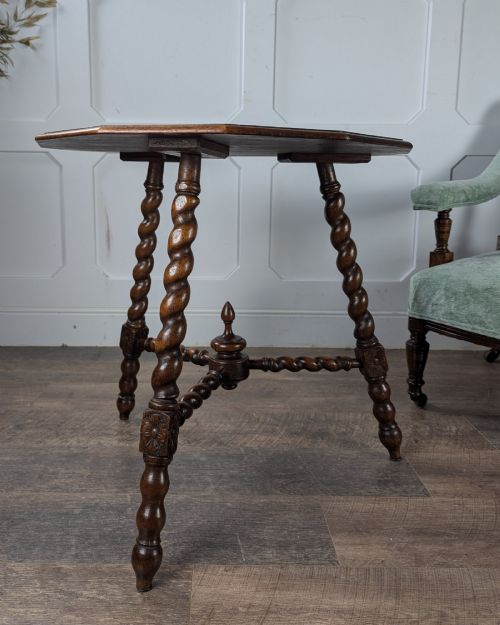
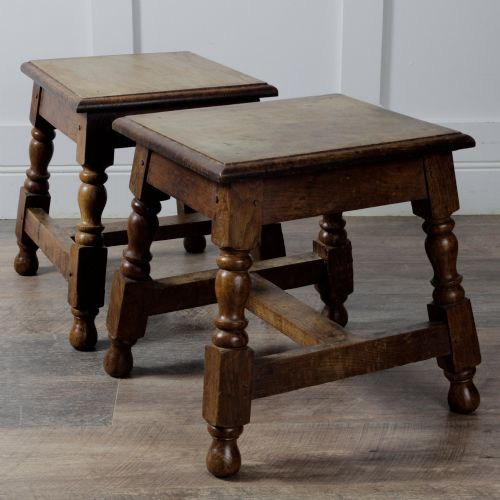
Buyers frequently encounter mahogany, walnut, and oak examples shaped into columns, tripods, and octagonal surfaces. These range from simple turned shafts to heavily ornamented focal pieces suited to reception rooms and hallways.
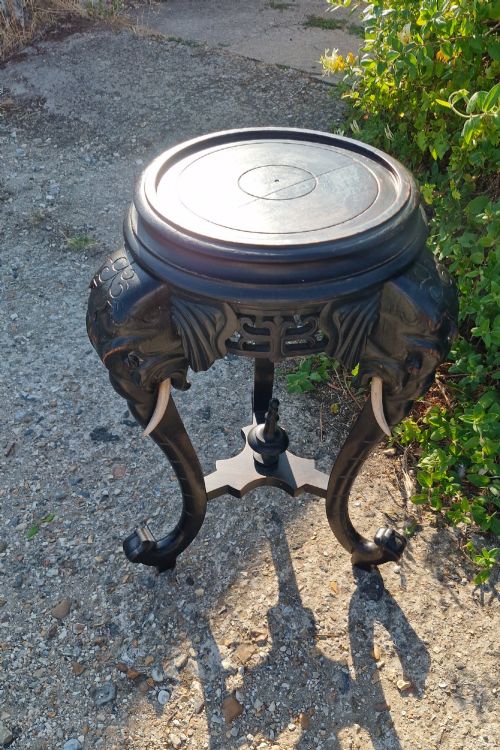
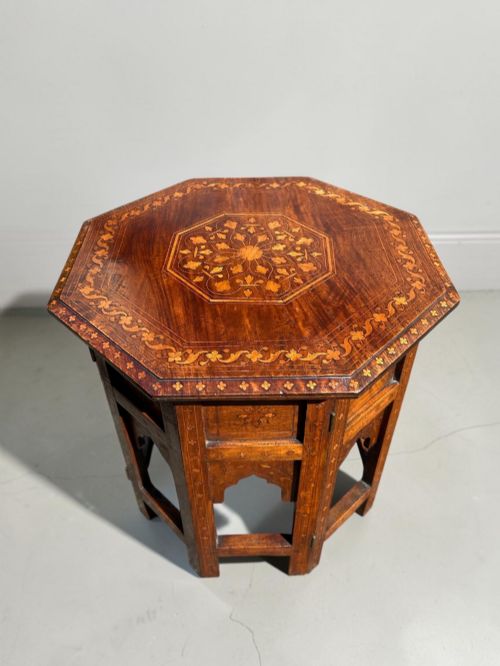
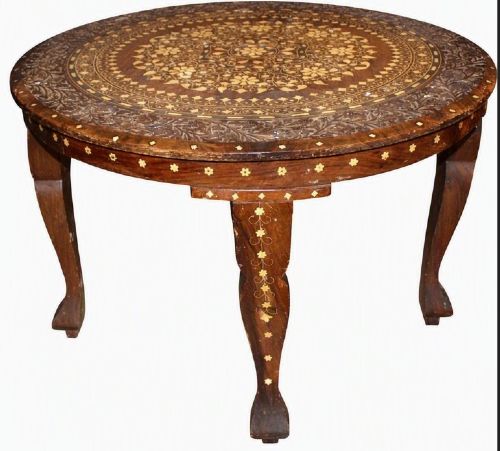
Regional variations widen the scope beyond standard British cabinet-making, introducing Anglo-Indian, Moorish, and Italian stylistic influences. Such pieces incorporate bone inlay, dense relief carving, and exotic hardwoods like padauk and rosewood.
Materials and construction
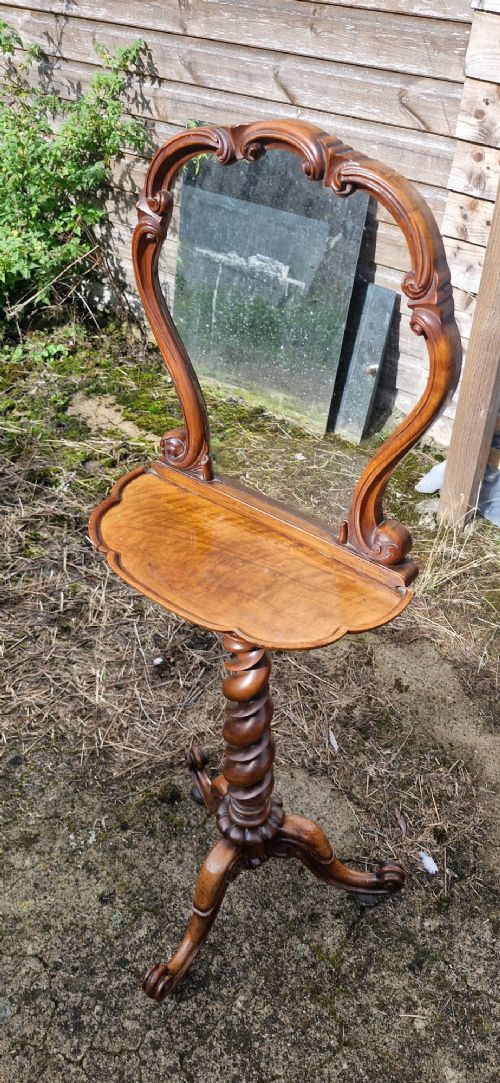
Cabinet-makers relied on dense, durable timbers such as mahogany, walnut, and oak to support upright columns and heavy display surfaces without warping. Hardwoods were turned on lathes for barley twist stems or carved by hand for deep relief foliage and figural motifs.
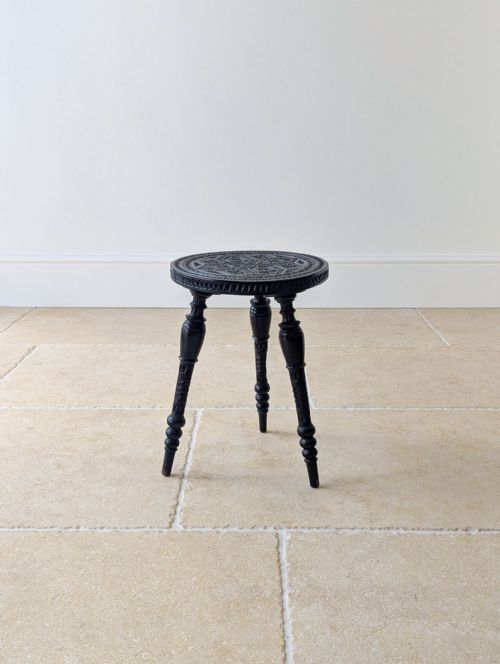
Specialist techniques defined the stylistic outliers, including bone inlay set into dark timber surfaces and ebonising treatments applied to mimic costlier materials. Joinery combined traditional pegging with solid panel construction to maintain stability in tall, narrow forms.
Listings feature woods spanning mahogany, walnut, oak, rosewood, teak, padauk, and ebonised timber.
Judging the workmanship
Quality rests upon the crispness of the hand-carving and the choice of timber figure, where depth of relief and smooth turning separate standard production from superior output. Maker attributions, such as stamps by Liberty and Co, indicate high workshop standards.
Structural integrity dictates everyday utility, visible in the balance of heavy tripod bases and the tightness of joints on slender pedestals. Pieces retaining original surface finishes and complete decorative elements command greater respect than heavily restored examples.
Liberty and Co
The Victorian Carved Plant Stand Glossary
- Torchere
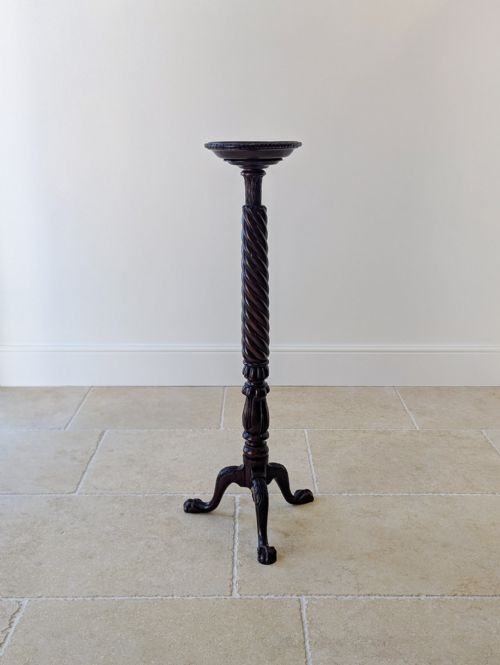
- A tall, slender stand designed specifically to hold a lamp, vase, or plant. These elevated pieces usually feature a circular top supported by a single central pillar and a sturdy base.
- Barley Twist
- A spiral turning technique resembling a twisted rope, carved into wooden table legs and support columns. This decorative flourish was especially popular during the Victorian period.
- Ebonised Wood
- Timber treated with a dark stain or chemical process to imitate ebony. This finish provided a sleek, black surface favoured for dramatic occasional tables and stands.
- Octagonal Table
- A piece featuring an eight-sided top, frequently seen in Anglo-Indian and Moorish revival designs. These surfaces often display intricate geometric or floral carving.
Victorian Carved Plant Stand: Frequently Asked Questions
What is a torchere stand?
A torchere is a tall, slender pedestal originally designed to hold a lighting source but later adapted for display purposes. These pieces provide vertical height and create focal points in corners or empty spaces.
In contemporary interiors, they serve the same function for potted plants, small sculptures, or decorative bowls. Their narrow footprint allows them to fit easily into smaller rooms.
How do I spot a Victorian piece?
Nineteenth-century construction is identifiable through dense timbers, hand-cut joinery, and period-specific design motifs such as gothic tracery or heavy floral relief. Makers often used solid mahogany, walnut, or oak rather than modern veneers.
Examining the underside and interior surfaces reveals tool marks and ageing consistent with the period. Regional variants from the era also exhibit distinct carving styles tied to specific global trade routes.
Where should I place a plant stand?
These stands work best in corners, beside seating, or near windows where natural light highlights the carved timber details and the foliage above. Their elevation protects delicate flooring from moisture while lifting plants into fuller view.
Matching the scale of the stand to the plant ensures stability, particularly with taller pedestals. Heavy bases provide the security needed for larger ceramic pots.
Are Anglo-Indian stands different?
Anglo-Indian pieces combine traditional British furniture forms with intricate eastern carving techniques executed in exotic hardwoods like padauk. They frequently feature detailed bone inlay and complex geometric patterns.
These imported items reflected nineteenth-century tastes for global craftsmanship. Their dense, ornamental surfaces distinguish them from standard domestic British walnut and mahogany pieces.