
Victorian Carved Mirror
A victorian carved mirror brings nineteenth-century craftsmanship into a room, reflecting light through deeply worked wooden or gilded frames.
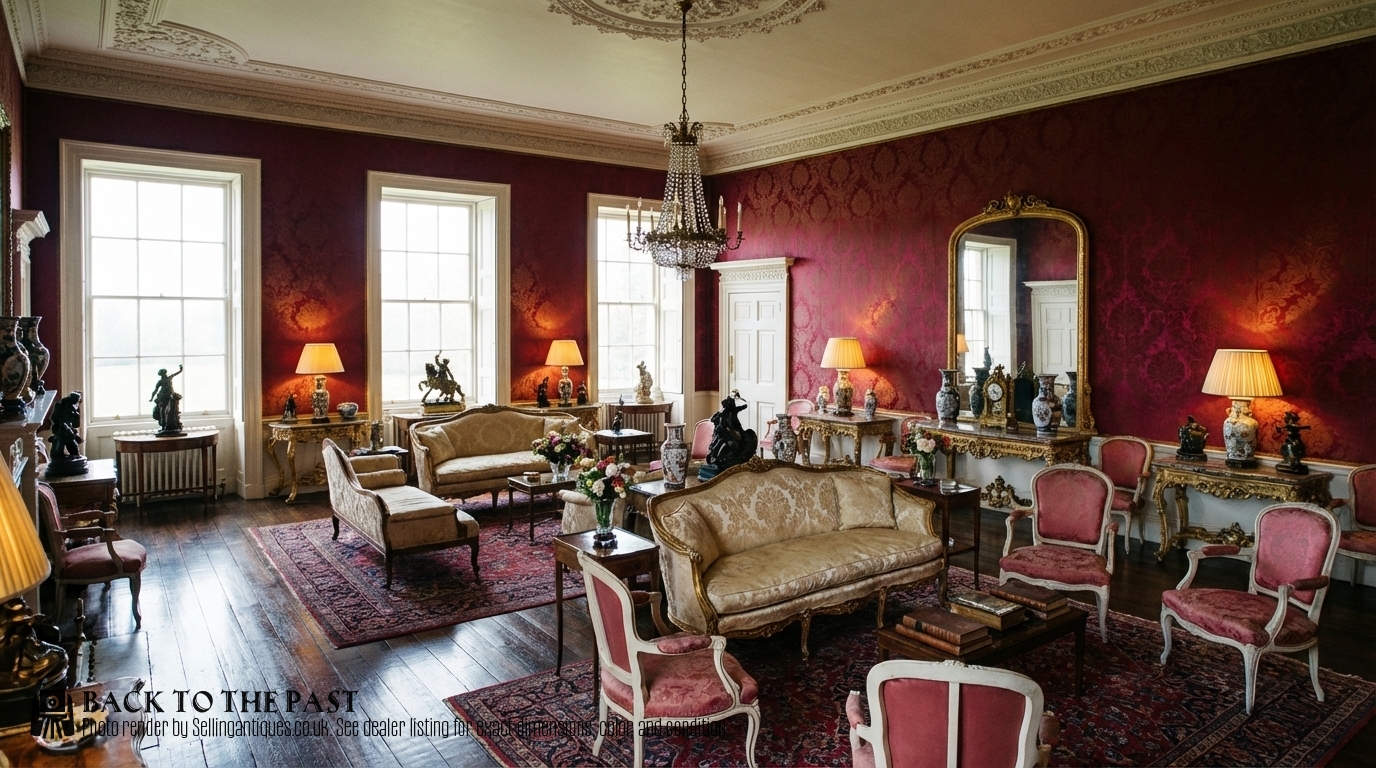
Victorian Carved Mirror
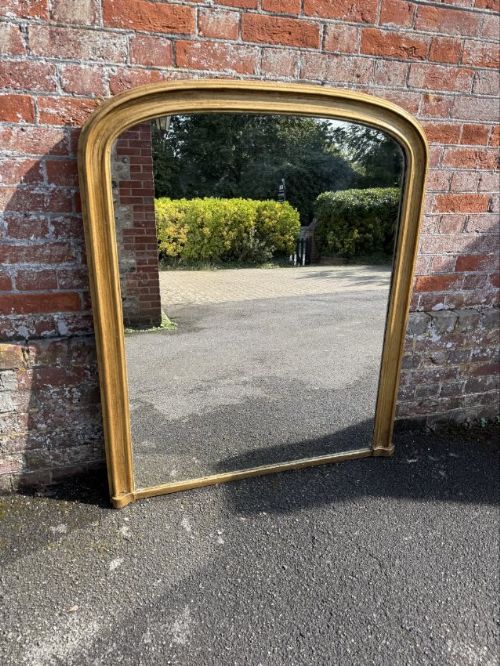
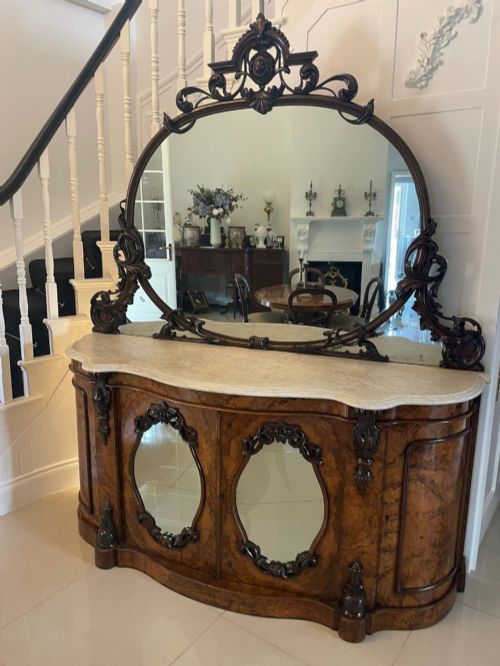
A victorian carved mirror encompasses various forms designed for the nineteenth-century interior, ranging from substantial overmantels intended for the fireplace hearth to pier glasses and smaller wall-hanging formats.
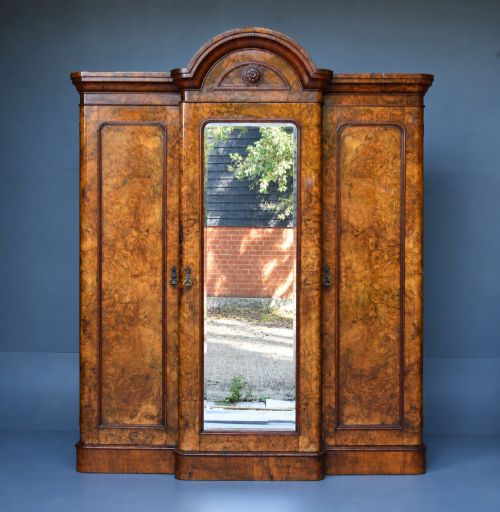
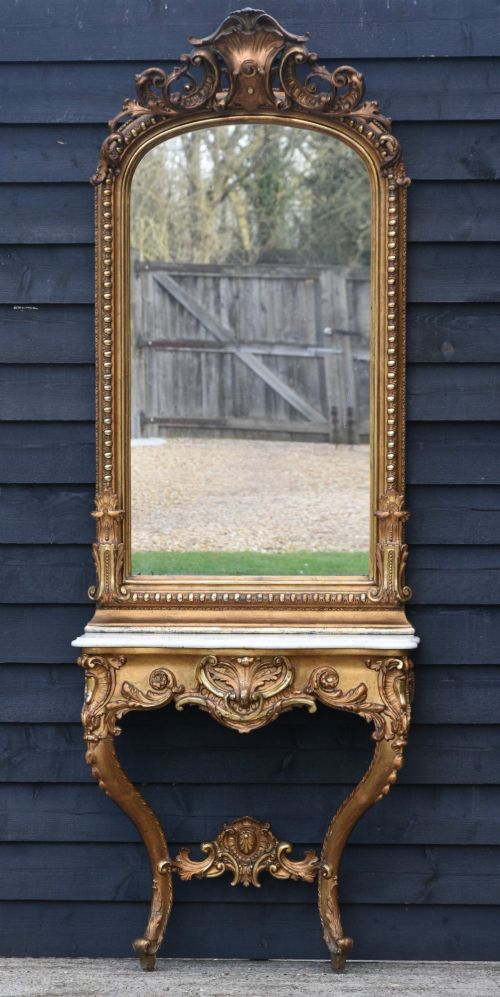
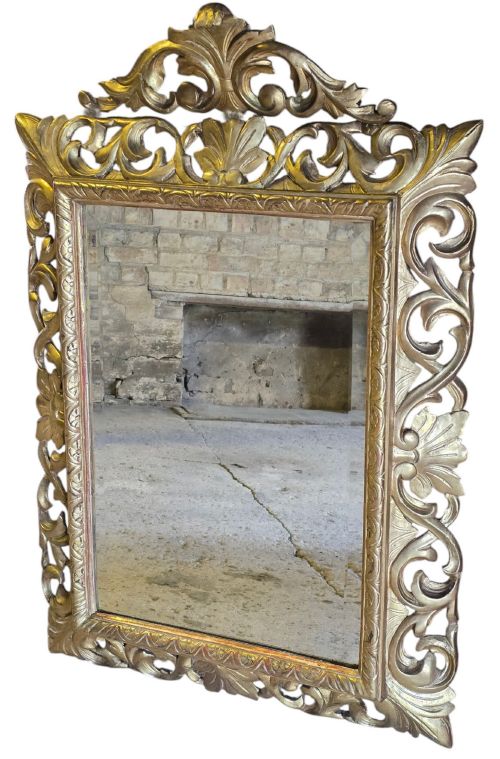
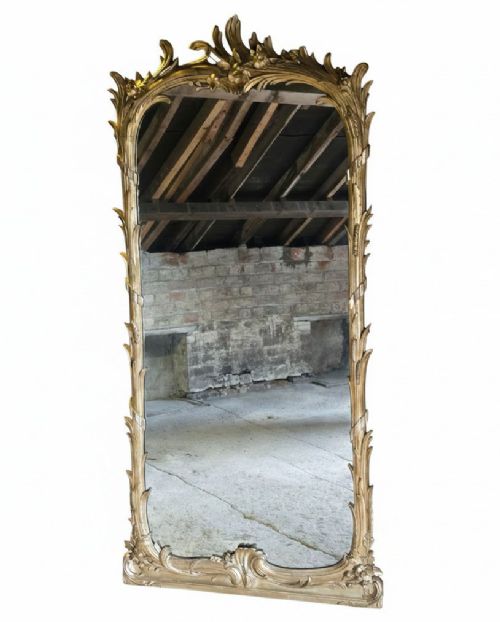
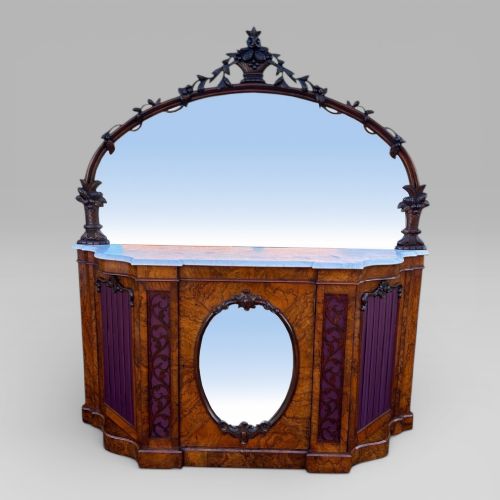
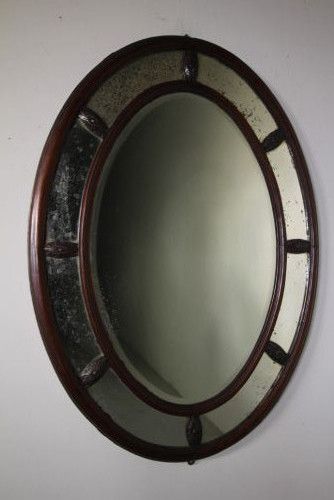
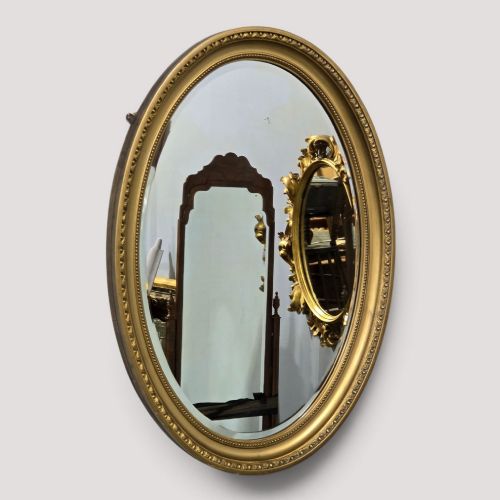
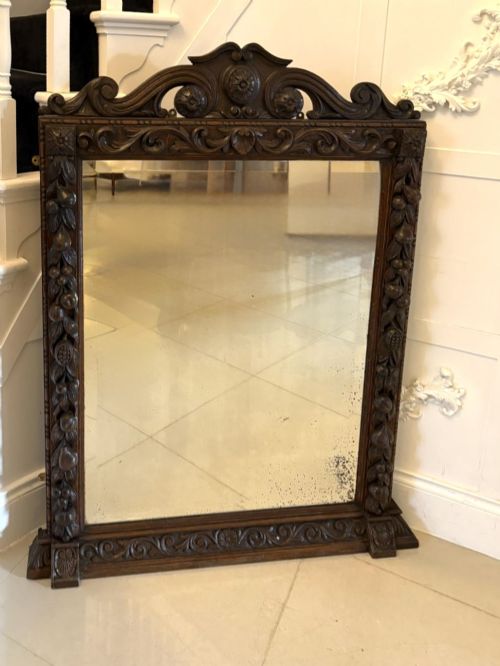
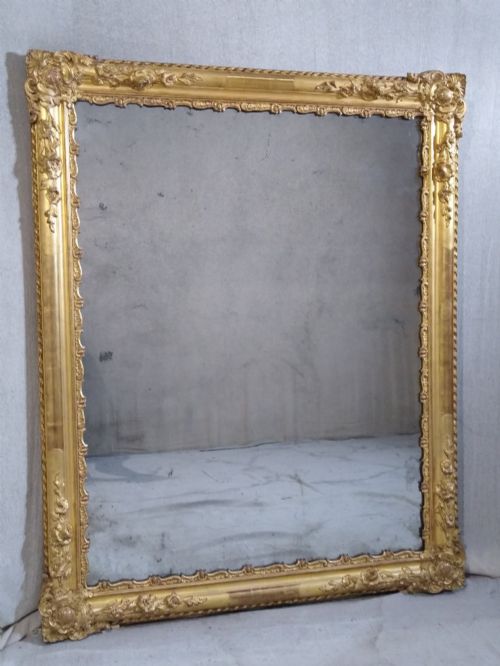
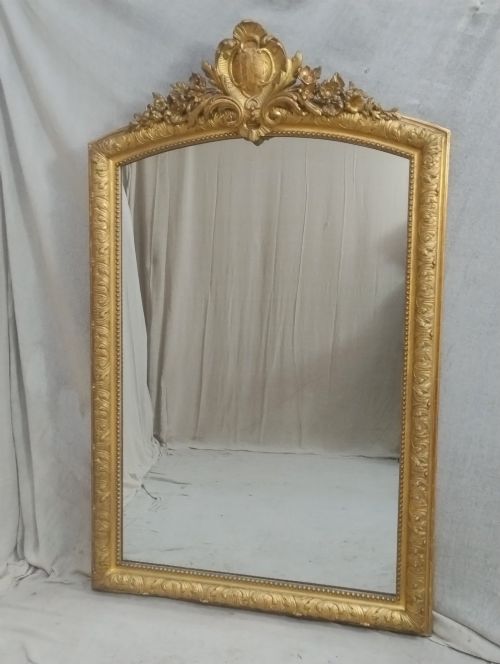
The selections recorded here span sturdy carved oak, burr walnut, and elaborate giltwood frames shaped by Victorian, Rococo Revival, and Florentine influences.
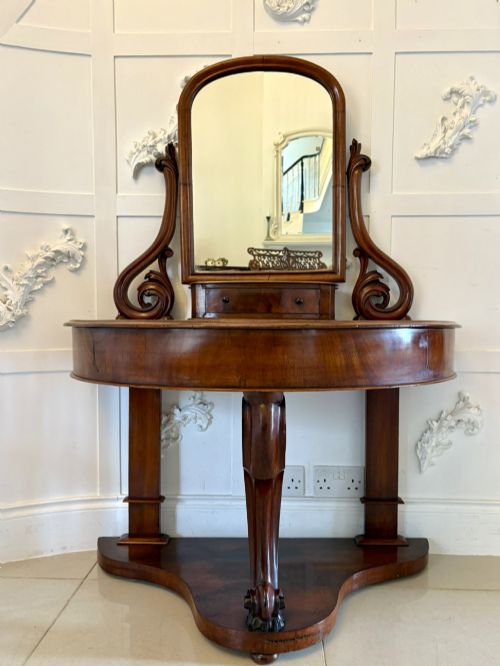
Buyers frequently encounter large landscape formats meant to sit above mantelpieces alongside vertical portrait mirrors and cheval glass stands designed for dressing rooms.
How they were made
Carvers shaped solid woods such as oak, mahogany, and walnut by hand, applying deep relief work, acanthus leaves, and scrolls directly into the timber.
Giltwood pieces relied on a base layer of gesso applied over carved wood, which was then smoothed and covered in gold leaf or metallic leaf to achieve a brilliant reflective surface.
Victorian Carved Mirror Retail Price Guide 2026
Typical asking prices for victorian carved mirror among the pieces listed under this phrase on Sellingantiques today, from the lower quarter to the upper quarter. They describe what is for sale here now, not the wider market.
Listings feature woods such as mahogany, walnut, and oak alongside elaborate gesso and giltwood finishes.
What varies in quality
Depth and crispness of the hand-carved detail dictate the distinction between standard production and exceptional workshop output, with superior examples showing sharp undercut foliage and confident asymmetry.
The integrity of the original mercury or silvered mirror plate and the weight of the underlying timber frame separate monumental statement pieces from simpler decorative mirrors.
Shoolbred & Co.
The Victorian Carved Mirror Glossary
- Gesso
- A plaster-like mixture applied to wood frames as a smooth base for gilding. It allows fine decorative moulding before the gold leaf is laid down.
- Overmantel mirror
- A wide mirror specifically proportioned to hang on the wall directly above a fireplace mantel. These large plates were central to nineteenth-century interior schemes.
- Giltwood
- Timber that has been gilded with gold leaf. The warmth of the underlying bole often shows through where the gold has thinned with age.
- Pier glass
- A tall mirror designed to hang on the wall space between two windows. They frequently sat above matching console tables.
- Cheval mirror
- A full-length floor-standing mirror suspended in a swivelling frame. This allows the glass to tilt at various angles.
Victorian Carved Mirror: Frequently Asked Questions
Where should an overmantel mirror be hung?
An overmantel mirror traditionally sits centrally on the chimney breast directly above the fireplace surround. This placement reflects light from the windows across the entire interior space.
Heavier examples require secure fixing directly into masonry or substantial wall studs to support the combined weight of the timber and glass plate safely.
How do I care for antique giltwood?
Giltwood surfaces require gentle dusting with a soft, dry brush rather than liquid cleaning agents. Moisture and modern chemical sprays can dissolve the historic gesso and lift the gold leaf.
Keeping the mirror away from direct heat sources prevents the underlying wood from drying out and cracking the delicate plaster decoration.
What is a pier glass used for?
A pier glass was originally positioned on the narrow section of wall between two windows to maximise natural light in Victorian reception rooms. They were often paired with matching console tables positioned underneath.
Today, these tall vertical mirrors work effectively in hallways and bedrooms where floor space is limited but height is available.
How do I distinguish oak from walnut frames?
Oak frames display a prominent, coarse grain pattern with visible medullary rays and a naturally lighter, golden-brown hue. Walnut offers a finer, darker grain that often includes rich figured patterns and burr variations.
Oak pieces tend to project a heavier, sturdier aesthetic, whereas walnut lends itself to more refined, polished surfaces.