

Victorian Carved Low Table
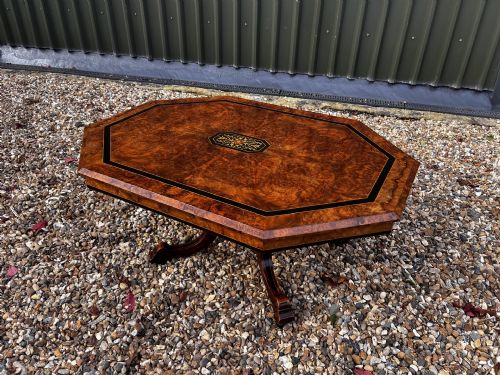
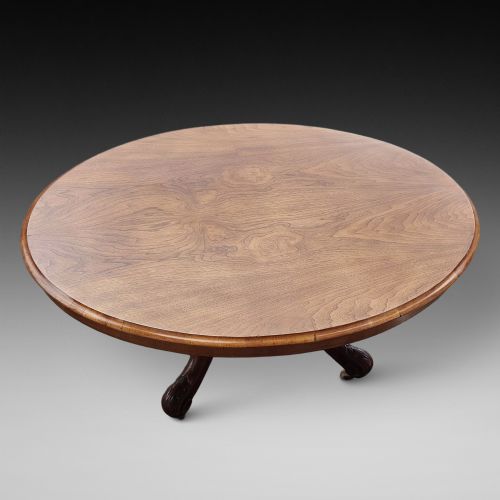
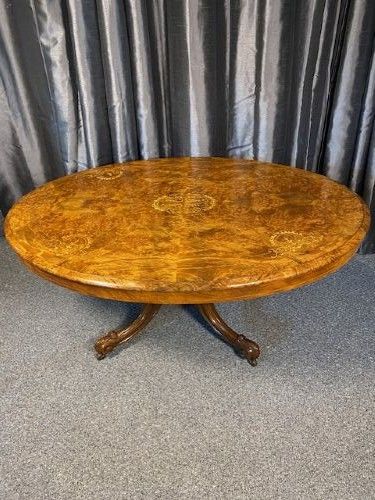
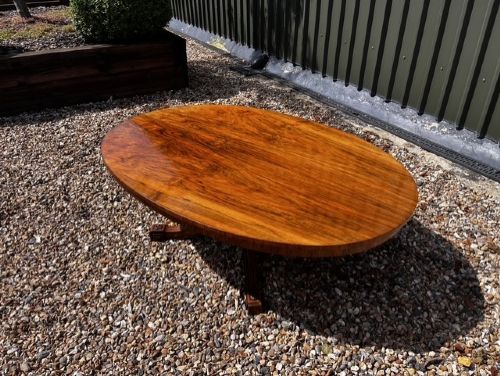
A victorian carved low table brings substance and rich timber grain to a room, functioning as a practical surface for daily use.
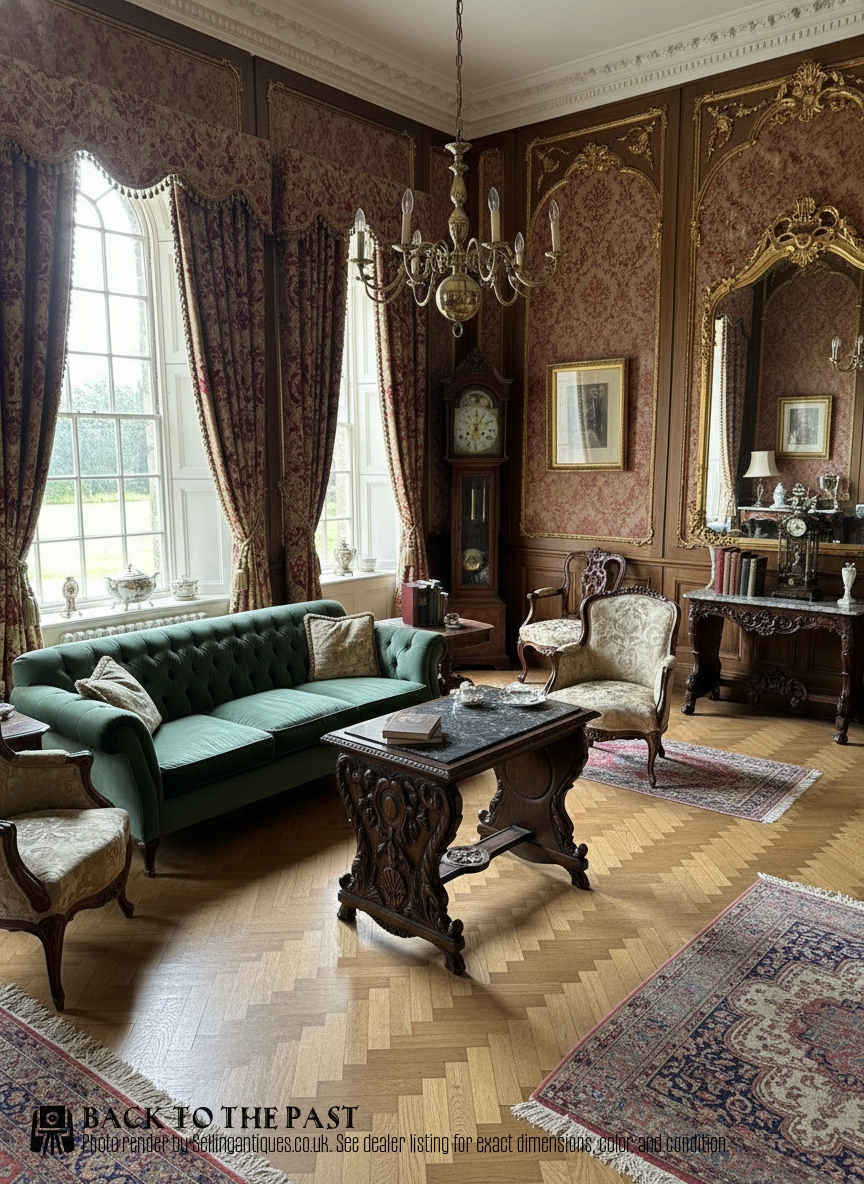
Victorian Carved Low Table
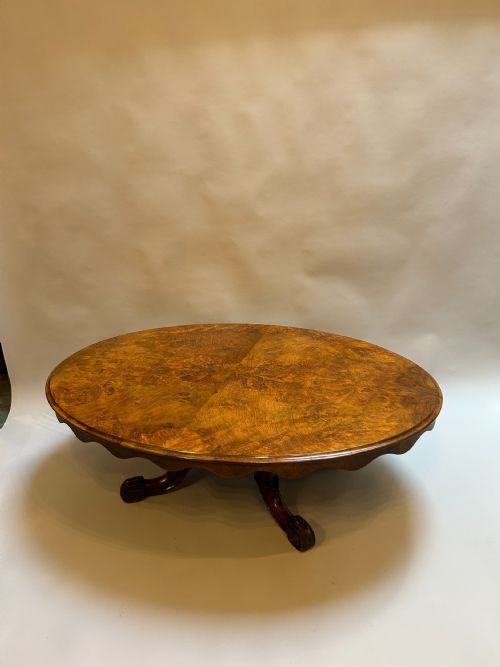
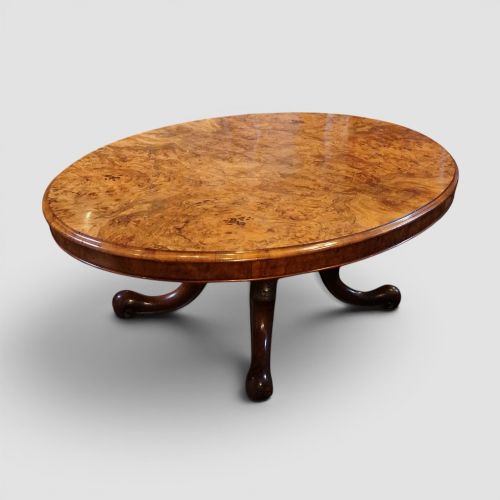
Most examples originate from the nineteenth century, including specific dates across the eighteen-fifties, sixties, seventies, and eighties. Walnut, burr walnut, and mahogany dominate the timber choices, frequently paired with carved details.
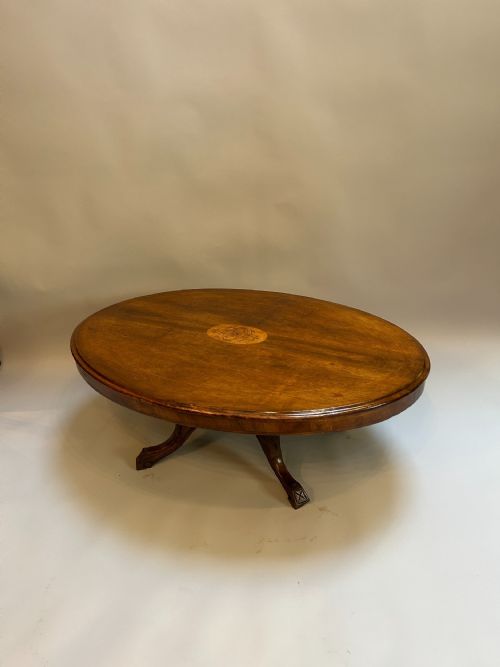
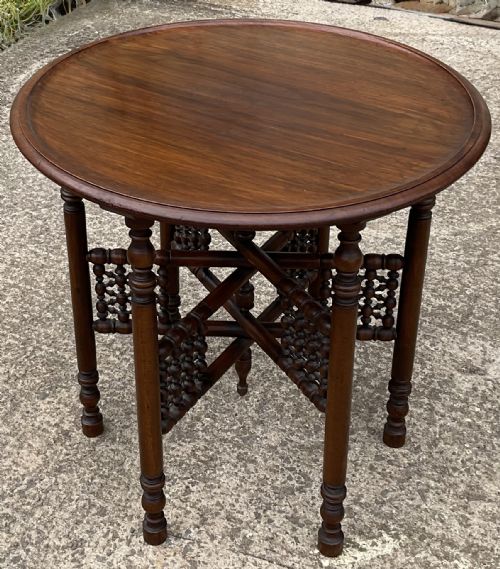
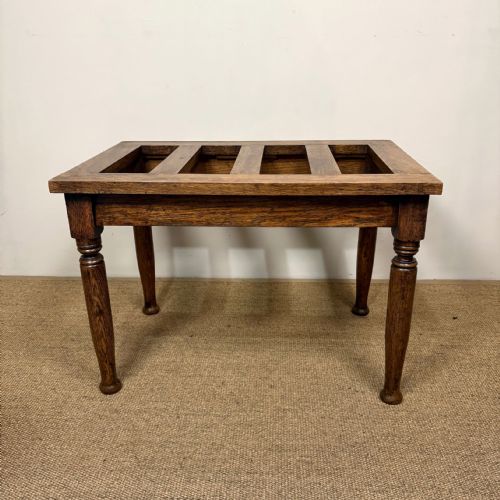
Beyond standard forms, the inventory includes Anglo-Indian pieces, oak luggage stands, and occasional tables with marquetry inlay or hand-carved bases. These pieces reflect both formal Victorian design and nineteenth-century country craftsmanship.
Judging the range of quality
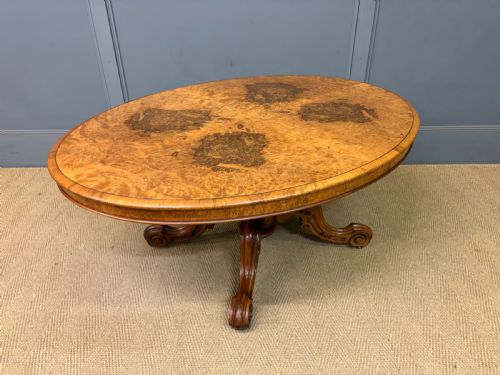
Quality rests upon the selection of timber veneers and the depth of the hand-carved decoration. Burr walnut with lively figuring and substantial mahogany denote superior workshop output compared to plain surfaces.
The precision of the joinery and the integration of the base shape separate standard items from exceptional pieces. Tables attributed to documented makers demonstrate finer proportions and crisper detailing in the carved elements.
Victorian Carved Low Table Retail Price Guide 2026
Typical asking prices for victorian carved low table among the pieces listed under this phrase on Sellingantiques today, from the lower quarter to the upper quarter. They describe what is for sale here now, not the wider market.
Several pieces double as games tables, proving Victorians took their parlour recreation right down to knee height.
Holland and Sons Of London
The Victorian Carved Low Table Glossary
- Burr walnut
- A veneer sliced from walnut tree growths, producing swirling, highly decorative grain patterns. It forms the primary visual surface on many high-end Victorian tables.
- Marquetry
- Inlay work using various wood veneers to create pictorial or geometric designs on tabletops. This technique requires meticulous cutting and fitting by skilled artisans.
- Cabriole leg
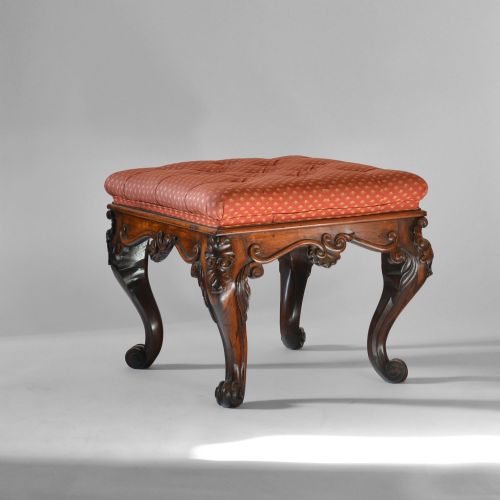
- A furniture leg featuring a double curve, typically arching outward and then tapering inward to a pad or scroll foot. It is frequently seen on walnut and mahogany pieces.
- Canterbury
- A low stand featuring slatted divisions, originally designed for holding sheet music, newspapers, or magazines. Examples in burr walnut serve as versatile low storage furniture.
Victorian Carved Low Table: Frequently Asked Questions
How were these low tables originally used?
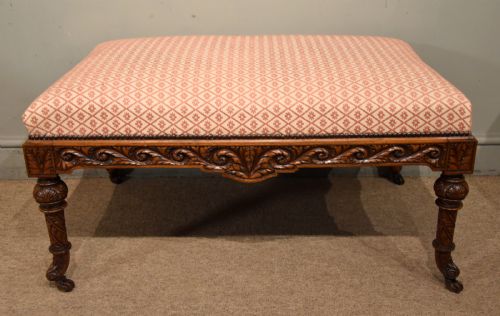
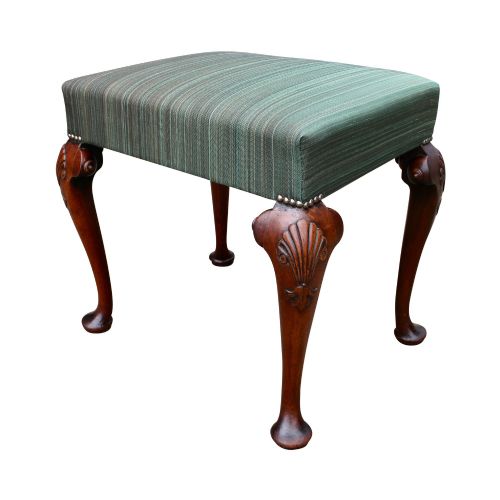
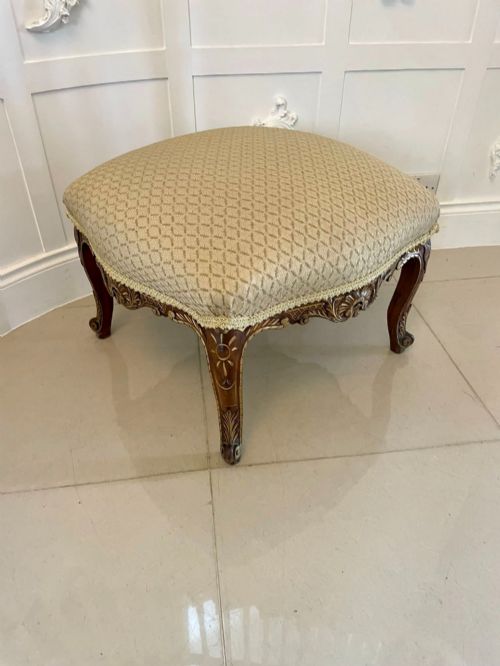
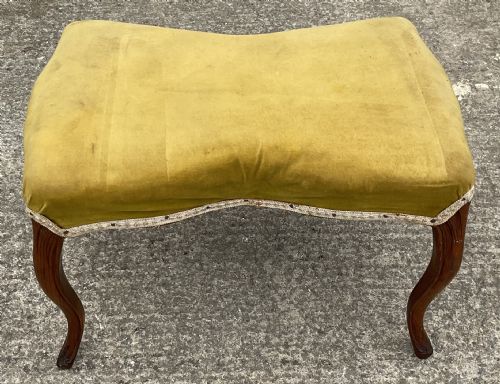
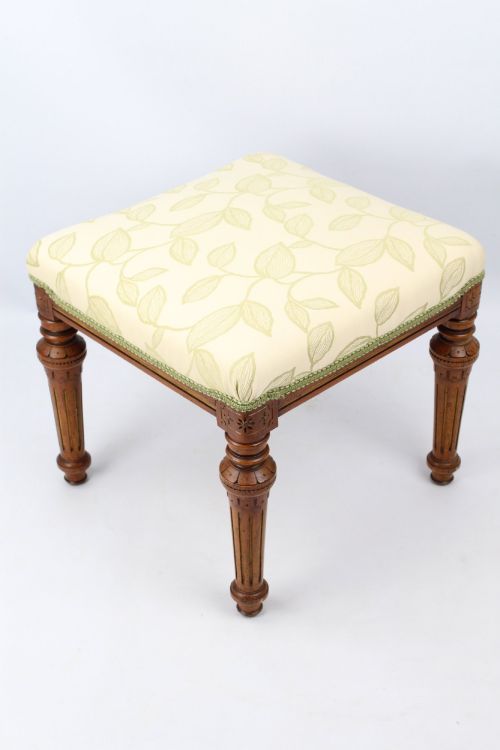
These pieces served multiple functions in nineteenth-century interiors, acting as dressing stools, low side tables, or surfaces for afternoon tea and wine. Many started life as seating furniture before being adapted for modern coffee table use.
Lowered wine tables and lamp stands provided convenient surfaces next to seating. Stools and ottomans offered flexible seating or foot support within the parlour.
Are these tables suitable for modern living rooms?
Their low profile and warm timber tones make them practical additions to contemporary seating arrangements. They provide stable surfaces for books and everyday items while introducing historical character.
Care involves protecting polished wood surfaces from moisture and direct heat. Regular dusting preserves the patina of the nineteenth-century finish.
How do I identify the period of the wood?
Nineteenth-century pieces display distinct material choices, such as solid mahogany, oak, and figured burr walnut veneers. Construction details like hand-cut joints and traditional wax finishes indicate nineteenth-century workshop methods.
Revival styles from later decades often mimic earlier forms but use different secondary timbers or machine-cut components. Examining the underside and interior reveals the age of the construction.
What is the difference between a stool and a table?
Stools were originally built for seating or dressing tables, frequently featuring upholstered tops in fabric or velvet. Over time, many sturdy frames transitioned into low coffee tables.
Tables were constructed primarily for display or holding objects from the outset. Both forms share similar carved woodwork and leg styles from the Victorian era.