


Victorian Carved Lamp Stand
A victorian carved lamp stand brings solid timber and decorative joinery into a room, serving as a sturdy perch for illumination or display.
Victorian Carved Lamp Stand
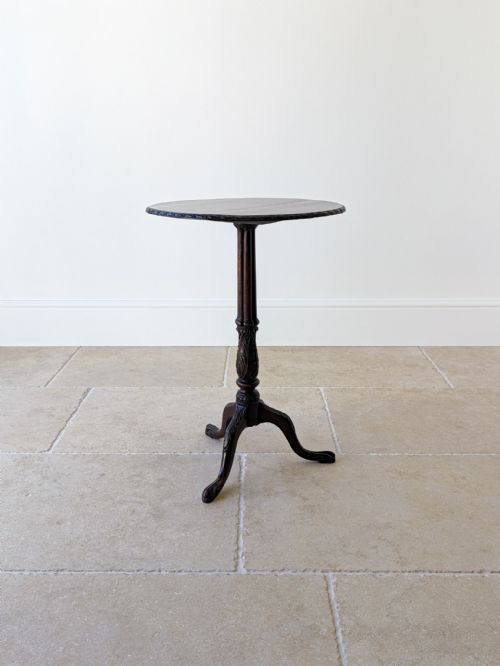
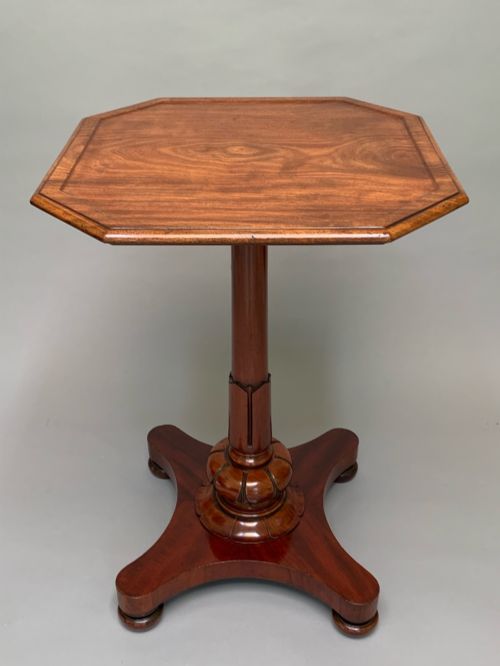
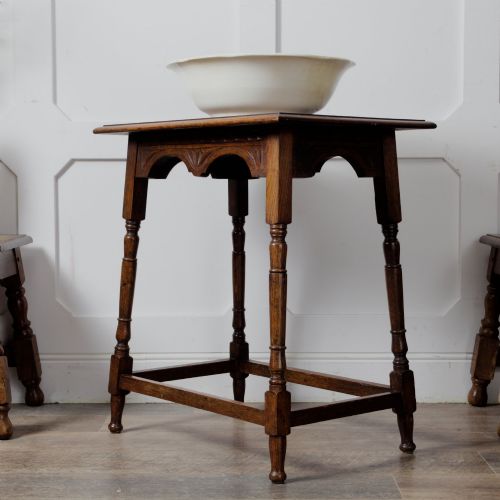
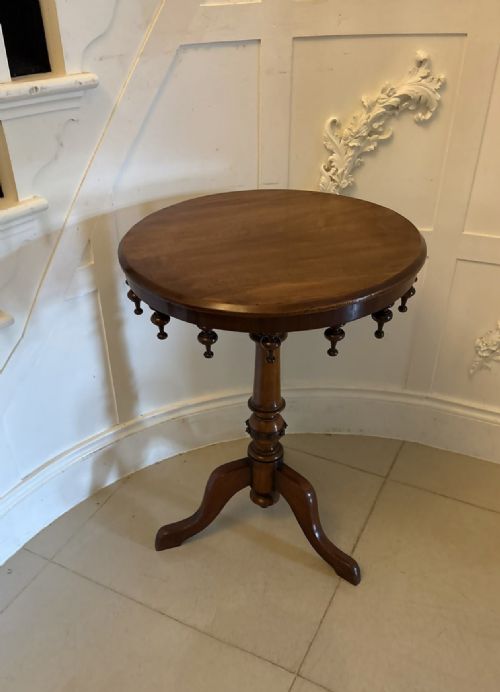
When you search for a victorian carved lamp stand, you encounter a variety of small tables, torcheres, and floor-standing lighting supports originating from the nineteenth century. The selection leans heavily towards occasional tables, side tables, and wine tables adapted for lamps, alongside standard floor lamps.
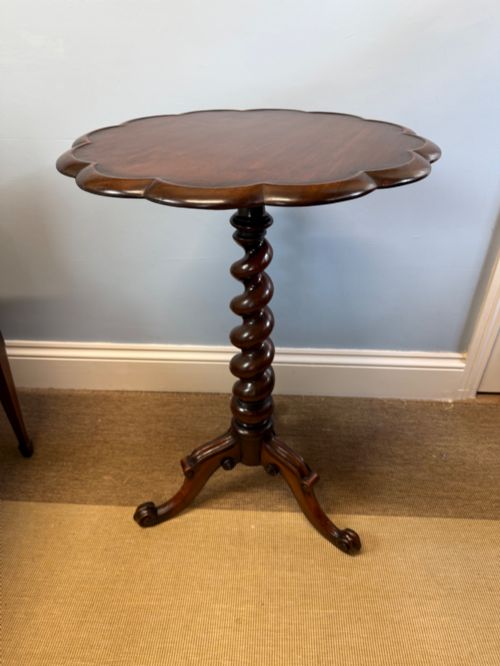
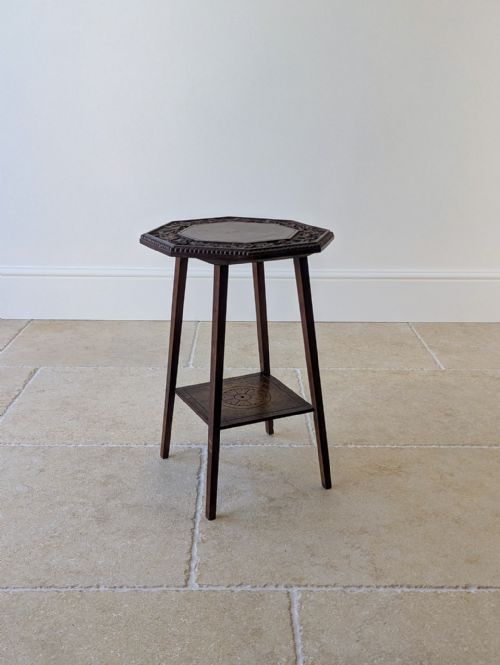
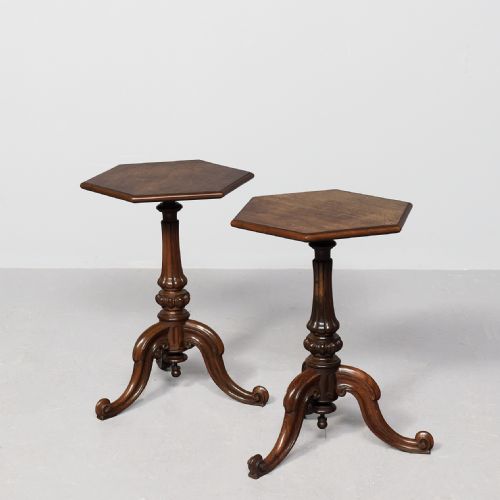
The most common forms on this page include mahogany and walnut tripod tables, often featuring circular or clover-shaped tops. Alongside these standard formats, you find pieces influenced by regional or revival styles, including Arts and Crafts, Jacobean Revival, and Moorish designs.
How they were made
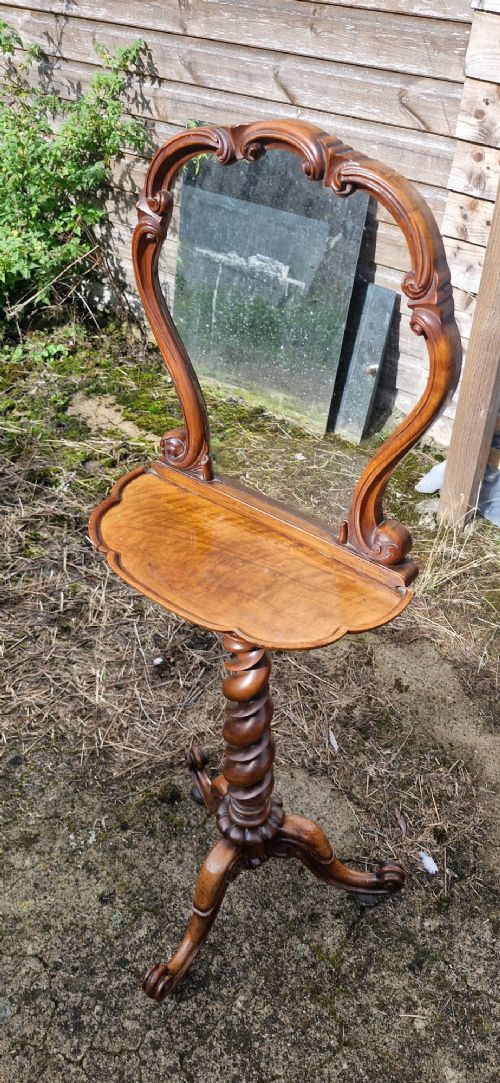
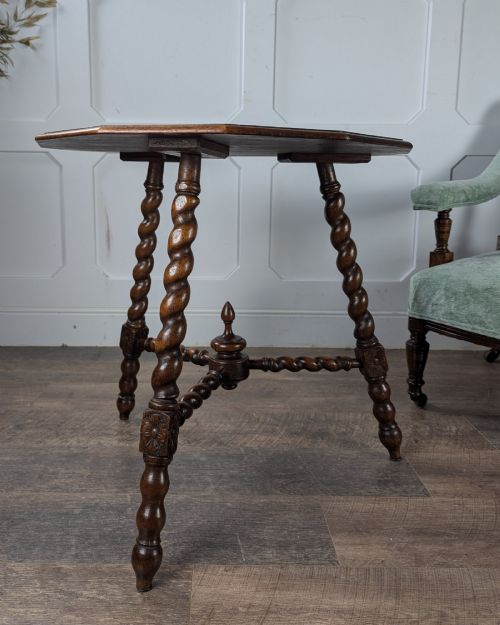
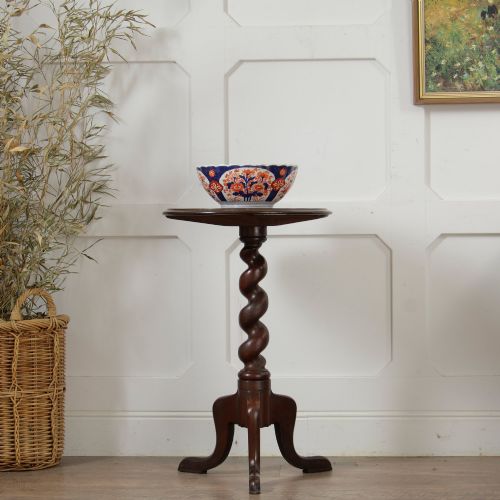
Cabinet makers utilised dense hardwoods such as mahogany, walnut, burr walnut, and oak to construct these stands, frequently employing lathe-turned elements like barley twist stems or bobbin galleries. Structural stability was achieved through tripod leg configurations and sturdy central pedestals.
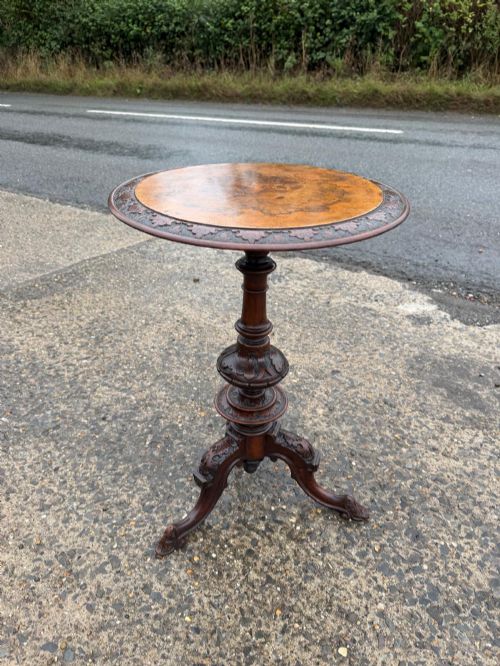
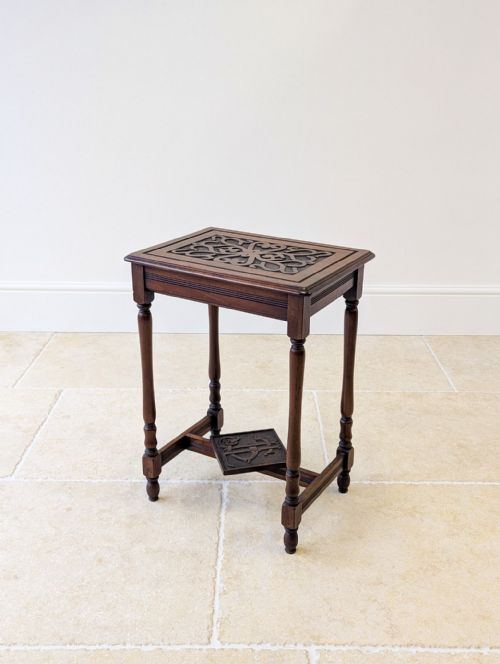
Carving and surface detailing define the visual character of the pieces, utilising hand-chiselled motifs alongside fitted brass and glass components. Woods were polished to highlight natural grain patterns, particularly on burr wood and figured mahogany tops.
Keep an eye out for sculptural grape vine details climbing the woodwork, bringing a touch of the vineyard indoors.
What varies in quality
The distinction between standard examples and the finest pieces rests upon the crispness of the carved ornamentation and the selection of timber. Superior items display deeply sculpted details, such as figurative elements or intricate foliage, paired with highly figured burr walnut or select mahogany veneers.
Construction methods also set pieces apart, where stable pillar joints, well-fitted detachable tops, and substantial brass hardware indicate careful workshop production. Lesser examples rely on plainer turned stems and simpler secondary woods without figured grain.
The Victorian Carved Lamp Stand Glossary
- Torchere
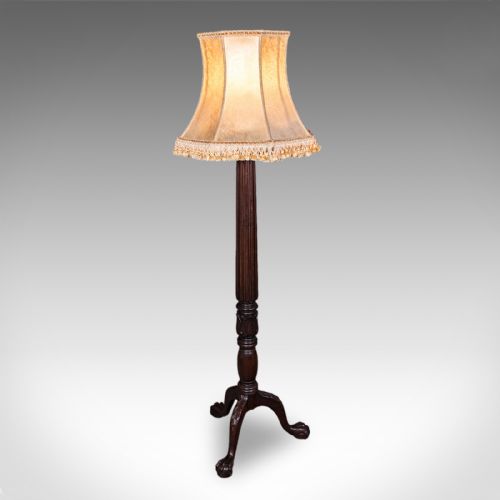
- A tall stand designed to support a candle or lamp. These slender supports often feature carved shafts and raised platforms.
- Tripod table
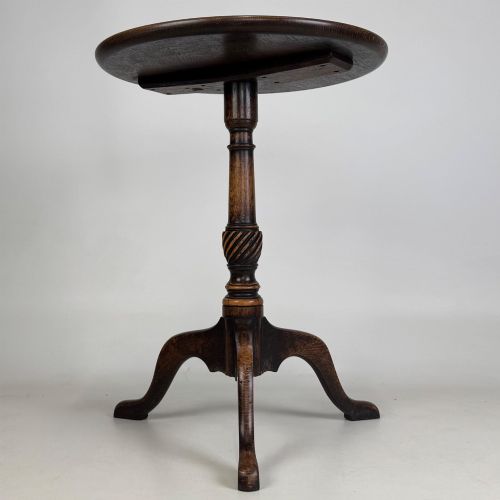
- A small occasional table supported by three legs radiating from a central pillar. This design provides stability on uneven floors.
- Barley twist
- A decorative turning style resembling a spiralling rope. Cabinet makers used this technique extensively on vertical stems and table legs.
- Burr walnut
- Timber taken from a tree growth that produces complex, swirling grain patterns. It was sliced into thin veneers for tabletop surfaces.
- Occasional table
- A small, movable table intended for specific, intermittent use. They appear frequently in nineteenth-century interiors as lamp or wine stands.
Victorian Carved Lamp Stand: Frequently Asked Questions
What is a torchere?
A torchere is a tall, slender stand originally designed to hold a light source such as a candle or oil lamp. In nineteenth-century interiors, they functioned primarily as decorative display pedestals.
These pieces feature prominent vertical shafts raised on tripod or weighted bases, allowing them to occupy corners or narrow spaces without obstructing movement.
How do I use a lamp stand?
These pieces serve as functional small tables or floor supports for lighting in living spaces. Table formats suit corners or beside seating for reading lamps.
Standard floor models provide overhead illumination, requiring clearance and a stable surface placement to support standard lamp fixtures safely.
Are these stands stable?
Most antique stands rely on three-legged tripod bases designed to plant firmly on flat floor surfaces. The heavy hardwood construction adds necessary weight below.
Care should be taken with tall floor lamps or smaller wine tables on thick carpets, ensuring the central column remains balanced.
How do I identify a Victorian piece?
Victorian stands typically display characteristic nineteenth-century timber choices like mahogany, walnut, and oak. Construction details often include turned barley twist stems or carved tripod legs.
Stylistic revivals, such as Jacobean or Arts and Crafts influences, further point towards the later decades of the nineteenth century.