
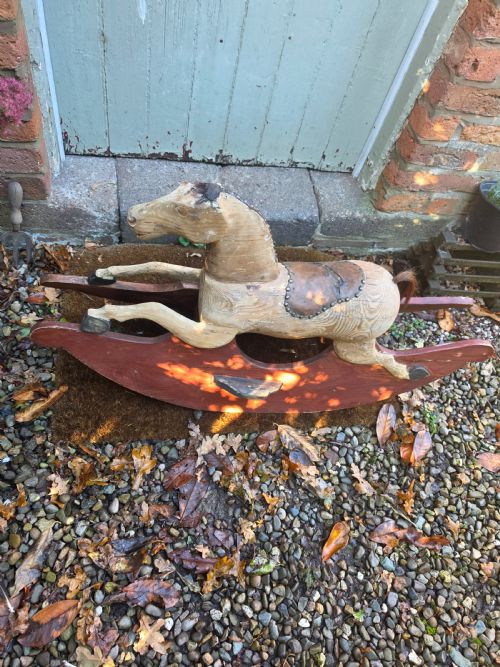
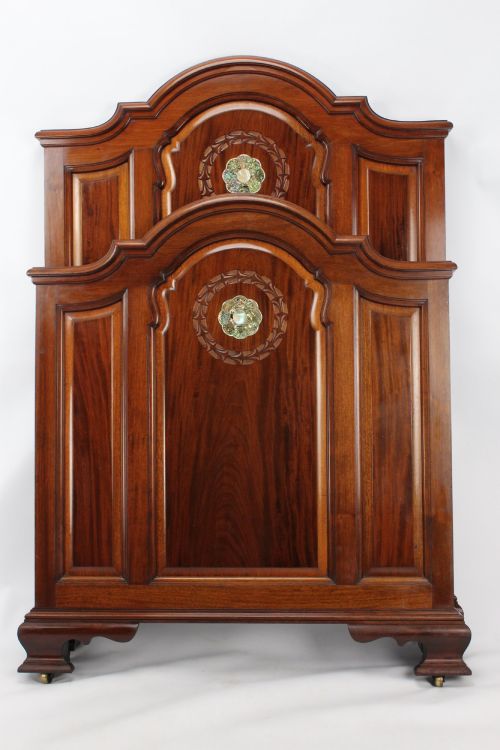
Victorian Carved Furniture
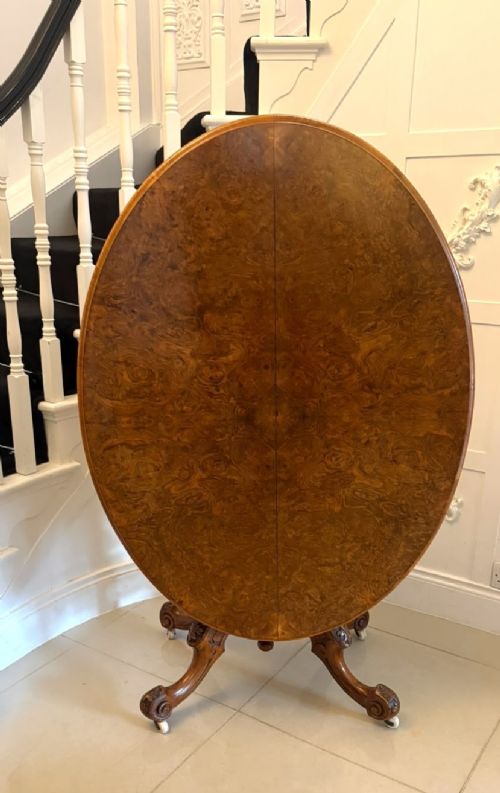
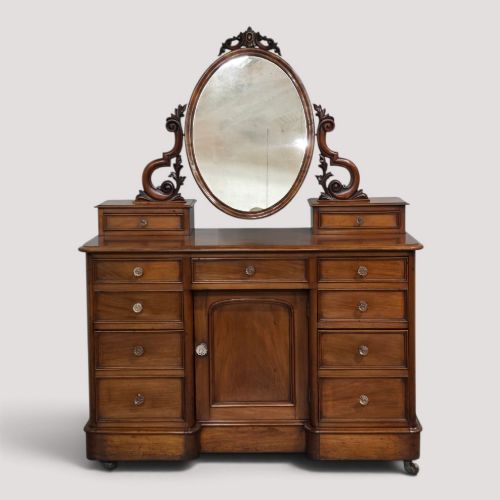
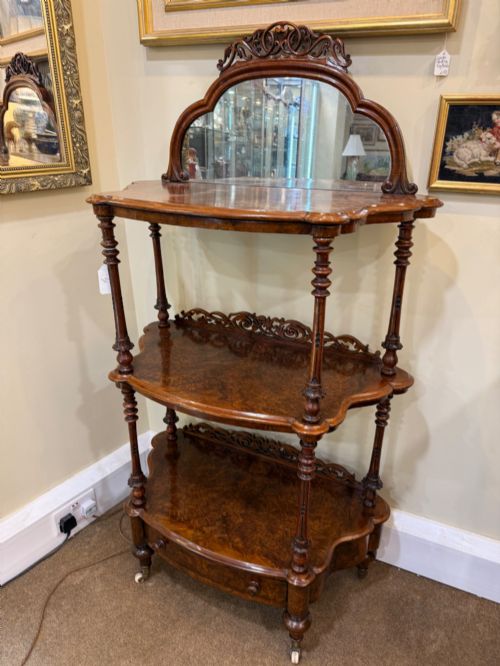
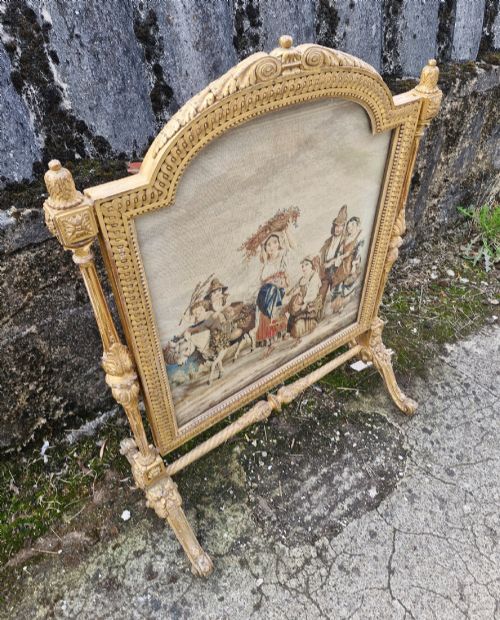
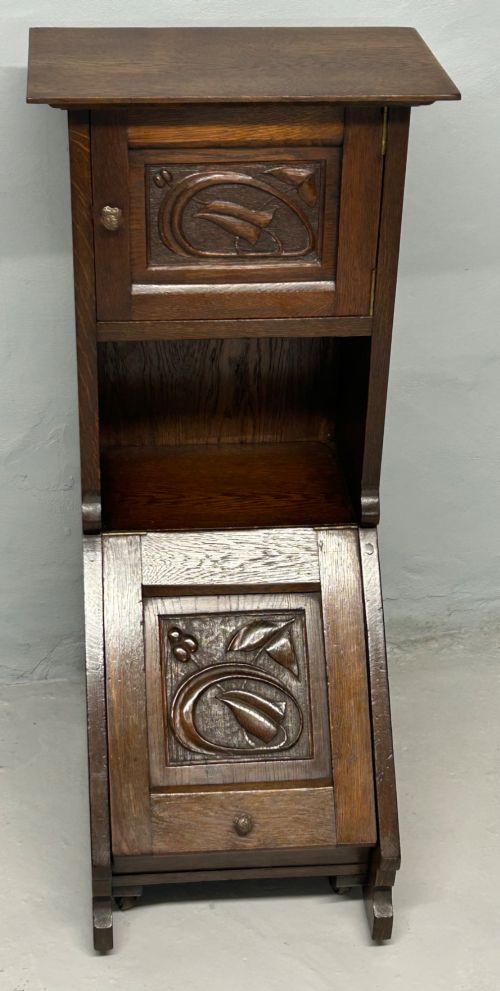
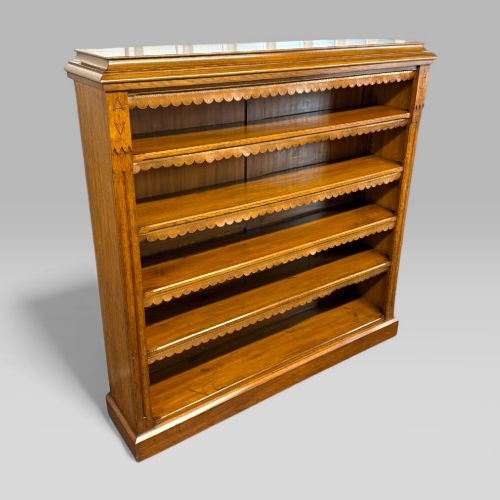
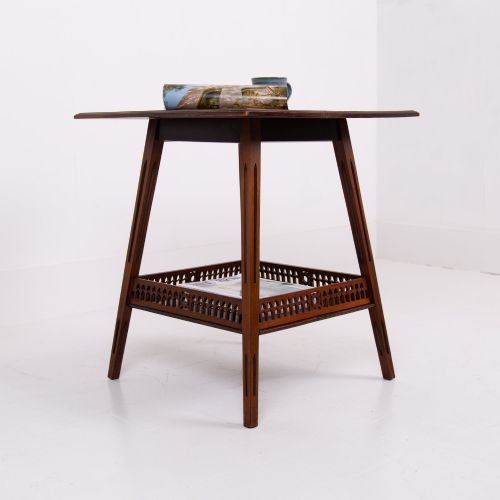
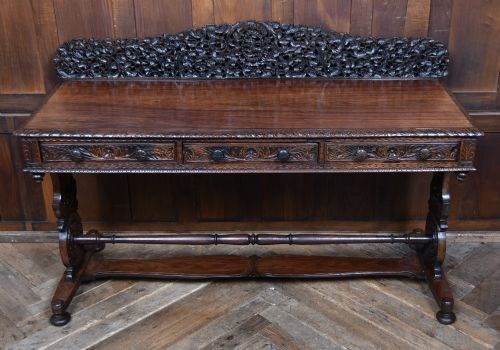
Victorian carved furniture brings together robust timbers and elaborate ornamentation, offering both practical utility and distinct period character.
Victorian Carved Furniture
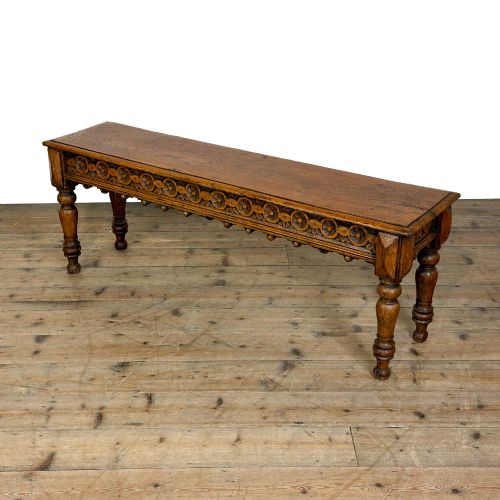
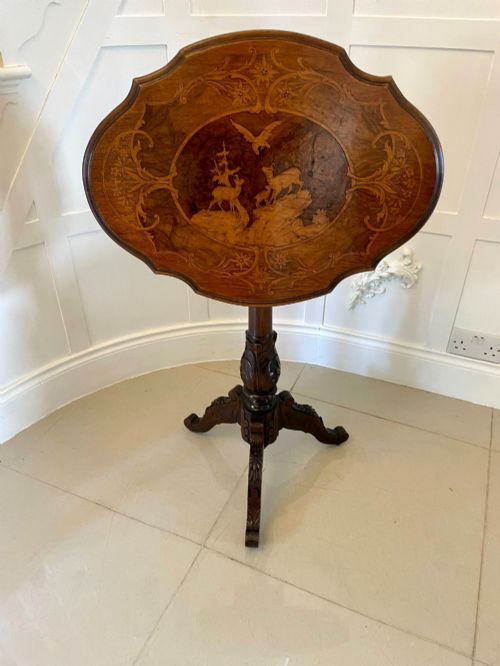
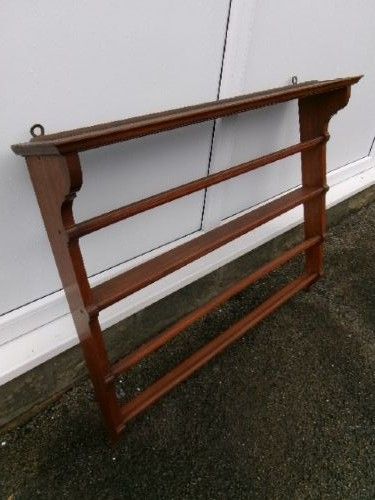
Victorian carved furniture encompasses a diverse selection of household items ranging from substantial sideboards and dining tables to smaller items like canterburys, benches, and hall stands.
Buyers browsing this category frequently encounter pieces dating from the nineteenth century, including specific decades such as the eighteen-fifties, sixties, and nineties.
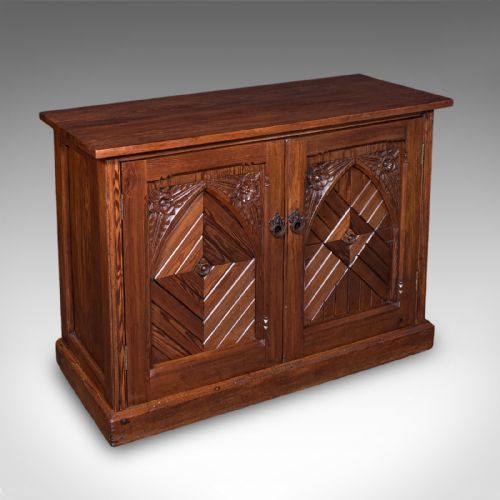
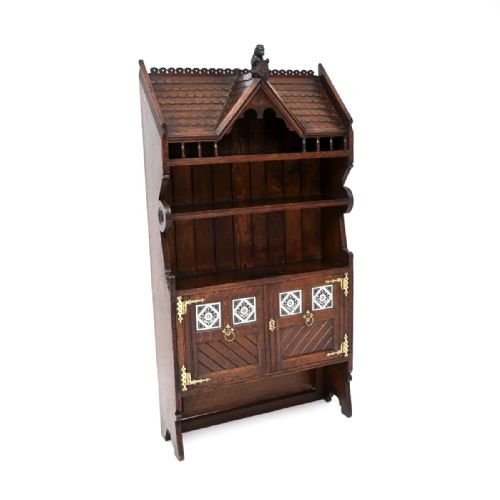
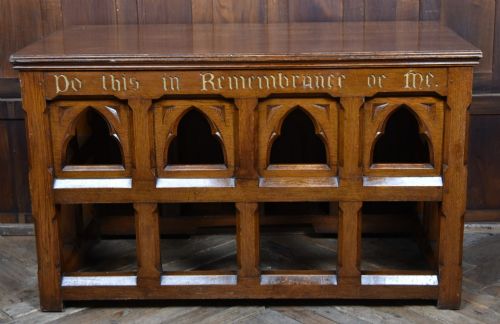
The selection includes regional and stylistic variations, spanning Gothic Revival, Anglo-Indian, Aesthetic Movement, and French Rococo Revival influences alongside standard domestic forms.
Materials and construction
Cabinet makers utilised a range of dense hardwoods including mahogany, oak, walnut, rosewood, padouk, and burr walnut, often paired with brass hardware and glass elements.
Construction techniques combined structural timber framing with deep relief carving, hand-turned components such as barley twist supports, and inlaid details.
Surface finishes relied on traditional polish and wax applications that highlighted the natural grain and colour variations of the underlying wood.
Several pieces feature carved Green Man masks glaring out from the woodwork, keeping a stern, leafy watch over the nineteenth-century parlour.
Assessing quality
Quality in these pieces is dictated by the depth, crispness, and artistic execution of the carved ornament, particularly on prominent areas like mirror backs, cupboard doors, and friezes.
The choice of timber and veneer selection plays a significant role, with figured burr walnut, pollard oak, and dense rosewood representing superior material grades.
Structural integrity, the retention of original brass or glass components, and the harmony of secondary timbers inside drawers and carcases separate finer examples from standard production.
Gabriel Viardot
The Victorian Carved Furniture Glossary
- Canterbury
- A low, freestanding stand with slatted partitions, originally designed to hold sheet music or folios. These pieces typically feature small drawers below and rested on castors.
- Gothic Revival
- An architectural and decorative style drawing inspiration from medieval forms. Pieces in this idiom display pointed arches, trefoils, and heavy structural oak.
- Sideboard
- A large dining room cabinet used for serving food and storing tableware. Victorian examples often feature heavily carved mirror backs and panelled doors.
- Aesthetic Movement
- A late nineteenth-century design style emphasising visual beauty over narrative subject matter. Furniture in this taste often incorporates ebonised finishes and Japanese-inspired motifs.
- Barley Twist
- A turned wooden column or leg resembling a twisted rope. This decorative turning technique appeared frequently on nineteenth-century stands and supports.
Victorian Carved Furniture: Frequently Asked Questions
What woods were used?
Makers relied heavily on dense native and exotic hardwoods such as oak, mahogany, walnut, and rosewood. Burr walnut and pollard oak provided highly figured surfaces for display pieces.
Secondary woods like deal or pine often appeared inside carcases and drawer linings where they remained out of sight.
How do I spot Gothic Revival?
Gothic Revival items show distinct architectural motifs borrowed from medieval buildings, including pointed arches, tracery, and heavy structural oak.
Pugin style pieces are particularly recognisable for their uncompromising geometry and deep, austere chamfering.
Where did Anglo-Indian pieces come from?
Anglo-Indian furniture was manufactured in the Indian subcontinent during the British colonial period, combining traditional local carving skills with European furniture forms.
These works frequently feature dense padouk or rosewood carved with intricate foliate and animal motifs.
How should I clean polished wood?
Maintain polished surfaces by dusting regularly with a soft, dry cloth to prevent abrasive particles from accumulating on the finish.
Avoid silicone-based sprays and apply a traditional microcrystalline wax sparingly when the timber appears dry.