





Victorian Carved Display Case
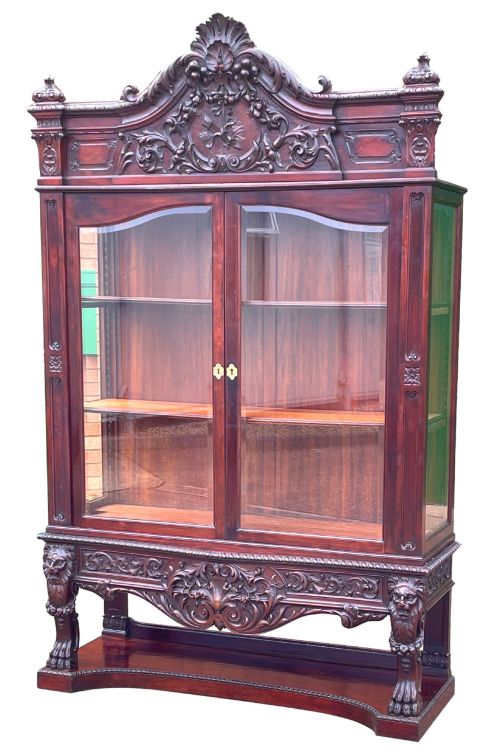
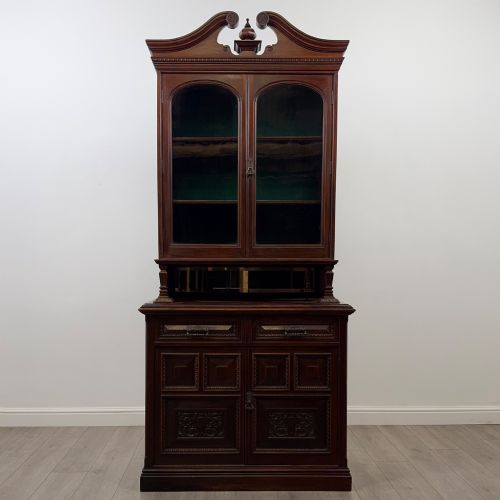
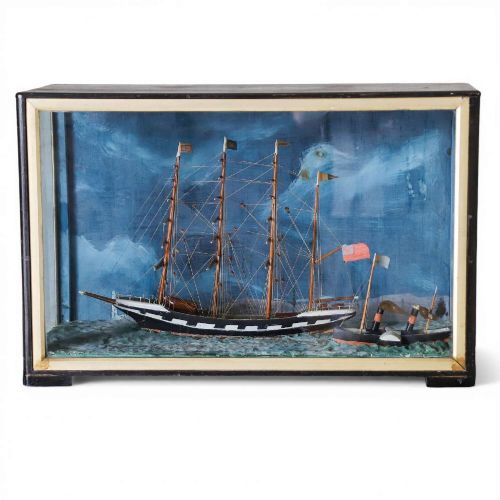
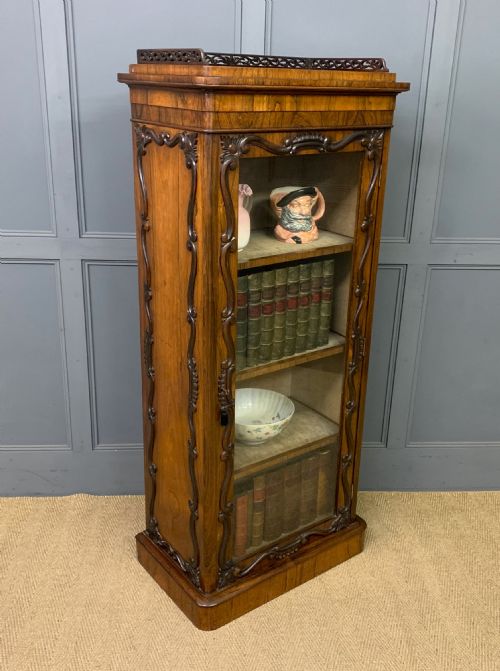
A victorian carved display case brings together timber and glass to hold books, curiosities and ship models.
Victorian Carved Display Case
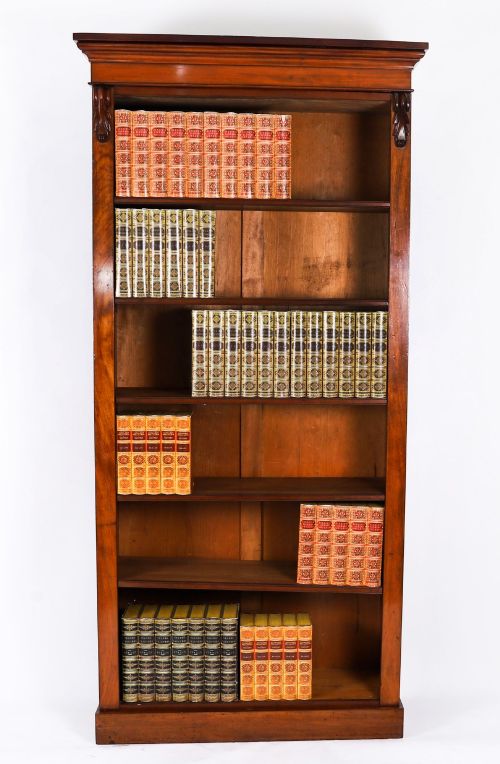
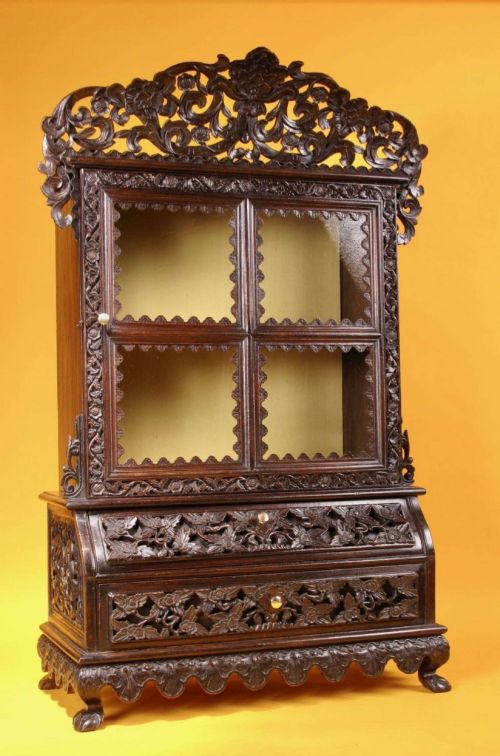
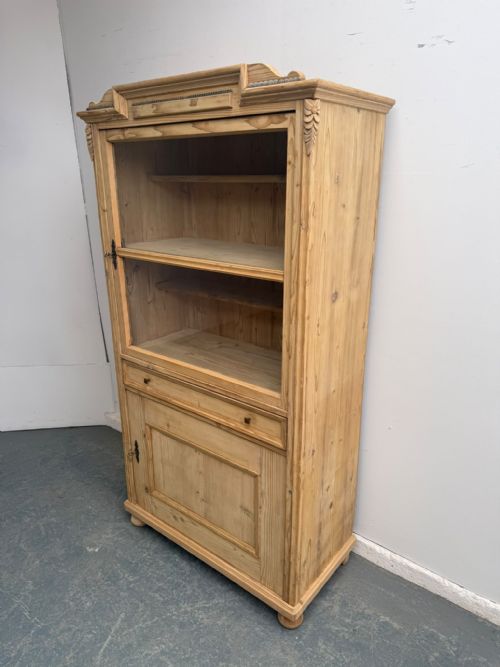
When you search for a victorian carved display case, you encounter large library bookcases, wall-hanging shelves, shop counters and maritime dioramas spanning the nineteenth century. The examples on this page range from modest pine wall cabinets to substantial breakfront libraries in oak and mahogany.
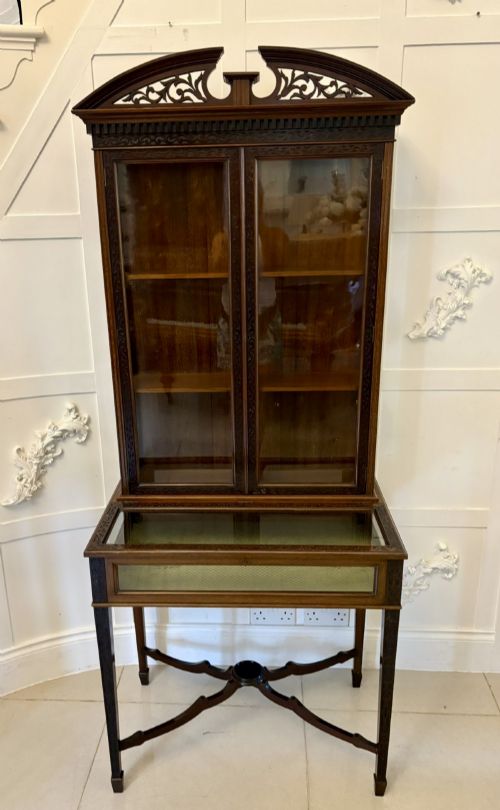
Most pieces date from the Victorian era, executed in regional British workshops or commercial settings, alongside revivalist styles like Chippendale, Gothic and Anglo-Indian. Forms include breakfronts, demi-lune cabinets, bijouterie tables and corner units built to showcase valuable items behind glass.
The selection encompasses utilitarian shop fittings and domestic display furniture, often embellished with architectural carving or maritime folk art. Buyers find pieces ranging from upright glazed bookcases to shallow wall shelves designed for smaller collections.
How they were made
Cabinet makers utilised dense hardwoods such as mahogany, walnut and oak, frequently paired with secondary pine, beech or cedar for internal construction and shelving. Timber surfaces received carved ornamentation, polish, wax or paint finishes, while retail models incorporated gold leaf lettering.
Glazing required timber frame doors with astragal bars to hold sheet glass securely in front of shelved interiors. Brass hinges, locks and decorative brackets completed the hardware, while maritime dioramas combined painted backdrops with carved wooden ship models and textile rigging.
Victorian Carved Display Case Retail Price Guide 2026
Typical asking prices for victorian carved display case among the pieces listed under this phrase on Sellingantiques today, from the lower quarter to the upper quarter. They describe what is for sale here now, not the wider market.
What varies in quality
The standard of a victorian carved display case depends on the depth and crispness of the timber carving and the selection of figured veneers like burr walnut or satinwood. Superior examples exhibit balanced proportions, meticulous joinery in the internal shelving and original glass panes.
Commercial provenance and maker attribution elevate certain pieces, distinguishing standard domestic storage from exhibition-grade furniture or specialised retail counters. The integration of architectural elements like breakfront cornices and Romanesque mouldings defines the upper tier of the range.
James Winter·C Hindley and Sons
The Victorian Carved Display Case Glossary
- Astragal glazed
- A door configuration where slender wooden bars divide the glass into smaller panes. This technique creates a grid pattern common on bookcase fronts.
- Bijouterie cabinet
- A glass-topped or glazed display case specifically designed for small precious objects, jewellery and medals. These often stand on slender legs.
- Breakfront
- A piece of furniture where the central section projects forward from the flanking wings. This architectural arrangement adds depth to large bookcases.
- Demi-lune
- A half-moon or semicircular shape utilised in the footprint of specialised cabinets. Such pieces fit flush against walls in tighter spaces.
- Diorama
- A three-dimensional scene featuring carved and painted figures or ship models set against a painted background. Maritime examples preserve historic vessels in glazed wooden cases.
- Burr walnut
- A timber veneer harvested from the gnarled growths of walnut trees, yielding highly figured patterns. Makers applied it to high-status cabinet doors.
Victorian Carved Display Case: Frequently Asked Questions
How do I identify a Victorian piece?
Look for dense hardwoods, traditional hand-cut dovetails in the drawer construction and characteristic period revival styles such as Gothic or Chippendale.
Examine the backboards and secondary timbers, which typically show nineteenth-century saw marks and hand-driven fixings rather than modern machine screws.
Were these cabinets used in shops?
Many surviving examples served a commercial function in pharmacies, optical shops and general retail premises as counter-top display units.
These shop fittings often feature specialised labeling, such as gold leaf lettering, designed to advertise goods to nineteenth-century customers.
How should I clean the wood?
Maintain polished hardwood surfaces by dusting with a dry cloth and applying traditional beeswax sparingly to nourish the grain.
Avoid modern liquid polishes containing silicone, which can penetrate old finishes and damage the historic patina of nineteenth-century timber.