



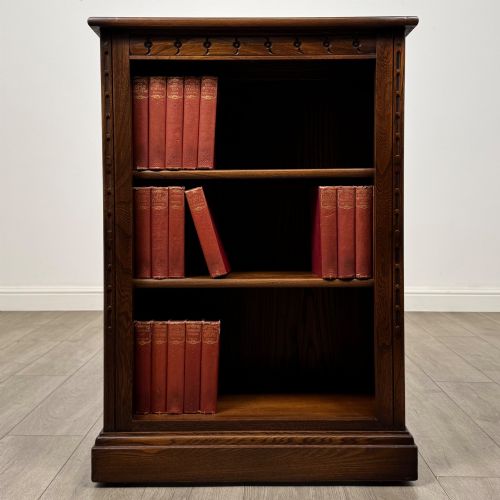
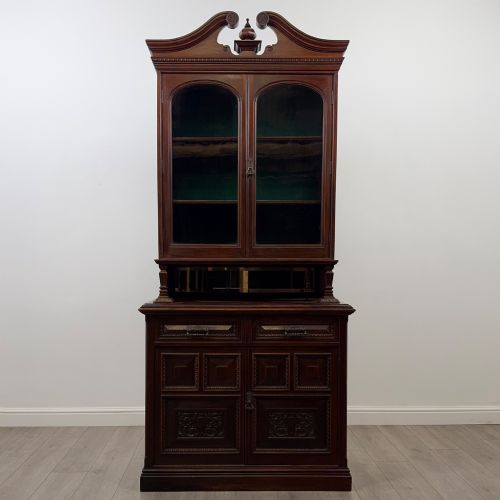
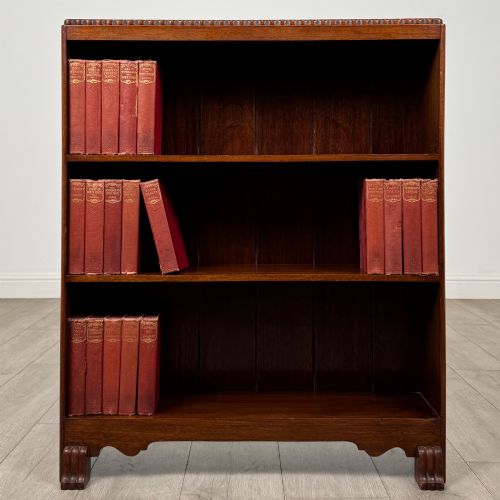
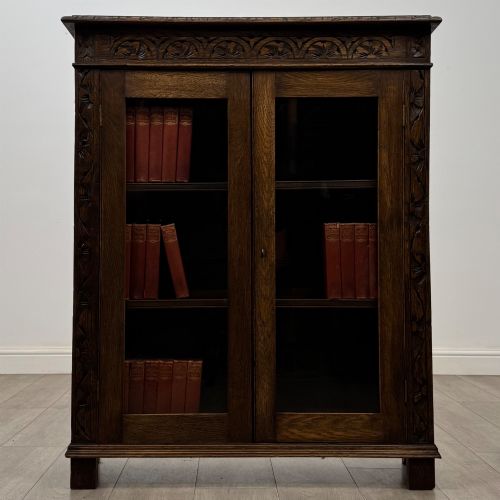
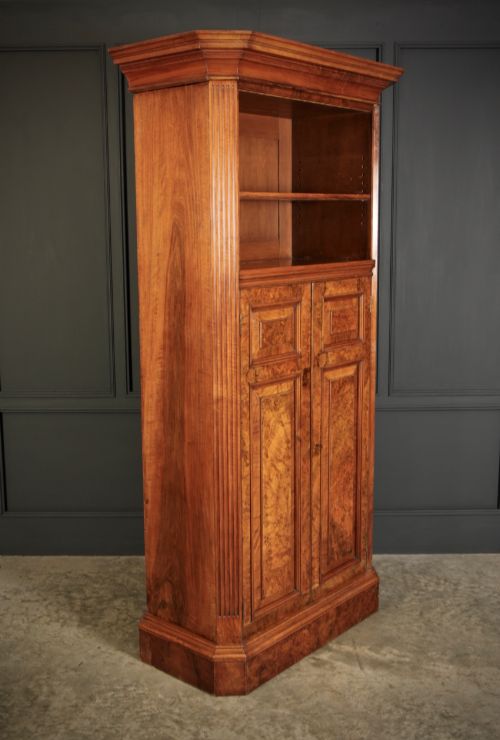
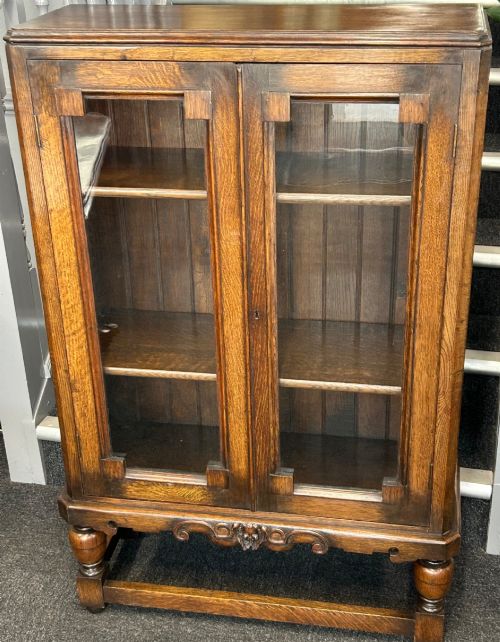
Antique Carved Book Cabinet
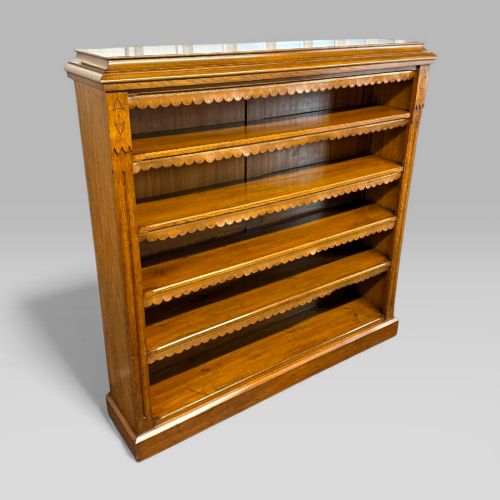
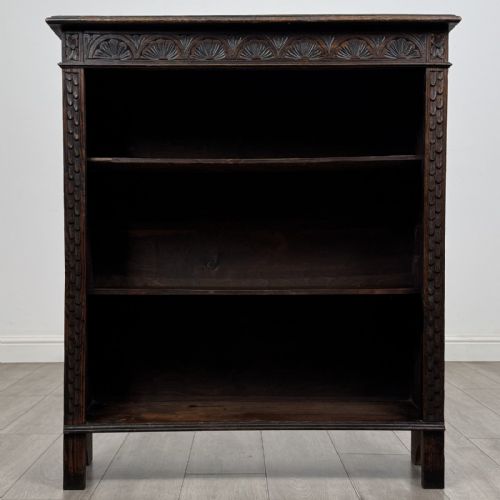
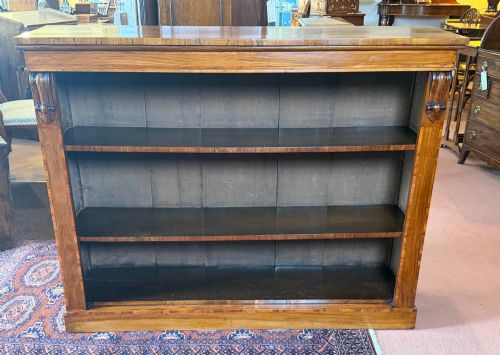
An antique carved book cabinet brings structural timber and carved detail together to house a library in domestic rooms.
Antique Carved Book Cabinet
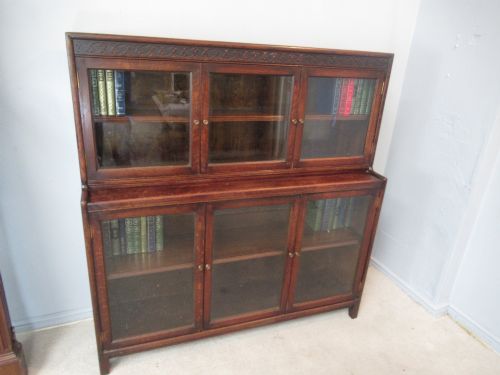
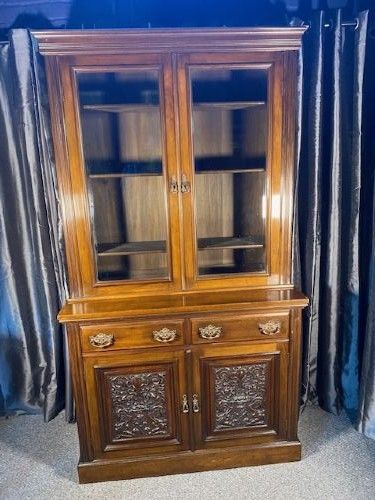
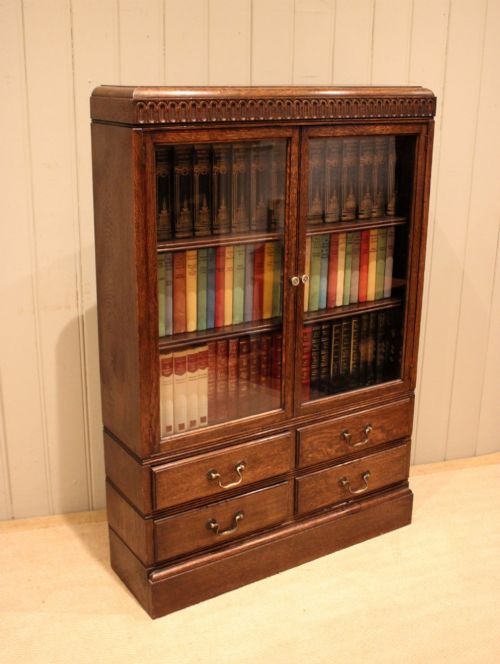
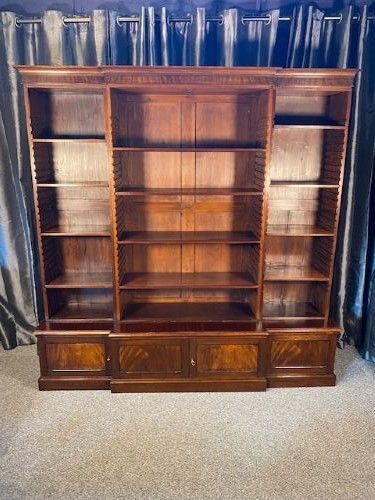
When you search for an antique carved book cabinet, you encounter pieces designed to store and display bound volumes behind timber or glass doors, often featuring carved enrichment on the pilasters, cornices, or panels. The surviving examples span several distinct eras, drawing on Victorian, Edwardian, Regency, and Georgian traditions of domestic cabinetry.
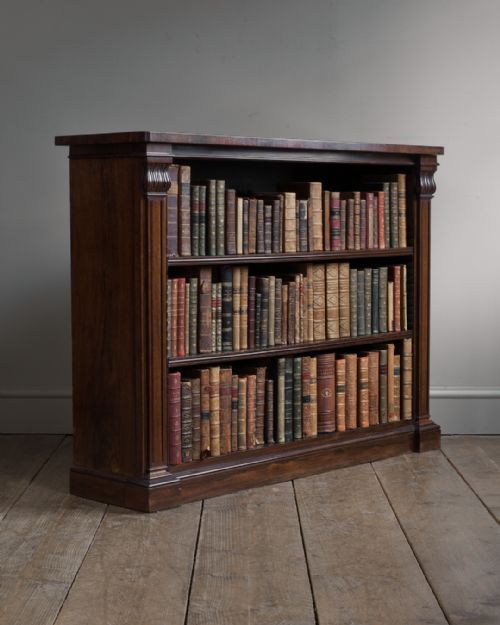
You are most likely to meet pieces built from oak, mahogany, and walnut, ranging from modest open shelf arrangements to large glazed libraries and breakfront library bookcases. These pieces frequently incorporate regional revival styles such as Gothic Revival, Jacobean Revival, or Arts & Crafts motifs into their carved surfaces.
Materials and Technique
Cabinetmakers constructed these pieces using solid timbers like oak, teak, and mahogany, alongside figured veneers including burr walnut, rosewood, and pollard oak applied to secondary carcassing. Carved elements were executed directly into the solid wood or onto applied mouldings, utilising traditional joinery such as mortise and tenon frames.
Glazing involved leaded or plain glass fitted within timber framework, while brass hardware served for hinges, handles, and adjustable shelf rack strips. Surfaces were finished with polishes or waxes that enhanced the natural grain of the walnut and mahogany or the dense texture of the oak.
Antique Carved Book Cabinet Retail Price Guide 2026
Typical asking prices for carved book cabinet among the pieces listed under this phrase on Sellingantiques today, from the lower quarter to the upper quarter. They describe what is for sale here now, not the wider market.
Some Victorian library pieces carry the physical scars of Miskin Manor, bearing witness to nineteenth-century estate inventories.
Material Selection and Execution
The distinction between tiers of production rests upon the choice of timber and the depth of the carving. Finely figured veneers and solid quarter-sawn oak demand superior handling from the cabinetmaker, whereas plain pine or secondary softwoods appear on more utilitarian items.
Execution of the carved ornament separates standard workshop production from exceptional commissions. Crisp, undercut relief carving on panels and capitals indicates a skilled hand, while mechanical or shallow surface tooling marks simpler commercial output.
James Winter·Gillows
The Antique Carved Book Cabinet Glossary
- Breakfront
- A cabinet design where the central section projects forward from the flanking wings. This configuration creates visual depth in large library furniture.
- Burr walnut
- A distinctive timber veneer harvested from the warted growths of the walnut tree. It produces swirling, highly decorative grain patterns highly prized by cabinetmakers.
- Gothic Revival
- An architectural and decorative style drawing on medieval forms. Pieces often display pointed arches, tracery, and stiff-leaf carving.
- Open bookcase
- A piece of shelving furniture without doors. These items provide immediate access to volumes while displaying bookbindings.
- Pollard oak
- Timber taken from trees that were pollarded, resulting in dense, clustered growth rings. It yields a richly figured surface texture.
Antique Carved Book Cabinet: Frequently Asked Questions
What is an antique carved book cabinet?
An antique carved book cabinet is a piece of furniture designed for book storage featuring timber construction and decorative carved ornamentation. They function as both functional library storage and prominent interior display items.
These pieces typically date from the nineteenth and early twentieth centuries, incorporating styles ranging from plain Victorian utility to ornate Gothic Revival design.
How were antique carved book cabinets used?
Historically, these cabinets stood in libraries, morning rooms, and studies to protect valuable leather-bound volumes from dust and light. The enclosed glazed sections kept moisture away from private collections.
Open variants provided quick access to working volumes, while larger breakfront examples served as architectural focal points in substantial country houses.
How do I live with one?
Placing an antique carved book cabinet requires stable room humidity to protect solid timbers and delicate wood veneers from shrinking or cracking. Positioning them away from direct heat sources preserves the polish and structural integrity.
Internal shelving is often adjustable, allowing modern collectors to accommodate books of varying heights within the original cabinetry.
How do I tell periods apart?
Identifying the period involves examining the timber choices, architectural vocabulary, and carving styles. Regency and William IV pieces often display rosewood and classical mahogany forms, while Victorian examples frequently show heavier oak with Gothic or Jacobean revival motifs.
Edwardian and later twentieth-century pieces tend toward lighter proportions in oak or mahogany, reflecting changing domestic interiors.