
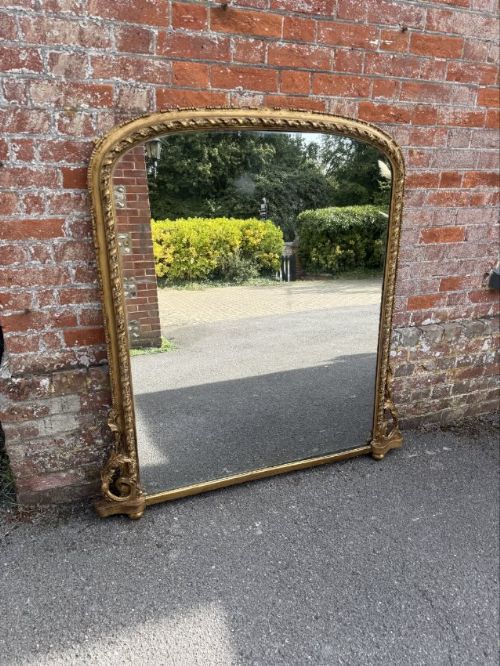
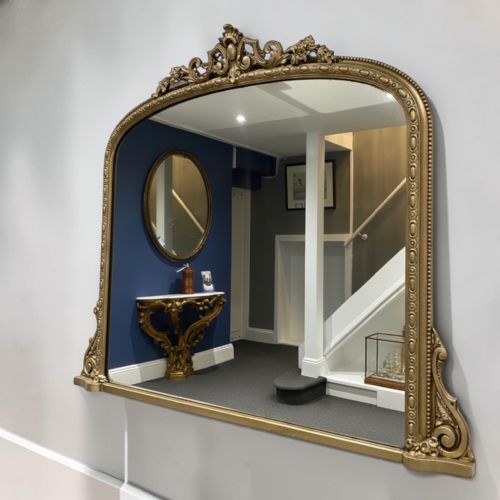
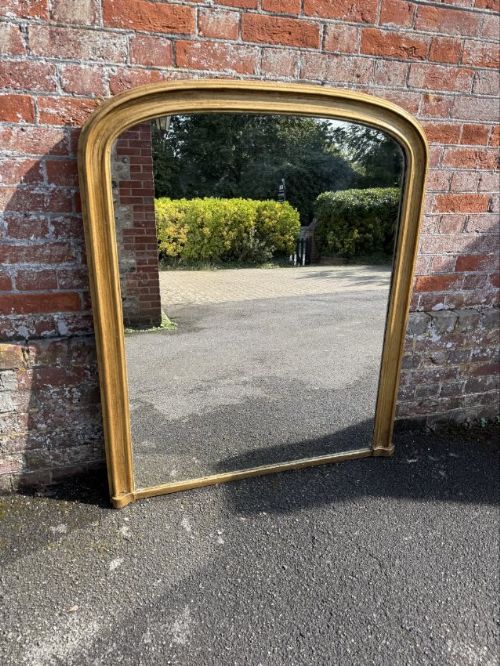
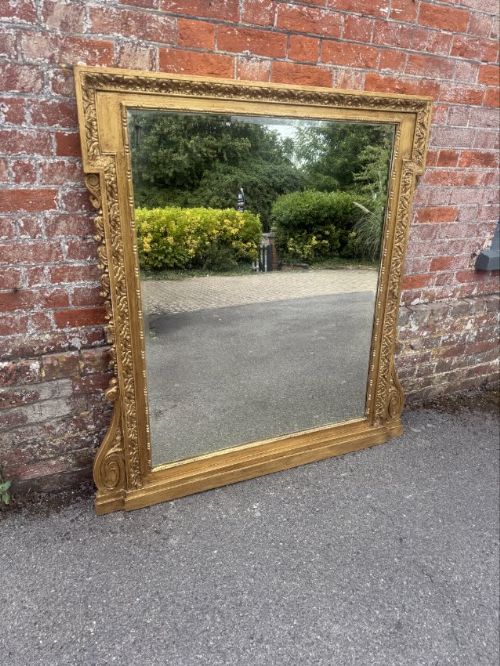


Victorian Carved Chimney Glass
A victorian carved chimney glass brings immense scale, reflective light and architectural presence to a formal interior, anchoring the fireplace wall with traditional craftsmanship.

Victorian Carved Chimney Glass
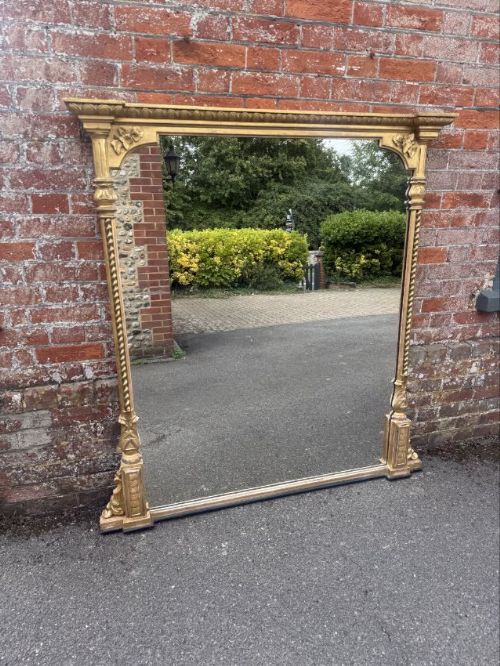
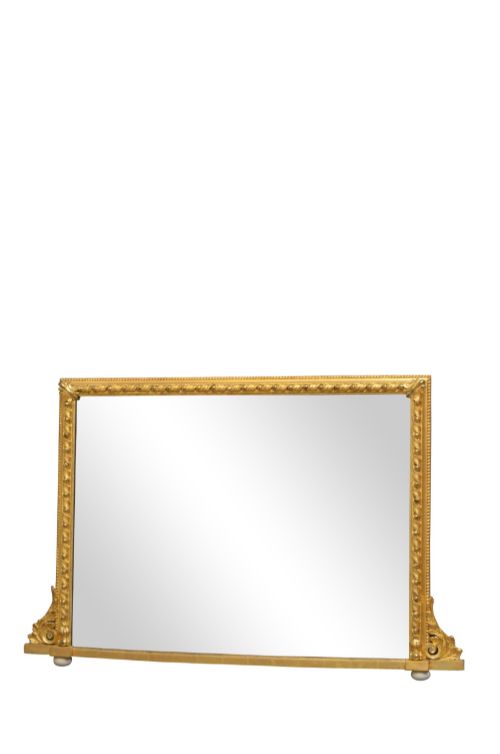
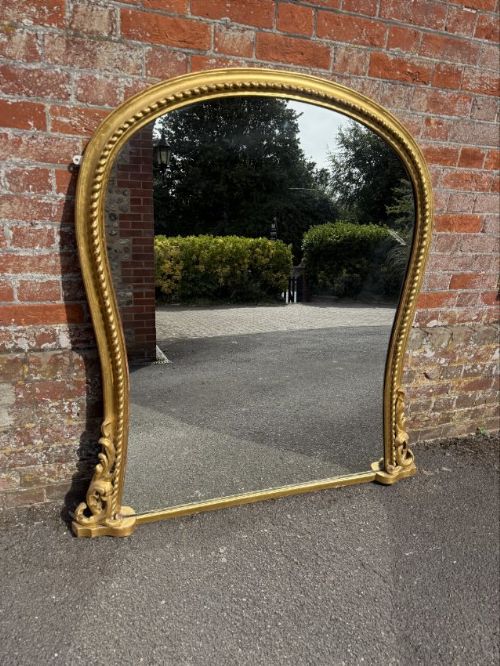
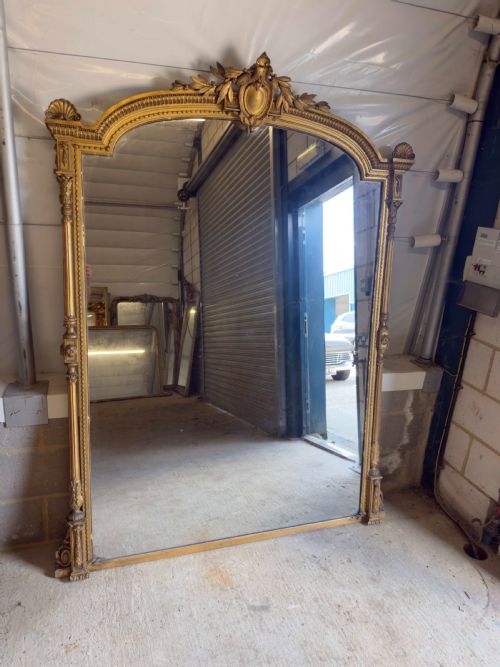
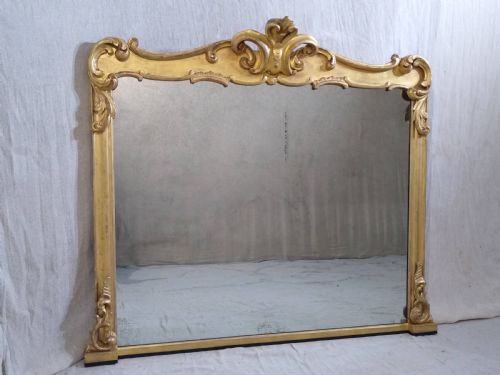
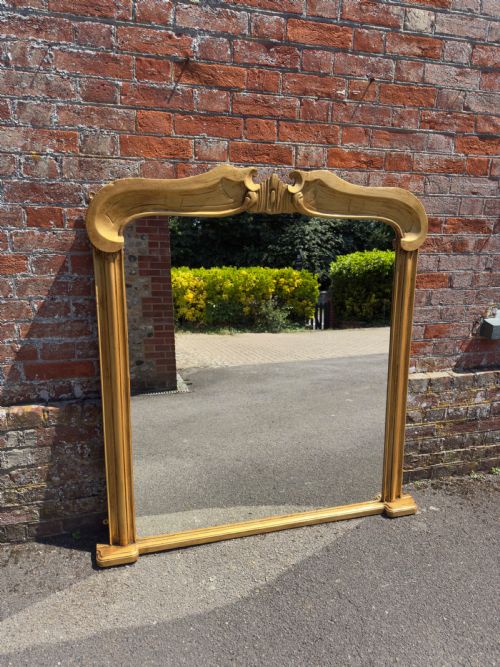
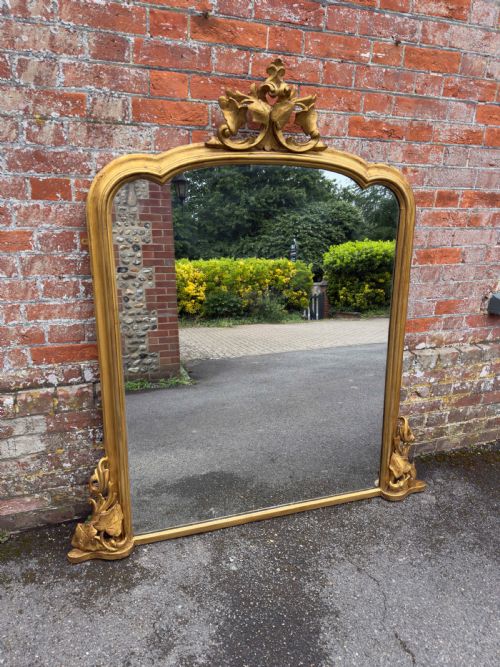
A victorian carved chimney glass primarily takes the form of an overmantel mirror designed to sit above a fireplace hearth. These grand pieces span the mid-to-late nineteenth century, originating from periods around 1850 through to the late 1800s.
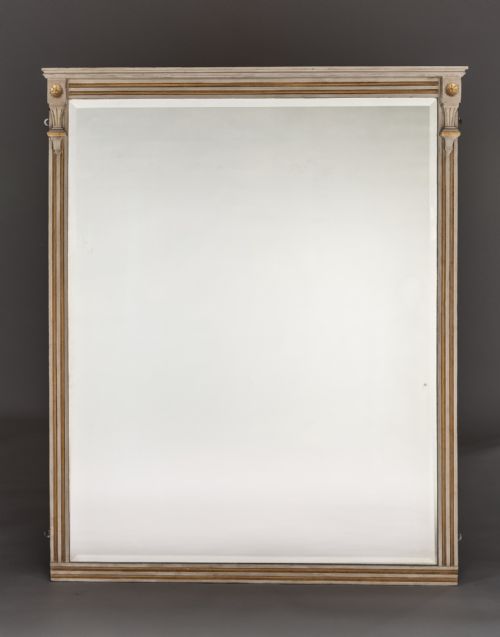
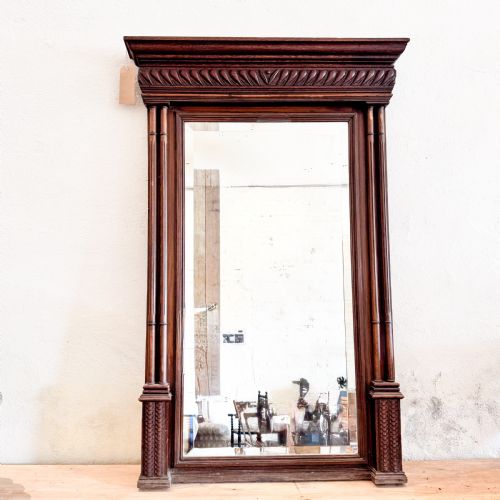
The most common variant encountered on this page is the large English arched top or shaped top gilt overmantel mirror. Many examples incorporate architectural framing, such as ribbed columns, rope twists or classical neoclassical decorations.
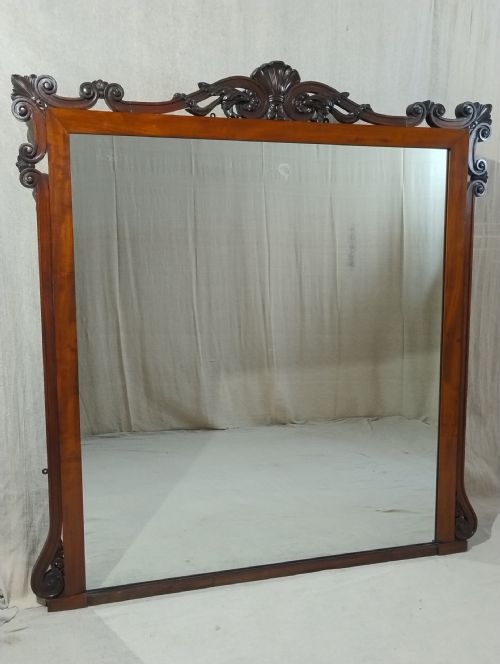
Beyond standard gilt finishes, buyers encounter items constructed from oak, walnut, mahogany and painted or parcel-gilt woods. Styles range from French chateau influences and Gothic designs to ornate rococo revival compositions.
Materials and construction
Makers built the structural carcases using carved wood, including oak, walnut and mahogany. Over this wooden foundation, artisans applied layers of gesso to build up intricate surface details and mouldings.
Gilding was achieved using gold leaf or gold paint applied over the gesso and carved elements to create a brilliant metallic sheen. Alternatively, some frames relied on plain carved wood, painted surfaces or parcel-gilt highlights.
Materials recorded across the inventory include giltwood, gesso, composition, mirror glass, oak, walnut and mahogany.
Evaluating the craftsmanship
The distinction between tiers rests upon the depth and definition of the hand-carved woodwork and the crispness of the gesso mouldings. Finer specimens display deeply undercut carving and sharply rendered rope twists or ribbed columns rather than flat, simplified profiles.
Originality defines the upper echelon of these items, particularly the presence of original foxed mirror glass and untouched period gilding. Altered surfaces or replaced glass alter the historical integrity of the piece.
The Victorian Carved Chimney Glass Glossary
- Gesso
- A plaster-like mixture applied to a wooden base to create a smooth surface for carving or gilding. This compound allowed makers to fashion complex relief ornaments before applying gold leaf.
- Giltwood
- Timber that has been coated with gold leaf or metallic paint. It defines the bright, reflective frames typical of nineteenth-century reception rooms.
- Overmantel Mirror
- A large mirror specifically proportioned to hang on the wall directly above a mantelpiece. These fixtures were designed to bounce candlelight and daylight around Victorian parlours.
- Rococo Revival
- A nineteenth-century design style drawing on asymmetrical scrolls, C-curves and naturalistic motifs. It produced elaborate, flowing frames with substantial visual weight.
Victorian Carved Chimney Glass: Frequently Asked Questions
Where should an overmantel mirror hang?
These mirrors were historically manufactured to occupy the wall space directly above a fireplace hearth, drawing the eye upward and reflecting the room.
Positioning one here maintains the original architectural intention of the piece, though sturdy wall fixings are essential due to their substantial weight.
How do I identify a Victorian piece?
Look for construction traits typical of the nineteenth century, including heavy timber carcases finished with gesso, gold leaf and original silvered mirror glass.
Stylistic markers such as neoclassical details, rope twists and arched tops further point towards the Victorian era.
What is foxed mirror glass?
Foxed glass refers to the natural ageing process where the reflective backing behind the glass develops spots, dark patches or mottling over decades.
Many collectors prize original foxed glass because it proves the mirror plate has remained undisturbed since the nineteenth century.
Are these mirrors very heavy?
Most large nineteenth-century chimney glasses combine dense hardwoods, thick gesso layers and heavy glass plates into a massive wall-hanging object.
Professional installation into solid masonry walls using appropriate weight-bearing brackets is necessary to support them safely.