




Victorian Carved Book Cabinet
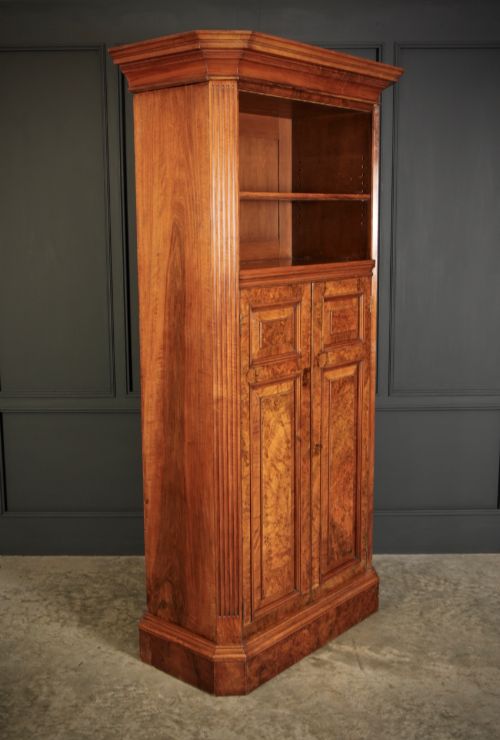
A victorian carved book cabinet brings nineteenth-century craftsmanship into a modern study, offering enclosed storage alongside display space for a growing library.
Victorian Carved Book Cabinet
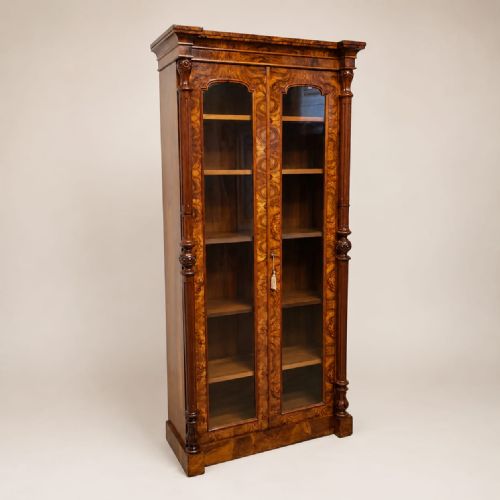
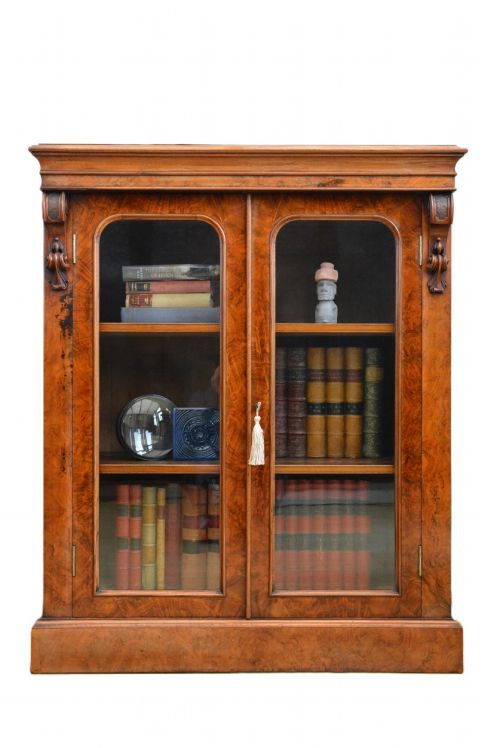
A victorian carved book cabinet combines shelving for volumes with enclosed lower cupboards or glazed upper doors, serving both library and display functions.
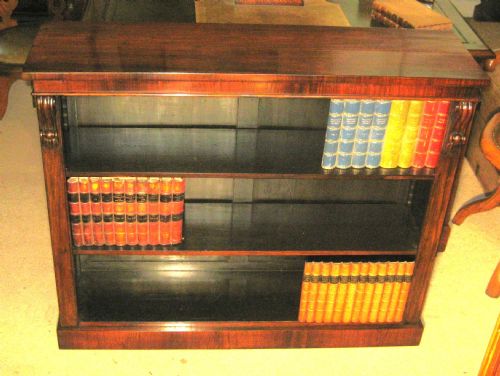
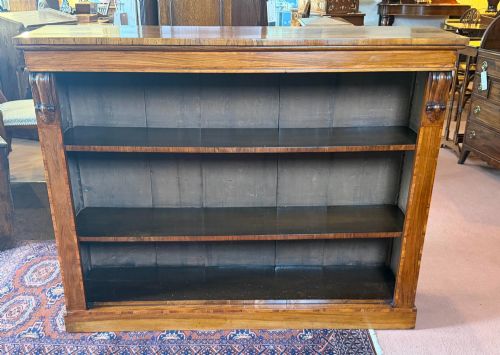
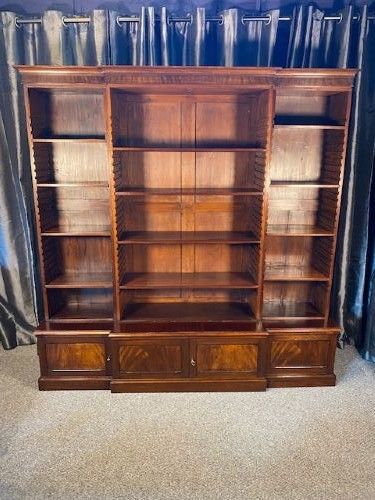
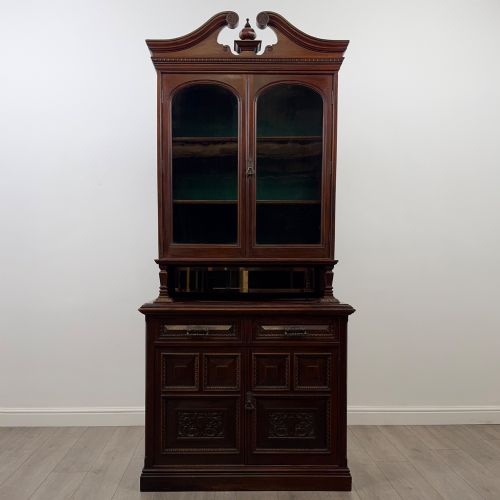
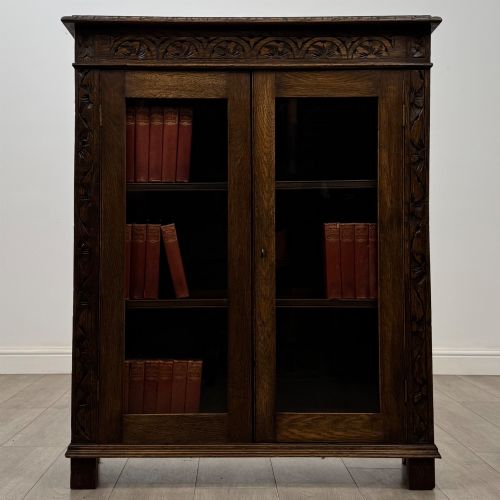
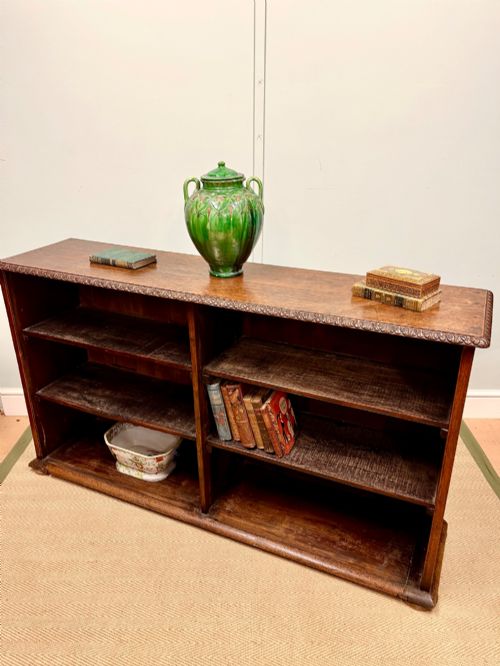
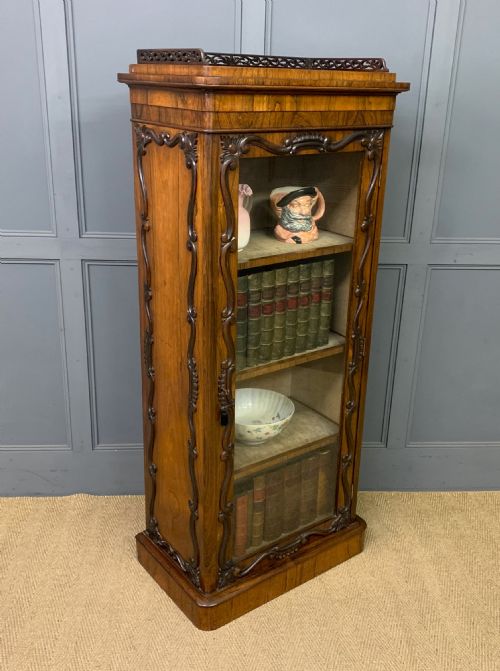
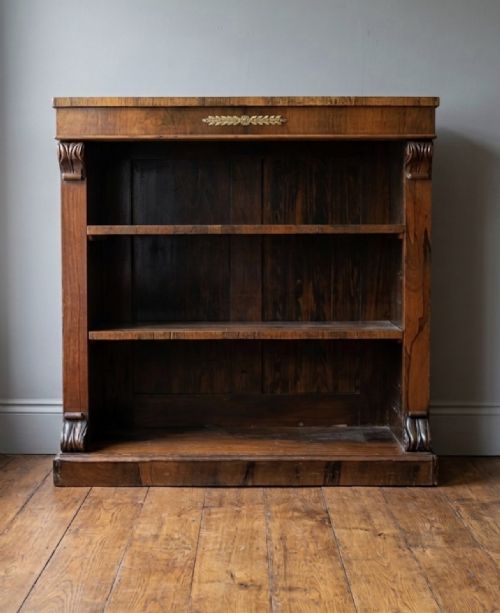
The pieces seen here range from compact open wall shelves to massive breakfront library bookcases fitted with brass hardware and glass panels.
Oak dominates the heaviest carved and Gothic Revival examples, while rosewood, walnut, and burr walnut appear frequently in finer parlour and office pieces.
Materials and Construction Methods
Cabinetmakers utilised solid timbers alongside rich veneers, applying figured walnut, rosewood, and pollard oak over stable secondary woods.
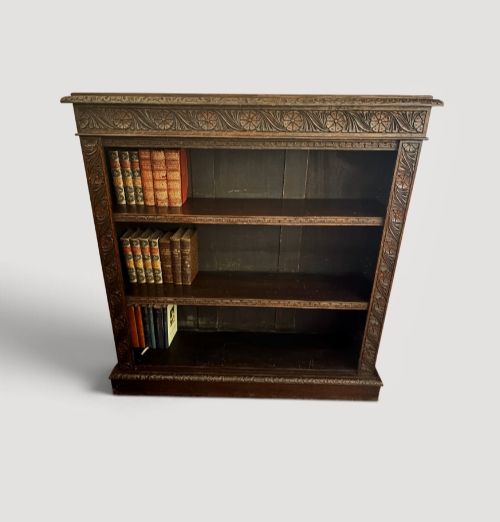
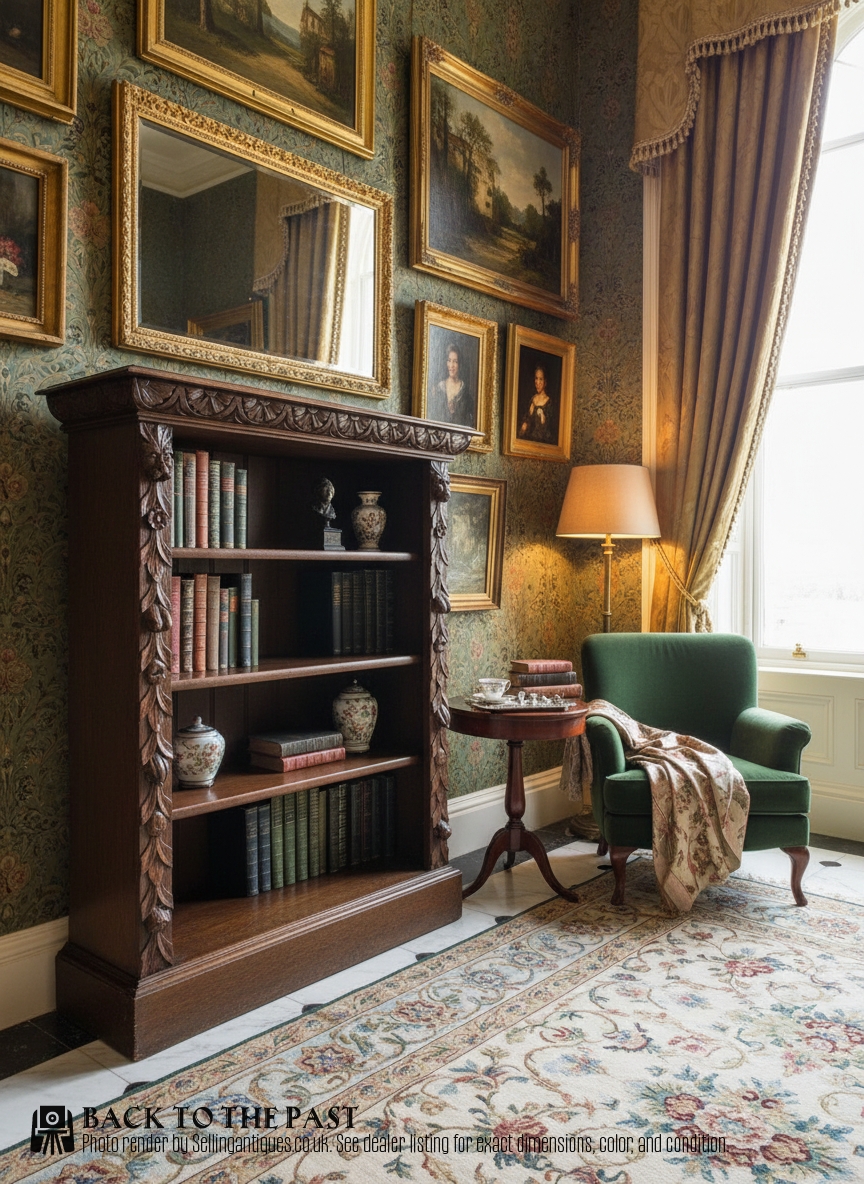
Hand-carved ornamentation defines the period, featuring deep relief work, linenfold panels, and mythological motifs such as the Green Man executed in heavy oak.
Glazing bars divided large glass panes by hand, while internal shelving often featured adjustable wooden rack systems supported by brass fittings.
Listings feature oak, walnut, rosewood, and mahogany cabinets spanning the early nineteenth century through to Arts and Crafts designs.
Distinguishing Quality and Execution
Depth and crispness of the hand-carved detail separate standard workshop output from exhibition pieces, where figures and foliage show exceptional sculptural control.
The choice of primary timber and veneer figure dictates the grade of the cabinet, with highly burr-figured walnut and pollard oak commanding attention.
Structural complexity, such as breakfront facades, integrated secretaire drawers, and original brass fittings, marks the division between utilitarian storage and high-status library furniture.
James Winter·Gillows·Holland & Sons
The Victorian Carved Book Cabinet Glossary
- Breakfront
- A piece of furniture where the central section projects forward from the flanking wings. This architectural arrangement creates a strong sense of depth in large library cabinets.
- Burr walnut
- Wood taken from the wart-like growths on walnut trees, yielding highly swirled and mottled grain patterns. Cabinetmakers prized this timber for high-status Victorian door panels.
- Gothic Revival
- A nineteenth-century design movement inspired by medieval architecture, characterised by pointed arches, tracery, and heavy carved oak. It heavily influenced library bookcases of the period.
- Secretaire
- A desk component disguised as a drawer that pulls down to reveal a writing surface and small pigeonholes. Early Victorian cabinet versions integrate this feature smoothly into the upper shelving structure.
Victorian Carved Book Cabinet: Frequently Asked Questions
Where should I place a large oak bookcase?
These substantial cabinets require a sturdy wall with stable humidity levels away from direct heat sources. Placing them in a study or drawing room anchors the space and supports heavy volumes safely.
Ensure adequate floor clearance for breakfront mouldings and projecting cupboard doors before positioning large library pieces.
How do I adjust the internal shelving?
Most Victorian pieces utilise wooden or brass notched upright strips fixed to the interior sides. You simply lift the shelf and reposition the brass or wooden supports into matching slots.
Older mechanisms can be stiff, so support the board evenly on both sides to prevent binding during adjustment.
Can I store heavy art books safely?
Solid oak and mahogany library cabinets were built specifically to bear the weight of dense leather-bound volumes. The thick timber shelves resist sagging under heavy loads over decades of use.
Spread exceptionally heavy folios across the lower fixed shelves rather than the upper adjustable tiers.
How do I distinguish Gothic Revival from standard Victorian?
Gothic Revival pieces feature distinct architectural motifs including pointed arches, quatrefoils, and heavy linenfold or Green Man carvings. Standard Victorian furniture often relies on simpler classical mouldings or burr walnut veneers.
Dark oak is the primary medium for Gothic designs, whereas rosewood and walnut define standard Victorian parlour cabinets.