
Victorian Carved Bedroom Chair
These Victorian carved bedroom chair examples bring nineteenth-century timber framing and upholstery into domestic spaces.
Victorian Carved Bedroom Chair
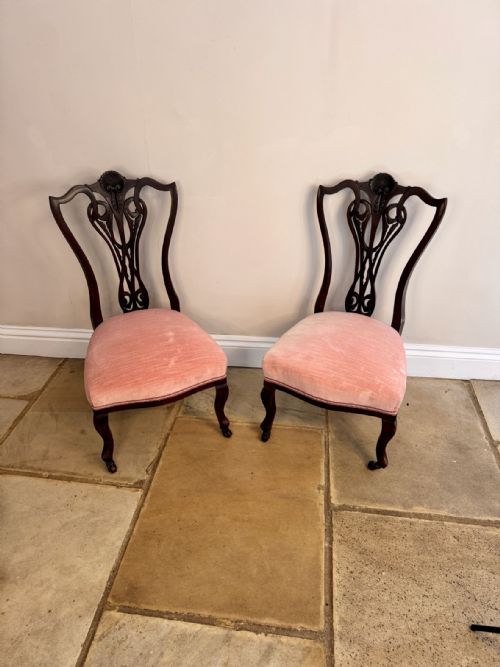
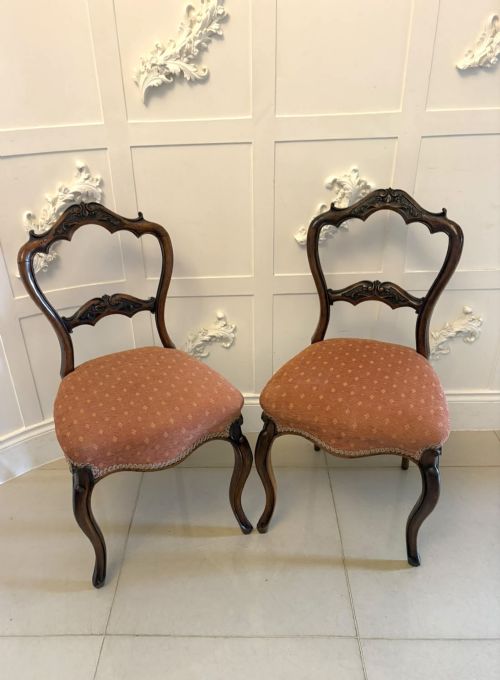
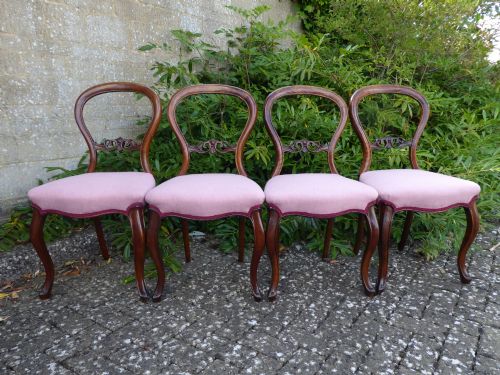
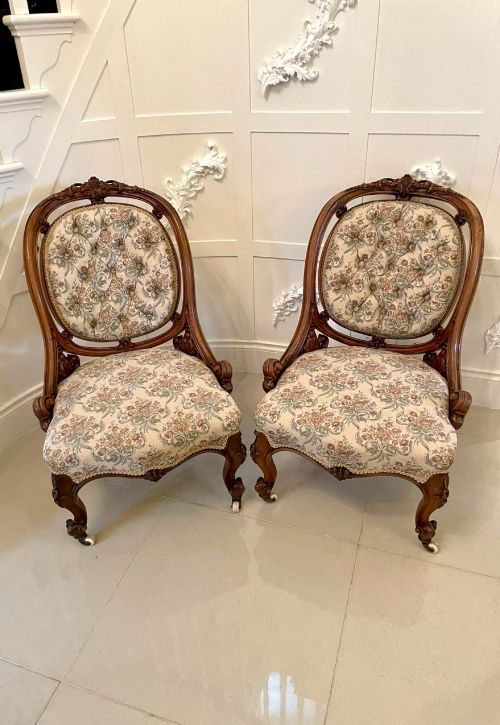
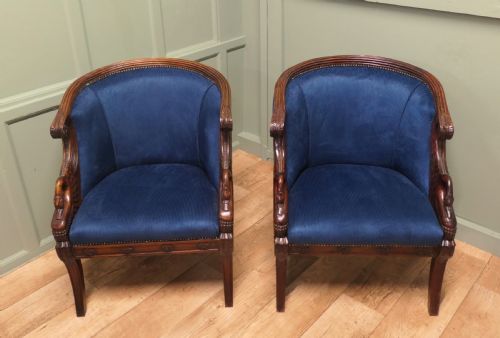
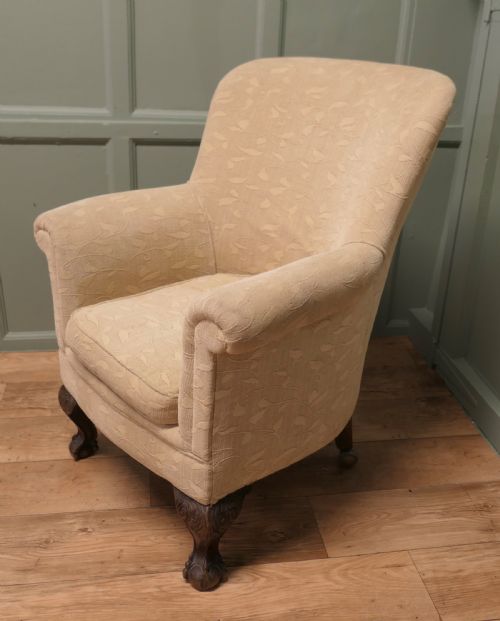
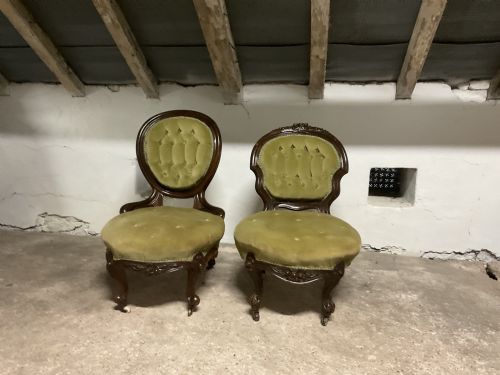
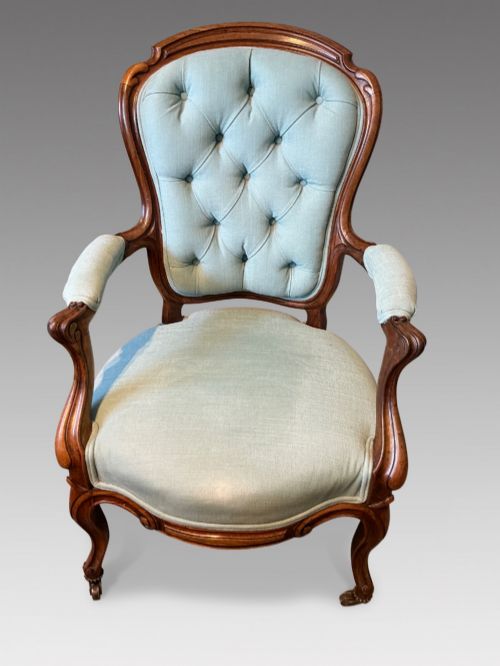
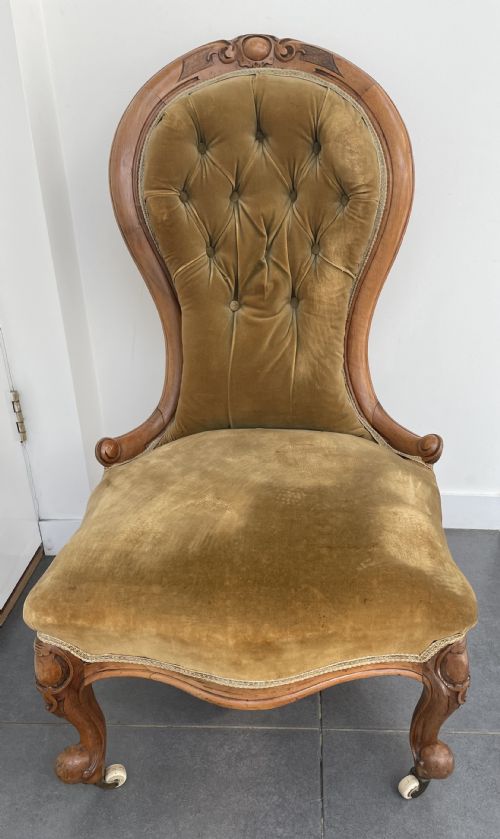
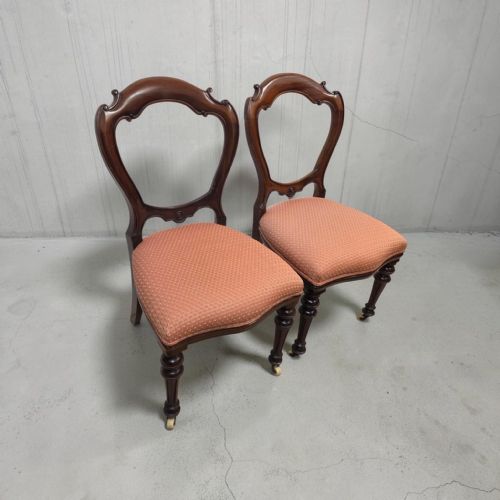
A victorian carved bedroom chair is a low-slung or compact seating option designed for nineteenth-century chambers, dressing rooms, and boudoirs. These pieces emerge in various forms across the Victorian era, including nursing chairs, balloon back chairs, and low salon chairs.
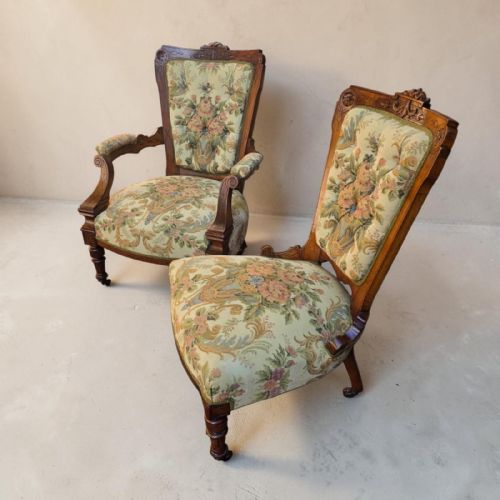
The materials span native and exotic timbers paired with textile coverings, reflecting the shifting tastes of nineteenth-century households from mid-century revivalism to later aesthetic movement designs.
How they were made
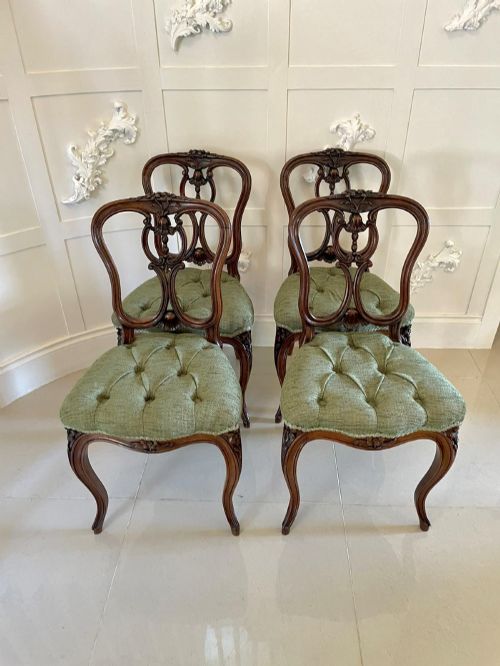
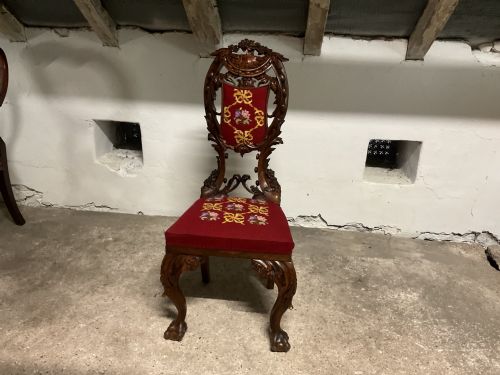
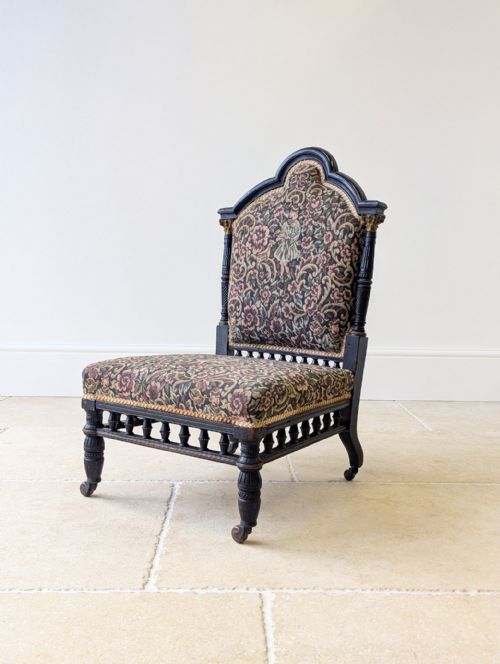
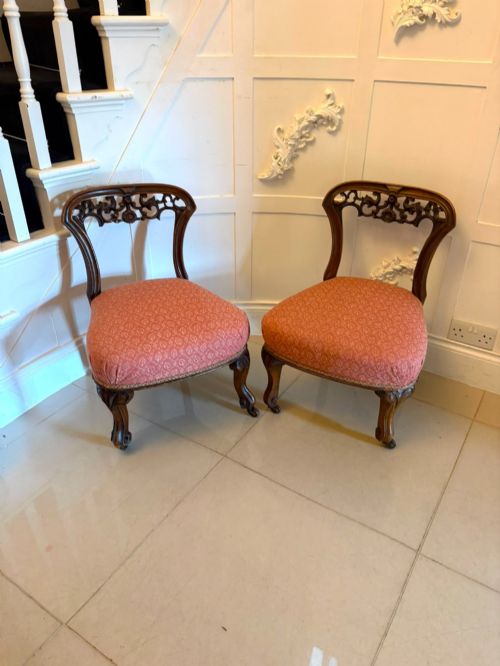
Cabinet makers utilised dense hardwoods like walnut, mahogany, and rosewood for the structural frames, applying hand-carved detailing such as scroll backs and cabriole legs. Ebonised finishes and faux bamboo effects also appear on specific aesthetic and revival models.
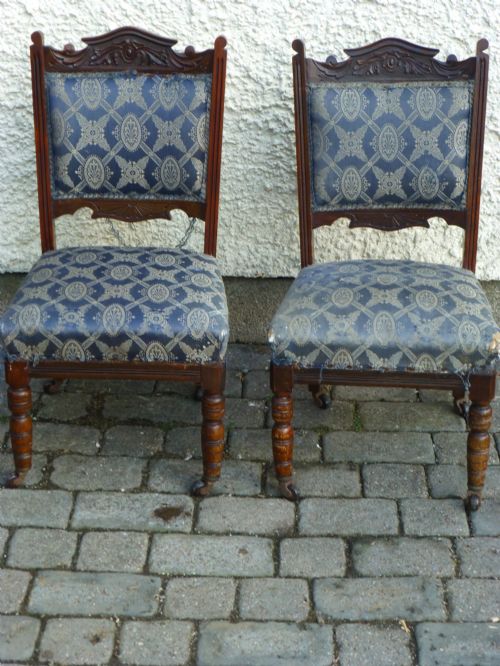
Frames received internal stuffing and padding before being secured with fabrics including velvet, brocade, and general upholstery textile, occasionally finished with fringe or brass elements.
Several examples include fringe detailing and low profiles designed specifically for Victorian dressing routines.
What varies in quality
The depth and crispness of the hand-carved woodwork distinguish superior examples from plain production, particularly on scroll-carved backs and cabriole legs. Timber selection plays a part, with figured walnut and richly grained rosewood indicating higher workshop ambition.
Frame integrity and the preservation of original timber patination separate well-kept seating from pieces requiring extensive structural timber intervention or total re-webbing.
The Victorian Carved Bedroom Chair Glossary
- Cabriole leg
- An S-shaped furniture leg that curves outward at the knee and tapers inward to an ankle. This form appears frequently on mid-nineteenth-century seating frames.
- Balloon back
- An oval or rounded open chair back resembling a balloon shape. It is a defining characteristic of many Victorian parlour and bedroom chairs.
- Nursing chair
- A low-seated chair designed for comfort during infant feeding or grooming in private chambers. They typically feature low seats and high, carved backs.
- Aesthetic Movement
- A late nineteenth-century design style emphasising art for art's sake and simplicity of form. Pieces from this movement often feature ebonised wood or stylised ornamentation.
- Giltwood
- Timber that has been coated with a thin layer of gold leaf or gilt pigment. This finish is found on revivalist armchairs and salon seats.
Victorian Carved Bedroom Chair: Frequently Asked Questions
How are these chairs dated?
Dating relies on stylistic shifts visible in the woodwork, upholstery structure, and timber choices across the nineteenth century. Mid-century examples often display heavy rosewood and walnut carving.
Later Victorian pieces shift toward ebonised finishes, bamboo-turned frames, or aesthetic movement geometry that reflect changing design priorities.
Where were bedroom chairs placed?
These compact seats lived in private chambers, dressing rooms, and boudoirs rather than formal reception spaces. Their smaller scale suited bedroom dressing tables and washing stands.
Their decorative carved backs also allowed them to sit unobtrusively against bedroom walls when not in active use.
What timbers were used?
Cabinet makers built frames using hardwoods like walnut, mahogany, and rosewood to support intricate hand-carvings. Ebonised fruitwood and beech also appear on specific aesthetic movement models.
These dense woods provided the structural strength required for slender cabriole legs and curved back rails.