


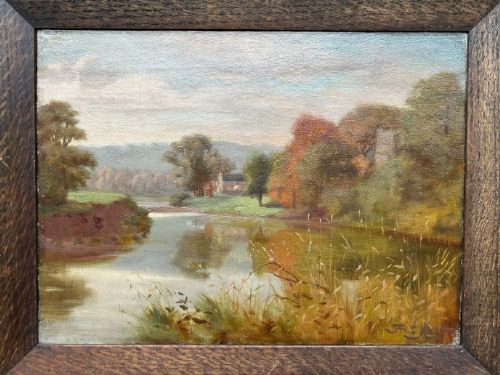
Victorian Canvas Artwork
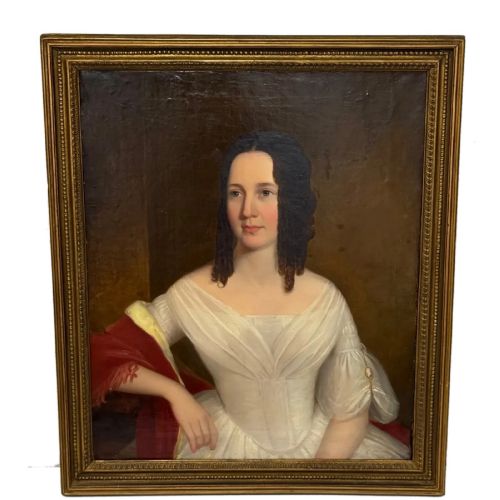
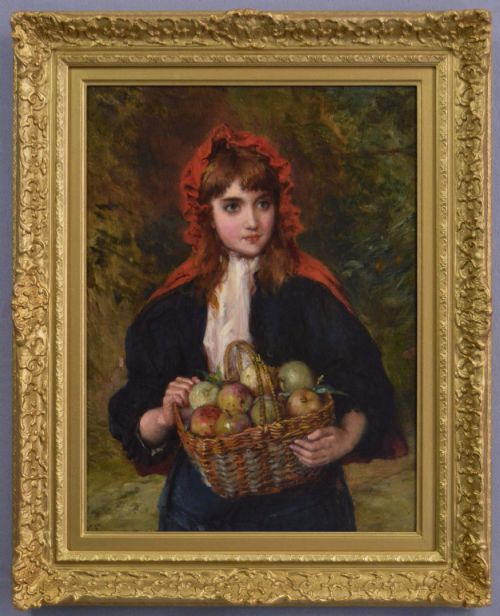
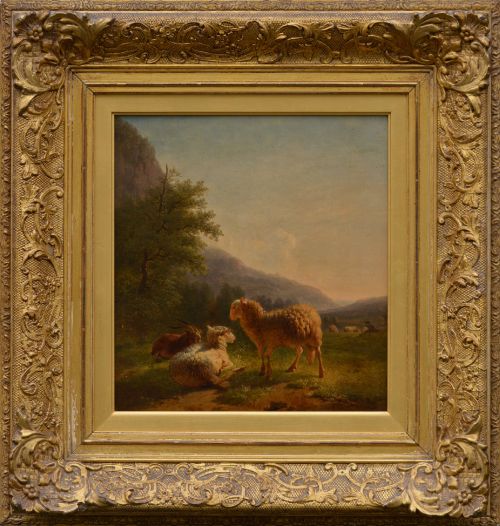
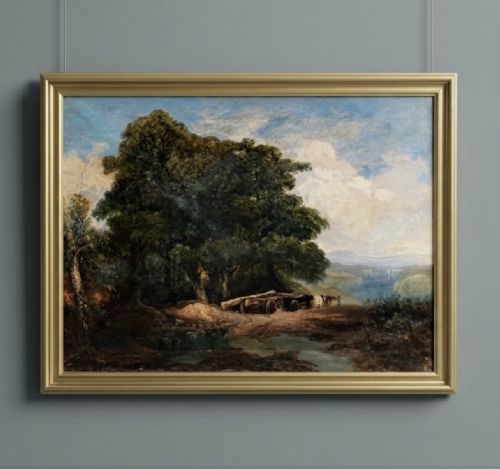
These Victorian canvas artwork pieces bring nineteenth-century oil painting into domestic rooms through portraits, landscapes, and animal subjects.
Victorian Canvas Artwork
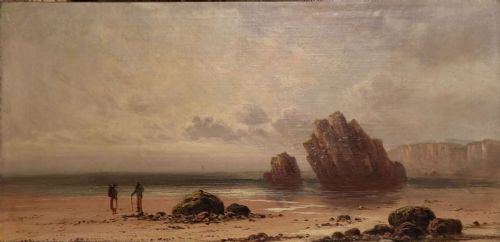
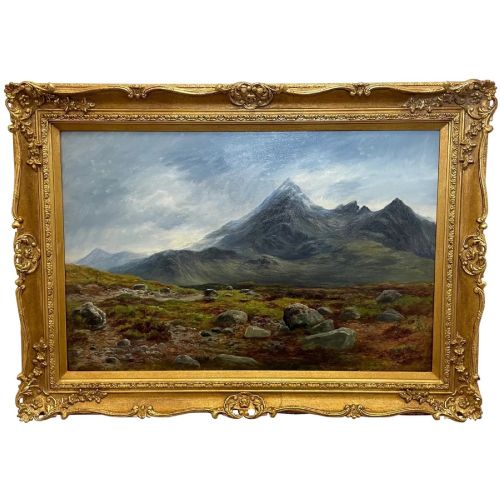
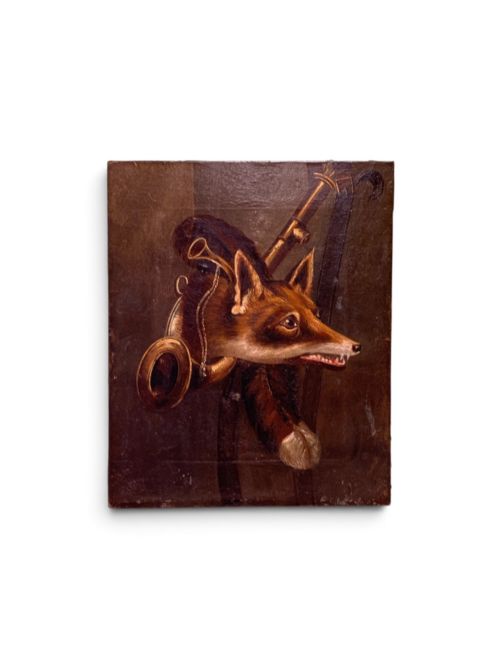
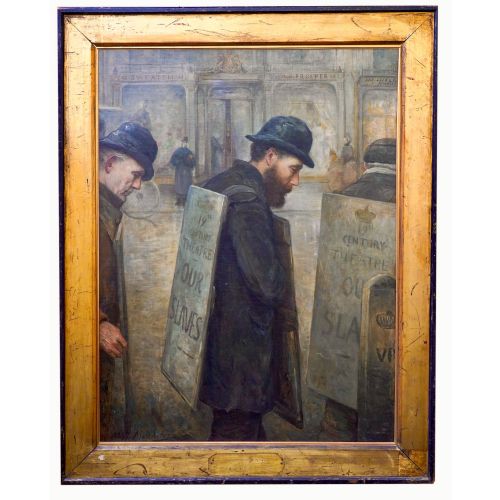
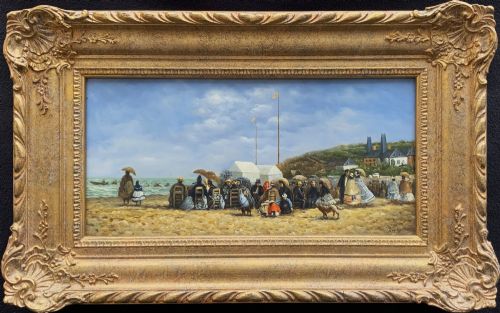
When you search for victorian canvas artwork, you encounter nineteenth-century oil paintings executed on woven fabric supports. The selection spans portraits of sitters, rural and romantic landscapes, maritime scenes, and animal studies.
You meet works originating from British and continental European schools, dated across the nineteenth century and into the early twentieth century. Many retain their period wooden and gilded frames.
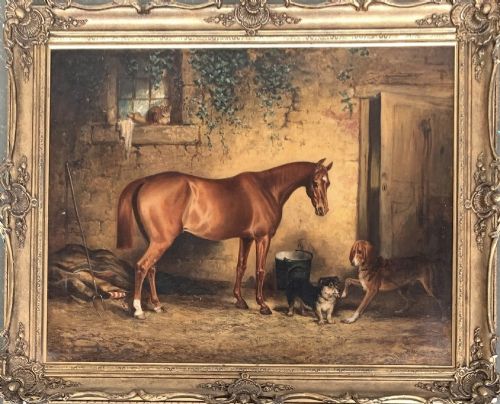
The subjects range from domestic interior genre scenes and sporting dogs to monumental military portraits and topographical views. These paintings document the visual culture and artistic output of the period.
How they were made
Artists painted primarily in oil on stretched woven canvas, employing grounds and pigments typical of the nineteenth century. These materials allowed for layered brushwork and varied surface textures.
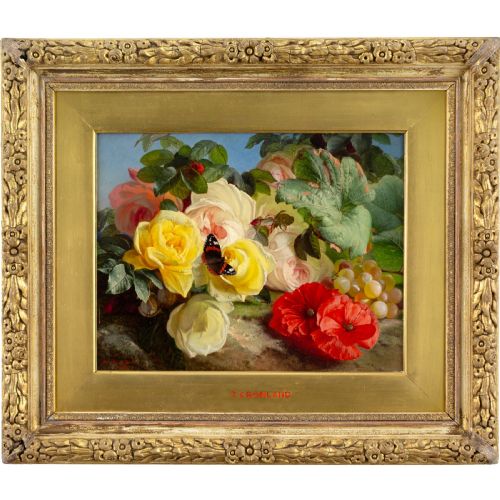
The completed canvases were mounted into wooden stretchers and housed in frames constructed from wood, gesso, and giltwood. Moulded ornament and applied gilding finished the frames.
Listings feature works from the nineteenth century into the twentieth century, utilising oil on canvas with wood and giltwood framing.
What varies in quality
Quality rests upon the skill of the brushwork, the anatomical or spatial accuracy of the composition, and the expressiveness of the subject. Master painters achieve greater depth and character in portraiture and landscape.
The preservation of the paint surface and canvas tension influences the visual integrity of the piece. Original frames matching the period of the painting contribute to the overall cohesion of the work.
Eugène Verboeckhoven·Richard Sebastian Bond·William Beattie Brown·Felix Stone Moscheles·Valentine T Garland·Frederick Marriott·Arthur Wardle·John Horace Hooper·William McAlpine·Alfred Fontville de Breanski·Stephen Samuel Lewin·John Rose Miles·Vittorio Reggianini·Thomas W Lascelles·Mark William Langlois·David Bates·Thomas Smythe·Albert Clark·Alfred Lyndon Grace
The Victorian Canvas Artwork Glossary
- Canvas
- A heavy woven fabric used as a support for oil painting. It is typically stretched over a wooden frame before application of the ground and paint layers.
- Giltwood
- Wood carved and coated with gold leaf or gold paint. This material is standard for traditional Victorian picture frames.
- Genre painting
- The pictorial representation of scenes from everyday life. These works depict ordinary people engaged in common activities.
- Gesso
- A paint mixture consisting of a neutral binder mixed with chalk or gypsum. It forms a smooth surface on wooden frames before gilding.
- Stretcher
- The wooden framework that holds a canvas taut. Traditional versions employ corner keys to adjust the tension.
Victorian Canvas Artwork: Frequently Asked Questions
How do I date a nineteenth-century oil painting?
Dating relies on stylistic evidence, artist signatures, biographical records, and framing materials. Inscriptions on the reverse of the canvas or stretcher often provide specific years.
Examinations of canvas weaves and pigment types offer further chronological context when documentation is absent.
Were these paintings always framed in giltwood?
Many nineteenth-century works received giltwood or gesso frames appropriate to their exhibition history and contemporary taste. Some frames are original to the canvas while others represent later replacements.
The style of moulding often corresponds to the decade in which the painting was executed.
How should I care for a canvas painting?
Protect the work from direct sunlight, high humidity, and extreme temperature fluctuations. Environmental stability prevents cracking in both the oil paint and the canvas support.
Dust the surface gently with a soft, dry brush and avoid liquid cleaners or moisture on the paint layer.
What subjects were popular in the Victorian period?
Landscape painting, portraiture, and domestic genre scenes dominated artistic production alongside maritime views and sporting art. Animals, particularly horses and dogs, appeared frequently in both individual portraits and narrative compositions.
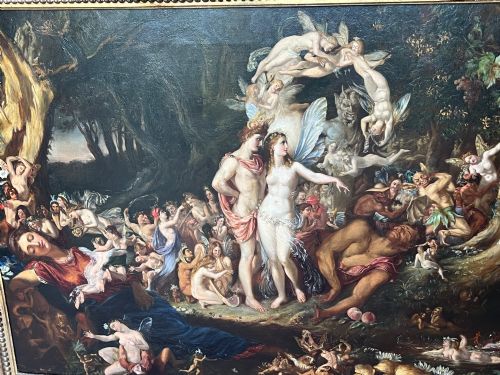
Historical and literary themes also provided subjects for academic and commercial painters.