
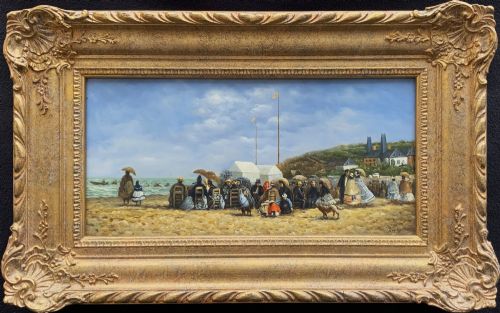


Canvas Victorian Painting
When you search for canvas victorian painting, you discover historic fine art capturing landscapes, portraits, and maritime scenes.
Canvas Victorian Painting
Canvas victorian painting encompasses traditional oil on canvas artworks created during the nineteenth century and associated eras.
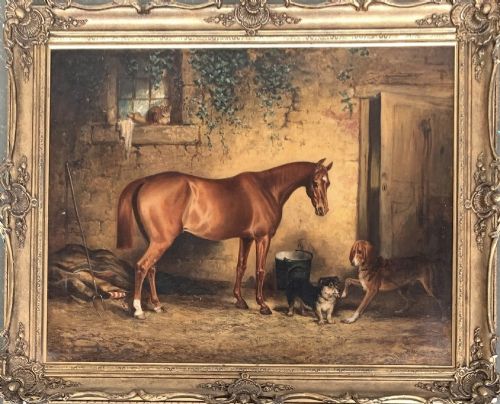
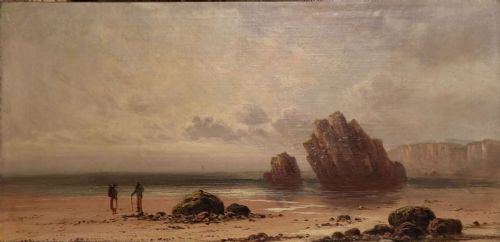
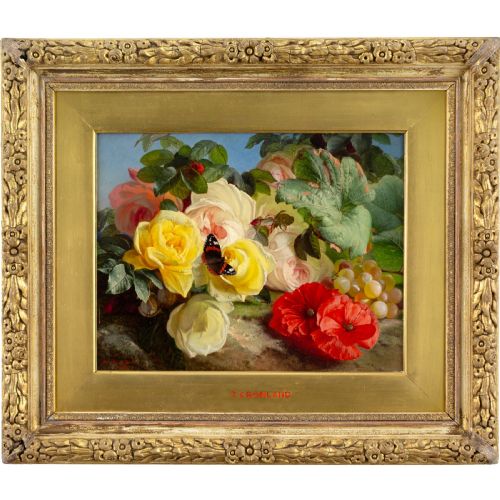
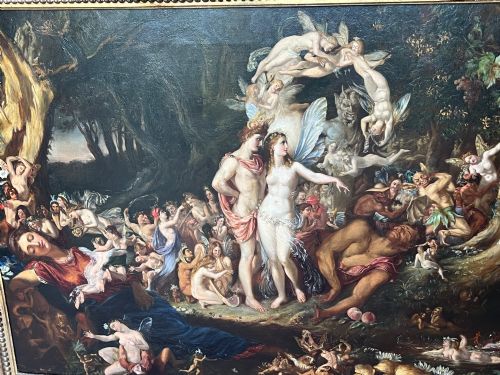
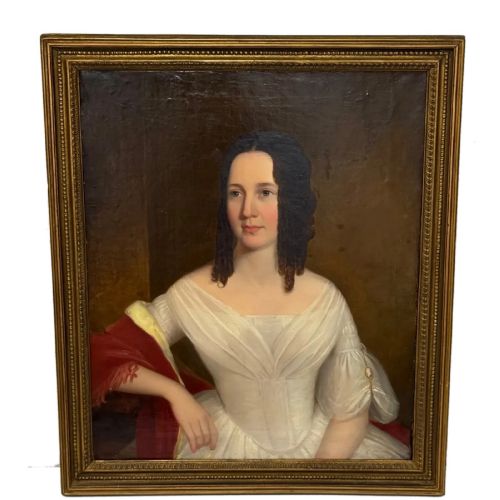
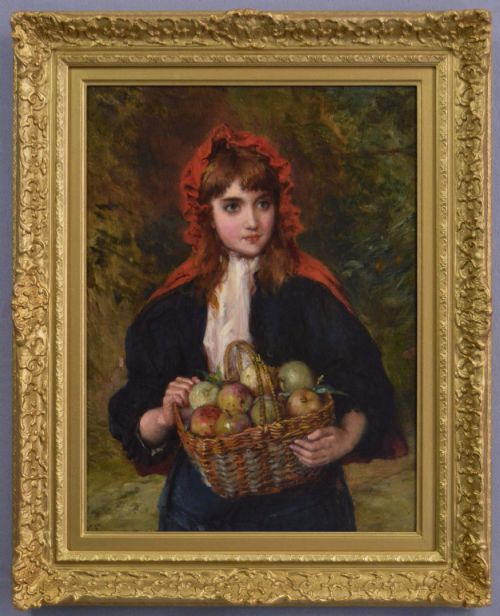
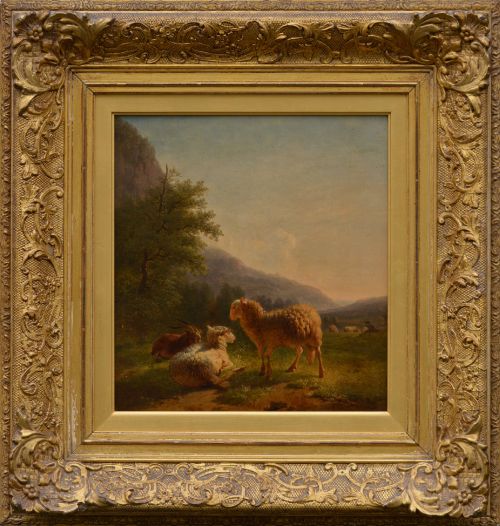
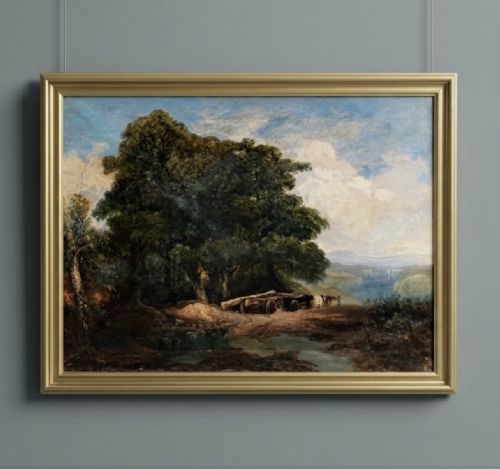
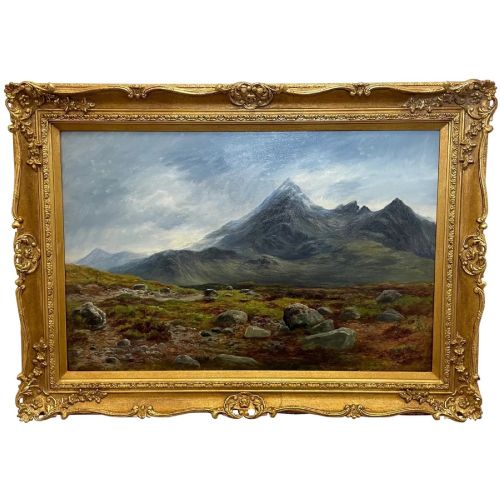
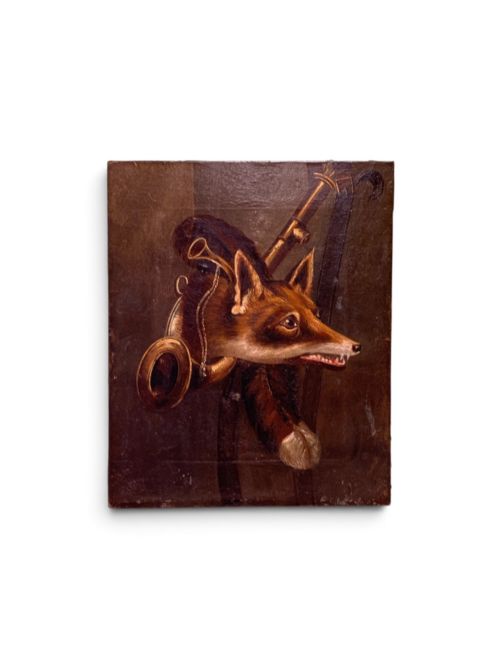
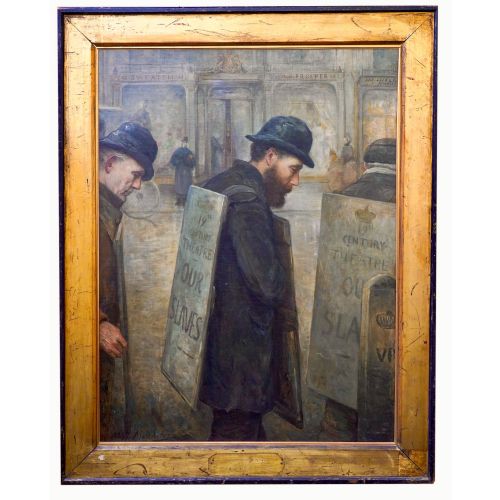
The subjects on this page range from detailed human portraits and domestic animal studies to expansive British and European landscapes.
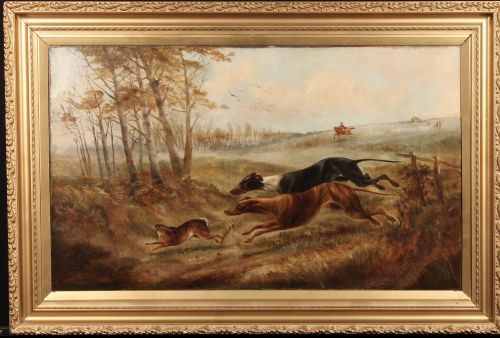
Buyers frequently encounter works depicting maritime scenes, sporting art, and genre paintings framed in period wood and gilt.
How They Were Made
Artists applied oil paint onto stretched woven canvas supported by wooden stretcher frames.
Many surviving examples sit within decorative giltwood or gesso frames applied during the period.
Listings feature nineteenth-century oil paintings on canvas alongside gesso frames, wood supports, and nineteenth-century realism styles.
What Varies In Quality
Skill in handling perspective, light, and anatomical detail separates accomplished academic hands from naive or provincial output.
The preservation of the original paint surface and the integrity of the underlying canvas influence the overall standard of a piece.
William Oliver·Eugène Verboeckhoven·Richard Sebastian Bond·William Beattie-Brown·Felix Stone Moscheles·Valentine T Garland·John Maler Collier·Dumini Leopoldo·Frederick Marriott·Arthur Wardle·John Horace Hooper·William McAlpine·Alfred Fontville de Breanski Jr·Thomas Smythe·Albert Clark·Alfred Lyndon Grace·Stephen Samuel Lewin·John Rose Miles·Vittorio Reggianini·Thomas W Lascelles·Mark William Langlois·David Bates·Henry Park·Walter Jackson·Clarence Roe
The Canvas Victorian Painting Glossary
- Oil on Canvas
- A painting medium where pigments are bound with drying oils and applied to a woven fabric support. This combination allowed artists to build rich textures and deep colour tones.
- Giltwood
- Wood carved and covered with a thin layer of gold leaf. It provided opulent framing for important nineteenth-century portraits and landscapes.
- Gesso
- A plaster-like mixture applied to wooden frames before gilding or painting. It created a smooth base for intricate decorative mouldings.
- Genre Painting
- Artworks depicting scenes from everyday life. These pieces often showed domestic interiors, market interactions, or rural pastimes.
Canvas Victorian Painting: Frequently Asked Questions
Where should I hang these paintings?
Keep artworks away from direct sunlight, high humidity, and rapid temperature shifts. Stable interior walls in residential rooms suit oil paintings best.
Ensure the hanging wall supports the weight of the heavy wooden and gesso frames safely. Secure fixings prevent accidental damage to the canvas support.
How can I identify the age of the canvas?
Inspect the reverse of the canvas and the wooden stretcher frame for oxidation, dust accumulation, and framing marks. Nineteenth-century stretchers often feature wedge keys in the corners.
Handwritten inscriptions, artist signatures, and old dealer labels on the wood or canvas offer further historical clues. Comparative study of period clothing and hairstyles helps date portrait subjects.
What is the difference between genre and landscape?
Genre paintings focus on human figures engaged in everyday domestic or social narratives. Landscapes place the primary emphasis on natural scenery, terrain, and weather.
Some nineteenth-century compositions combine both categories by placing figures or livestock within an expansive countryside setting.