






Victorian Cane Nursery Chair
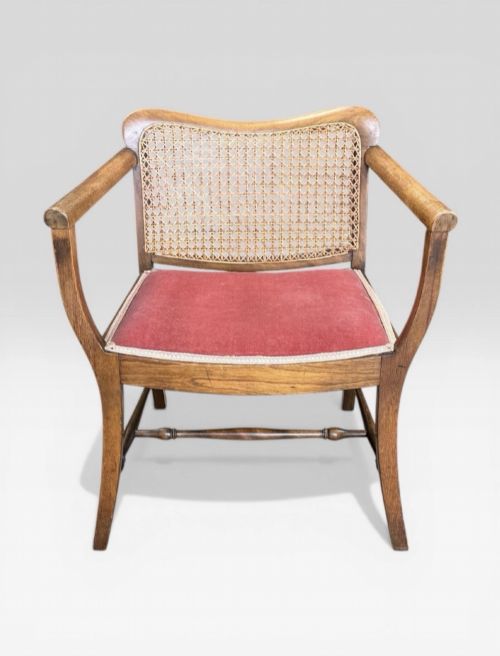
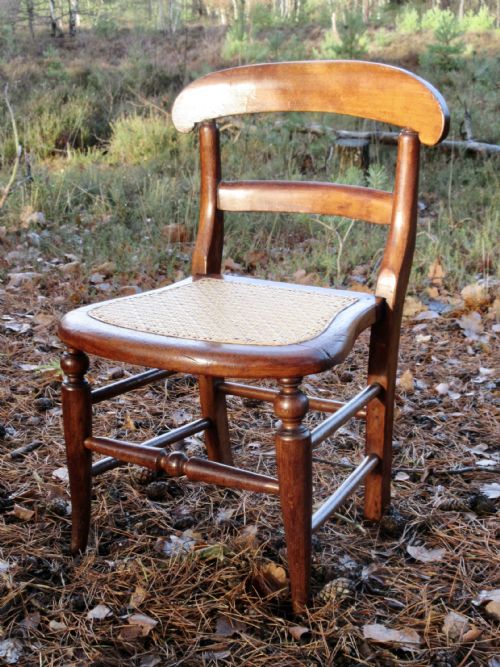
These victorian cane nursery chair examples are small seating pieces from the nineteenth century featuring woven cane work, made for children and collectors.
Victorian Cane Nursery Chair
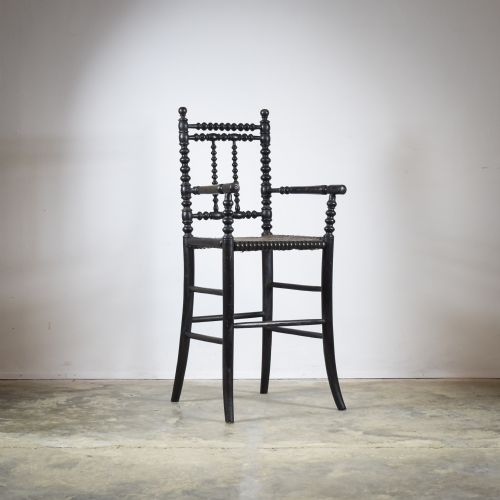
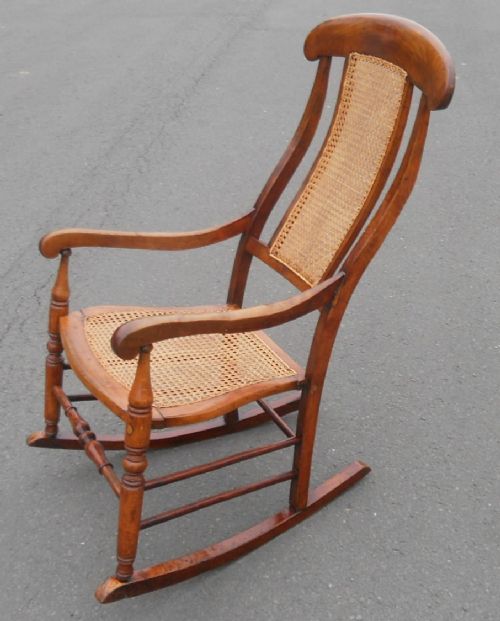
A victorian cane nursery chair is a small seating piece designed for children, often appearing as a low armchair, high chair, rocking chair, or correction chair. These items originate predominantly from the nineteenth century, including specific dates such as 1850, 1870, 1880, and 1890, alongside related examples from the Regency and Edwardian periods.
The selections available here include bergere chairs with cane seats and backs, tub highchairs, and bentwood rockers. Makers and styles span English country designs, French Louis XVI style, faux bamboo, and Thonet bentwood production.
How they were made
Construction relies heavily on traditional hardwoods such as mahogany, beech, oak, and general wood or hardwood frameworks, frequently paired with woven cane, rattan cane, or bentwood techniques. Selected pieces incorporate ebonised finishes, bobbin turnings, papier mache, or upholstery in velvet.
The integration of woven cane for seats and backs required skilled hand-crafting to thread organic material through drilled frame holes, creating a supportive yet flexible surface suited to small furniture.
A nineteenth-century bentwood rocker was built small enough to serve as a proper seat for a cherished doll.
What varies in quality
Quality in a victorian cane nursery chair depends on the integrity of the timber frame and the precision of the woven cane work. Uniformity in the cane pattern and structural sturdiness distinguish finer examples from simpler utility pieces.
The presence of distinctive stylistic elements, such as bobbin turning, ebonised finishes, or documented attribution to makers like James Shoolbred and Thonet, elevates the standing of an individual chair within the nineteenth-century seating range.
James Shoolbred·Thonet
The Victorian Cane Nursery Chair Glossary
- Bergere
- An enclosed armchair with a wooden frame where the back and sides are filled with cane work. This French-inspired form offers a lighter visual presence than fully upholstered seating.
- Bentwood
- Wood heated and bent into curved shapes, famously utilised by Thonet. This technique allowed for light, strong, continuous frames without traditional joinery.
- Bobbin turned
- A style of furniture turning that creates a series of rounded, spool-like shapes along the length of a wooden leg or stretcher. It was popular in nineteenth-century vernacular and revival pieces.
- Correction chair
- A specific nineteenth-century seating form designed with a tall, straight back intended to encourage upright posture in children. These pieces often feature cane seats and restrained decoration.
- Papier mache
- A composite material made from paper pulp or layers of paper bound with adhesive, moulded and dried. In Victorian furniture, it provided a smooth surface for painting and inlay.
Victorian Cane Nursery Chair: Frequently Asked Questions
What is a victorian cane nursery chair?
A victorian cane nursery chair is a small-scale nineteenth-century seat designed for children, featuring a woven cane seat or back. These pieces were produced in various forms including high chairs, rockers, and low armchairs.
They reflect the domestic standards and furniture styles of the period, utilising materials like mahogany, beech, and bentwood alongside traditional cane weaving techniques.
How were these chairs used?
These chairs served practical functions in nineteenth-century nurseries, providing seating for young children during meals, play, or formal instruction. High chairs elevated infants to table height, while rocking chairs offered soothing motion.
Correction chairs were specifically intended to encourage proper posture, demonstrating the structured approach to child-rearing in Victorian households.
How do I identify a nineteenth-century piece?
Identification relies on examining the timber species, construction methods, and hardware consistent with nineteenth-century manufacturing. Characteristics such as hand-woven cane, turned wooden supports, and specific stylistic influences like Regency or Edwardian details help establish the date.
Documented maker stamps or attribution to firms like James Shoolbred and Thonet further clarify the origin of the chair.
How do I care for cane seats?
Cane seating requires moderate humidity to prevent the natural rattan material from becoming brittle and snapping. Regular dusting with a soft brush keeps the weave clean without damaging the fibres.
Avoiding direct heat sources and excessive weight will help preserve the structural tension of the original cane work over time.