






Victorian Cane Child Chair
These Victorian cane child chair examples bring genuine nineteenth-century character to domestic spaces through small-scale seating.
Victorian Cane Child Chair
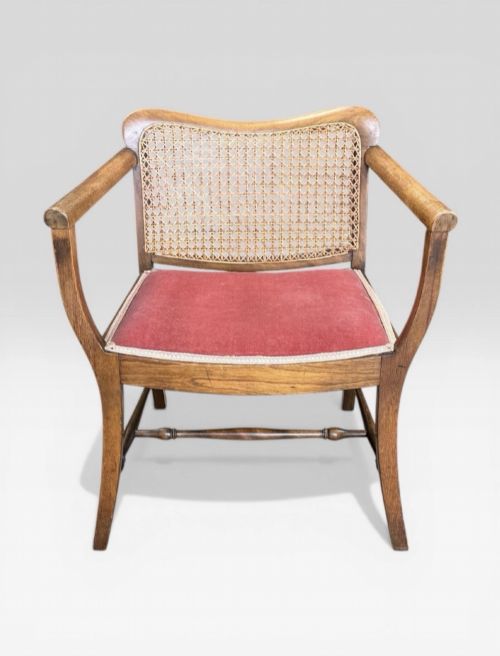
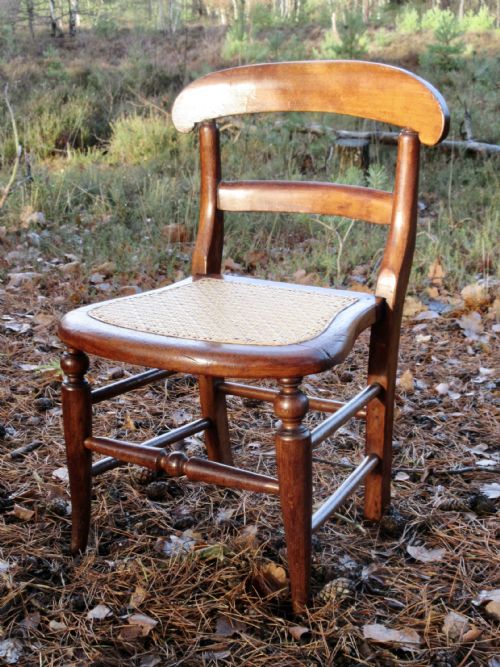
A victorian cane child chair is a piece of smaller-scale domestic seating produced during the nineteenth century, encompassing various forms from the period. Buyers searching for a victorian cane child chair encounter high chairs, armchairs, rocking chairs, and side chairs constructed for young occupants.
The evidence shows examples spanning the Regency era through to the early twentieth century, alongside specific styles like French Louis XVI and Thonet bentwood. Mahogany, oak, beech, and hardwood frame these seats, frequently paired with woven rattan cane seats and backs.
How they were made
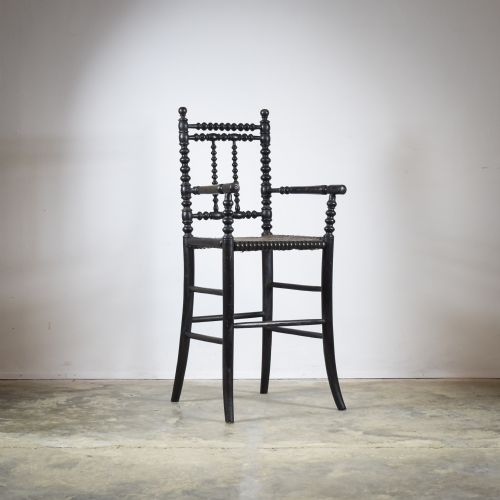
Frames are constructed from hardwoods such as mahogany, oak, and beech, shaped through traditional carpentry techniques into tub chairs, high chairs, and rockers. Bobbin turning and ebonising appear alongside bentwood methods seen in Thonet productions.
Seating areas and backs utilise woven rattan cane, threading natural material through frame drillings to create supportive and flexible panels. Secondary materials such as velvet occasionally complement the primary wood and cane construction.
One surviving nineteenth-century Thonet rocking chair is built perfectly sized for a child's doll.
What varies in quality
Quality rests upon the integrity of the timber frame and the tightness of the cane weaving, distinguishing sturdy workshop production from lighter output. Finer examples display considered joinery, such as bobbin turning or polished mahogany, rather than basic utility framing.
The distinction between standard child seating and designated high chairs or rocking mechanisms involves greater complexity in construction. Original surfaces and retained structural elements elevate pieces above heavily altered or later repaired examples.
James Shoolbred·Thonet
The Victorian Cane Child Chair Glossary
- Bergere
- An enclosed upholstered or caned armchair with wooden framing, frequently seen in nineteenth-century child chair forms.
- Bentwood
- Wood softened through steaming and bent into curved structural shapes, notably utilised by makers such as Thonet.
- Bobbin turned
- Timber turned on a lathe to resemble a string of beads or bobbins, popular for decorative framing on nineteenth-century chairs.
- Tub highchair
- A high chair featuring a rounded, enclosing backrest designed to keep a young child secure during feeding.
- Correction chair
- A nineteenth-century seating form intended to encourage upright posture in children.
Victorian Cane Child Chair: Frequently Asked Questions
Were these chairs used daily?
Yes, these small chairs served practical functions in nineteenth-century nurseries and dining rooms for young children and toddlers.
Many high chairs and rocking variants show signs of domestic employment, reflecting the daily routines of middle and upper-class Victorian households.
How do I identify a high chair?
High chairs feature elevated wooden underframes or extended legs designed to bring the child up to dining table height.
They often incorporate footrests and secure wooden or caned barriers to keep the occupant safely positioned above the floor.
What is bentwood?
Bentwood involves steaming solid timber until pliable, allowing craftsmen to bend the material into continuous curved components.
This technique produced lightweight yet durable frames, particularly championed by manufacturers like Thonet in the later nineteenth century.
How do I care for cane?
Rattan cane requires occasional light dusting and moderate humidity to prevent the natural fibres from becoming brittle and snapping.
Avoiding excessive direct heat helps maintain the flexibility and strength of the woven seat and back panels over time.