

Victorian Candle Pedestal
These pieces known as a victorian candle pedestal are elevated stands designed to hold lamps or lighting, bringing function and period character to a room.
Victorian Candle Pedestal
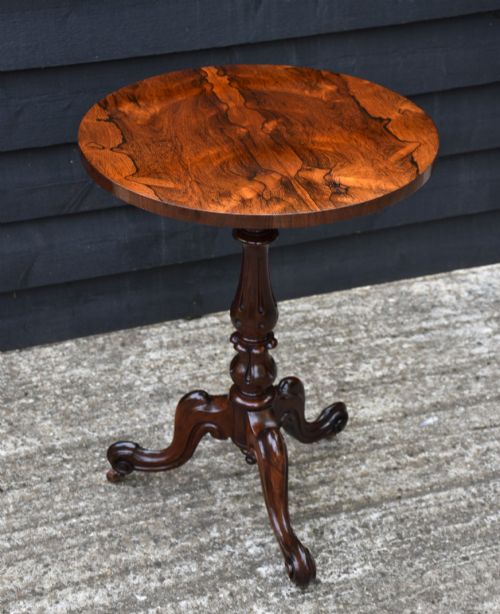
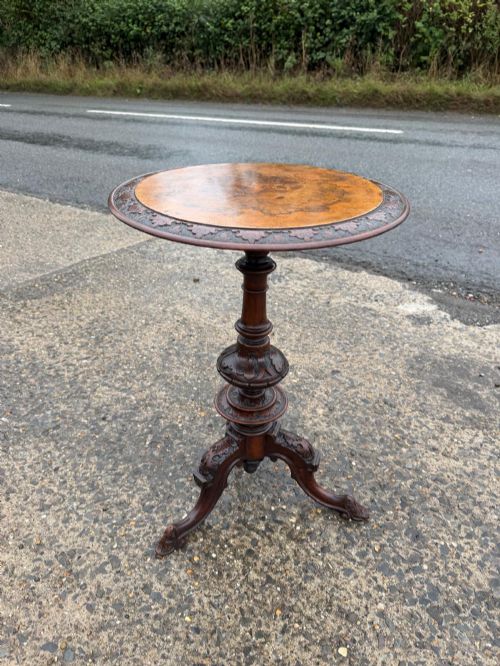
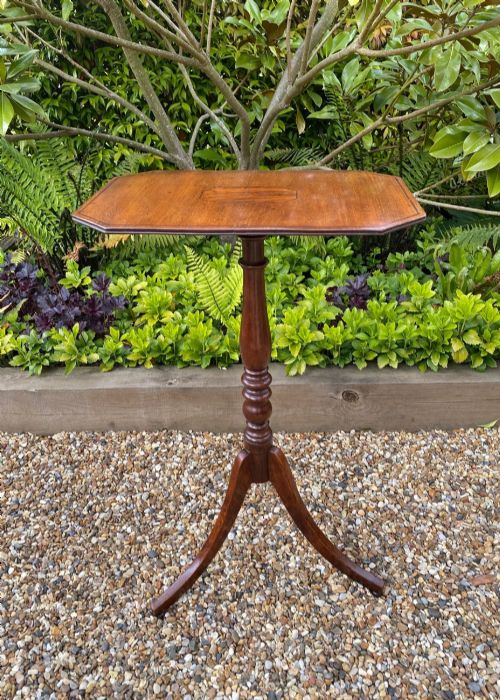
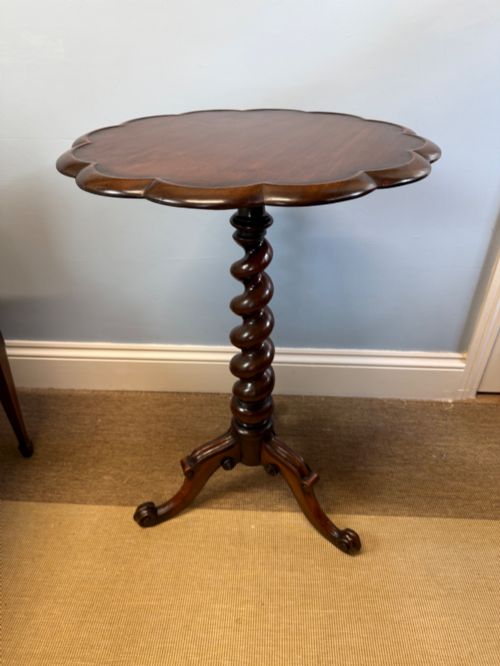
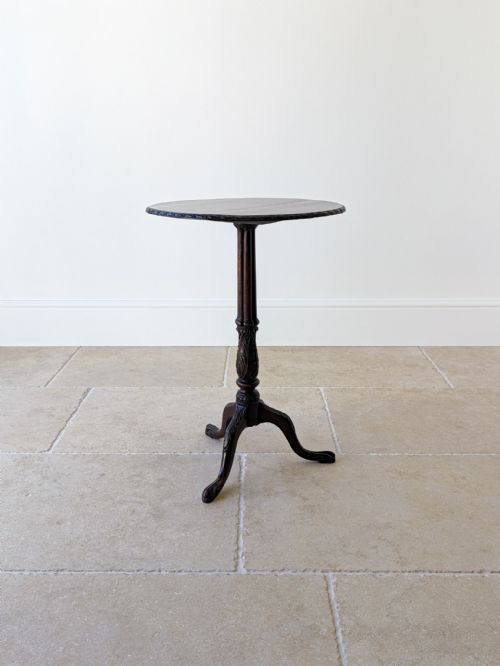
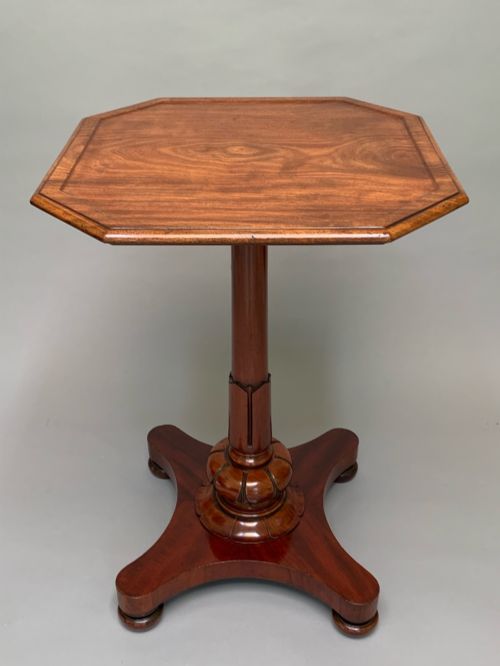
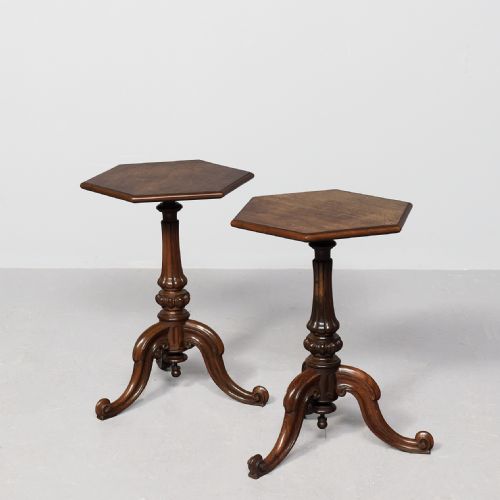
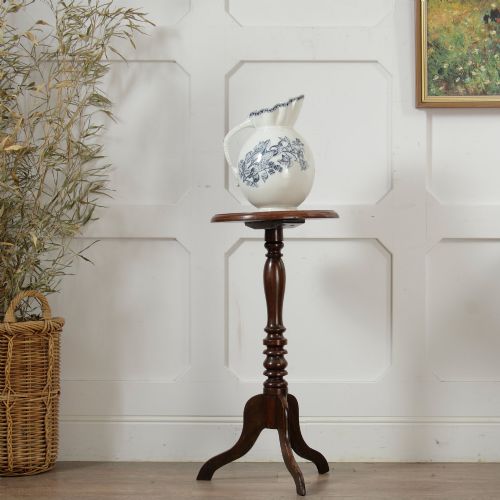
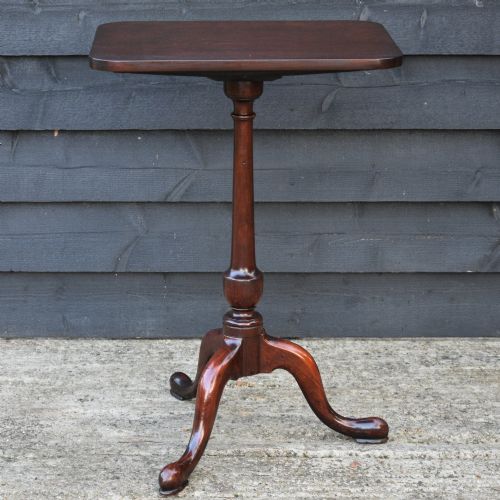
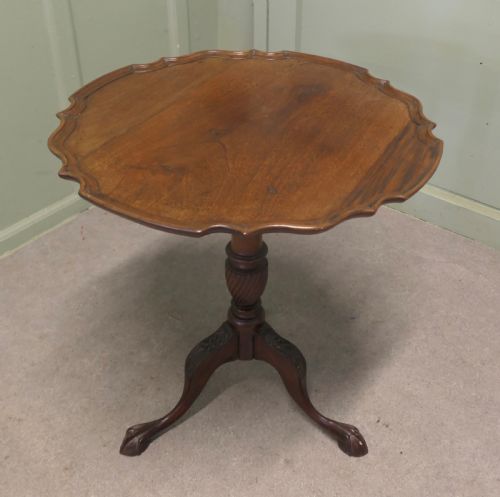
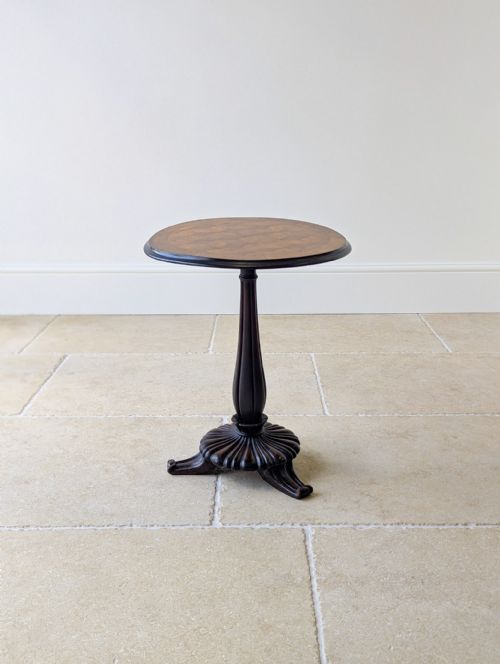
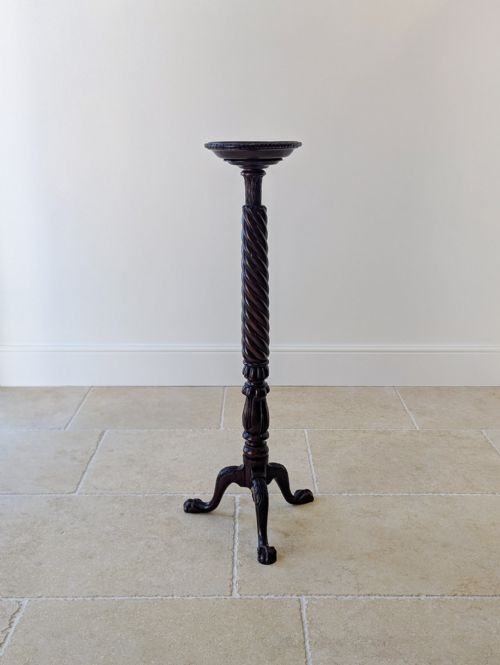
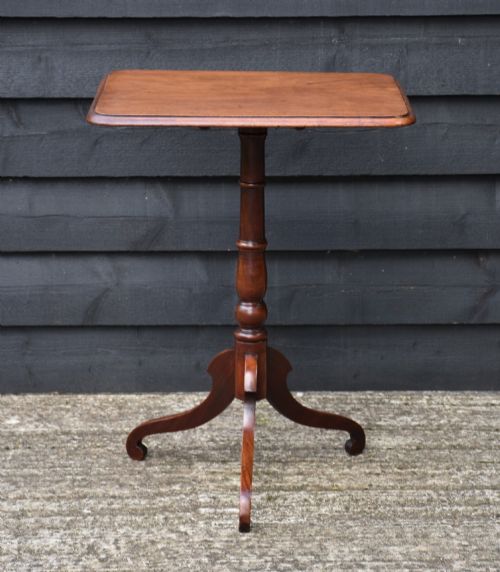
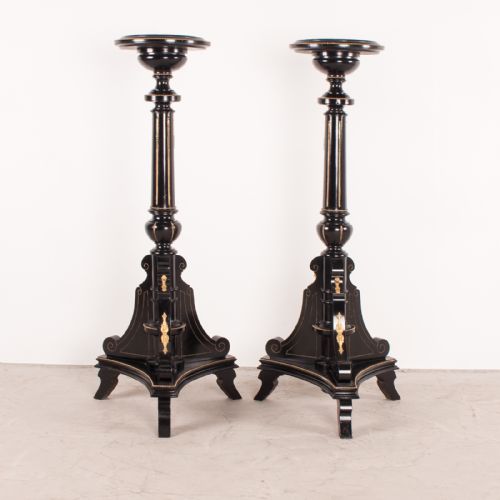
A victorian candle pedestal most commonly appears in this selection as a tripod wine table, a torchere, or an occasional table designed for lamps. These pieces date principally from the nineteenth century, spanning the Victorian era alongside Regency and William IV periods.
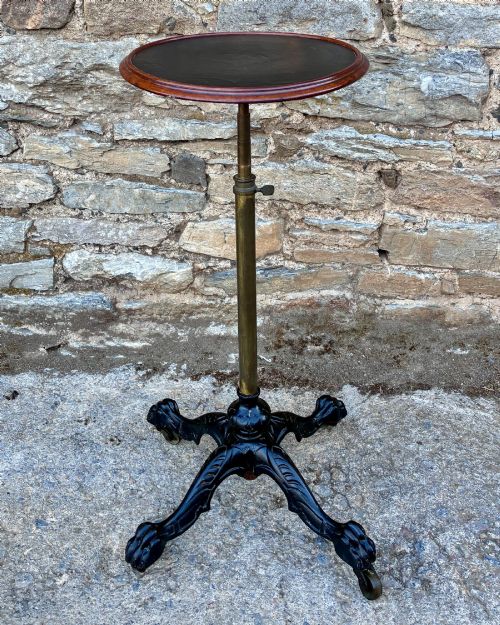
Makers fashioned these supports in diverse configurations, including tilt-top mechanisms, adjustable display stands, and revolving bookstands. Buyers encounter circular lamp tables and tall plant stands that served domestic interiors for lighting or display.
Origin points encompass English workshop traditions alongside Scottish, Anglo Indian, and Italian examples. The variety reflects the diverse domestic requirements of nineteenth-century households for flexible table surfaces.
Materials and construction
Craftsmen utilised dense hardwoods such as mahogany, walnut, burr walnut, and rosewood, occasionally incorporating cherry, fruitwood, oak, and ebonised finishes. Brass hardware and wood inlay provide structural support and surface decoration.
Turned elements appear frequently, including barley twists, bobbin galleries, and carved columns set upon tripod bases. Tops feature circular designs, dish tops, or detachable surfaces supported by pedestals.
The selection spans the nineteenth century, including Victorian, Regency, and William IV periods alongside Chippendale Revival styles.
Evaluating the standard
Differentiation across the range rests upon the selection of timber veneers, such as figured burr walnut or richly grained rosewood, paired with the crispness of carved details on the pillar and legs. Superior examples display balanced proportions on the tripod base and robust joinery at the pedestal junction.
Refinement shows in mechanical components, such as smoothly operating tilt-top catches, adjustable height mechanisms, and revolving bookstands that move without binding. The integration of brass fittings and decorative turning marks the distinction between standard utility items and finer parlour pieces.
The Victorian Candle Pedestal Glossary
- Torchere
- A tall, slender stand designed specifically to support a lamp or candle, elevating the light source above furniture level.
- Tripod table
- A small occasional table supported by three legs radiating from a central pillar, offering stability on uneven floorboards.
- Tilt-top
- A hinged table top that pivots to a vertical position when not in use, allowing the piece to stand flat against a wall.
- Barley twist
- A type of turning shaped like a spiral rope, popular on the vertical columns of nineteenth-century furniture.
- Bobbin gallery
- A raised border around the edge of a table top formed of small rounded wooden beads resembling bobbins.
Victorian Candle Pedestal: Frequently Asked Questions
What is a torchere used for?
A torchere serves as an elevated stand for a lamp, candle, or decorative plant. In nineteenth-century interiors, these tall supports placed additional lighting around a room.
Their slender profile allowed them to fit into corners or tight spaces where larger tables could not go.
What woods were used for these pedestals?
Cabinet makers predominantly used mahogany, walnut, and rosewood for these stands. Burr walnut and wood inlay provided decorative surface patterns on table tops.
Some pieces also incorporated fruitwood, oak, brass details, and ebonised finishes to achieve different decorative effects.
Where should I place a lamp table?
A lamp table suits placement beside a sofa, armchair, or in an empty corner requiring functional surface space. Their compact footprints make them adaptable for smaller rooms.
Ensure the tripod base sits firmly on the floor surface to maintain stability when holding a lamp.