

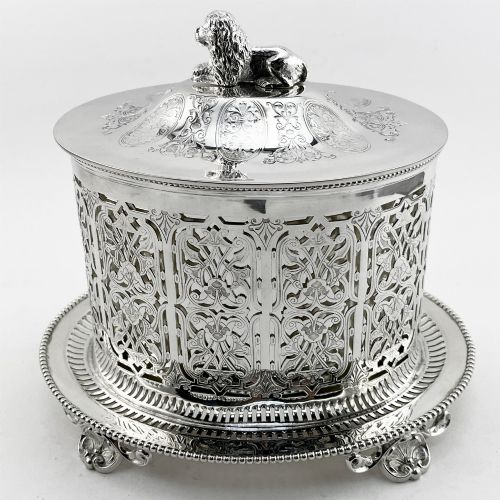
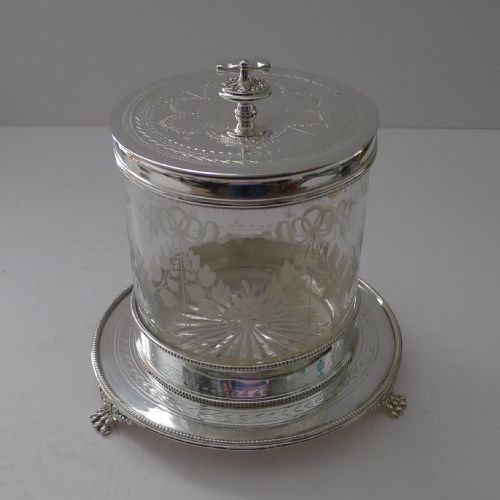
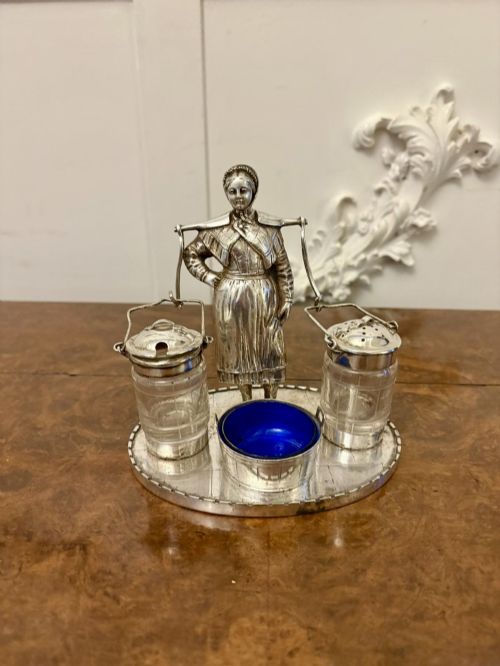
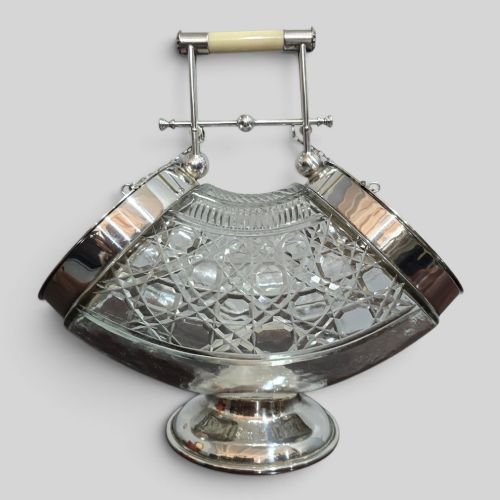


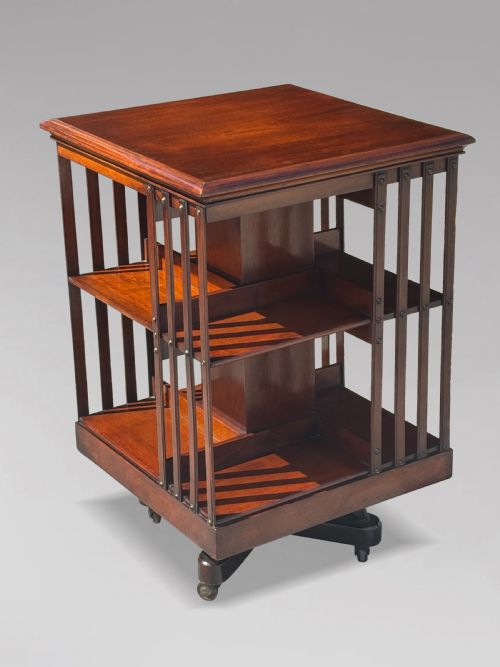
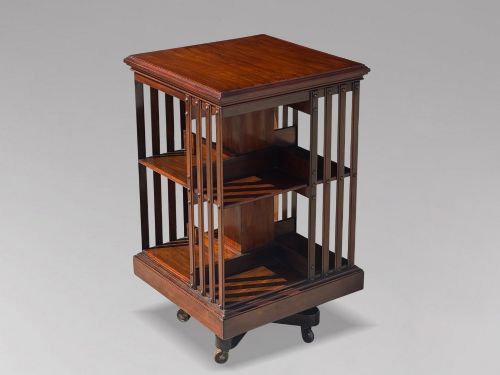
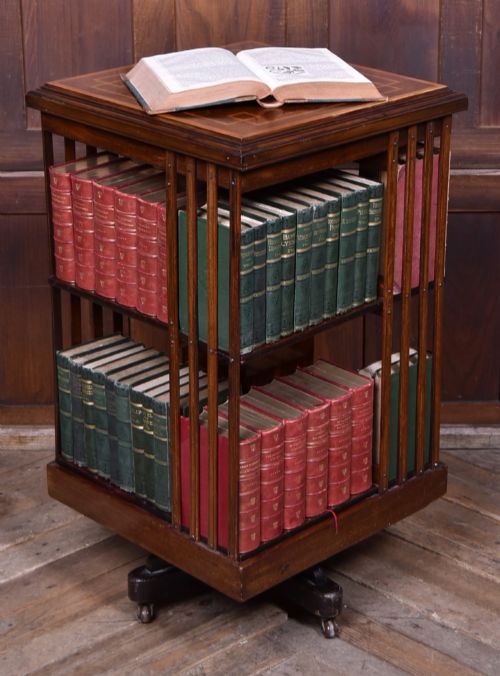
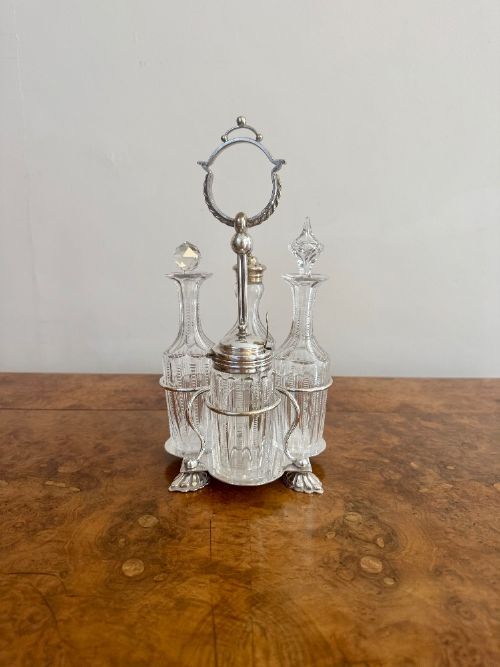

Victorian Caddy Table
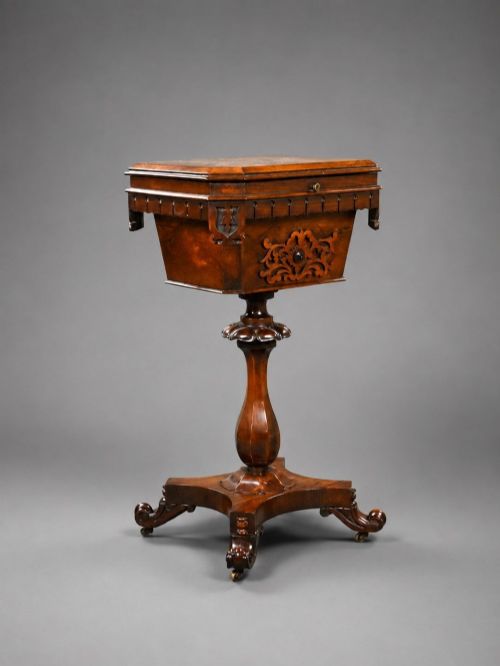
A victorian caddy table is a place for holding tea and dry goods, uniting solid timbers with neat craftsmanship for the home.
Victorian Caddy Table
A victorian caddy table combines sturdy woodwork with useful compartments for holding tea leaves and other dry goods securely.
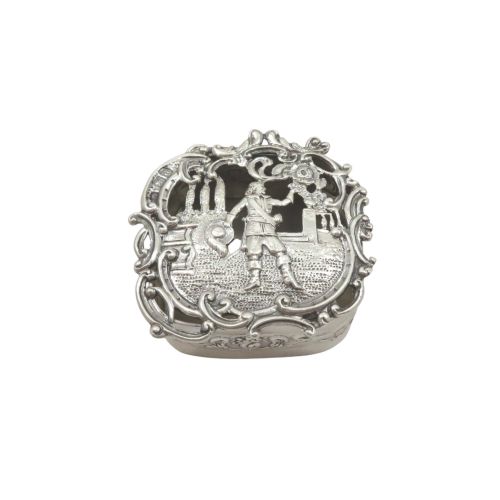
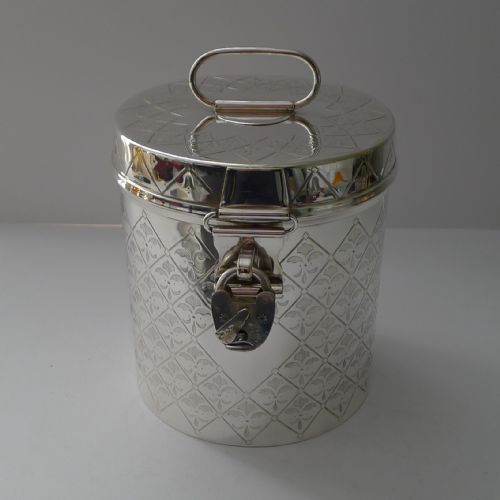
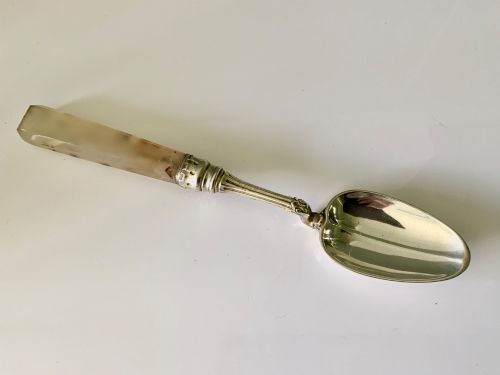
The pieces seen here range from mahogany and rosewood tea poys to table boxes and caskets rooted in nineteenth century design.
Buyers often encounter variations that span from plain mahogany frames to more ornate carved padouk and inlaid woods.
Materials and construction
Cabinet makers utilised dense hardwoods like mahogany, rosewood, and oak to build the primary structures of these stands and boxes.
Surface details often include brass fittings, cut glass inserts, and carved motifs that reflect nineteenth century workshop practices.
Victorian Caddy Table Retail Price Guide 2026
Typical asking prices for victorian caddy table among the pieces listed under this phrase on Sellingantiques today, from the lower quarter to the upper quarter. They describe what is for sale here now, not the wider market.
Listings feature woods such as mahogany, rosewood, oak, and yew alongside brass and cut glass components.
Judging quality in caddy tables
The caliber of a piece rests on the precision of its joinery, the selection of timber veneers, and the condition of interior fittings.
Finer examples display careful timber matching and crisp carving, whereas simpler items rely on straightforward assembly without decorative embellishment.
Mappin and Webb·Mappin Brothers
The Victorian Caddy Table Glossary
- Tea poy
- A small table or stand traditionally used to hold tea caddies and loose leaves. These often feature internal compartments.
- Padouk
- A heavy tropical hardwood valued for its rich colour and durability in colonial furniture. It takes fine carved details well.
- Rosewood
- A dense, dark timber often showing distinctive grain patterns. Cabinet makers utilised it for high status nineteenth century furniture.
- Veneer
- A thin layer of choice wood applied to a secondary timber base. It provides decorative surfaces on boxes and tables.
Victorian Caddy Table: Frequently Asked Questions
What is a victorian caddy table used for?
These tables served primarily to store and lock away expensive tea leaves, sugar, and spices in nineteenth century drawing rooms.
Today, they function well as decorative accent furniture or compact storage for small personal items.
How do I identify a tea poy?
A tea poy generally stands on a single central pillar or slender legs, housing a lidded compartment divided inside for multiple varieties of tea.
Many examples date from the Regency and Victorian periods, often constructed in rosewood or mahogany.
Are these tables made from solid wood?
Most pieces combine solid framing timbers with carefully applied wood veneers across larger flat surfaces to create decorative grain patterns.
Secondary woods such as pine or oak frequently appear inside drawers and hidden framing components.
How should I care for a wooden caddy table?
Keep the timber away from direct heat sources and strong sunlight to prevent the surface finish and veneers from drying out.
Apply a traditional wax polish occasionally to nourish the wood and maintain its natural lustre.